Choosing between a coverlet and a comforter can feel confusing because both sit on top of the bed and both can make a bedroom look finished.
The real difference comes down to thickness, warmth, and purpose. A coverlet is usually light, thin, and more decorative. A comforter is thicker, warmer, and better for cold nights.
Once you understand how each one works, it becomes much easier to choose the right bedding for your room, season, and sleep style.
This article explains the difference between a coverlet vs comforter in simple terms and also compares them with duvets and quilts, so you can make a better bedding choice.
What is a Coverlet?
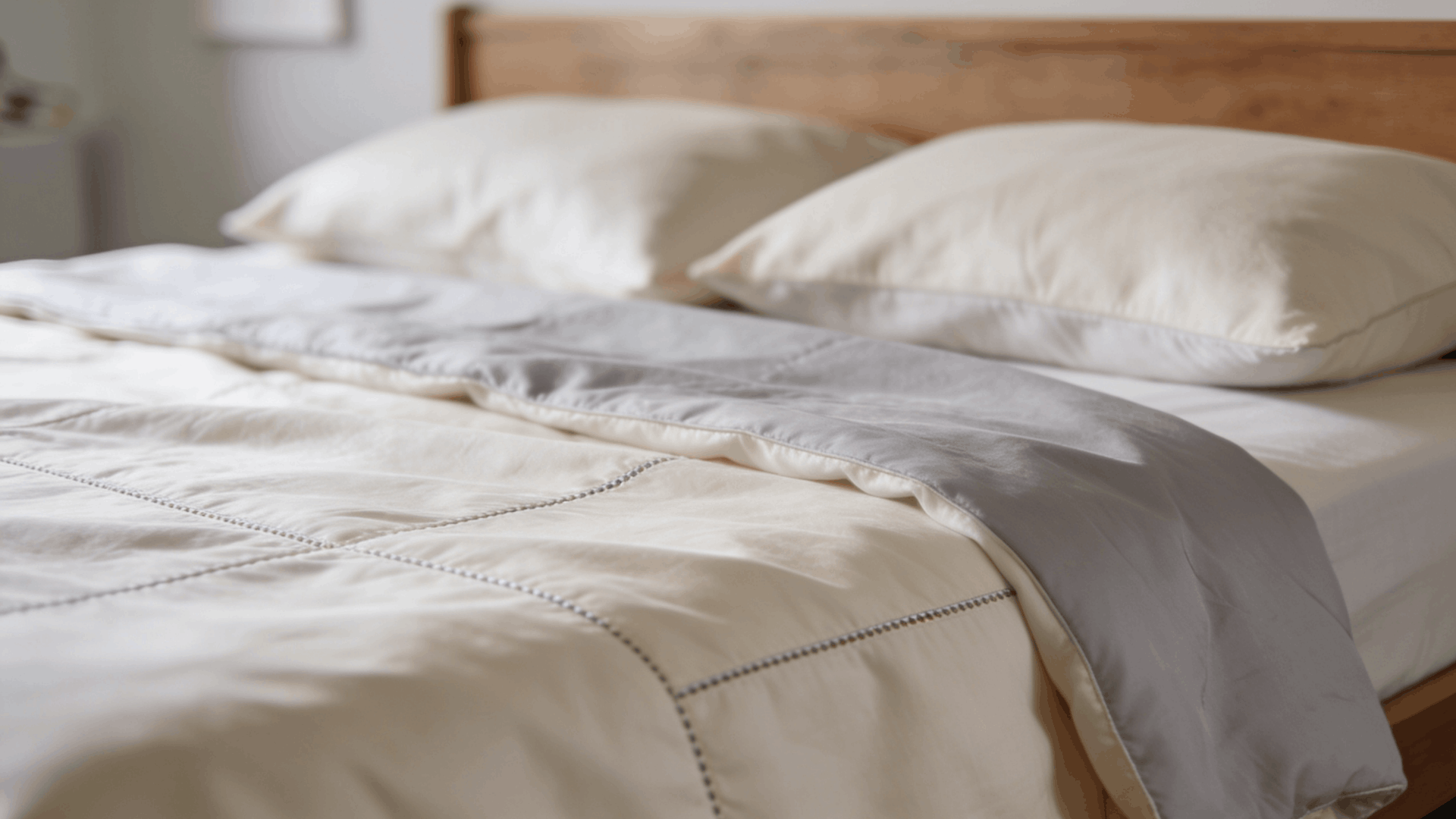
A coverlet is a lightweight bed covering used for style, light warmth, or layering. It is thinner than a comforter and usually sits on top of the bed without hanging all the way to the floor.
Coverlets are often used in warm weather or in bedrooms where the bed needs a neat, clean look without too much bulk. They can be placed over sheets, folded at the foot of the bed, or layered under another blanket.
A coverlet is a good choice when you want the bed to look polished but do not need heavy warmth.
Best Uses for a Coverlet:
- Warm weather bedding
- Light top layer
- Guest bedrooms
- Neat bed styling
- Layered bedding
- Modern bedrooms
- Extra daytime cover
Recommended products:
What is a Comforter?
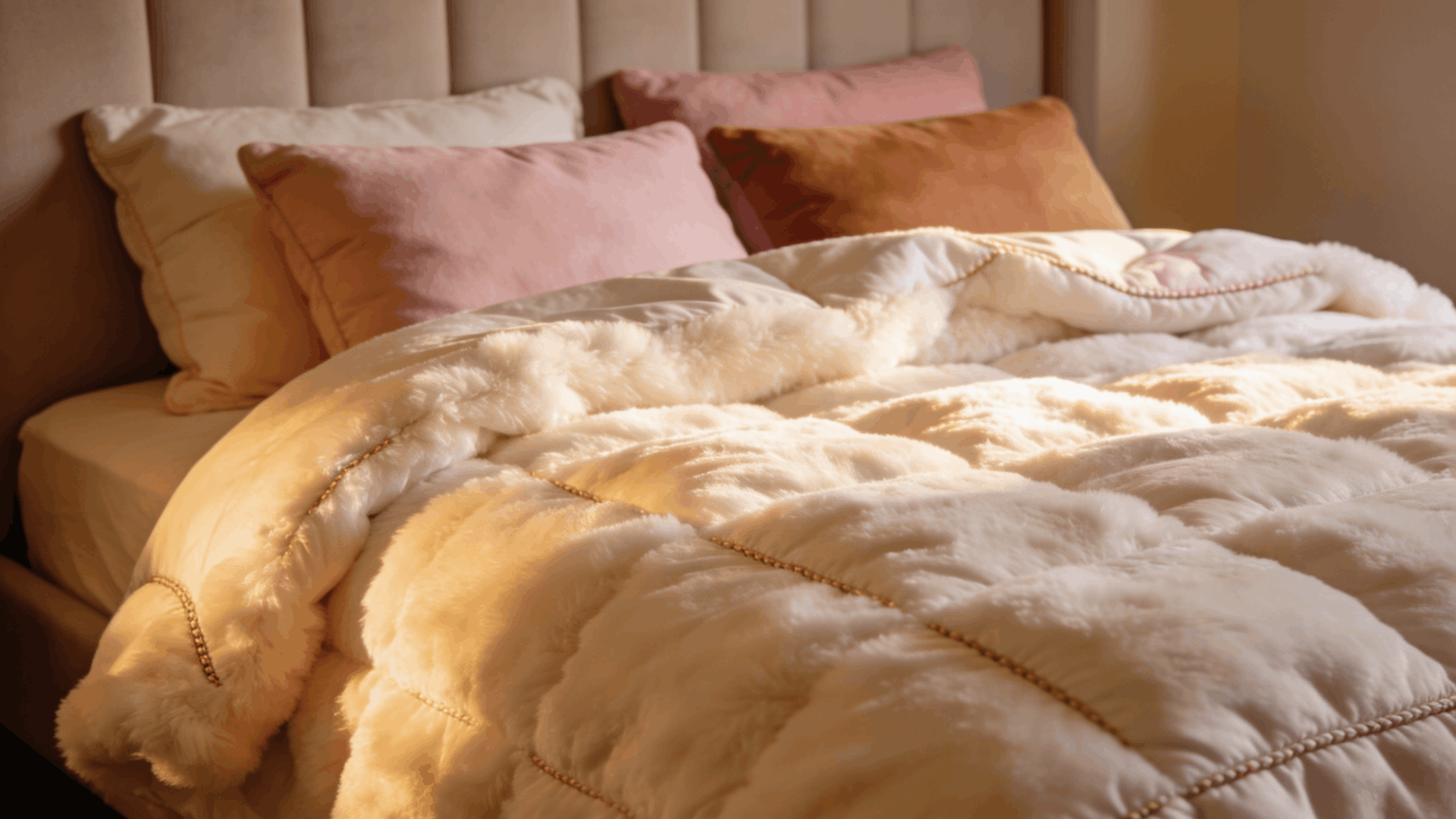
A comforter is a thick, soft bed covering filled with materials like polyester, down, cotton, or down alternative. It is stitched to keep the filling spread out evenly.
Comforters are made for warmth. Many people use them as the main top layer on the bed, especially in cooler rooms or during winter. Unlike a duvet, a comforter does not usually need a separate cover.
A comforter is a practical pick when you want one warm piece that is easy to place on the bed and use every night.
Best Uses for a Comforter:
- Cold nights
- Winter bedding
- Everyday warmth
- Guest rooms
- Dorm rooms
- Quick bed setup
- Cozy bedrooms
Recommended products:
Coverlet vs Comforter: Main Difference
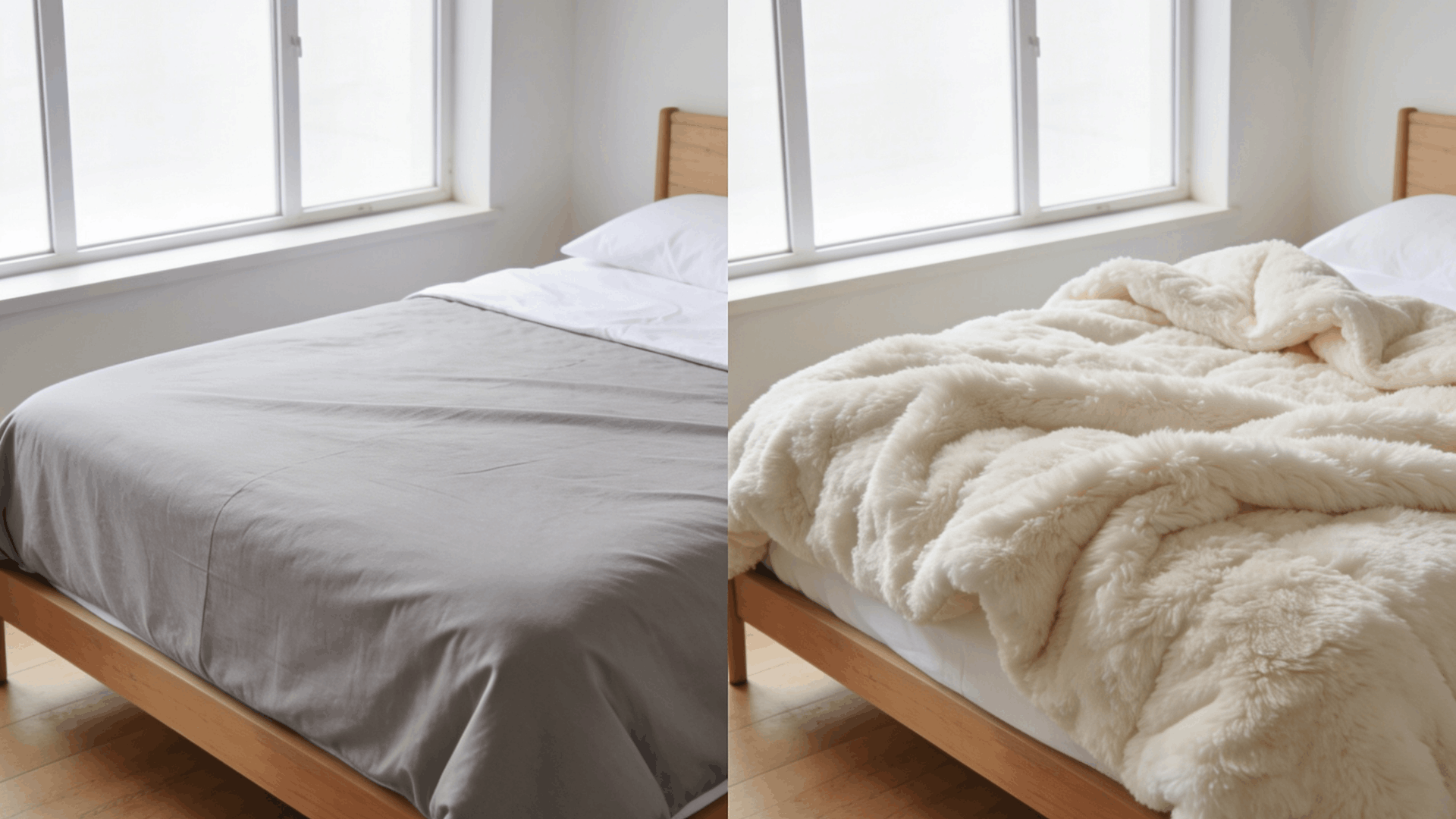
The main difference between a coverlet and a comforter is warmth. A coverlet is lighter and thinner, while a comforter is thicker and warmer.
A coverlet works more like a light jacket for your bed. A comforter works more like a padded winter coat. Both are useful, but they serve different needs.
The table below shows the main differences side by side, so it is easier to see which bedding piece fits your room, season, and sleep needs.
| Feature | Coverlet | Comforter |
|---|---|---|
| Thickness | Thin and light | Thick and fluffy |
| Warmth | Light warmth | Medium to heavy warmth |
| Best season | Spring, summer, mild weather | Fall, winter, cold rooms |
| Main purpose | Style and light layering | Warmth and comfort |
| Bed look | Neat and flat | Soft and full |
| Care | Usually easier to wash | May need a larger washer |
| Best for | Hot Sleepers’ guest rooms styling | Cold sleepers’ everyday warmth |
When Should You Use a Coverlet?

Use a coverlet when you want light coverage without too much heat. It works well in summer, warm climates, and rooms that already stay comfortable at night.
A coverlet is also helpful if you prefer a clean, simple bed. It does not look as puffy as a comforter, so it can make the bed feel more tailored.
For example, a coverlet works well in a guest room where you want the bed to look neat during the day. You can also keep an extra blanket nearby in case guests need more warmth.
A coverlet works well if:
- You sleep warm
- Your room stays mild at night
- You like a clean bed look
- You want easy layering
- You need bedding that stores easily
Now look at the strong and weak points before choosing one.
| Benefits | Limitations |
| Light and easy to use | Not warm enough for cold nights |
| Good for warm weather | May look too flat alone |
| Makes the bed look neat | May not cover the full bed |
| Easy to layer | Thin styles may need extra bedding |
| Often easier to store | Some fabrics need gentle care |
When Should You Use a Comforter?

Use a comforter when warmth is your main need. It is a better choice for cold rooms, winter nights, or people who prefer a soft, cozy bed.
A comforter can also make bed-making easier because it serves as a single top layer. You can pull it up over the sheets, add pillows, and the bed looks complete.
For example, a comforter is useful in a child’s room or dorm room because it is simple to use and does not need many extra layers.
A comforter works well if:
- You sleep cold
- You want a fluffy bed
- Your room gets chilly
- You prefer simple bed making
- You want one main top cover
A comforter solves a different need, so its benefits and limits are also different.
| Benefits | Limitations |
| Warm and cozy | Can feel too hot in summer |
| Works as one main layer | Can be bulky to wash |
| Gives the bed a full look | Takes more storage space |
| Good for cold rooms | May not suit hot sleepers |
| Easy for quick bed making | Some fills may shift over time |
How Coverlets and Comforters Compare With Other Bed Covers
Among the different types of bedding, coverlets and comforters are two common top layers that serve very different needs.
Coverlets and comforters are only two of the many bed covers people use, so comparing them with duvets and quilts makes the choice much clearer.
At first, these pieces may seem similar because they all sit on top of the bed. The difference is in how warm they feel, how thick they are, how easy they are to wash, and how they change the look of a bedroom.
Understanding these small differences helps you choose bedding that fits your sleep habits, room temperature, and style, rather than choosing only by color or design.
Coverlet vs Comforter vs Duvet vs Quilt
These four bed coverings may look similar at first, but they are made for different levels of warmth, weight, and styling.
| Bedding Type | What It Is | Warmth Level | Best Use | Best Season | Main Look |
|---|---|---|---|---|---|
| Coverlet | A thin, lightweight bed cover used on top of sheets or blankets | Light | Styling, layering, and warm rooms | Spring and summer | Smooth, neat, and clean |
| Comforter | A thick, filled bed cover used as one main warm layer | Medium to high | Cozy sleep and simple bed making | Fall and winter | Fluffy, soft, and full |
| Duvet | A warm insert placed inside a removable cover | Medium to high | Easy washing and changing bedroom style | Fall, winter, or all season | Soft, full, and flexible |
| Quilt | A stitched bed cover made with fabric layers and filling | Medium | Cozy texture and classic bedroom style | Fall and mild winter | Textured, stitched, and homey |
Coverlet vs Comforter: What to Consider Before Buying
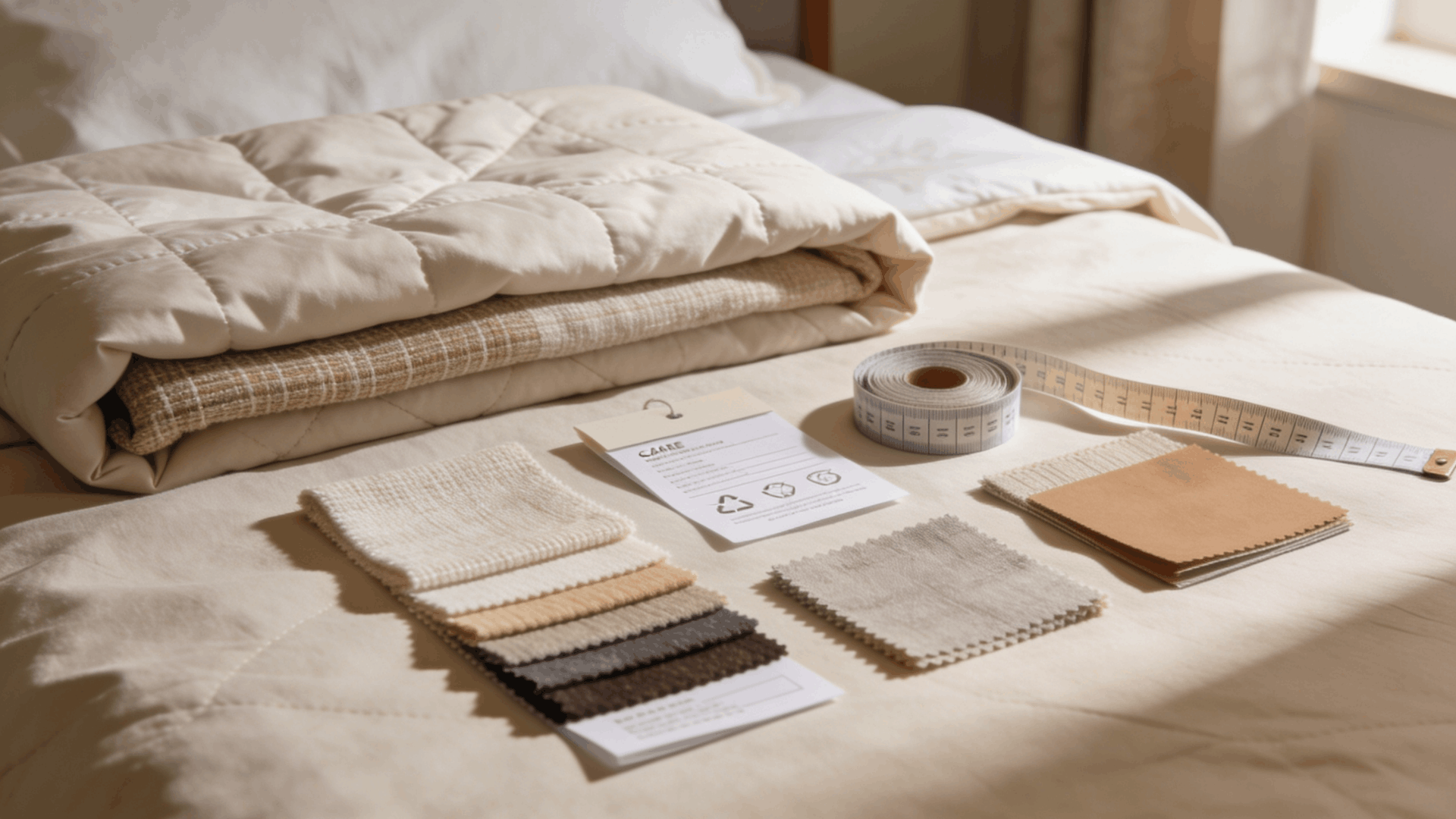
Before buying a coverlet or comforter, think beyond color and design. Both can make a bed look nice, but they do different jobs.
A coverlet is lighter, thinner, and better for warm weather, neat styling, or simple layering. A comforter is thicker, softer, and better when you need more warmth at night.
Your choice should match your sleep temperature, room climate, washing routine, and bedroom style.
It also helps to think about storage space and bed size before buying. When you compare these small details first, it becomes easier to choose bedding that feels comfortable every day.
Important details to consider:
- Sleep temperature: Choose a coverlet if you sleep hot and a comforter if you sleep cold
- Season: Coverlets work better in summer while comforters are better for winter
- Room climate: Warm rooms need lighter bedding and cold rooms need thicker layers
- Bed style: Coverlets give a neat flat look while comforters create a fuller cozy look
- Washing needs: Coverlets are usually easier to wash because they are thinner
- Storage space: Comforters take more closet space because they are thicker and bulkier
- Layering: Coverlets are better for flexible layering with blankets quilts or throws
- Budget: Prices vary by fabric filling size and brand so compare quality before buying
Final Thoughts
The coverlet vs comforter choice comes down to warmth, style, and how you use your bed. A coverlet is light, thin, and great for warm weather, guest rooms, and neat bedroom styling.
A comforter is thicker, warmer, and better suited to cold nights or for anyone who wants a soft, cozy bed with fewer layers.
Duvets and quilts add more options, but they also serve different needs. A duvet provides warmth with a removable cover, while a quilt offers light-to-medium warmth with a stitched look.
The best choice is the one that fits your sleep temperature, season, room style, and care routine.
Start with your comfort first, then choose the bed covering that makes your room feel complete.
Frequently Asked Questions
Is a Coverlet the Same as a Comforter?
No, a coverlet is thinner and lighter. A comforter is thicker, warmer, and filled for more insulation.
Can a Coverlet Replace a Comforter?
A coverlet can replace a comforter in warm weather. In winter, it may not provide enough warmth on its own.
What Is Better, a Quilt or a Coverlet?
A quilt is better for light warmth and a classic look. A coverlet is better for a smooth, simple, and lighter finish.
Do Comforters Need Duvet Covers?
Most comforters do not need duvet covers. A duvet usually needs a separate cover, but a comforter is made as one finished piece.