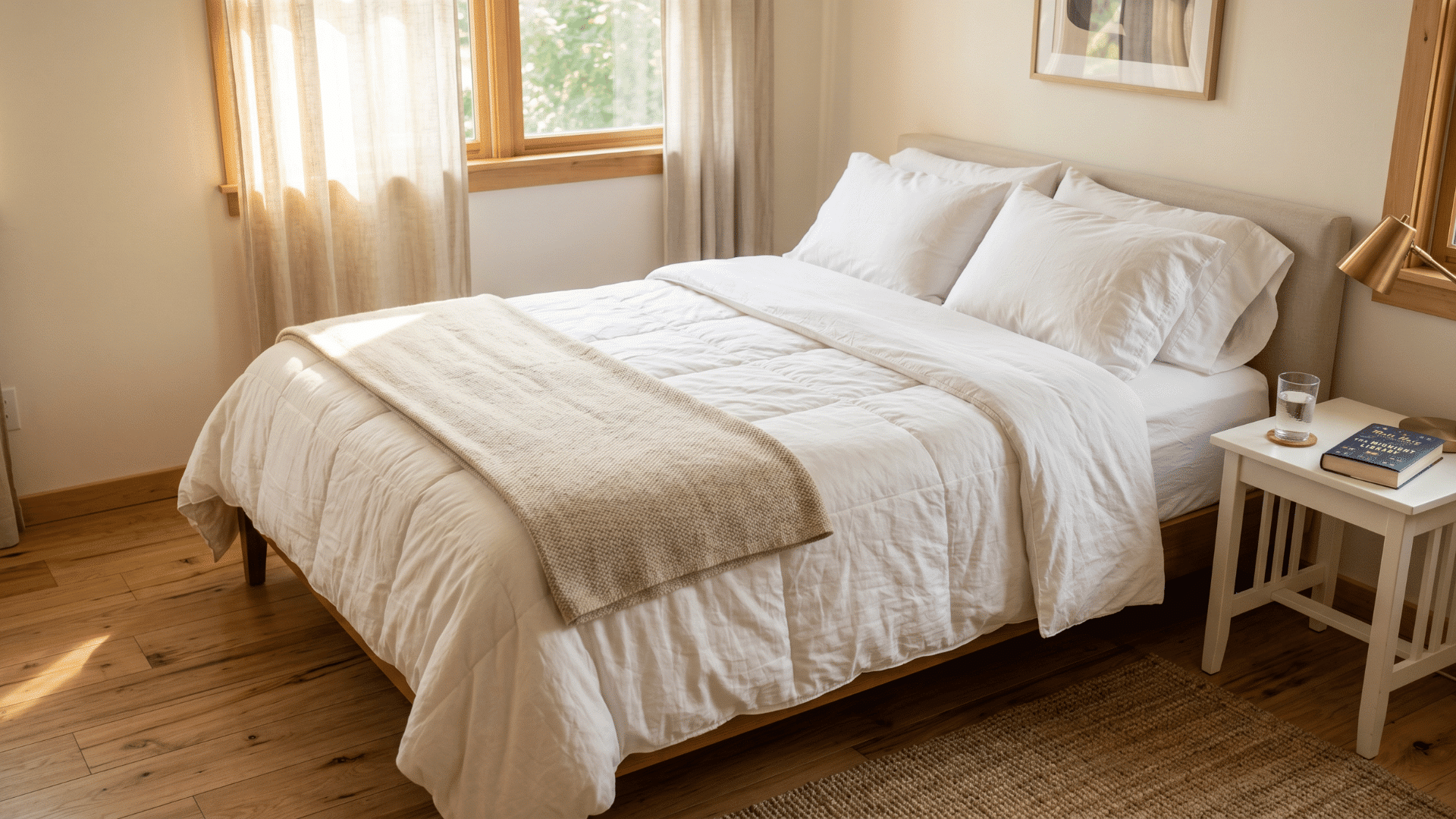

Bedding does more than make your bed look nice. It affects how warm, cool, soft, and comfortable you feel while sleeping.
When people talk about different types of bedding, they often mean sheets, pillows, blankets, duvets, quilts, comforters, and mattress covers.
Each piece has its own job. Some bedding touches your skin, some adds warmth, and some protects your mattress.
Knowing what each item does can help you build a bed that feels right for your sleep style, room temperature, and budget.
In this guide, you will learn about the main bedding types, common materials, uses, and the best bedding choices for each season.
What is Bedding?

Bedding means all the soft fabric pieces used on and around a bed to make sleep cleaner, warmer, and more comfortable.
It includes sheets, pillowcases, blankets, duvets, comforters, quilts, coverlets, mattress protectors, and decorative layers like throws. Each piece has a simple job.
Sheets give you a fresh surface to sleep on. Pillows support your head and neck. Protectors help keep the mattress safe from sweat and spills.
Top layers add warmth, style, or both. A basic bed may only need sheets, pillows, and one warm layer. A styled bed may use extra pieces for a fuller, more polished look every day.
Common bedding items include:
- Bed sheets
- Pillowcases
- Pillows
- Blankets
- Quilts
- Coverlets
- Duvets
- Comforters
- Mattress protectors
- Mattress toppers
- Bed skirts
- Throws
Think of bedding like clothing for your bed. Some pieces are needed every night, while others are added for warmth, comfort, or style.
Why Bedding Matters
Bedding matters because it affects how your bed feels every night. The right sheets, pillows, blankets, and covers can help you stay cool, warm, supported, and comfortable.
Good bedding also keeps your sleep space cleaner by protecting the mattress from sweat, dust, spills, and daily use.
It can even change the look of your bedroom by adding color, texture, and a finished feel. Poor bedding may feel rough, heavy, hot, or hard to wash.
When you choose bedding carefully, you build a bed that supports better rest, easier care, and a calmer bedroom.
Good bedding helps with:
- Comfort: Soft fabrics feel better against the skin
- Warmth: Quilts, blankets, duvets, and comforters add insulation
- Cleanliness: Sheets and protectors help keep the mattress fresh
- Style: Coverlets, throws, and pillows make the room look finished
- Sleep quality: Comfortable bedding can help your body relax faster
Different Types of Bedding and Their Uses
Each bedding piece has a different role. Some are must-haves, while others are optional based on your needs.
1. Bed Sheets
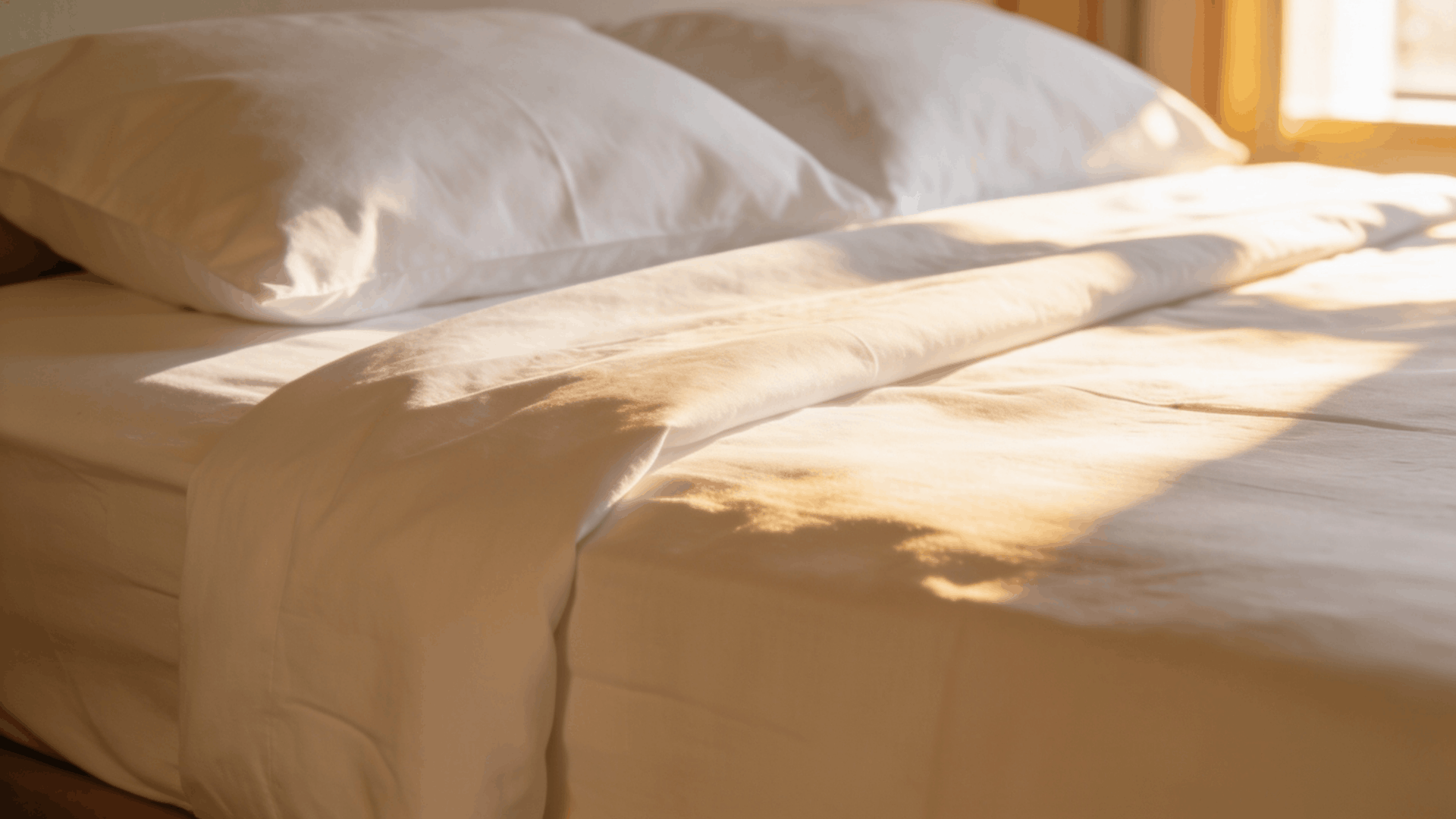
Bed sheets are the first layer of bedding. They sit between your body and the mattress or blanket. Most sheet sets include a fitted sheet, flat sheet, and pillowcases.
A fitted sheet has elastic corners and wraps around the mattress. A flat sheet lies on top of you and under a blanket, quilt, duvet, or comforter.
Best uses:
- Everyday sleeping
- Mattress coverage
- Clean sleep surface
- Summer comfort
- Layering base
- Guest beds
Recommended Products:
2. Pillowcases
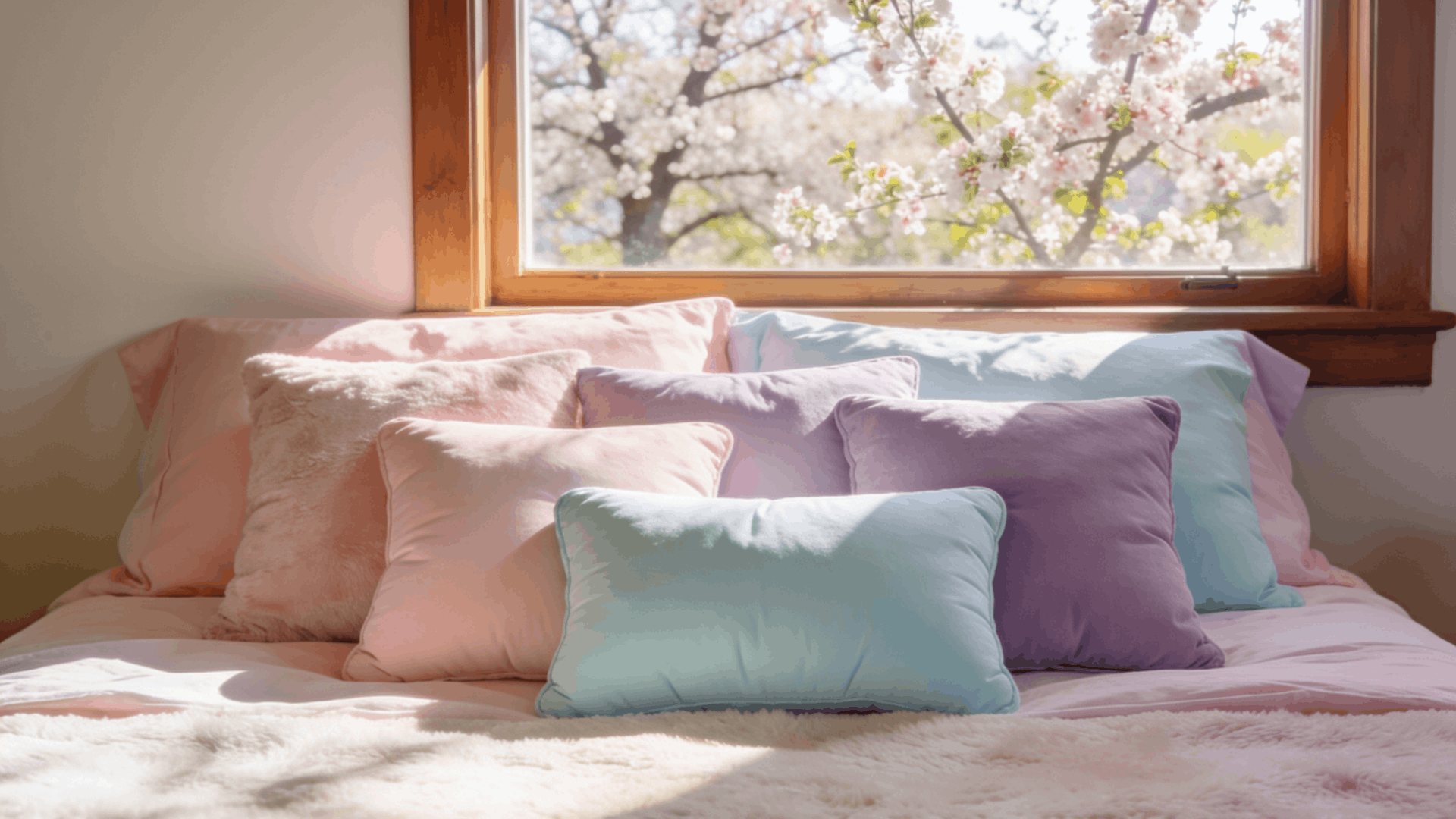
Pillowcases cover your pillows and protect them from sweat, oil, hair products, and dust. They are easy to wash and should be changed often.
Cotton pillowcases are common because they feel soft and breathable. Silk or satin pillowcases are popular for people who want a smoother feel on the skin and hair.
Best uses:
- Pillow protection
- Face comfort
- Hair comfort
- Daily sleeping
- Easy washing
- Bedroom styling
Recommended Products:
3. Pillows
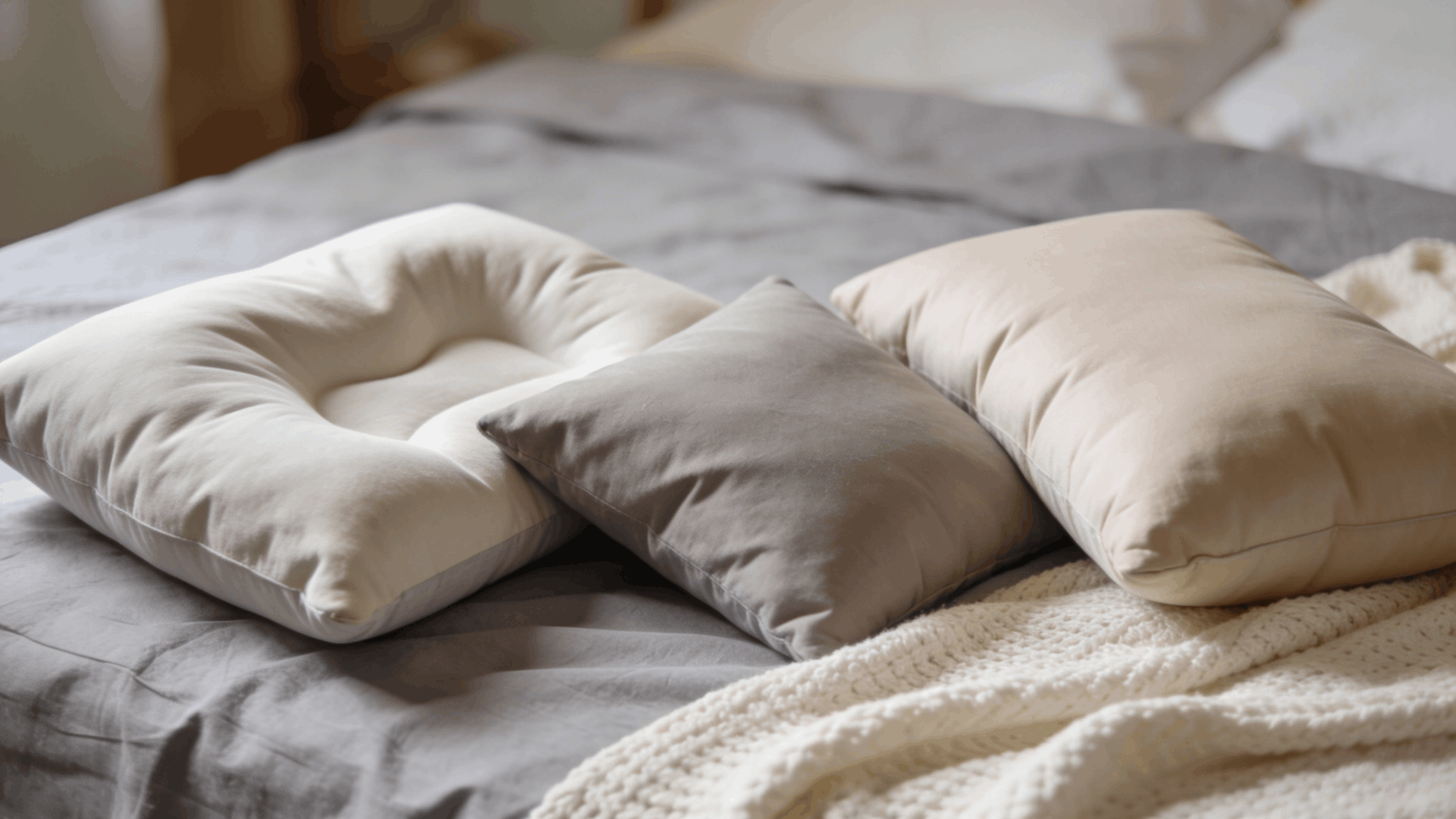
Pillows support your head, neck, and shoulders while you sleep. The right pillow depends on your sleep position.
Side sleepers often need thicker pillows. Back sleepers may prefer medium support. Stomach sleepers usually need thinner pillows.
Common pillow fills include:
- Memory foam
- Down
- Down alternative
- Polyester
- Latex
- Cotton
- Wool
Best uses:
- Head support
- Neck comfort
- Side sleeping
- Back sleeping
- Body support
- Bed styling
Recommended Products:
4. Blankets
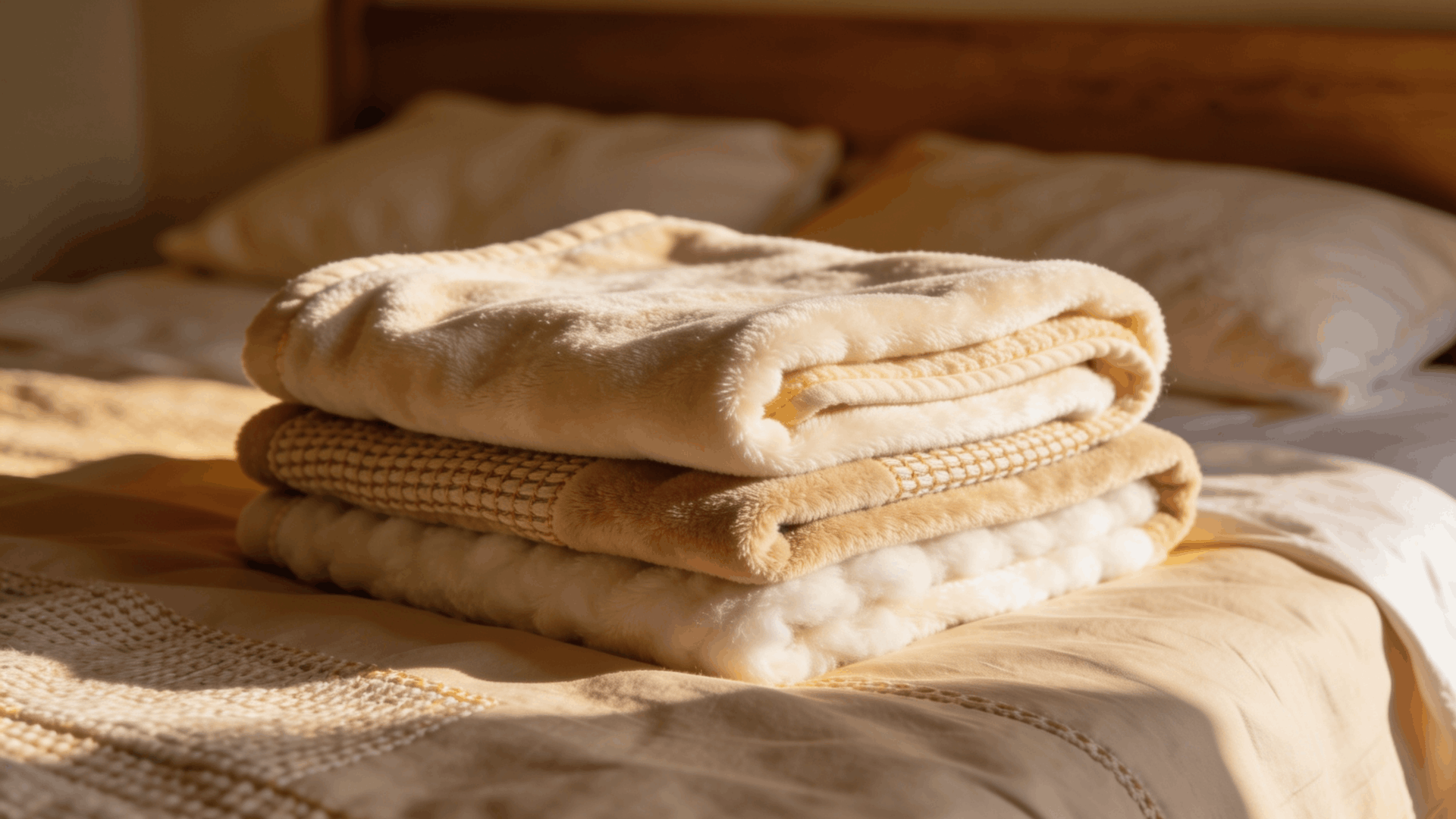
Blankets are simple bedding layers used for warmth. They can be placed between the sheet and comforter, or used alone in mild weather.
Blankets come in many materials, such as cotton, fleece, wool, and microfiber. A cotton blanket feels light and breathable. A wool blanket feels warmer and heavier.
Best uses:
- Extra warmth
- Seasonal layering
- Guest bedding
- Sofa comfort
- Bed styling
- Travel use
Recommended Products:
5. Comforters
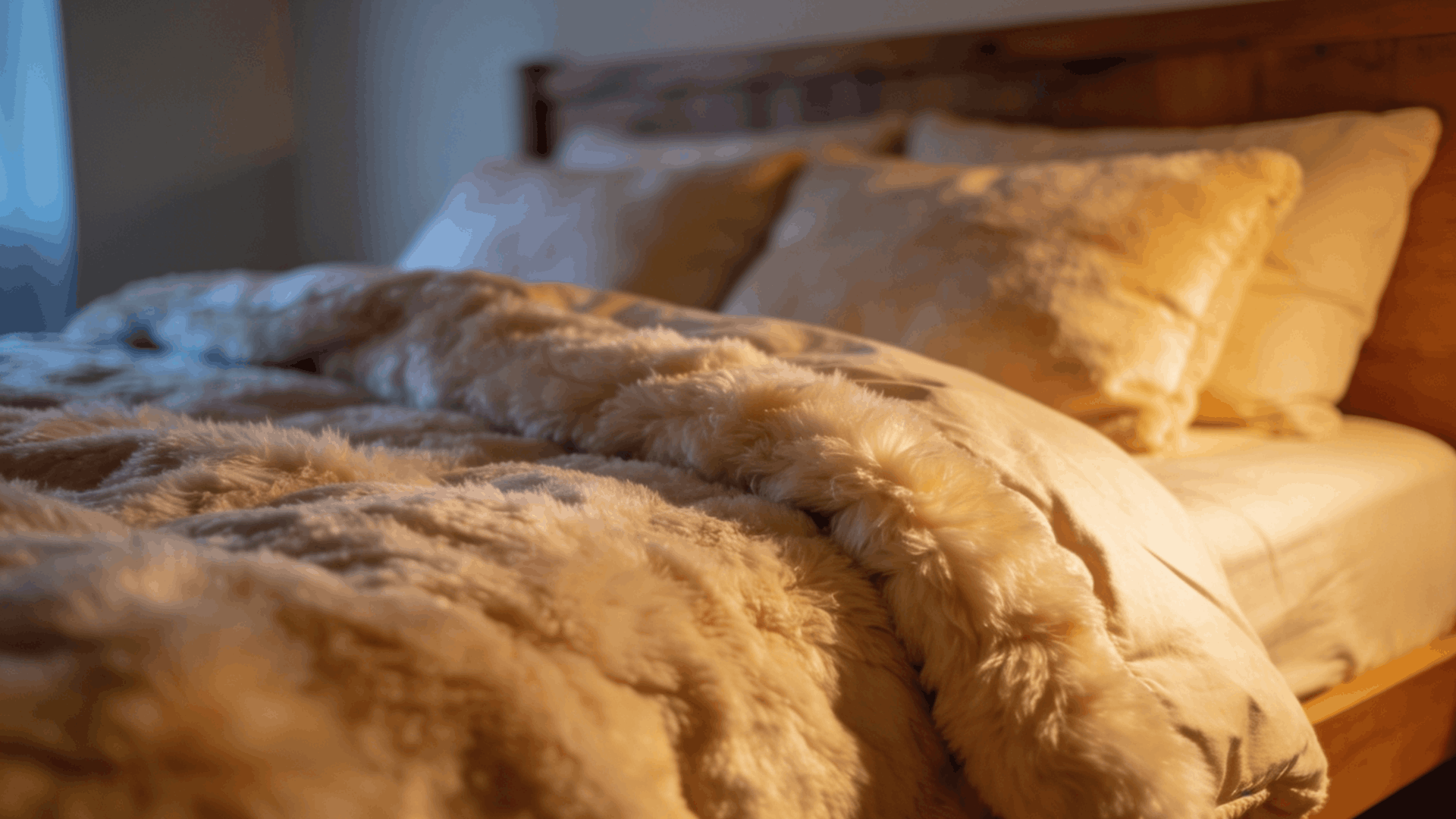
A comforter is a thick, fluffy bed cover filled with materials like polyester, down, or down alternative. It is usually stitched to keep the filling in place.
Comforters are easy to use because they serve as a single warm layer. Many people use them without a duvet cover, though some comforters can be layered with other bedding.
In a coverlet vs. comforter choice, pick a comforter for a soft, warm bed and a coverlet for a lighter, cleaner look.
Best uses:
- One-piece bedding
- Quick bed setup
- Winter use
- Guest rooms
- Dorm rooms
- Everyday warmth
Recommended Products:
6. Duvets
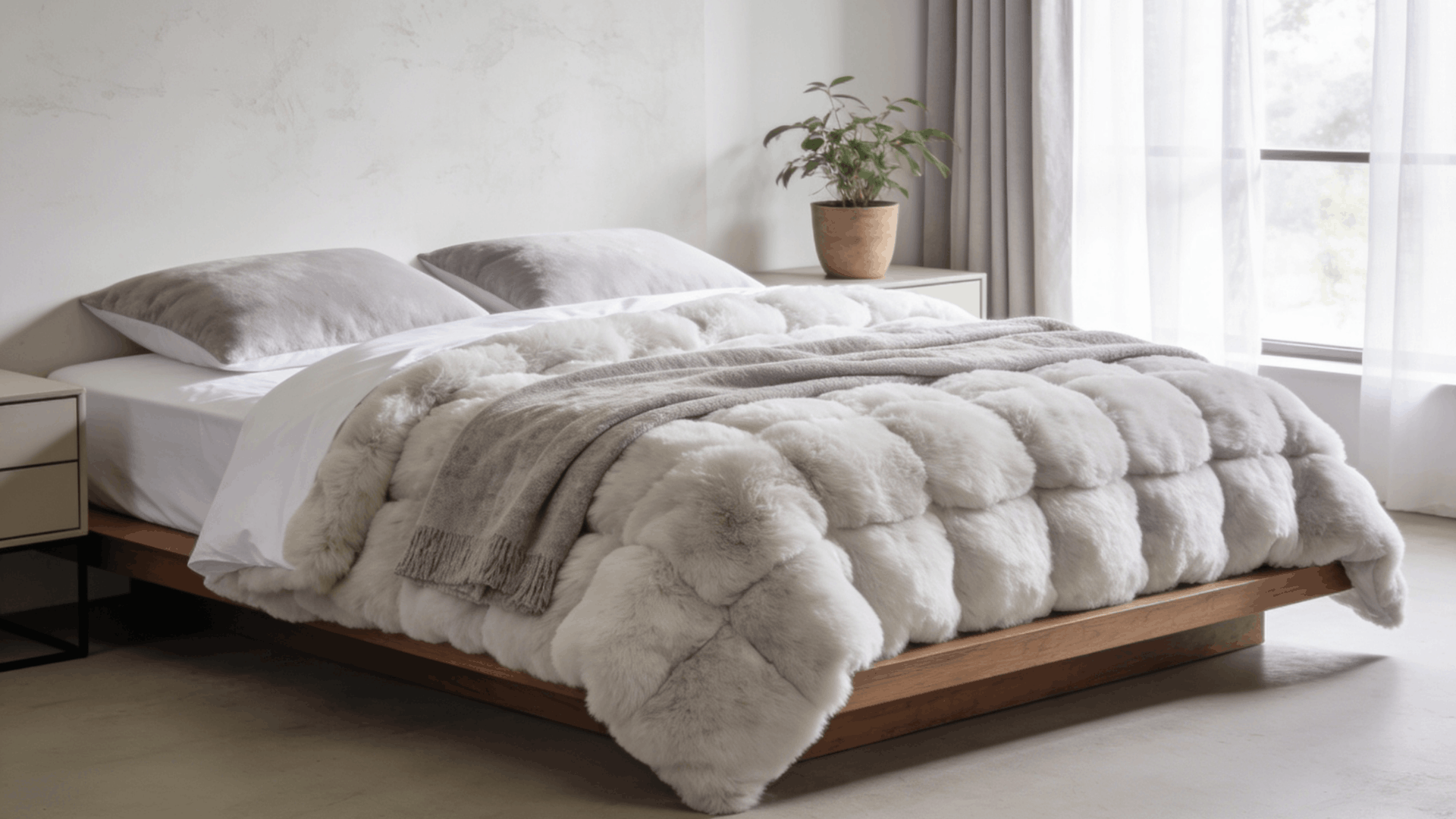
A duvet is a soft insert filled with down, feathers, wool, or synthetic fiber. It is usually used inside a removable duvet cover.
The duvet insert gives warmth, while the cover protects it and adds style. Since the cover can be removed and washed, duvets are practical for everyday use.
Best uses:
- Cold nights
- Fluffy bedding
- Easy styling
- Winter warmth
- Simple layering
- Cozy bedrooms
Recommended Product:
7. Quilts
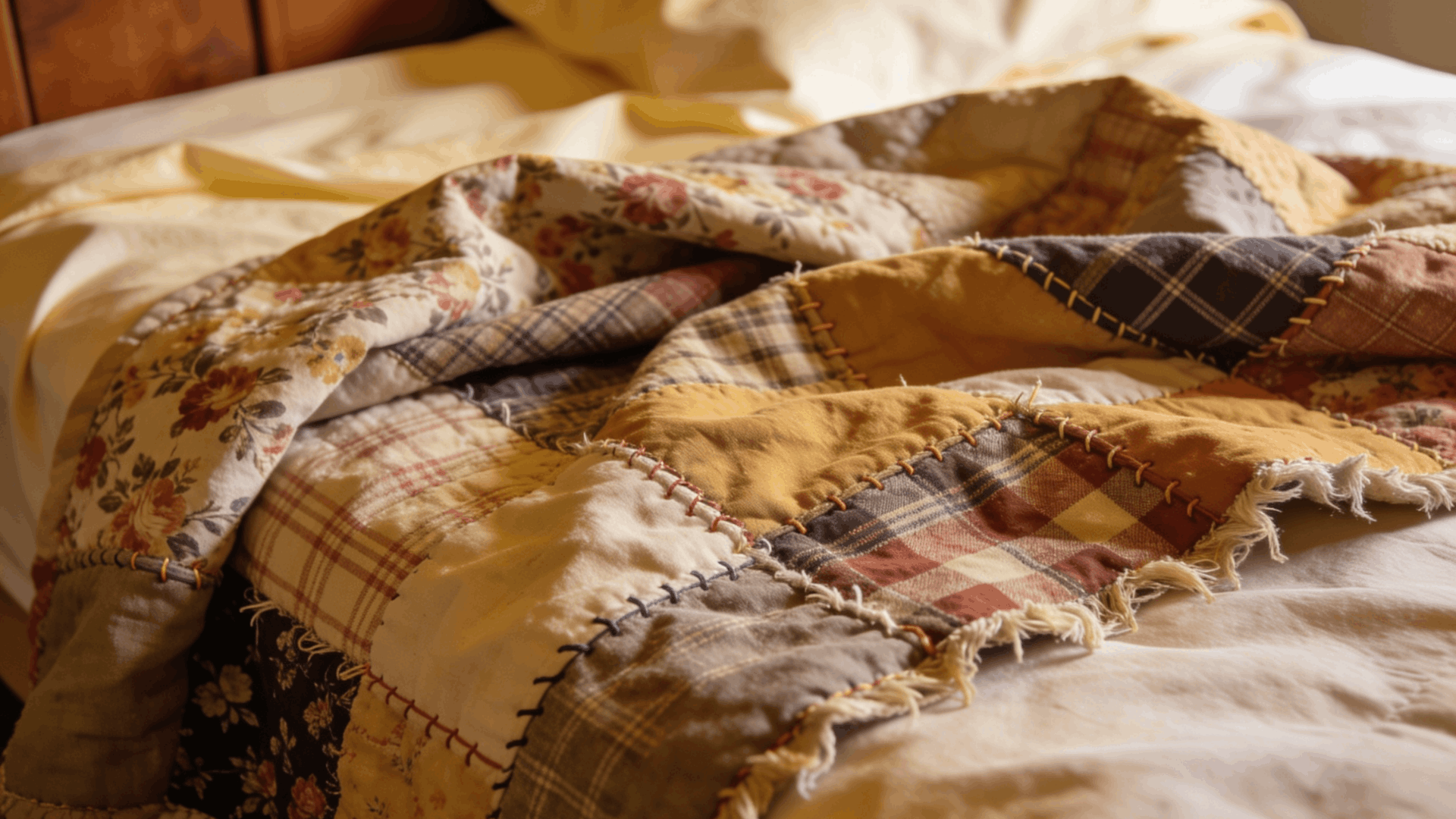
A quilt is made with three layers: a top fabric layer, middle filling, and bottom fabric layer. These layers are stitched together.
Quilts are often thinner than comforters but warmer than coverlets. They may have simple stitching, patchwork, or decorative patterns.
Best uses:
- Light warmth
- Summer bedding
- Layered beds
- Mild weather
- Guest rooms
- Classic styling
Recommended Products:
8. Coverlets

A coverlet is a lightweight bed cover used for style, light warmth, or layering. It is thinner than a quilt and usually does not feel bulky.
Coverlets are great for warm weather, guest rooms, and modern bedrooms. They can be used alone over sheets or folded at the foot of the bed.
Best uses:
- Light coverage
- Warm weather
- Bed styling
- Guest rooms
- Neat layering
- Decorative finish
Recommended Products:
9. Mattress Protectors
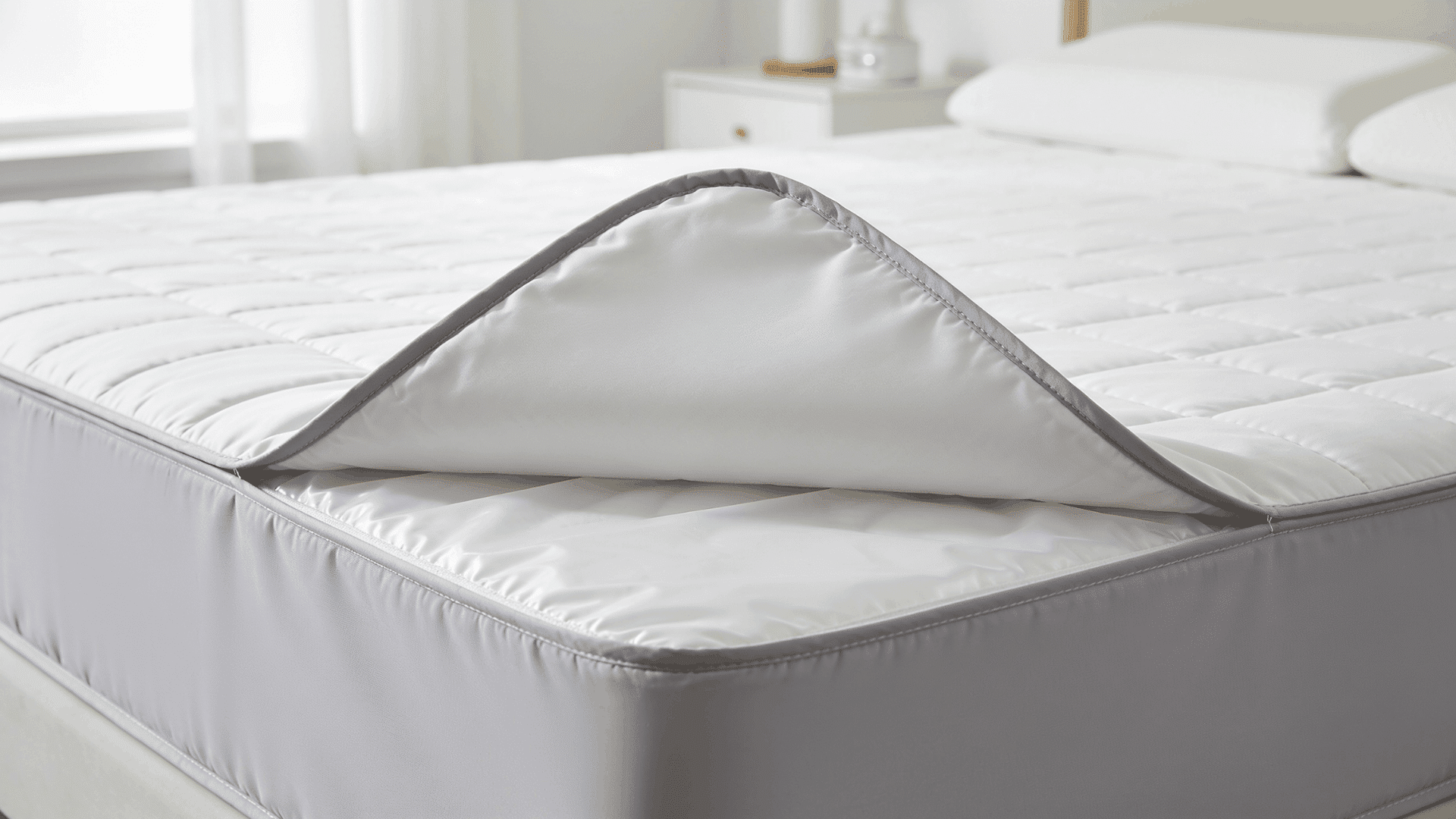
A mattress protector sits over the mattress to help protect it from spills, sweat, stains, dust, and allergens.
Some mattress protectors are waterproof. Others are made mainly for breathability and light protection. This is one of the most useful bedding items because it helps your mattress last longer.
Best uses:
- Spill protection
- Sweat protection
- Allergy control
- Kids beds
- Pet homes
- Mattress care
Recommended Products:
10. Bed Skirts
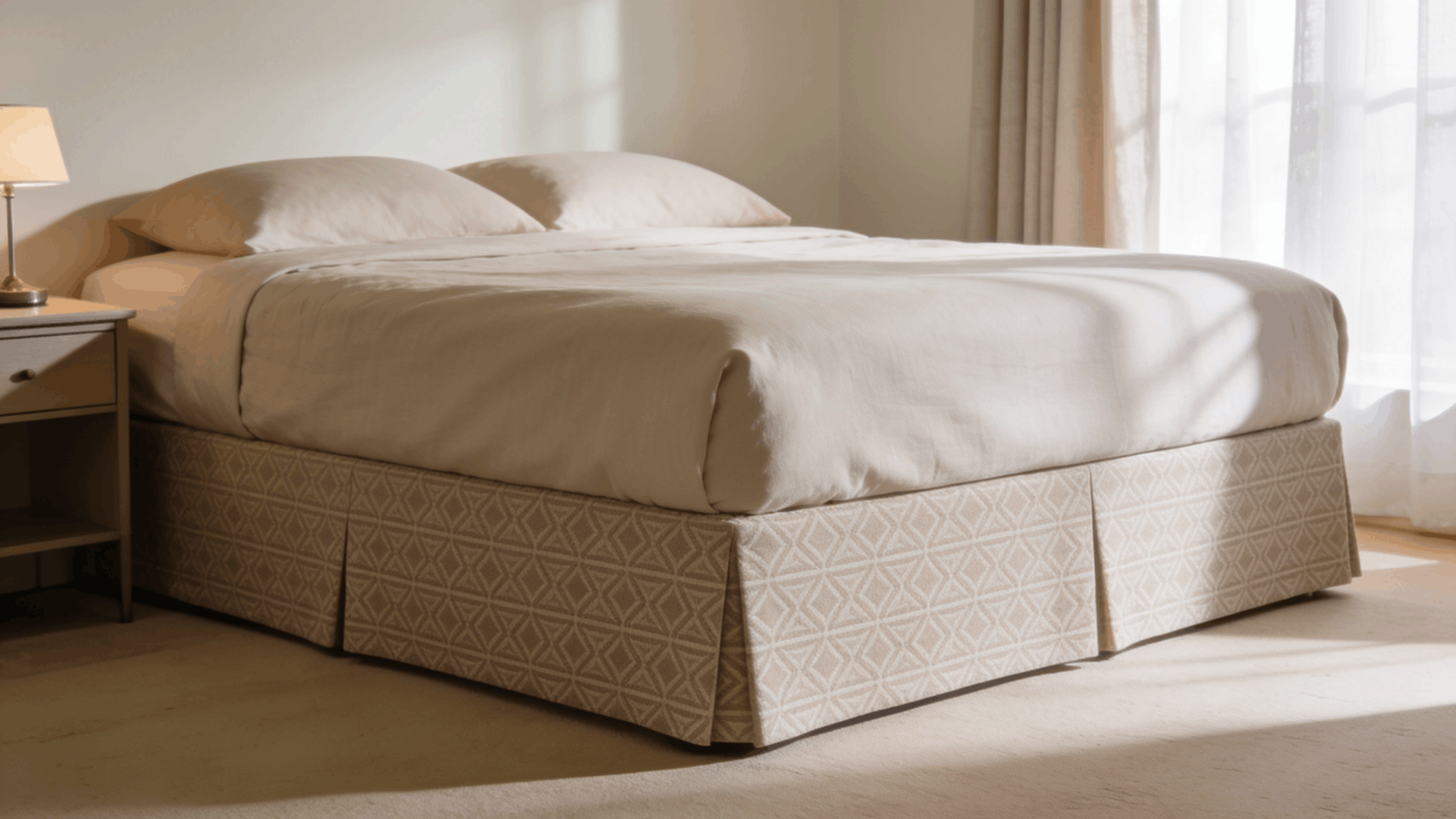
A bed skirt hangs from the edge of the mattress or box spring to cover the space under the bed. It is mainly decorative.
Bed skirts are useful if you store items under the bed or want a more finished look.
Best uses:
- Hiding storage
- Covering the bed frame
- Neat bedroom look
- Traditional styling
- Guest rooms
- Finished bed setup
Recommended Products:
11. Throws
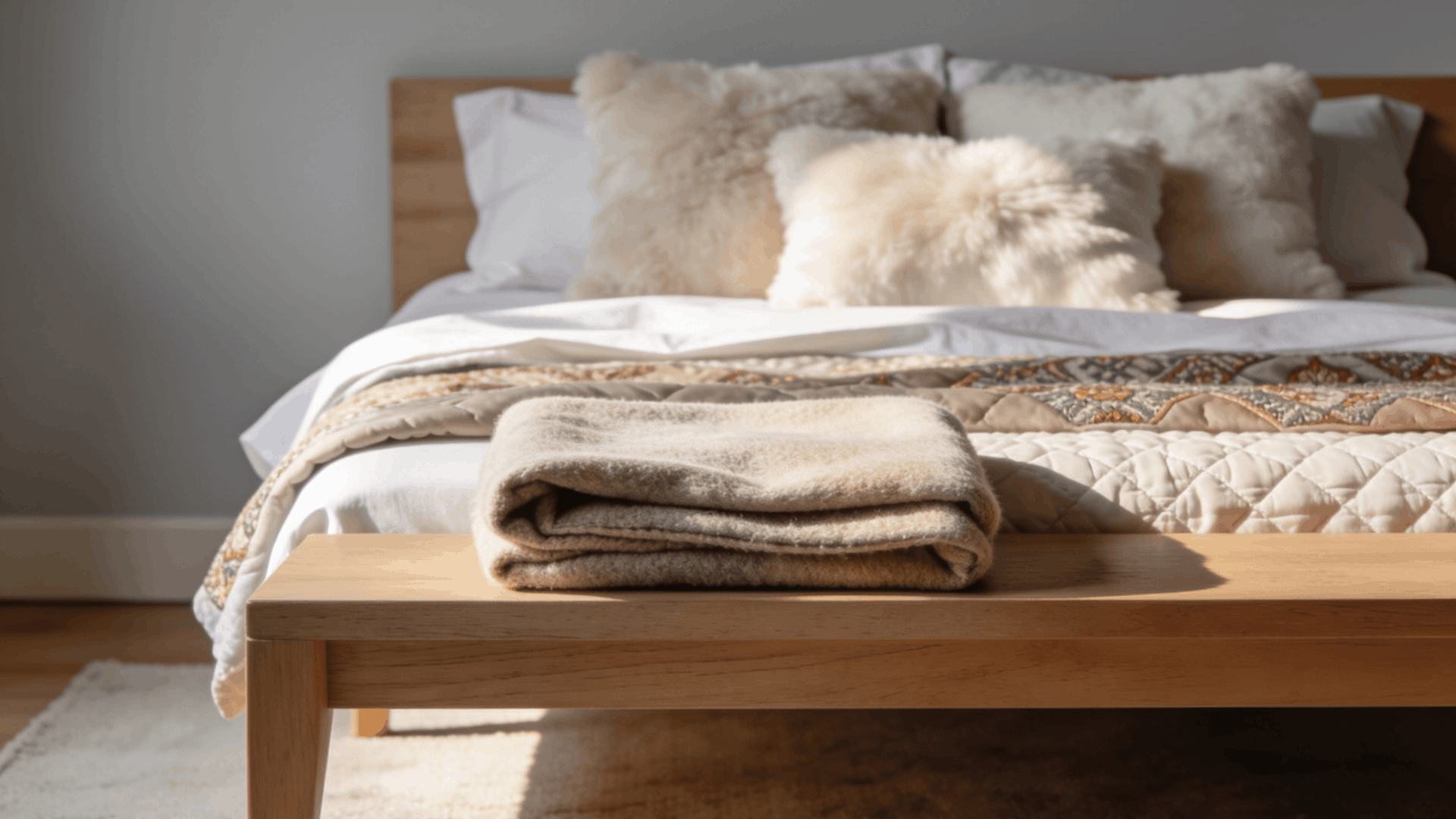
A throw is a small blanket often placed at the foot of the bed or over a chair. It can add color, texture, and quick warmth.
Throws are not usually meant to replace full bedding, but they are helpful for naps or extra coziness.
Best uses:
- Sofa styling
- Light warmth
- Bed decoration
- Reading comfort
- Guest comfort
Recommended Products:
Common Bedding Materials
The fabric you choose matters as much as the bedding type. Some materials feel cool. Some feel warm. Some are easy to wash, while others need more care.
1. Cotton Bedding

Cotton is one of those bedding materials that feels familiar and easy to trust. Most of us have slept on cotton sheets at some point, and there is a reason it stays popular.
It feels soft, breathable, and simple to wash. Cotton works well for sheets, pillowcases, duvet covers, quilts, and blankets, making it a safe everyday choice for almost any bedroom.
Best for:
- Everyday use
- Warm and cool climates
- Families
- People who want easy care
Cotton quality can vary. Long-staple cotton usually feels smoother and lasts longer.
2. Linen Bedding
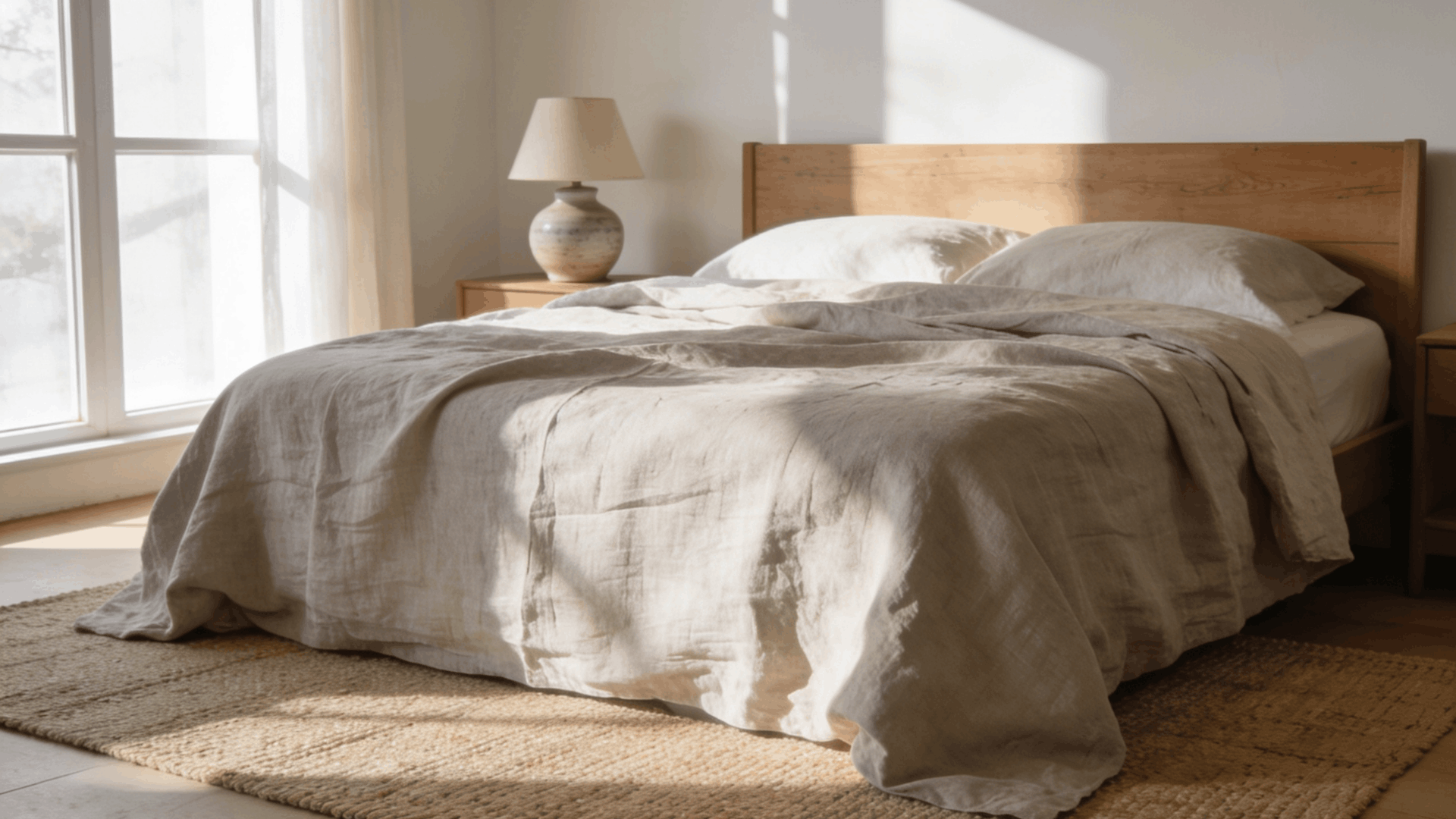
Linen bedding has a relaxed, airy feel that makes the bed look calm and natural. It works especially well in rooms with asoft, casual, andslightlylived-instyle.
It may feel a bit crisp at first, but it softens nicely with washing. Since it allows air to move well, linen is a smart pick for hot sleepers and warm weather.
Best for:
- Hot sleepers
- Summer bedding
- Relaxed bedroom style
- People who like natural texture
The main downside is that linen can feel rough at first and may cost more than basic cotton.
3. Bamboo Bedding
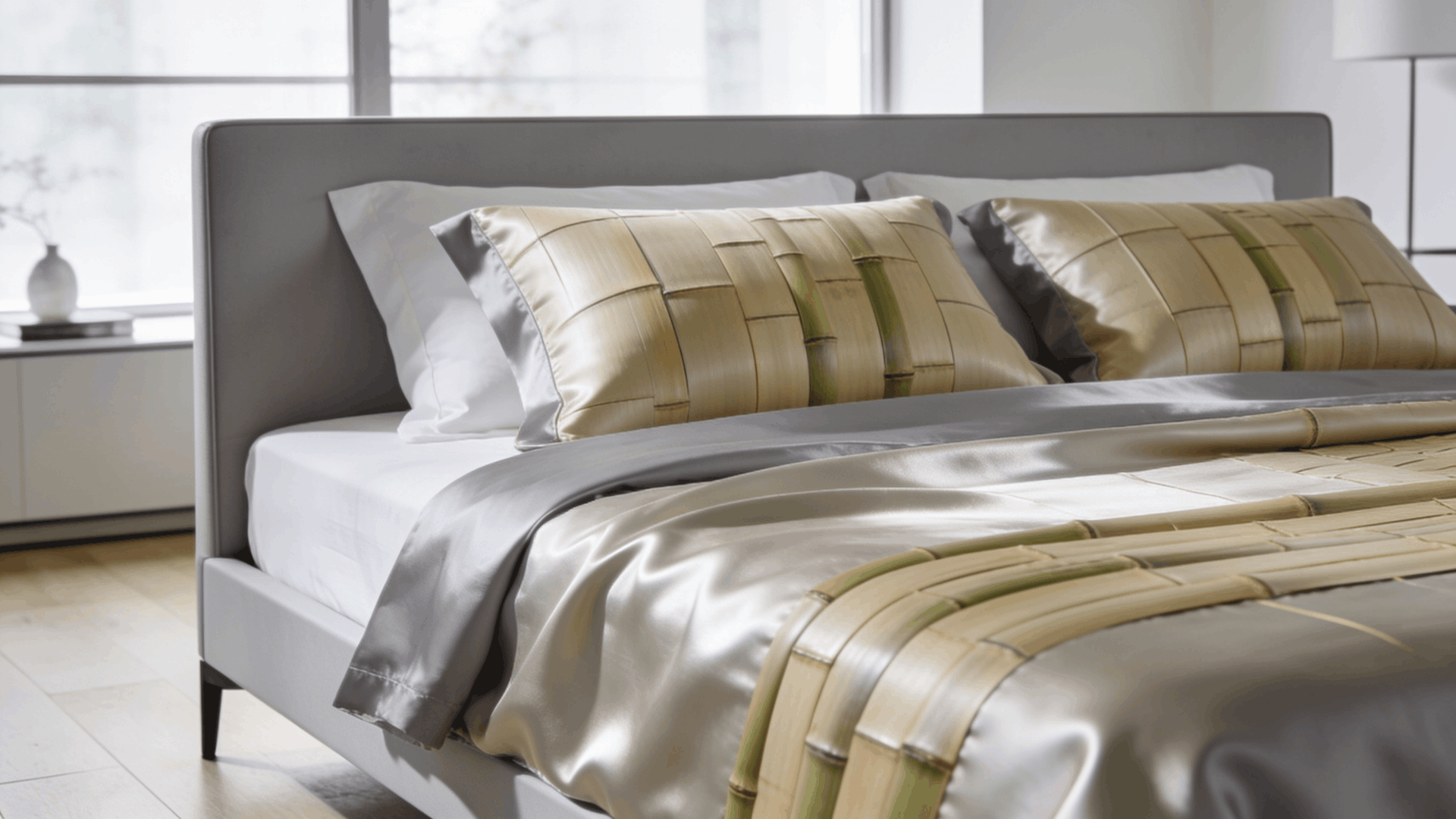
Bamboo bedding feels smooth and cool, almost like a softer, silkier version of everyday sheets. It is a nice option if you often wake up feeling warm or sticky at night.
Many people like bamboo because it handles moisture well and feels gentle on the skin. It works especially well for sheets, pillowcases, and duvet covers in warm or humid rooms.
Best for:
- Hot sleepers
- Sensitive skin
- Soft bedding lovers
- Humid climates
Tip: Always read the care label because some bamboo bedding needs gentle washing.
4. Silk Bedding
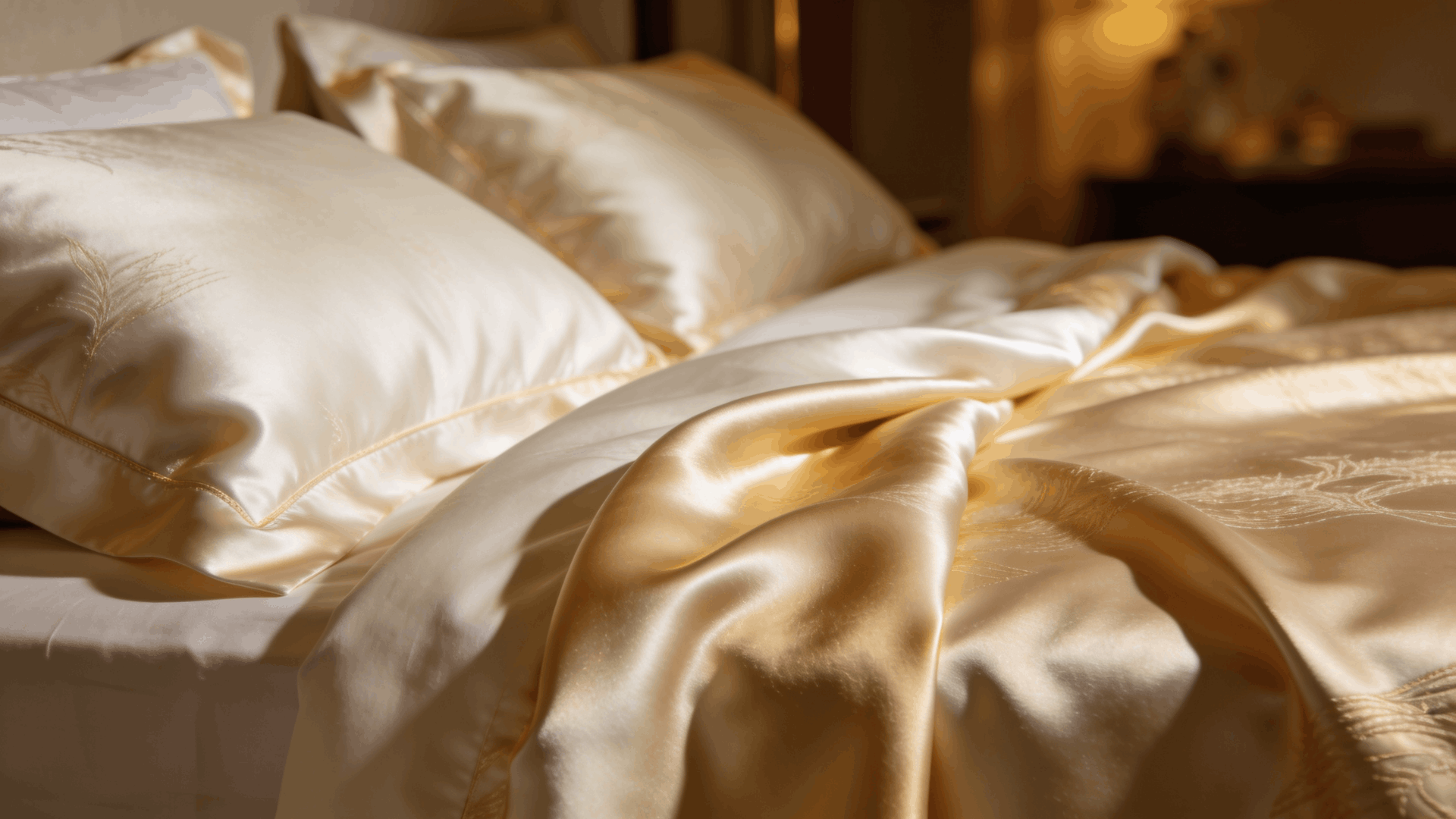
Silk bedding gives the bed a soft, luxury feel, even if you only use a silk pillowcase. I find silk especially useful for people who care about hair and skin comfort because it creates less rubbing than rougher fabrics.
It can feel cool and gentle, but it does need more careful washing. Silk is best for anyone who wants a smoother, more premium sleep surface.
Best for:
- Smooth skin feel
- Hair care
- Luxury bedding
- Warm sleepers
The downside is that silk can be expensive and may need careful washing.
5. Microfiber Bedding
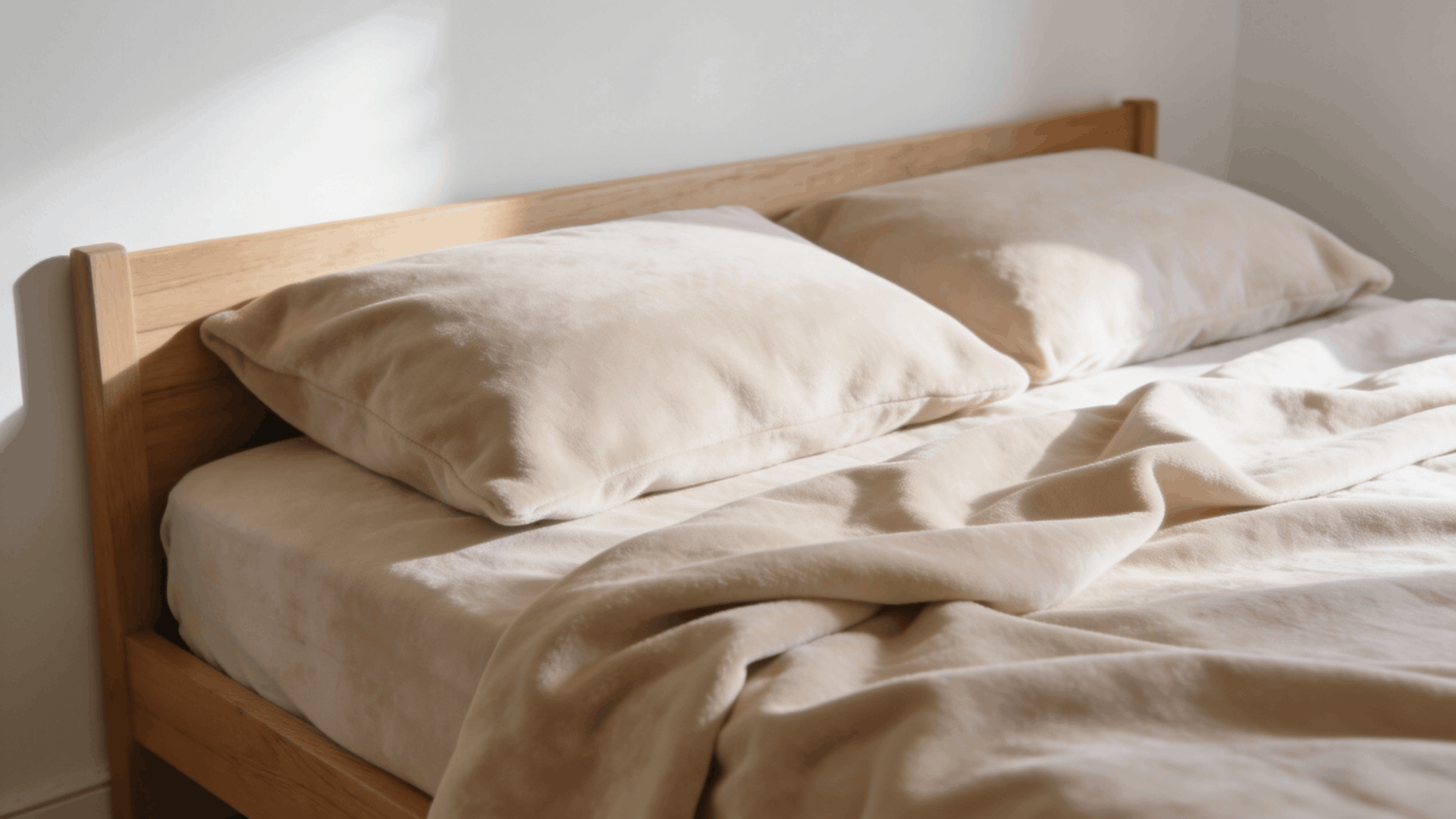
Microfiber bedding is a practical choice when you want something soft, easy, and budget-friendly. It is often used in kids’ rooms, guest rooms, and dorm rooms because it washes well and dries fast.
I like it for spaces where bedding needs to be simple to manage. The only thing to watch is heat, as microfiber can feel warmer than cotton or linen.
Best for:
- Budget bedding
- Guest rooms
- Kids rooms
- Easy washing
It may not be the best pick for people who sleep hot.
6. Flannel Bedding

Flannel bedding feels like the bedding version of a warm sweater. It is soft, cozy, and perfect for cold nights when regular sheets feel too cool.
Flannel sheets are especially helpful in winter or in bedrooms that stay chilly. I would not use them in hot weather, though, because they can feel too warm.
For cooler months, they make the bed feel extra inviting.
Best for:
- Cold sleepers
- Winter bedding
- Cabins and chilly rooms
- Cozy bed setups
How to Choose the Right Bedding
Choosing the right bedding becomes much easier when you think about how you sleep, not just how the bed looks. Some people need cool, breathable sheets because they wake up hot.
Others want thick blankets or a fluffy duvet because their room feels cold at night. Fabric, size, warmth, washing needs, and budget all matter.
I always think of bedding as a small comfort system, where each layer has a job. Once you understand what your body and room need, picking the right bedding feels less confusing and much more practical.
Before buying new bedding, it helps to look at a few simple factors that affect comfort, care, and everyday use.
- Think About Your Sleep Temperature – If you sleep hot, choose breathable fabrics like cotton or linen. Use lighter layers like coverlets and thin blankets. If you sleep cold, choose warmer bedding like flannel sheets, quilts, duvets, or comforters.
- Match Bedding to the Season – Bedding should change with the weather, just like clothes do. In summer, light cotton or linen sheets with a thin quilt can feel fresh and comfortable. In winter, flannel sheets, warm blankets, or a duvet make the bed cozier.
- Check the Mattress Size – Always match bedding to your mattress size. Common bed sizes include twin, twin XL, full, queen, king, and California king. Also check mattress depth. A thick mattress may need deep pocket fitted sheets.
- Look at Care Instructions – Some bedding is easy to machine wash. Other bedding may need gentle washing, air drying, or dry cleaning. For daily use, easy-care bedding is usually best.
- Choose a Style That Fits the Room – Bedding can change the mood of the bedroom. White or beige bedding feels clean and calm. Patterned quilts feel cozy and classic. Solid coverlets can make a room look modern and neat.
Best Bedding Choices by Season
Your bedding should change with the seasons because your sleep needs are not the same year-round. In summer, the goal is to stay cool and avoid heavy layers. In winter, warmth becomes more important, so thicker sheets, blankets, and duvets can help.
Spring and rainy weather often call for flexible bedding that feels comfortable without getting too hot.
When you choose the right layers for each season, your bed feels fresher, easier to manage, and more comfortable every night. I always think of seasonal bedding like dressing your bed for the weather.
The table below provides a quick overview of which bedding works best in each season, so readers can choose the right layers without overthinking.
| Season | Best Bedding Choices | Why It Works |
|---|---|---|
| Summer | Cotton sheets, linen sheets, thin quilt, or coverlet | Keeps the bed light cool and breathable |
| Winter | Flannel sheets, wool blanket, duvet, or comforter | Adds warmth and makes the bed feel cozy |
| Spring | Cotton sheets, light blanket, medium quilt | Gives comfort without feeling too heavy |
| Rainy or Humid Weather | Bamboo sheets, cotton sheets, thin blanket | Helps the bed feel fresh and less sticky |
| Guest Room | All-season sheets, extra throw blanket | Let guests adjust warmth as they need |
Key Takeaway
Understanding different types of bedding helps you build a bed that feels comfortable, clean, and right for your lifestyle. Sheets and pillowcases touch your skin, so they should feel soft and breathable.
Pillows support your neck and head. Blankets, quilts, duvets, comforters, and coverlets add warmth, style, or both. Mattress protectors, pads, and toppers help protect the bed and improve comfort.
The best bedding choice depends on your sleep temperature, room climate, bed size, fabric preference, and care needs. You do not need every bedding item at once.
Start with the basics, then add layers based on the season and your comfort. Choose bedding that helps you sleep better and makes your bedroom feel calm and inviting.
Start with one bedding upgrade today and build a more comfortable bed one layer at a time.
Frequently Asked Questions
What Bedding is Best for Hot Sleepers?
Hot sleepers often do better with cotton or linen sheets, light blankets, and coverlets instead of heavy comforters.
How Often Should Bedding be Washed?
Sheets and pillowcases should usually be washed weekly. Blankets, quilts, duvets, and protectors can be washed less often based on use.
What Bedding is Best for Winter?
Winter bedding may include flannel sheets, wool blankets, quilts, duvets, or thick comforters for extra warmth and comfort.
Do I Need a Flat Sheet?
You do not always need a flat sheet, but it can keep blankets and duvets cleaner for longer.