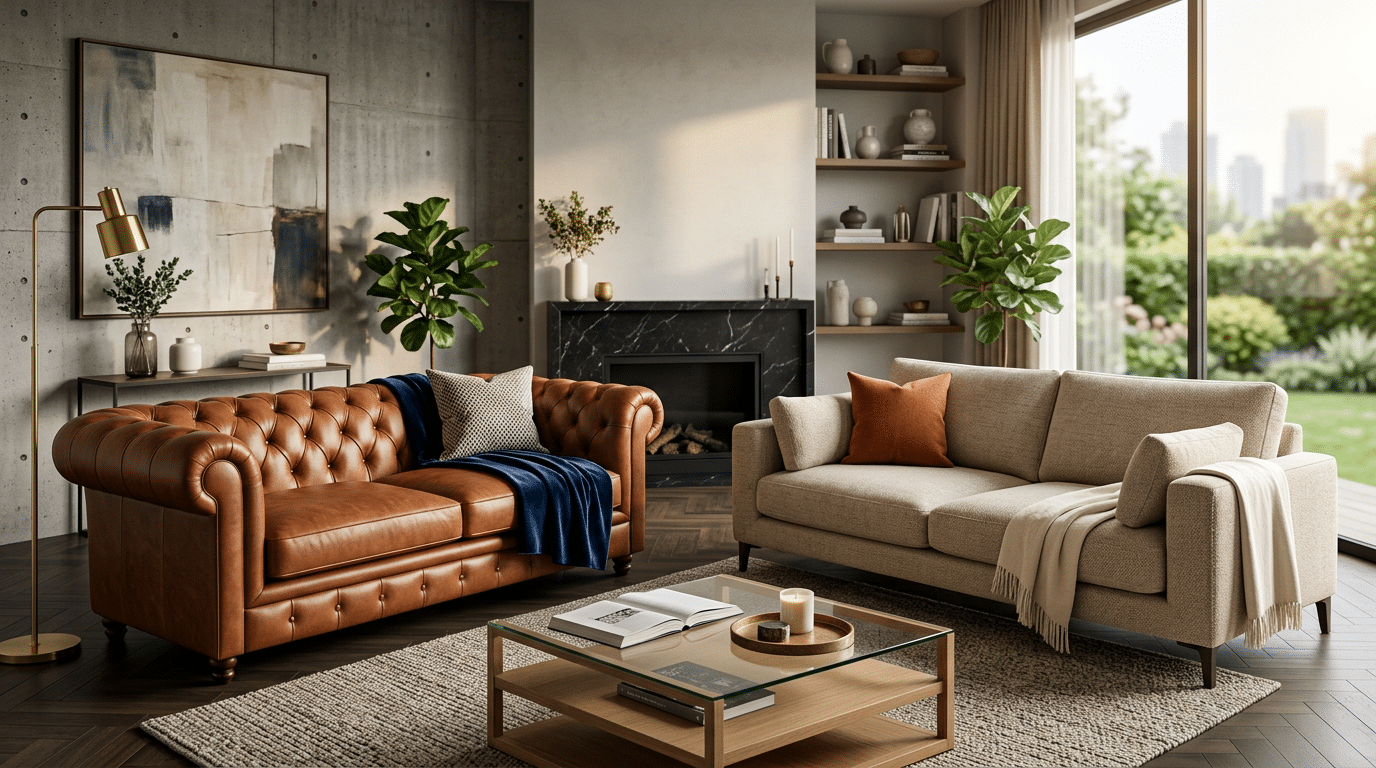
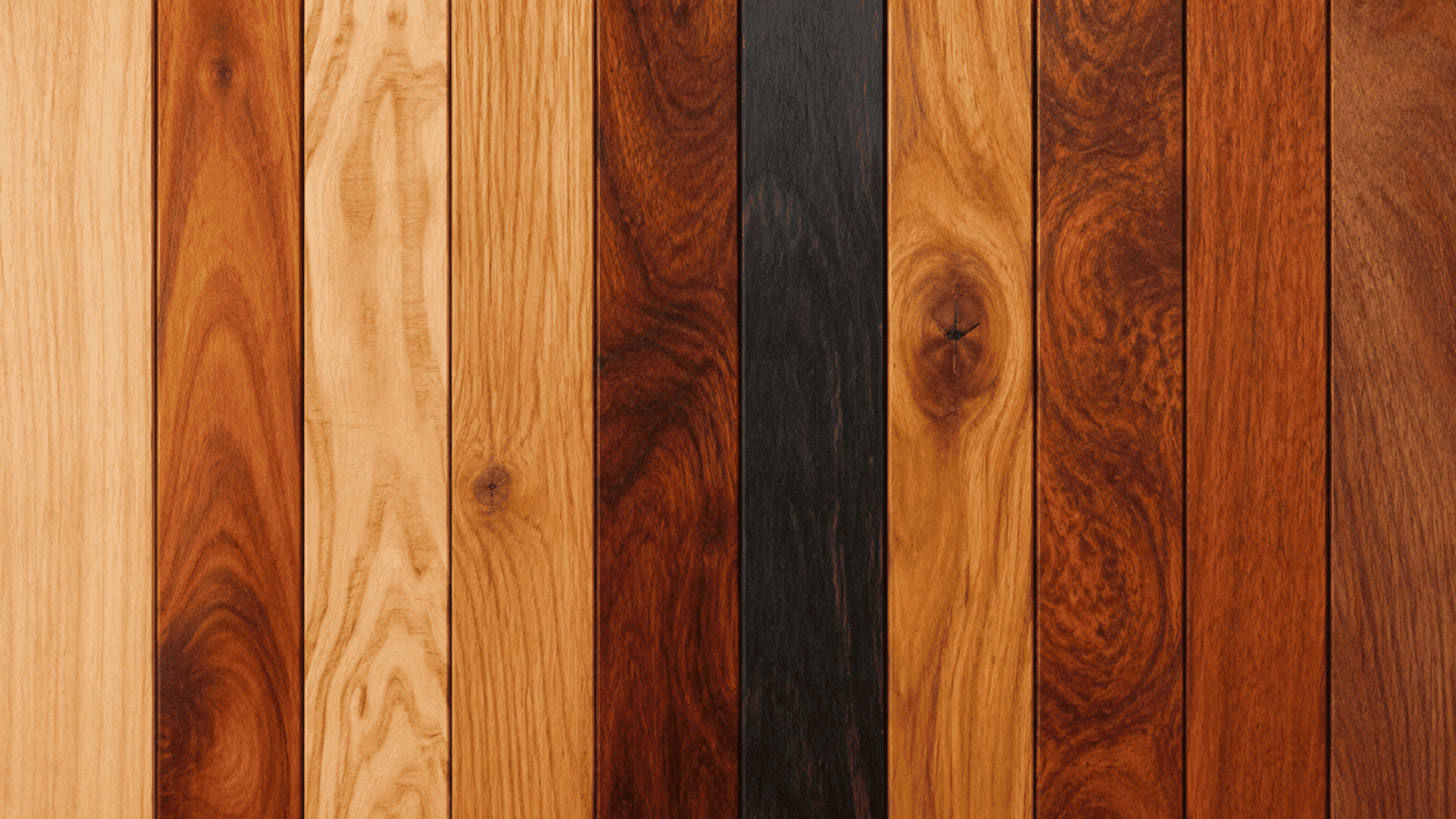
Buying furniture is not always as simple as picking a style you like. After seven years working in furniture planning and home design, I can tell you that the type of wood matters just as much as the design, sometimes more.
I’ve watched the right wood keep furniture looking sharp for decades, and I’ve seen the wrong choice lead to scratches, warping, and disappointment within a year or two.
Learning how to choose the best wood for your furniture is one of the most practical things you can do before spending money on a piece you expect to keep for years.
In this guide, I’ll walk you through every major wood category: hardwoods, softwoods, engineered woods, and luxury options.
You’ll also find out which woods work best for indoor versus outdoor use, how to stretch your budget without sacrificing quality, and the most common mistakes buyers make and how to avoid them.
Why Choosing the Right Wood Matters for Furniture
When I look at furniture, I don’t just focus on the design anymore. The type of wood matters just as much because it affects how long the furniture lasts and how well it handles daily use.
A table or bed may look great in the store, but the wrong wood can lead to scratches, dents, or warping over time.
The right wood can save you money in the long run.
Strong and durable woods usually last much longer, which means you may not need to replace your furniture as quickly.
Some woods also handle moisture, heat, and heavy use better than others.
I also think wood changes the overall feel of a room. Light woods can make a space feel simple and modern, while darker woods often give furniture a warmer and richer look.
Not every wood works for every furniture type. For example, a wood that works well for a bookshelf may not be the best choice for outdoor furniture or dining tables.
That’s why it helps to compare durability, maintenance, cost, and appearance before buying anything.
Best Hardwood Options for Furniture
Hardwoods are popular because they are strong, durable, and built for long-term use.
I recommend them if you want furniture that handles daily wear while still looking good over time.
1. Oak
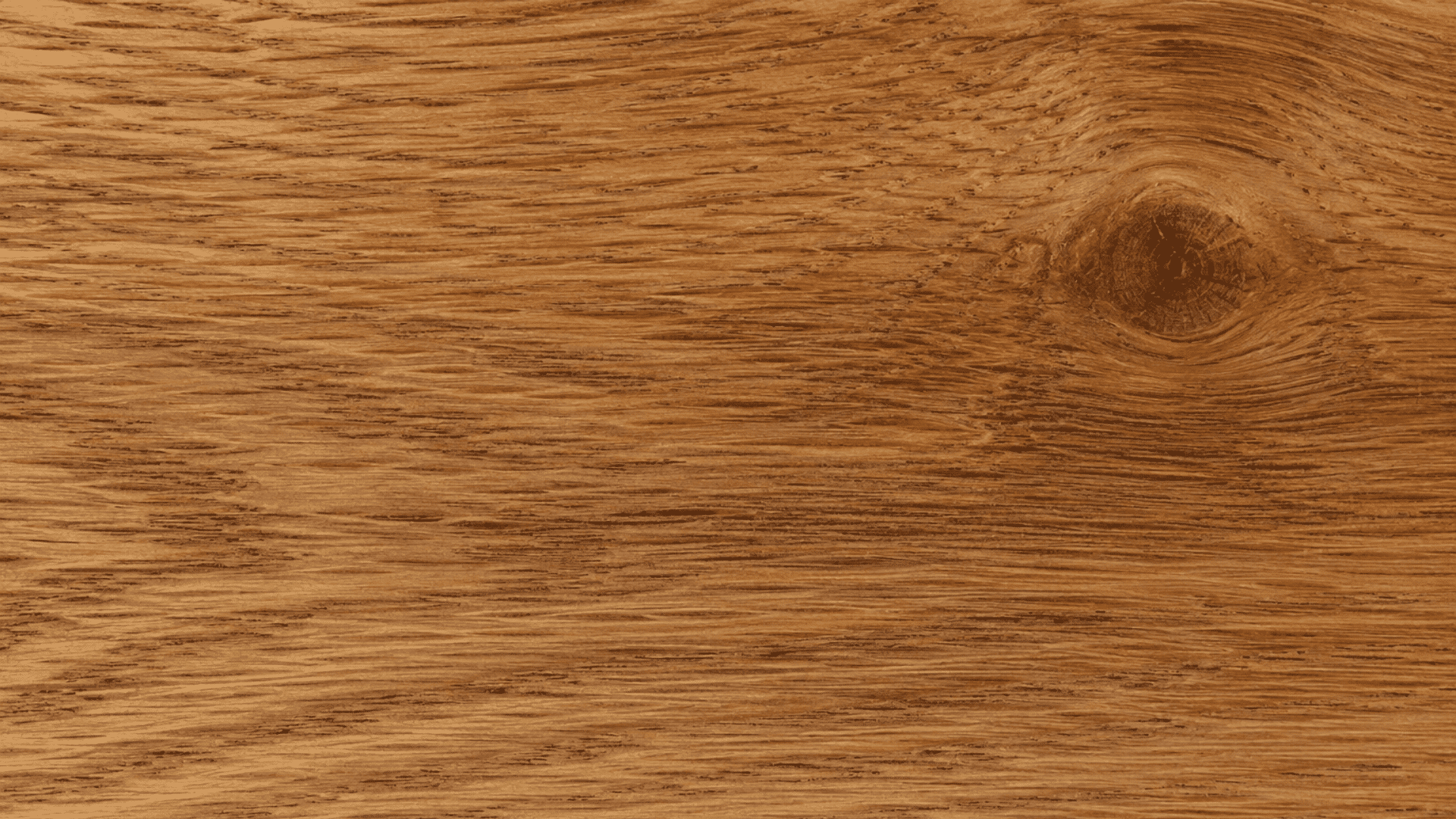
Oak is one of the most widely used hardwoods for furniture because it is strong and dependable. I think it works well for families since it handles daily use better than many softer woods.
You’ll often see oak used in dining tables, cabinets, and bed frames. It has a noticeable grain pattern that gives furniture a natural look without feeling too busy.
Oak is also known for its long lifespan. The furniture can feel heavy, but that extra weight often makes it feel more solid and durable in everyday use around the home.
| Category | Oak Wood Rating |
| Durability | 9/10 |
| Strength | 9/10 |
| Grain Size | Medium to Large |
| Water Resistance | 6/10 |
| Scratch Resistance | 8/10 |
| Ease of Workability | Medium |
| Indoor or Outdoor Use | Mainly Indoor |
| Luxury Appeal | High |
| Popularity in Modern Furniture | Very High |
| Affordability | Medium |
| Overall Performance Score | 9/10 |
2. Maple
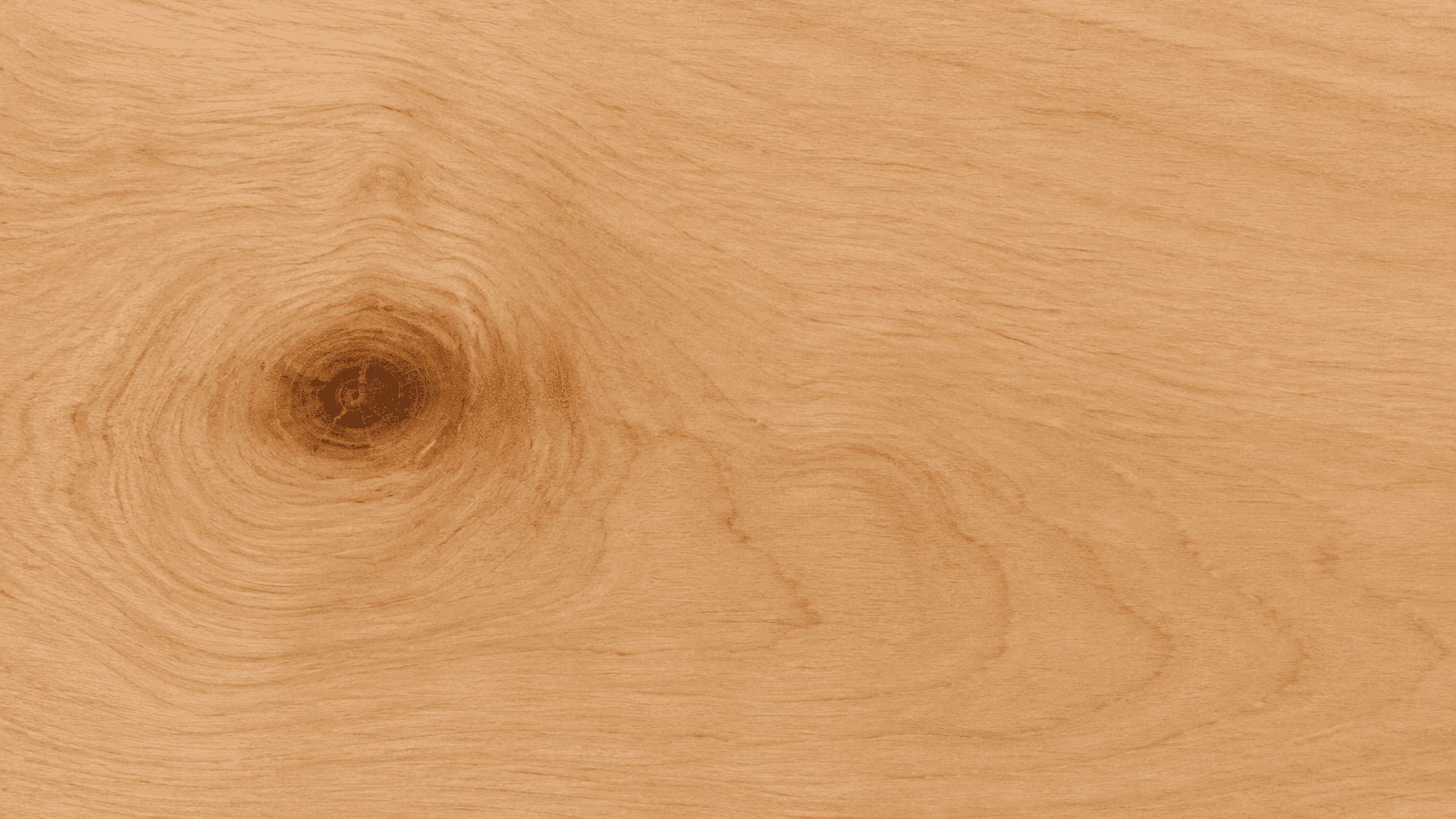
Maple is a hardwood that has a clean and smooth appearance, which makes it popular in modern furniture.
I like it because it resists dents and scratches better than many other woods.
That makes it useful for desks, dressers, and kitchen tables that get daily use. Maple also takes paint and stain well, so you can find it in many different finishes and colors.
It is one of the best choices for strong indoor furniture. Some people may find the grain simple, but that simple look works nicely in many homes.
| Category | Maple Wood Rating |
| Durability | 9/10 |
| Strength | 9/10 |
| Grain Size | Fine |
| Water Resistance | 6/10 |
| Scratch Resistance | 9/10 |
| Ease of Workability | Medium |
| Indoor or Outdoor Use | Mainly Indoor |
| Luxury Appeal | Medium High |
| Popularity in Modern Furniture | High |
| Affordability | Medium |
| Overall Performance Score | 9/10 |
3. Walnut
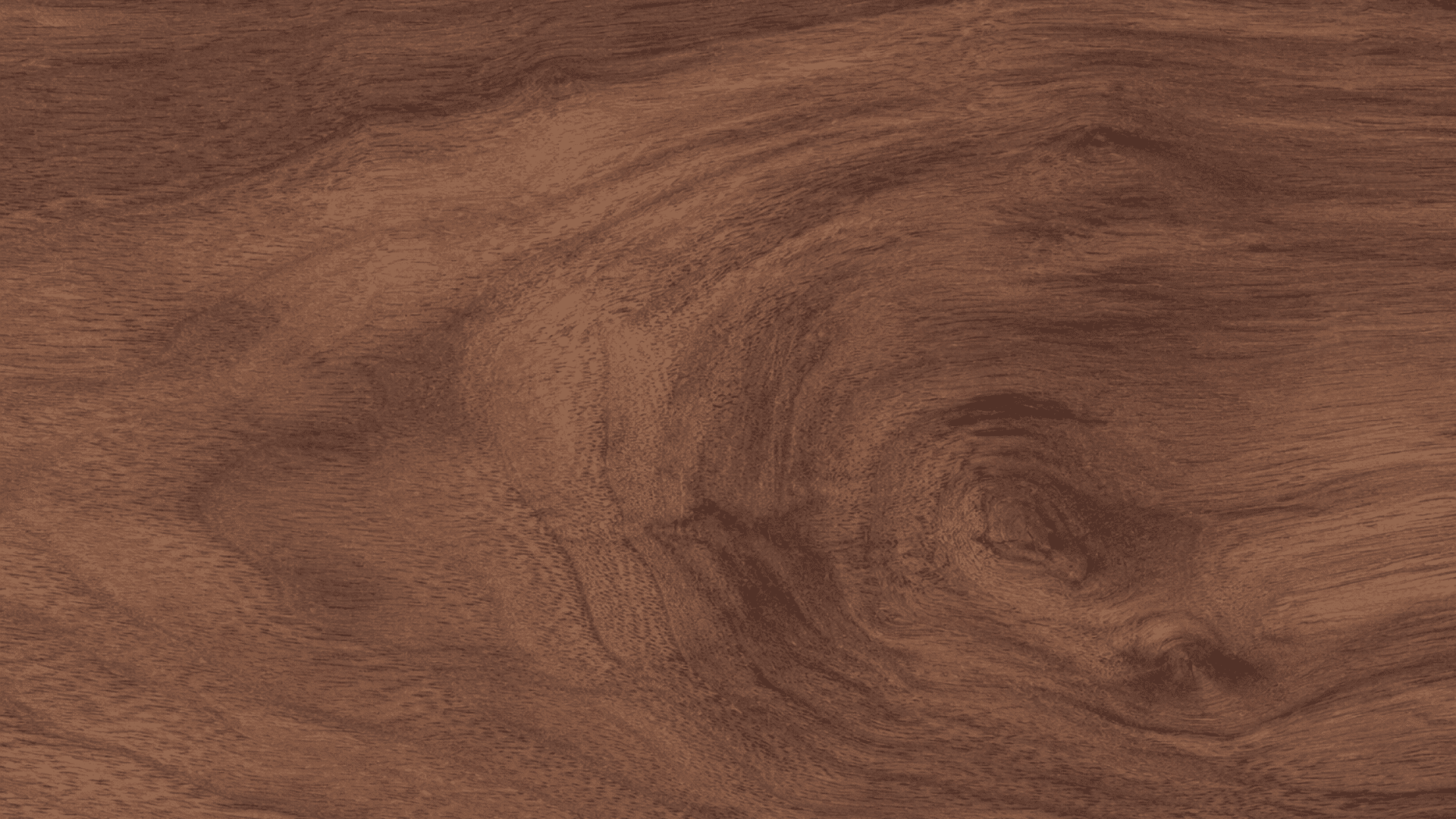
Walnut is a premium hardwood known for its darker brown color and smooth grain pattern. I often notice walnut furniture in offices and higher-end homes because it has a rich and polished appearance.
It is strong enough for everyday furniture and still feels stylish without too much decoration. Walnut is commonly used for coffee tables, shelves, and bed frames.
It is a great choice if appearance matters as much as durability.
The biggest downside is the price, since walnut furniture usually costs more than common woods like oak or pine.
| Category | Walnut Wood Rating |
| Durability | 9/10 |
| Strength | 8/10 |
| Grain Size | Medium |
| Water Resistance | 6/10 |
| Scratch Resistance | 8/10 |
| Ease of Workability | Medium |
| Indoor or Outdoor Use | Mainly Indoor |
| Luxury Appeal | Very High |
| Popularity in Modern Furniture | High |
| Affordability | Expensive |
| Overall Performance Score | 9/10 |
4. Cherry
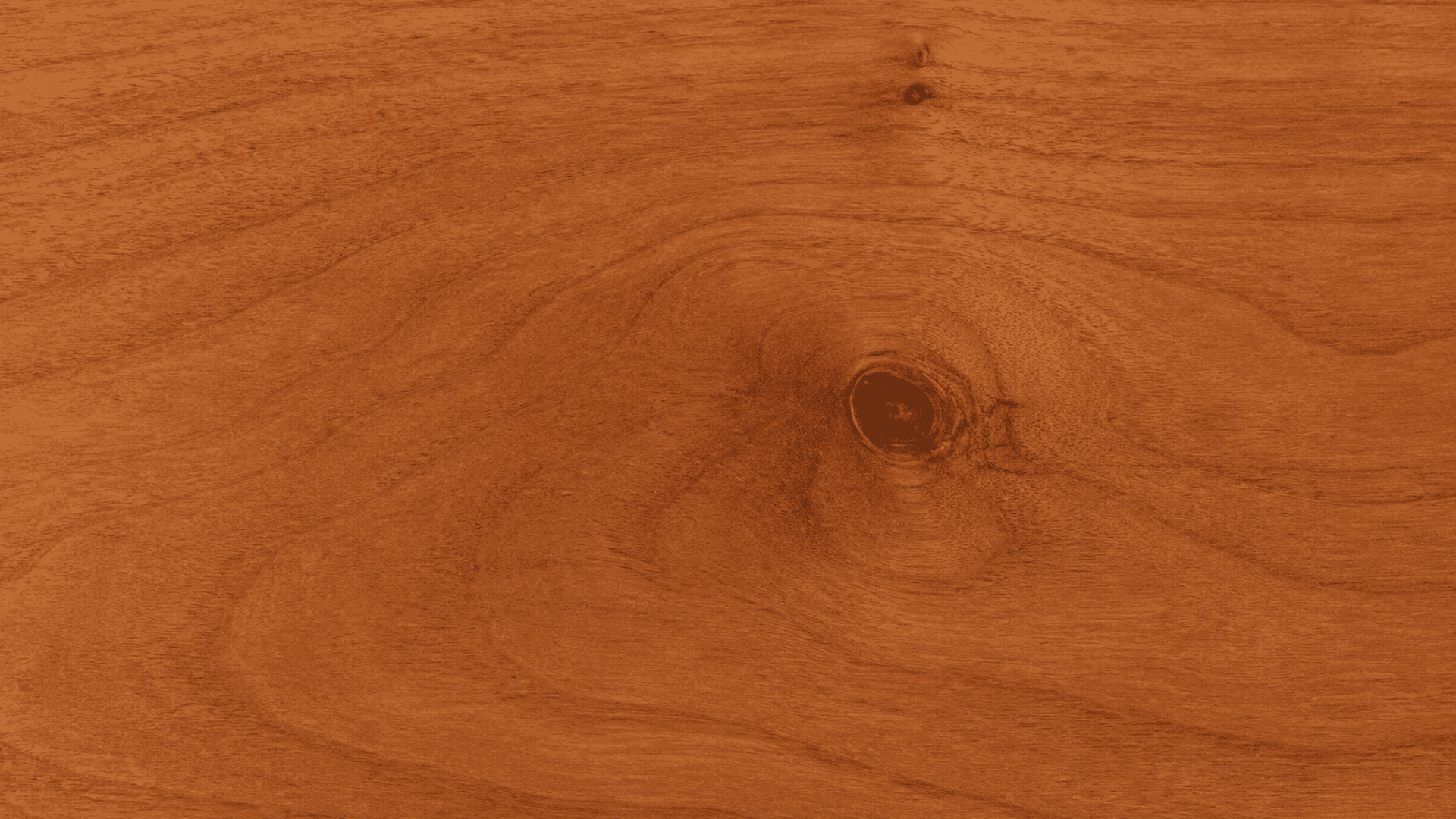
Cherry wood is popular for its warm color and smooth texture. I like how it gradually darkens, giving furniture a more mature, natural look as it ages.
Cherry is often used in bedroom sets, cabinets, and dining furniture because it looks clean without feeling too formal.
It is durable, though not as hard as maple or oak, so it may scratch more easily with rough use.
Cherry works best for indoor furniture that gets normal daily use. It also blends well with both classic and modern home styles.
| Category | Cherry Wood Rating |
| Durability | 8/10 |
| Strength | 8/10 |
| Grain Size | Fine |
| Water Resistance | 6/10 |
| Scratch Resistance | 7/10 |
| Ease of Workability | Easy |
| Indoor or Outdoor Use | Mainly Indoor |
| Luxury Appeal | High |
| Popularity in Modern Furniture | High |
| Affordability | Expensive |
| Overall Performance Score | 8/10 |
5. Teak
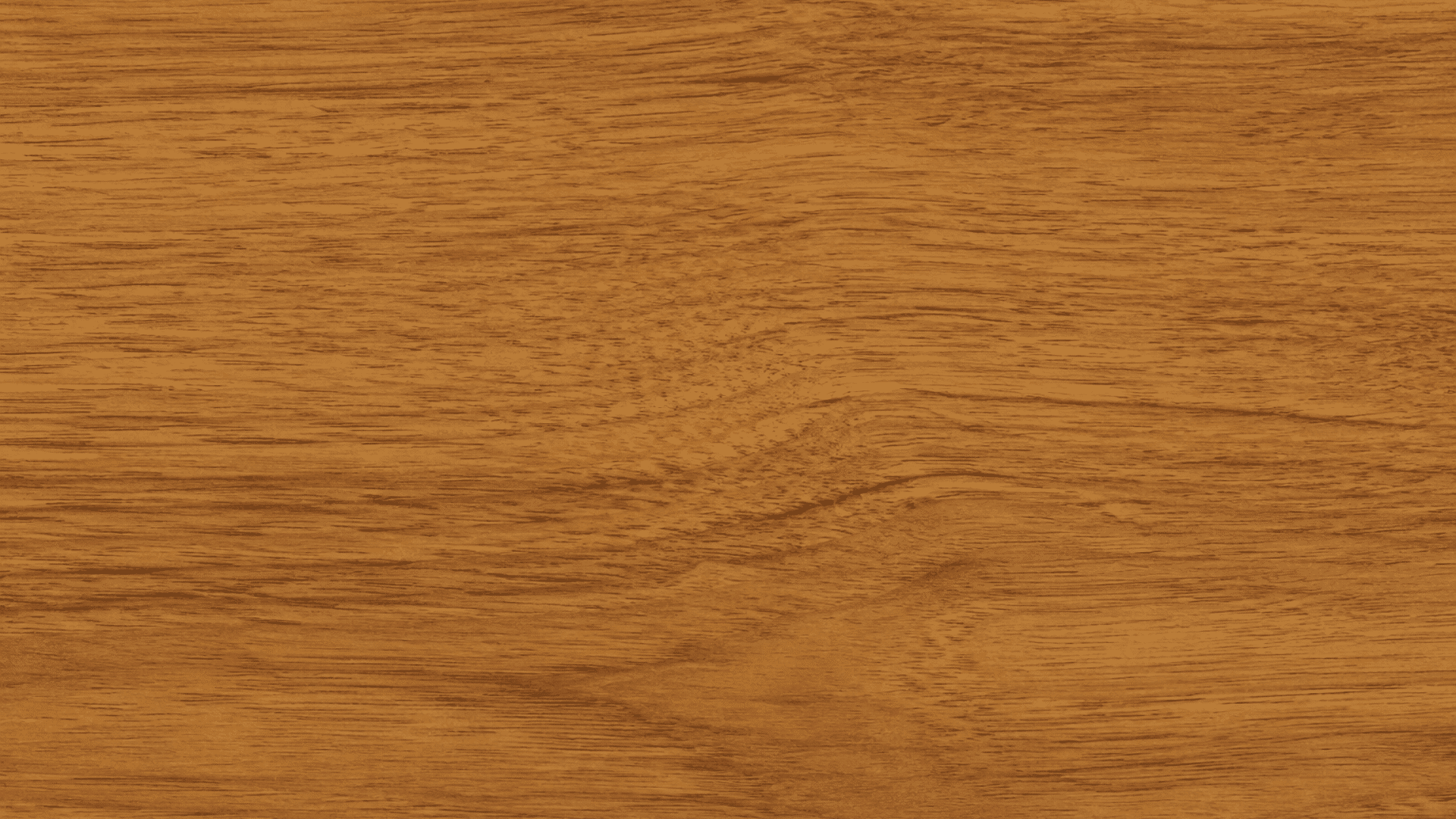
Teak is one of the strongest hardwoods for both indoor and outdoor furniture. I recommend it for patios or humid areas because it naturally resists water, pests, and weather damage.
The wood contains oils that help protect it without needing heavy maintenance.
Teak also has a smooth texture and warm golden-brown color that many people like. It is one of the best long-lasting furniture woods available today.
The only issue is the cost since teak furniture can be expensive, especially when compared to softer woods or engineered wood options.
| Category | Teak Wood Rating |
| Durability | 10/10 |
| Strength | 9/10 |
| Grain Size | Medium |
| Water Resistance | 10/10 |
| Scratch Resistance | 8/10 |
| Ease of Workability | Medium |
| Indoor or Outdoor Use | Indoor and Outdoor |
| Luxury Appeal | Very High |
| Popularity in Modern Furniture | High |
| Affordability | Very Expensive |
| Overall Performance Score | 10/10 |
6. Mahogany
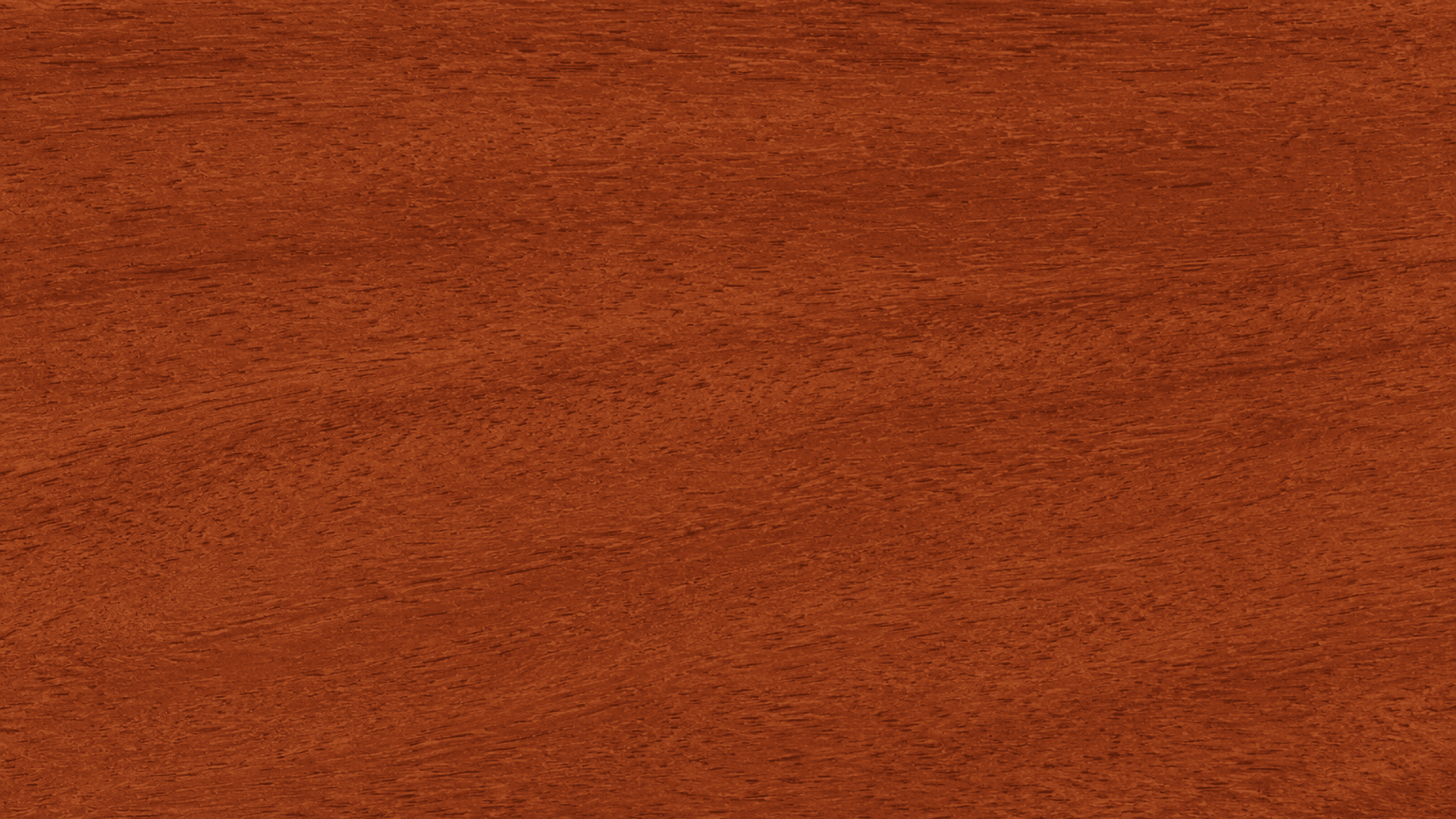
Mahogany is often linked with luxury furniture because of its deep color and smooth finish. It works best for large furniture pieces like dining tables, cabinets, and office desks.
The wood is durable and stable, so it resists warping better than many cheaper options. Mahogany also has a fine grain that gives furniture a cleaner appearance without needing too much extra design.
It is a strong hardwood for long-term indoor furniture use.
The price can be high, but many people choose mahogany because it keeps its appearance and strength for many years.
| Category | Mahogany Wood Rating |
| Durability | 9/10 |
| Strength | 9/10 |
| Grain Size | Fine |
| Water Resistance | 7/10 |
| Scratch Resistance | 8/10 |
| Ease of Workability | Easy |
| Indoor or Outdoor Use | Mainly Indoor |
| Luxury Appeal | Very High |
| Popularity in Modern Furniture | High |
| Affordability | Expensive |
| Overall Performance Score | 9/10 |
Best Softwood Choices for Furniture
Softwoods are usually more affordable and lighter than hardwoods, making them popular for many furniture styles. I think they work well if you want simple, budget-friendly furniture that is easy to move and maintain.
7. Pine
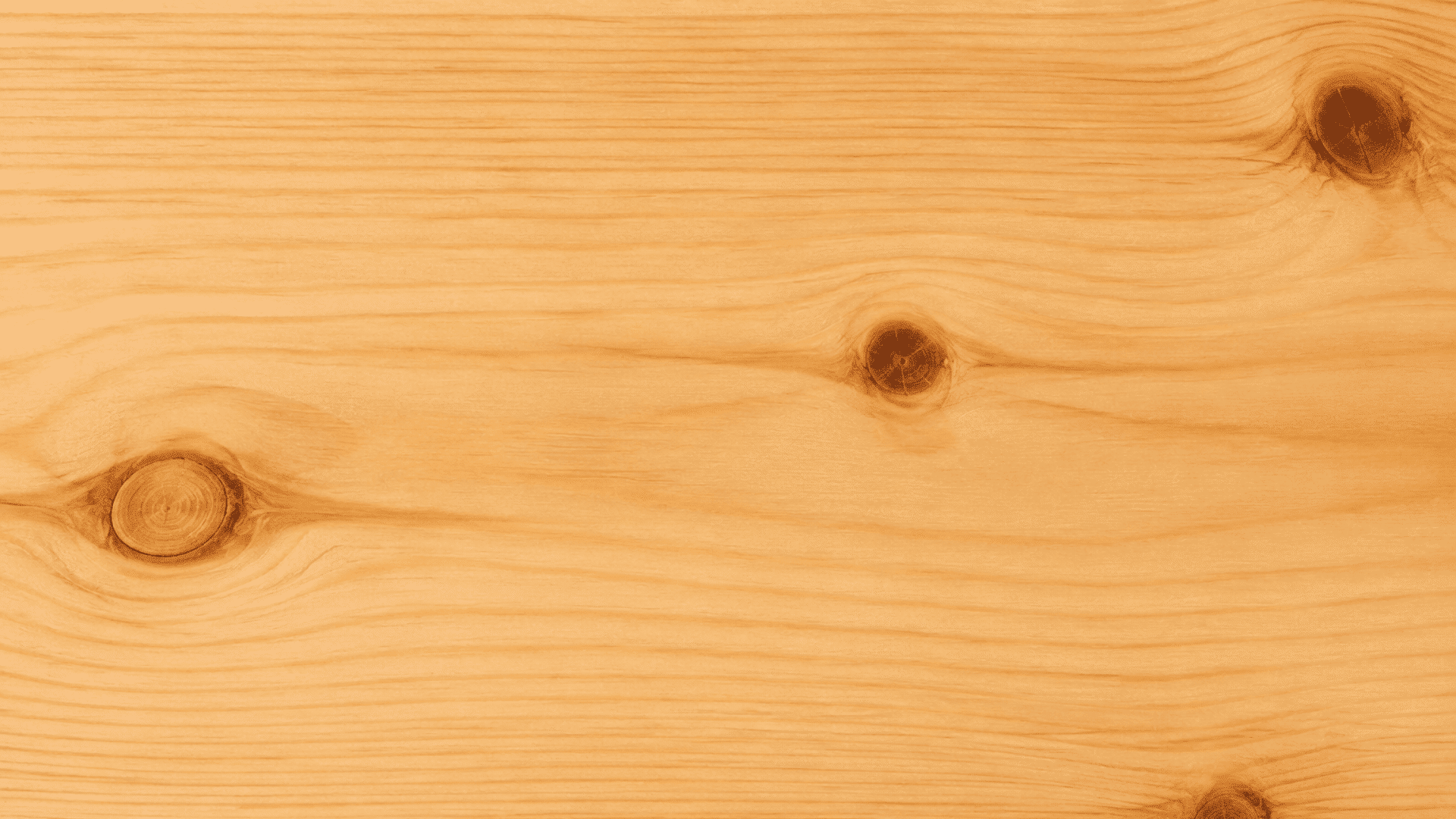
Pine is one of the most common softwoods used in furniture because it is affordable and easy to work with.
I see pine used in beds, shelves, tables, and farmhouse-style furniture. It has a lighter color with visible knots that give it a casual and natural look.
Pine is softer than hardwoods, so dents and scratches can happen more easily with heavy use.
It is a good option if you want budget-friendly furniture for indoor spaces.
Pine also takes paint and stain well, which makes it easy to match different home styles.
| Category | Pine Wood Rating |
| Durability | 6/10 |
| Strength | 6/10 |
| Grain Size | Medium |
| Water Resistance | 4/10 |
| Scratch Resistance | 4/10 |
| Ease of Workability | Very Easy |
| Indoor or Outdoor Use | Mainly Indoor |
| Luxury Appeal | Low |
| Popularity in Modern Furniture | High |
| Affordability | Very Affordable |
| Overall Performance Score | 7/10 |
8. Cedar
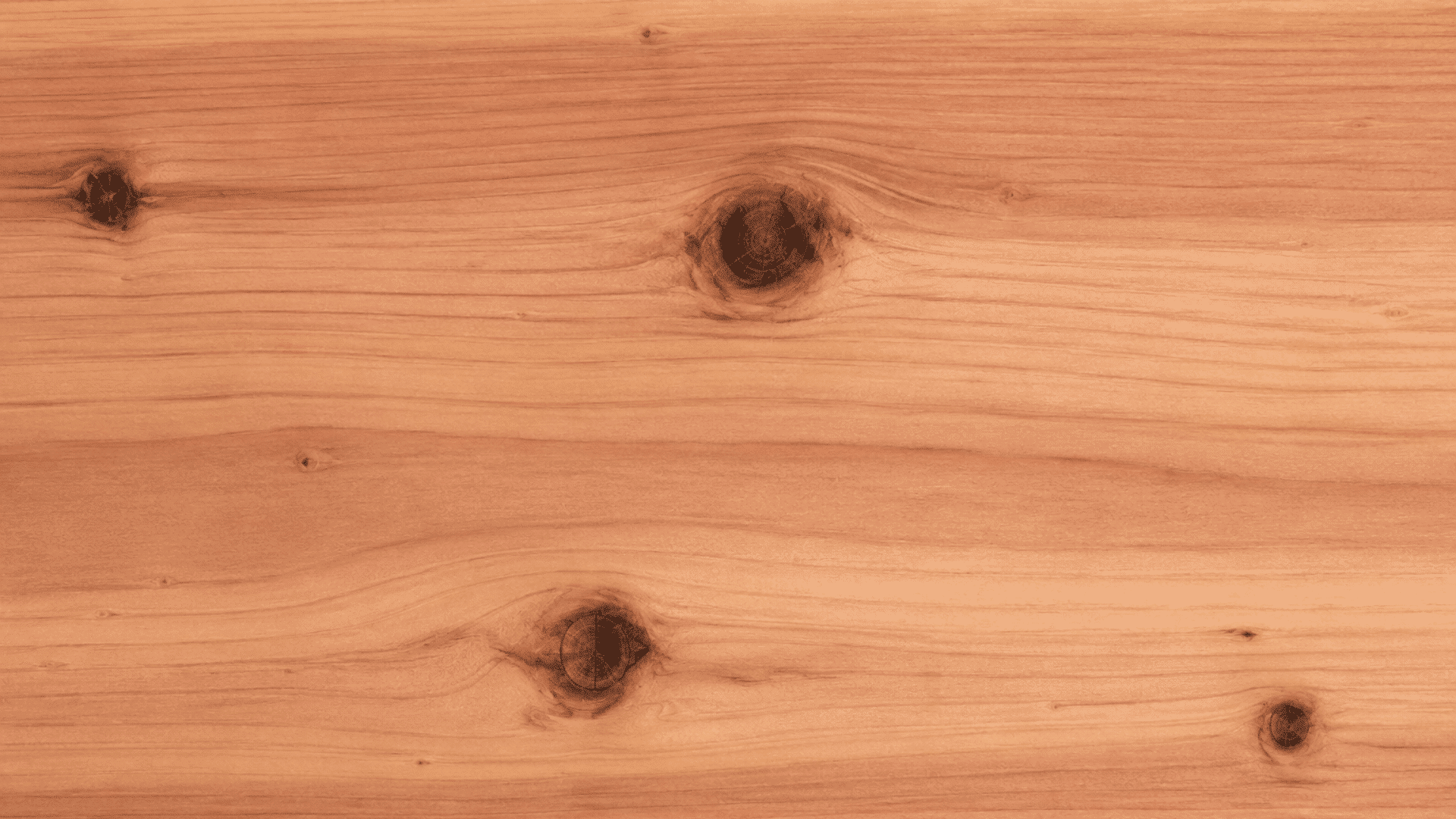
Cedar is a softwood that is well known for its natural resistance to moisture and insects.
Cedar is recommended for outdoor furniture, storage chests, and closets because it holds up better in damp conditions than many other softwoods.
It also has a natural scent that some people like in indoor furniture pieces. Cedar is lightweight and easy to move, but it can scratch more easily than hardwoods.
It works best in areas where moisture resistance matters most. Regular care can help cedar furniture stay in good shape for many years.
| Category | Cedar Wood Rating |
| Durability | 7/10 |
| Strength | 6/10 |
| Grain Size | Fine |
| Water Resistance | 9/10 |
| Scratch Resistance | 5/10 |
| Ease of Workability | Easy |
| Indoor or Outdoor Use | Mainly Outdoor |
| Luxury Appeal | Medium |
| Popularity in Modern Furniture | Medium |
| Affordability | Affordable |
| Overall Performance Score | 8/10 |
9. Redwood
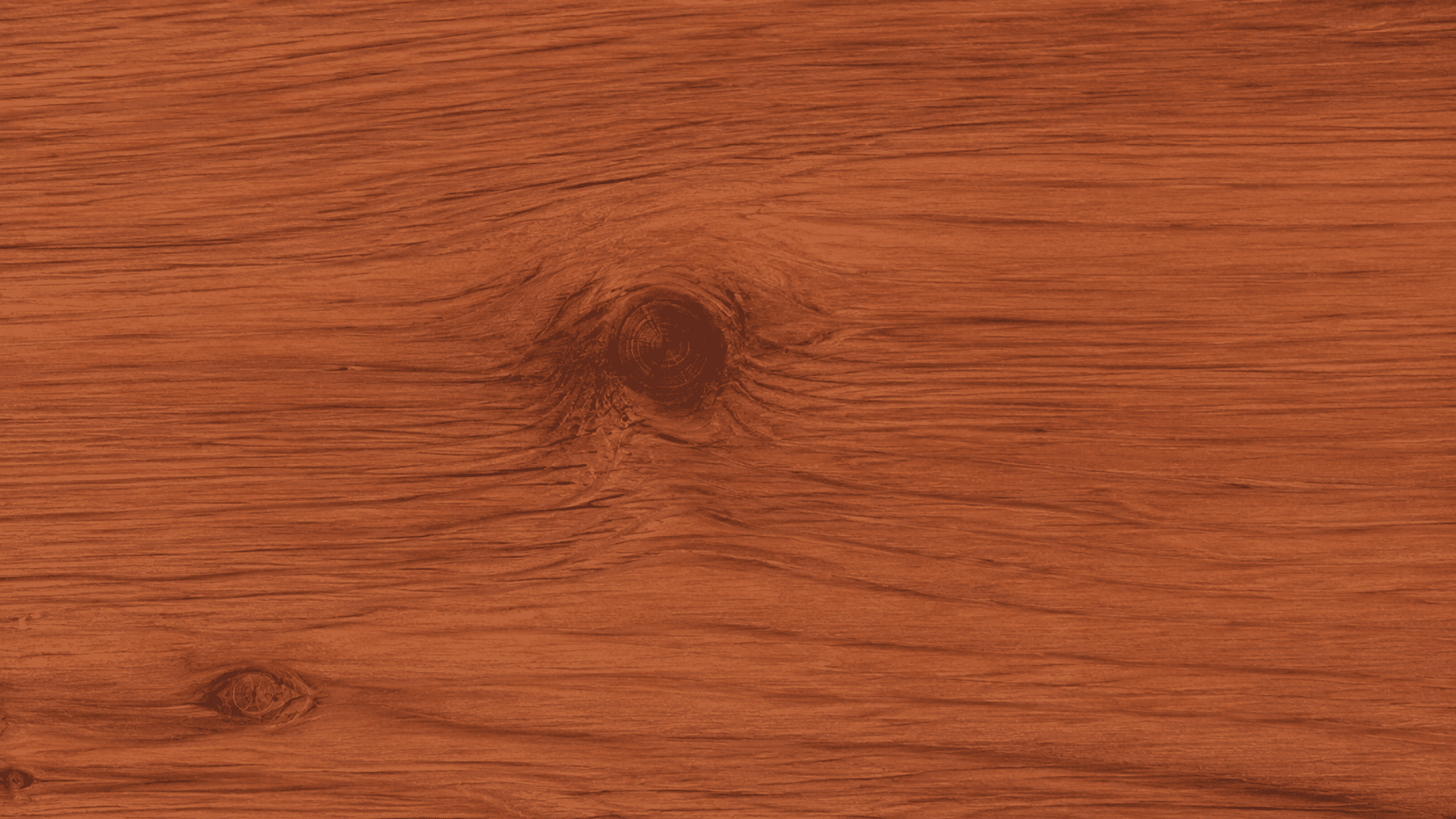
Redwood is often used for outdoor furniture because it handles weather and moisture very well. I like it because it naturally resists rot and insect damage without needing heavy chemical treatments.
The wood also has a smooth texture and warm reddish color that works nicely in patios and garden furniture.
Redwood is stronger than some other softwoods, though it still may dent under rough use. It is one of the better softwoods for long-term outdoor furniture.
The cost can be higher than pine, but many people feel the durability makes it worth considering.
| Category | Redwood Rating |
| Durability | 8/10 |
| Strength | 7/10 |
| Grain Size | Fine |
| Water Resistance | 9/10 |
| Scratch Resistance | 6/10 |
| Ease of Workability | Easy |
| Indoor or Outdoor Use | Mainly Outdoor |
| Luxury Appeal | Medium High |
| Popularity in Modern Furniture | Medium |
| Affordability | Expensive |
| Overall Performance Score | 8/10 |
Best Engineered Woods Options
Engineered woods are popular because they are usually more affordable than solid wood while still looking good in many homes.
10. Plywood
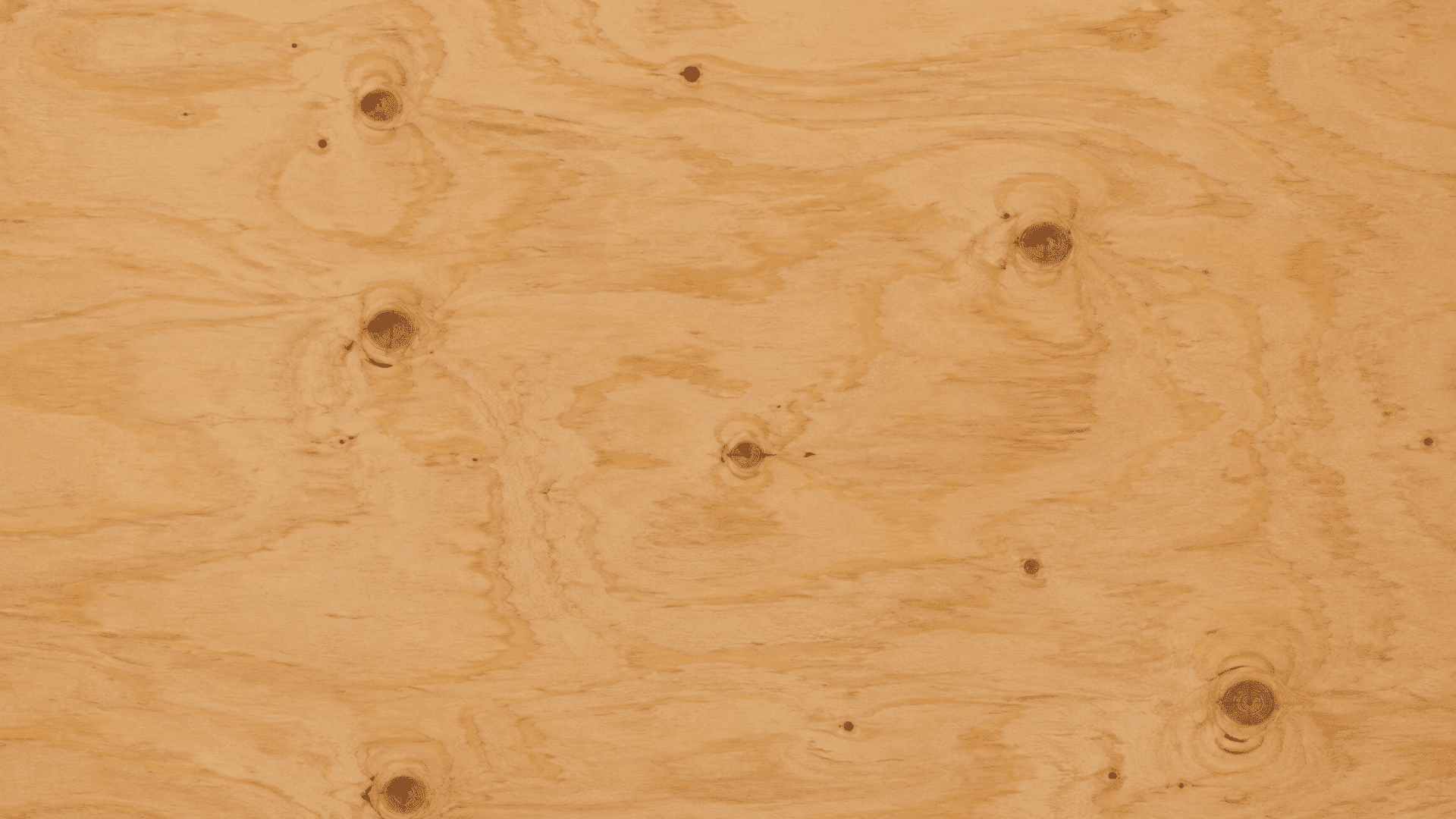
Plywood is one of the strongest engineered wood options used in furniture today. It is made by layering thin sheets of wood together, which helps improve strength and stability.
I always recommend plywood for cabinets, shelves, desks, and bed frames because it handles weight better than many cheaper engineered woods.
It also resists warping more effectively in changing temperatures. Good-quality plywood can last for many years with proper care.
The appearance depends on the outer layer, so many furniture makers add paint, laminate, or veneer to give it a cleaner and more polished finish.
| Category | Plywood Rating |
| Durability | 7/10 |
| Strength | 8/10 |
| Grain Size | Depends on Veneer |
| Water Resistance | 6/10 |
| Scratch Resistance | 6/10 |
| Ease of Workability | Easy |
| Indoor or Outdoor Use | Mainly Indoor |
| Luxury Appeal | Low |
| Popularity in Modern Furniture | Very High |
| Affordability | Affordable |
| Overall Performance Score | 8/10 |
11. Veneer Wood
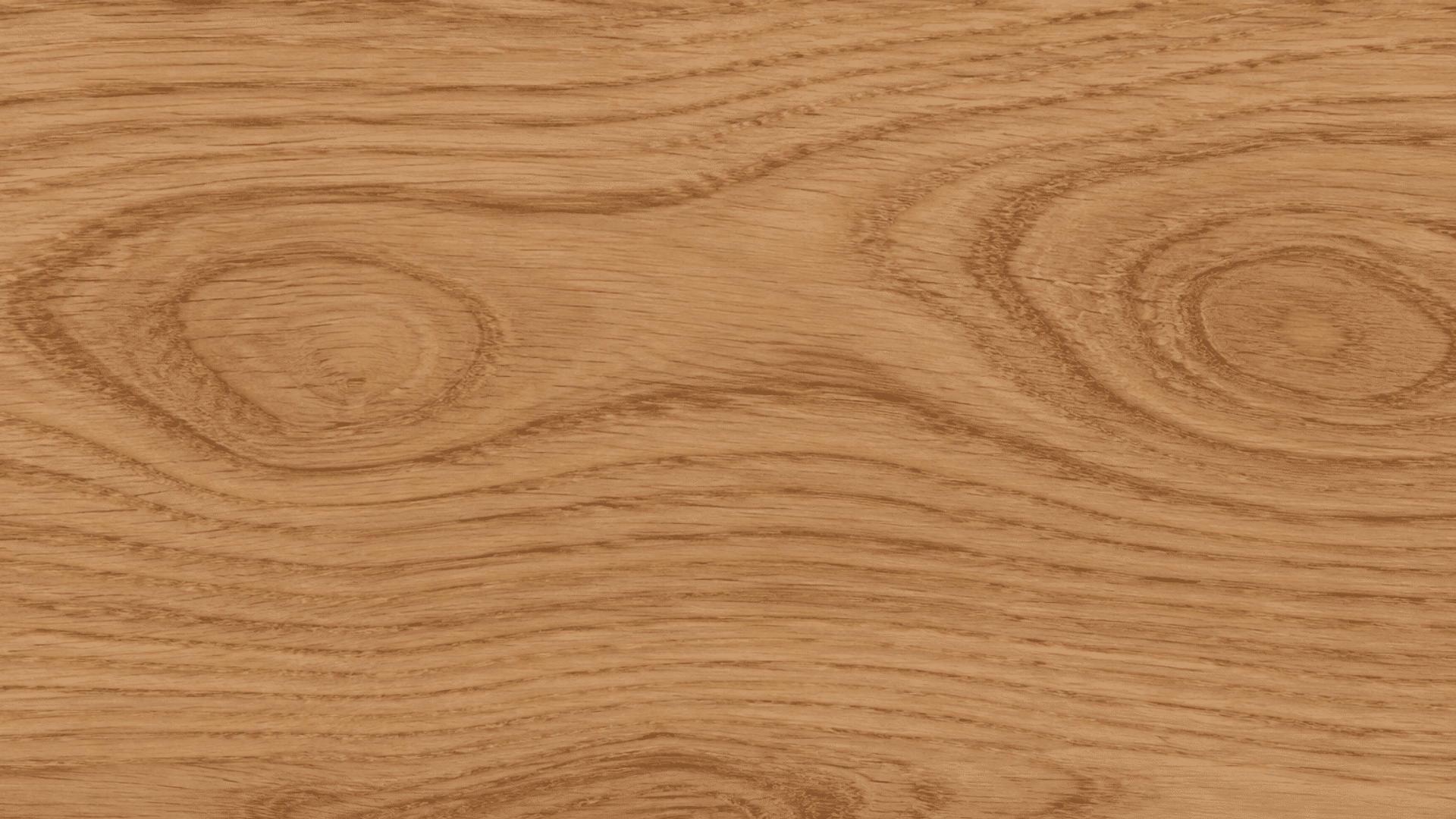
Veneer wood is made by placing a thin layer of real wood over a base material like plywood or MDF.
Most people like veneer furniture because it gives you the look of expensive hardwood without the same high price.
It is common in dining tables, cabinets, and office furniture where appearance matters more than heavy-duty strength.
Veneer also comes in many finishes and colors, so it works with different home styles.
It is a smart option if you want a hardwood look on a smaller budget. You just need to handle it carefully since deep scratches can damage the thin outer layer.
| Category | Veneer Wood Rating |
| Durability | 6/10 |
| Strength | 6/10 |
| Grain Size | Depends on Top Layer |
| Water Resistance | 5/10 |
| Scratch Resistance | 5/10 |
| Ease of Workability | Easy |
| Indoor or Outdoor Use | Mainly Indoor |
| Luxury Appeal | High |
| Popularity in Modern Furniture | High |
| Affordability | Affordable |
| Overall Performance Score | 7/10 |
Best Luxury and Exotic Woods Options
Luxury and exotic woods are usually chosen for their appearance, durability, and unique grain patterns. These woods work best if you want furniture that feels more premium and stands out from common wood options.
12. Rosewood
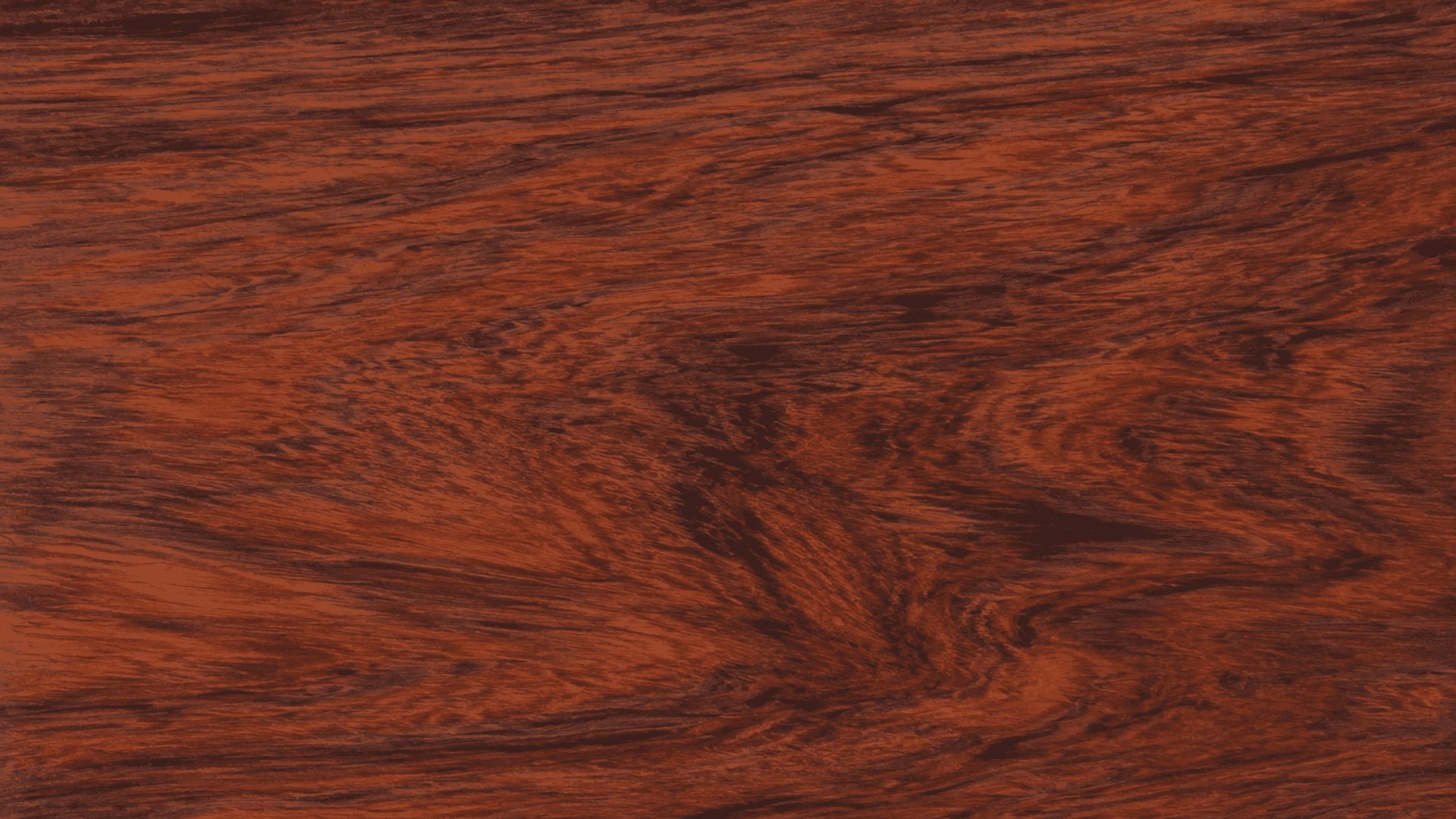
Rosewood is known for its rich color and detailed grain pattern. I notice it in premium furniture because it gives tables, cabinets, and desks a more polished look without needing too much extra design.
It is also a strong hardwood that handles daily use well. Rosewood furniture can last for many years if you maintain it properly. It is a popular choice for luxury indoor furniture.
The downside is that rosewood is expensive and harder to find than common woods like oak or maple, especially in large furniture pieces.
| Category | Rosewood Rating |
| Durability | 9/10 |
| Strength | 9/10 |
| Grain Size | Fine |
| Water Resistance | 7/10 |
| Scratch Resistance | 8/10 |
| Ease of Workability | Medium |
| Indoor or Outdoor Use | Mainly Indoor |
| Luxury Appeal | Very High |
| Popularity in Modern Furniture | Medium |
| Affordability | Very Expensive |
| Overall Performance Score | 9/10 |
13. Ebony Wood

Ebony is one of the darkest and heaviest woods used in furniture making. I have seen that it works best for decorative furniture, small tables, and accent pieces where appearance matters most.
The smooth finish and deep black color make it look clean and premium. Ebony is also very dense, which helps it resist wear over time.
It is more common in high-end furniture than in everyday household pieces. Because ebony is rare, the price is usually very high, and many people use it in smaller amounts instead of full furniture sets.
| Category | Ebony Wood Rating |
| Durability | 10/10 |
| Strength | 10/10 |
| Grain Size | Very Fine |
| Water Resistance | 7/10 |
| Scratch Resistance | 10/10 |
| Ease of Workability | Difficult |
| Indoor or Outdoor Use | Mainly Indoor |
| Luxury Appeal | Luxury Grade |
| Popularity in Modern Furniture | Medium |
| Affordability | Extremely Expensive |
| Overall Performance Score | 9/10 |
14. Acacia Wood
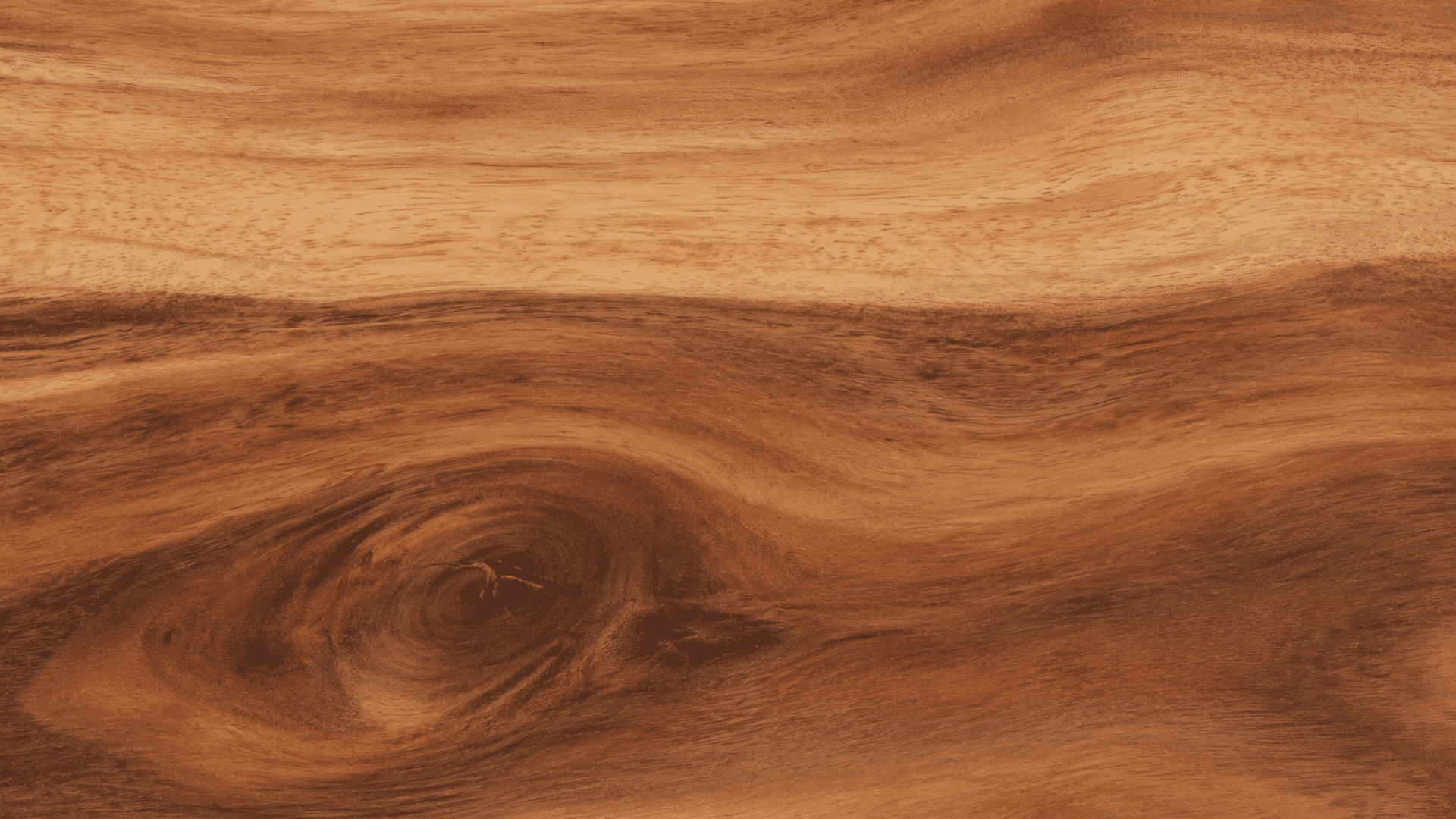
Acacia is a durable hardwood that has become very popular in modern furniture. This wood is one of my favorites. I like it because it balances strength, appearance, and affordability better than many exotic woods.
The grain patterns can vary, which gives each furniture piece a slightly different look. Acacia also handles scratches and moisture fairly well, making it useful for dining tables and coffee tables.
It is a practical option for both style and durability. Many people choose acacia furniture when they want something stronger than softwood without paying luxury wood prices.
| Category | Acacia Wood Rating |
| Durability | 9/10 |
| Strength | 9/10 |
| Grain Size | Medium |
| Water Resistance | 8/10 |
| Scratch Resistance | 8/10 |
| Ease of Workability | Medium |
| Indoor or Outdoor Use | Indoor and Outdoor |
| Luxury Appeal | High |
| Popularity in Modern Furniture | Very High |
| Affordability | Medium |
| Overall Performance Score | 9/10 |
15. Sheesham Wood
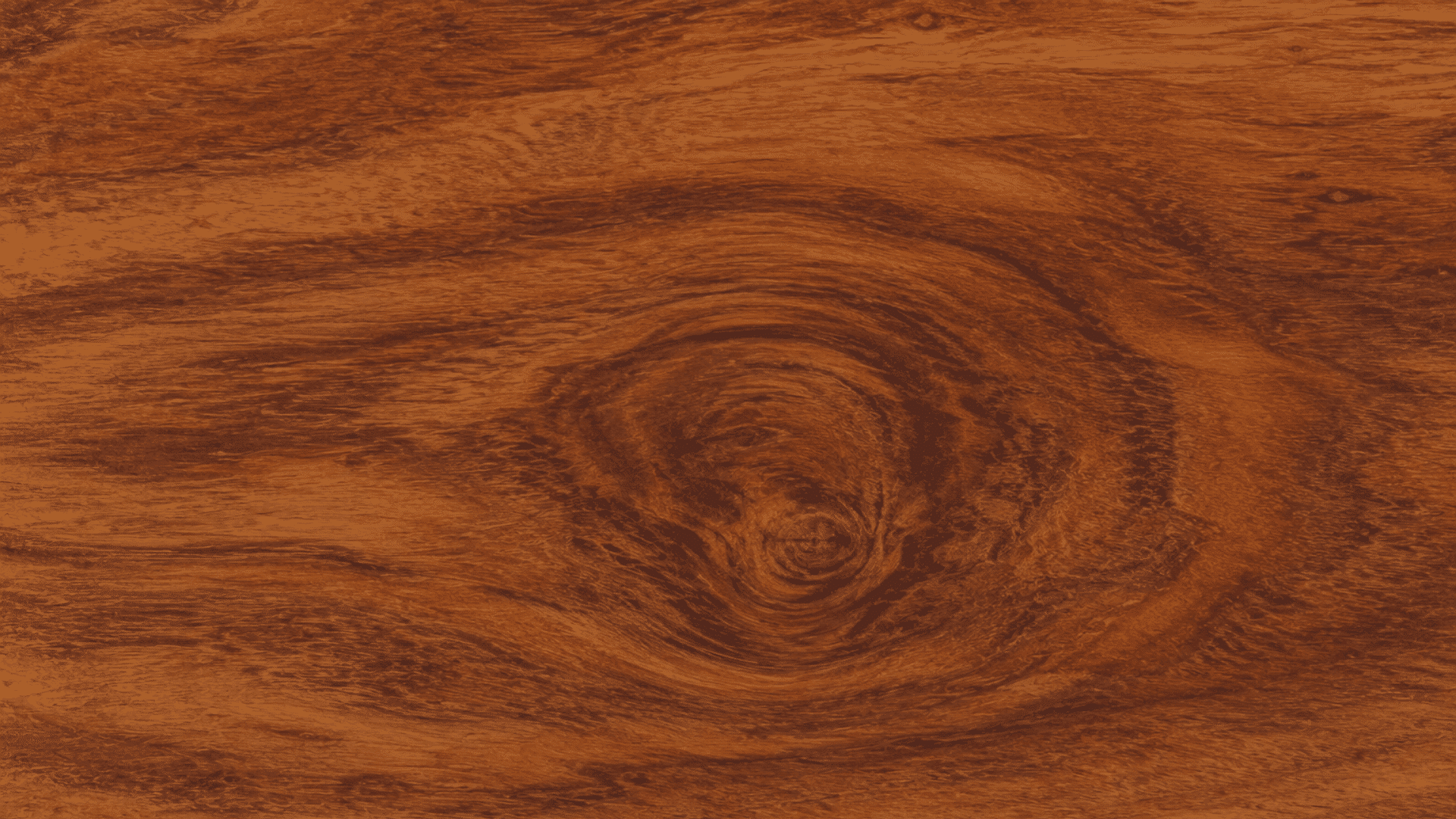
Sheesham wood, also called Indian rosewood, is commonly used for solid wood furniture because it is durable and naturally attractive.
It is often used in cabinets, beds, and dining sets because it handles daily wear very well.
The wood has visible grain patterns that give furniture a more natural appearance without looking too rough. Sheesham is also resistant to termites compared to some softer woods.
It is a strong choice for long-lasting indoor furniture.
The furniture can feel heavy, but many people see that as a sign of better quality and stability.
| Category | Sheesham Wood Rating |
| Durability | 9/10 |
| Strength | 9/10 |
| Grain Size | Medium |
| Water Resistance | 7/10 |
| Scratch Resistance | 8/10 |
| Ease of Workability | Medium |
| Indoor or Outdoor Use | Mainly Indoor |
| Luxury Appeal | High |
| Popularity in Modern Furniture | High |
| Affordability | Medium |
| Overall Performance Score | 9/10 |
Best Wood for Indoor and Outdoor Furniture
Indoor and outdoor furniture need different wood types because they face different conditions.
I personally recommend hardwoods like oak, maple, walnut, and cherry for indoor furniture, as they are durable and withstand daily use.
Indoor furniture wood should focus on strength, comfort, and appearance.
For outdoor furniture, teak, cedar, and redwood are some of the best choices. They naturally resist moisture, insects, and weather damage better than many other woods.
Outdoor furniture wood should mainly focus on weather resistance and durability. Regular maintenance can also help outdoor furniture last much longer.
Sustainable and Eco-Friendly Wood Options
I think more people are paying attention to where their furniture comes from, and that makes eco-friendly wood a smart option to consider.
Sustainable woods are usually sourced in ways that help reduce waste and protect forests over time.
Bamboo is one of the most popular eco-friendly choices because it grows quickly and is strong enough for many furniture types.
Reclaimed wood is another good option since it reuses old wood instead of cutting new trees.
I also see many people choosing FSC-certified wood because it comes from responsibly managed forests.
Eco-friendly wood can still be durable, stylish, and long-lasting.
Choosing sustainable furniture often depends on your budget, style, and how important environmentally responsible materials are to you.
Best Wood for Scratch-Resistant Furniture
If you have kids, pets, or heavy daily use at home, scratch resistance becomes really important. I would recommend hardwoods for this because they handle wear much better than softer woods like pine.
Oak, maple, hickory, and acacia are some of the best options for scratch-resistant furniture.
Maple and hickory are especially hard, which helps reduce dents and marks from regular use.
Oak is also popular because it stays durable while still looking good in many home styles. Acacia works well if you want a balance between durability and affordability.
Harder woods usually last longer and keep their appearance better over time. A good finish can also help protect furniture from small scratches and everyday damage.
Best Wood for Different Types of Furniture
Confused about what wood to choose for your furniture? This table will make it easier for you to choose.
| Furniture Type | Best Wood Options | Why They Work Well |
| Beds | Oak, Maple, Sheesham, Pine | Strong support, long-lasting, and stable for daily use |
| Dining Tables | Oak, Teak, Maple, Acacia, Walnut | Durable surface that handles scratches, spills, and heavy use |
| Cabinets | Plywood, Oak, Maple, Cherry | Stable, reliable, and good for storage and daily opening |
| Desks | Maple, Oak, Walnut, Plywood | Strong work surface with good durability |
| Coffee Tables | Walnut, Oak, Acacia, Cherry | Good balance of appearance and durability |
| Outdoor Furniture | Teak, Cedar, Redwood | Moisture-resistant and better for weather exposure |
| Bookshelves | Oak, Maple, Plywood | Strong enough to hold heavy weights without bending |
| TV Stands | Oak, Walnut, Plywood | Stable and durable for electronics and storage |
| Dressers | Cherry, Maple, Oak, Pine | Smooth finish with good long-term strength |
| Kitchen Furniture | Maple, Oak, Teak | Handles daily wear, heat, and moisture better |
| Patio Furniture | Teak, Cedar, Redwood | Natural resistance to water, insects, and rot |
| Kids’ Furniture | Maple, Pine, Birch | Smooth surface and practical for everyday use |
Note: Your final choice also depends on your personal preference, budget, furniture style, and the overall look you want for your home.
Tips to Maintain Wooden Furniture for Years
Small habits can make a big difference when it comes to keeping furniture in good condition. I think simple care routines are usually enough to help wooden furniture last much longer.
- Dust Regularly: I suggest using a soft cloth to remove dust often, so dirt does not build up and scratch the surface.
- Clean Spills Quickly: Water and liquid stains can damage wood over time, so it helps to wipe spills as soon as possible.
- Avoid Direct Sunlight: Too much sunlight can fade wood color and dry out the finish after long exposure.
- Control Humidity Levels: Wood can expand or crack in extreme moisture or dryness, especially in changing weather.
- Use Coasters and Mats: I always recommend using protective pads under cups, plates, and heavy items to reduce scratches.
- Polish occasionally: A light wood polish can help maintain the finish and keep furniture looking clean without overdoing it.
- Lift Furniture Carefully: Dragging furniture across the floor may loosen joints or damage the legs over time.
- Check for Loose Screws or Joints: Tightening small loose parts early can help prevent larger furniture damage later on.
- Keep Outdoor Furniture Covered: Outdoor wood furniture lasts longer when protected from heavy rain and direct heat.
- Avoid Harsh Cleaning Products: Strong chemicals may damage the wood finish and leave marks on the surface.
Common Mistakes to Avoid When Choosing Wood
These are the common mistakes people make and how you can avoid them.
| Common Mistake | Why It Can Be a Problem | Simple Solution |
|---|---|---|
| Choosing wood only for appearance | Furniture may not handle daily use well | Match the wood to the furniture’s purpose and durability needs |
| Ignoring moisture and climate | Wood can warp, crack, or swell over time | Choose moisture-resistant wood for humid or outdoor areas |
| Buying the cheapest option only | Low-cost wood may wear out faster | Balance price with durability and long-term value |
| Using softwood for heavy-use furniture | Softer woods scratch and dent more easily | Use hardwoods like oak or maple for daily-use furniture |
| Not checking maintenance needs | Some woods need regular care and polishing | Pick low-maintenance wood if you want easier upkeep |
| Choosing the wrong wood for outdoor furniture | Indoor wood may rot or weaken outside | Use teak, cedar, or redwood for outdoor furniture |
| Ignoring scratch resistance | Furniture may show marks quickly | Choose harder woods for homes with kids or pets |
| Not checking furniture weight | Heavy wood furniture can be hard to move | Consider lighter woods if portability matters |
| Skipping quality checks | Poor-quality wood may crack or bend | Check the finish, joints, and wood condition before buying |
| Forgetting about home style | Furniture may not match the room design | Choose wood color and grain that fit your home decor |
Note: The best wood choice also depends on your personal preference, budget, furniture style, and how you plan to use the furniture every day.
Final Thoughts
Choosing the right wood for furniture is really about finding the balance that works best for your home, budget, and daily life.
I think it helps to focus on how the furniture will be used instead of only looking at the color or design. Some woods are better for strength, some are easier on the budget, and others work best for outdoor spaces.
Once you understand the differences, making the right choice becomes much easier.
I also believe good furniture should feel practical and comfortable for everyday use, not just look nice in a showroom. Taking a little extra time to compare wood types can help you avoid costly mistakes later.
If you already own wooden furniture, I’d love to hear about your experience. Share your favorite wood type or furniture tips in the comments below.
Frequently Asked Questions
Does Woodworking Lower Cortisol Levels?
Yes, woodworking can help lower stress and cortisol levels for many people. I think hands-on activities like sanding, cutting, and building often help the mind relax and stay focused.
What Wood is Used for High-End Furniture?
High-end furniture commonly uses walnut, mahogany, cherry, teak, and rosewood. These woods are popular because they are durable, attractive, long-lasting, and often have rich natural grain patterns.
What is a Cheap but Strong Wood?
Pine and plywood are two affordable yet strong wood options for furniture. They work well for shelves, beds, and tables while keeping costs lower than premium hardwood choices.