
Ever feel like your kitchen looks fine, but is still frustrating to use? Maybe the counters always feel crowded, storage runs out too quickly, or cooking takes longer because nothing feels organized.
These small problems can make everyday tasks harder than they should be.
I have seen how before-and-after kitchen remodel projects can completely change how a space feels without needing a huge budget.
If you want simple kitchen remodel ideas or a fully renovated kitchen, creating a space that works better every day matters most.
This guide covers renovation ideas, planning tips, layout improvements, and common mistakes so you can make smarter decisions before starting.
How to Plan a Kitchen Renovation
Planning a kitchen renovation before choosing materials or colors can save time, money, and frustration later.
I have noticed that many people jump straight into design choices and only realize too late that storage, layout, or budget problems persist.
Think about your daily routine, available space, and how much you realistically want to spend.
A well-planned kitchen usually feels better to use because decisions are based on function first and appearance second.
Questions to Ask Before Renovating
Before making changes, I find it useful to focus on problems first, as they usually point to the upgrades that matter most.
Use these questions to understand what your kitchen actually needs before planning a renovation.
| Question To Ask | Why It Matters |
| What part of the kitchen frustrates me the most? | Helps identify daily problems that need immediate attention. |
| Which areas always feel cluttered or crowded? | Shows where storage or layout changes may be needed. |
| Where do I keep running out of storage? | Helps plan cabinets, drawers, and pantry space better. |
| Does the layout make cooking or cleaning harder? | Highlights workflow problems that slow down daily tasks. |
| Are the countertops giving enough prep space? | More work surface can improve cooking efficiency. |
| Is the lighting bright enough for daily tasks? | Good lighting improves safety and makes tasks easier. |
| Which appliances need upgrading or replacing? | Helps decide if old appliances are affecting the function. |
| Do I need more seating or dining space? | Useful for households that often gather in the kitchen. |
| What features do I use every single day? | Prioritizes upgrades that improve everyday use. |
| Which changes fit my budget realistically? | Keeps renovation plans practical and manageable. |
Answering these questions early can make renovation decisions feel much more straightforward.
Understand How You Use Your Kitchen
Every kitchen works differently because every household uses it differently. I have noticed that many renovation mistakes occur when people copy layouts or features without first considering their own routine.
If you cook often, workflow and prep space may matter more.
Families usually need extra storage and seating, while smaller households may prioritize saving space.
Think about how much time you spend cooking, cleaning, hosting, or eating in the kitchen.
When renovation choices match your daily habits, the space usually feels easier and more comfortable to use long after the project is finished.
Best Kitchen Renovation Ideas
Kitchen renovations work best when they solve everyday problems rather than just changing appearances.
These ideas come from renovation trends, practical upgrades, and common frustrations many homeowners run into after living with their kitchens for years. You do not need every idea on this list.
Choosing changes that match your routine, budget, and space usually creates better results than following trends without a plan.
1. Add a Kitchen Island
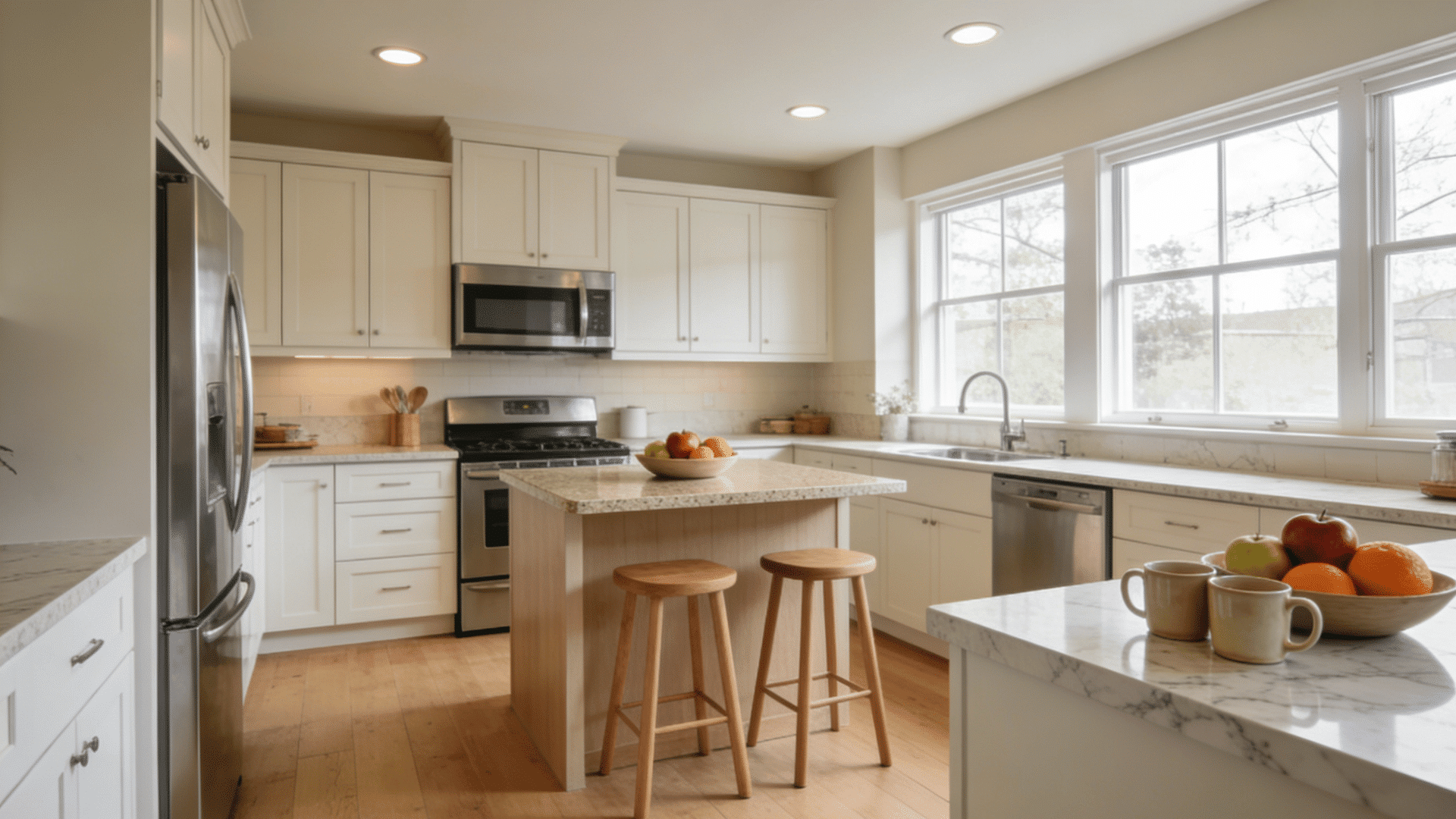
A kitchen island adds more than extra counter space. It can create room for prep work, casual meals, storage, or even homework sessions.
If your kitchen feels tight, consider a smaller movable island instead of forcing a large one into the layout.
Another thing worth considering is how the island changes the movement around the room. An ill-sized island can make the kitchen feel tighter rather than more useful.
Leave enough walking space around all sides so the kitchen stays comfortable to move through.
2. Upgrade Cabinets Instead of Replacing Them
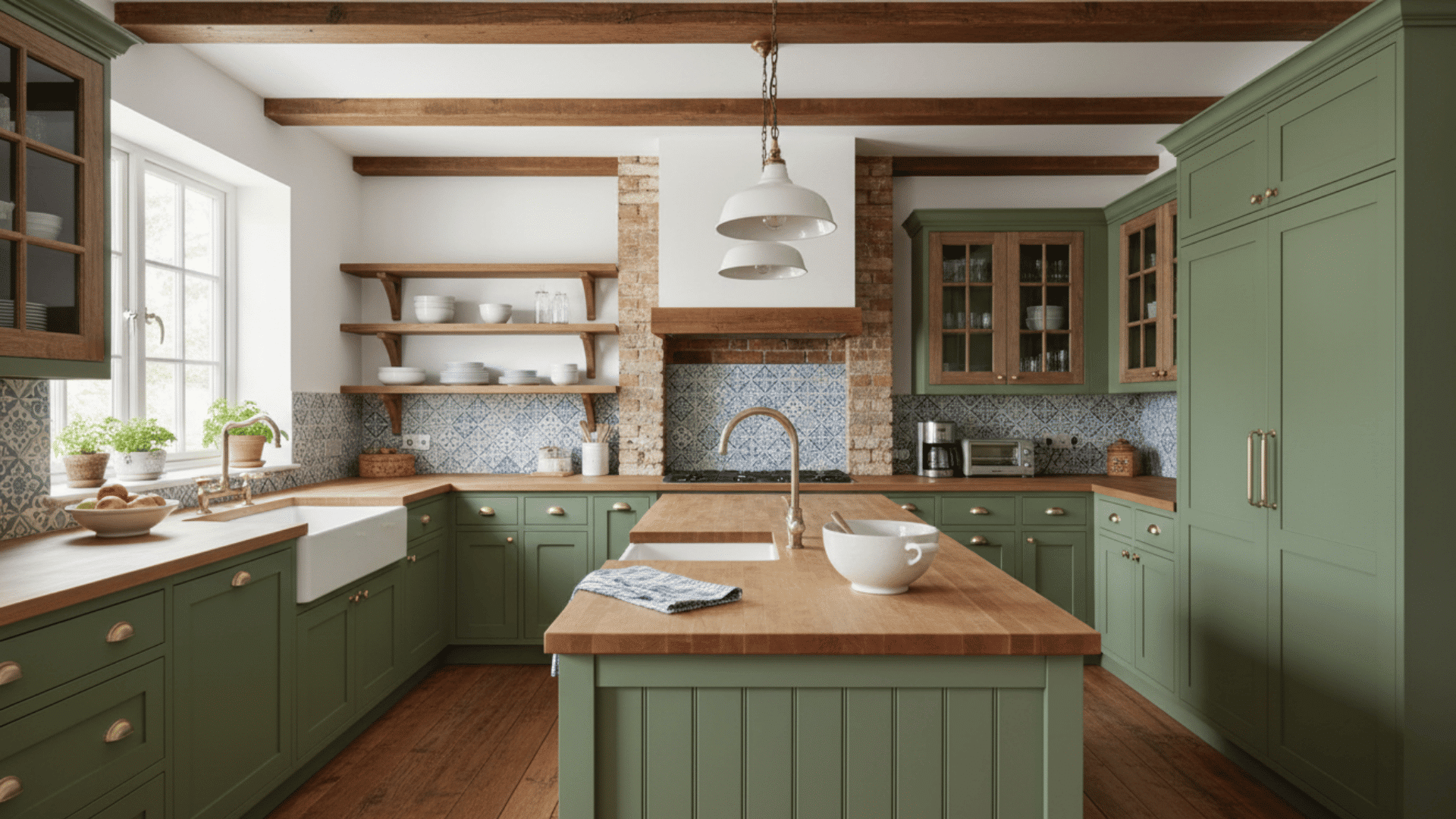
Replacing cabinets can quickly become expensive, which is why updating existing ones often makes more sense. Fresh paint, refacing, or replacing handles can completely change the look without a full replacement.
Something many people realize later is that cabinet boxes are often still in good shape.
My suggestion is to spend money on better hinges or drawer systems, because those upgrades affect daily use more than appearance alone.
3. Extend Cabinets to the Ceiling
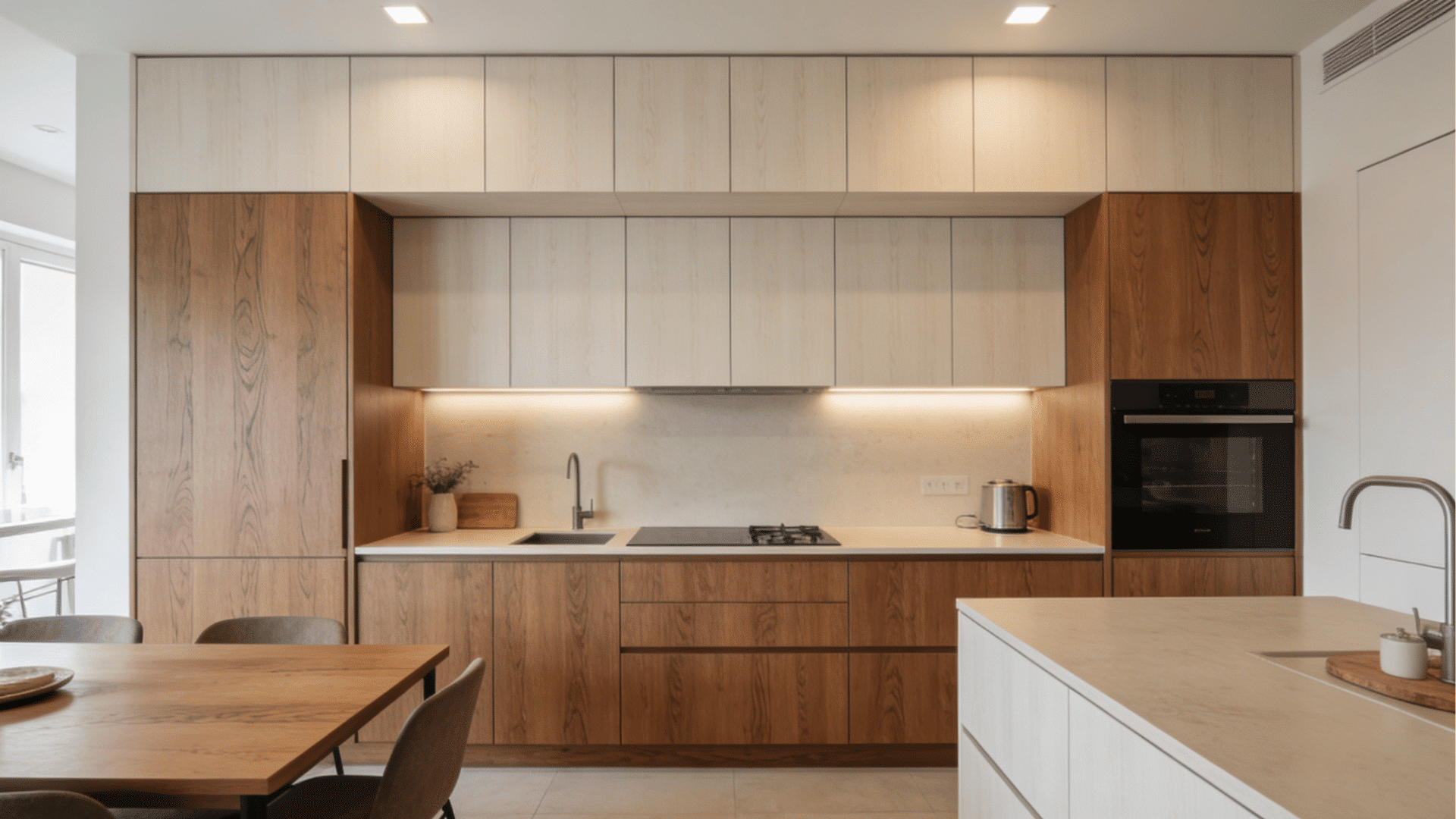
Tall cabinets create extra storage while making ceilings appear higher.
This upgrade also removes the empty gap above cabinets where dust usually collects. I prefer using upper cabinets for seasonal cookware or rarely used items because it keeps everyday storage easier to access.
If reaching upper shelves feels inconvenient, keep less-used serving dishes or seasonal items there to make the storage more practical
Adding trim to existing cabinets can create a built-in appearance without replacing everything.
4. Add Better Storage Solutions
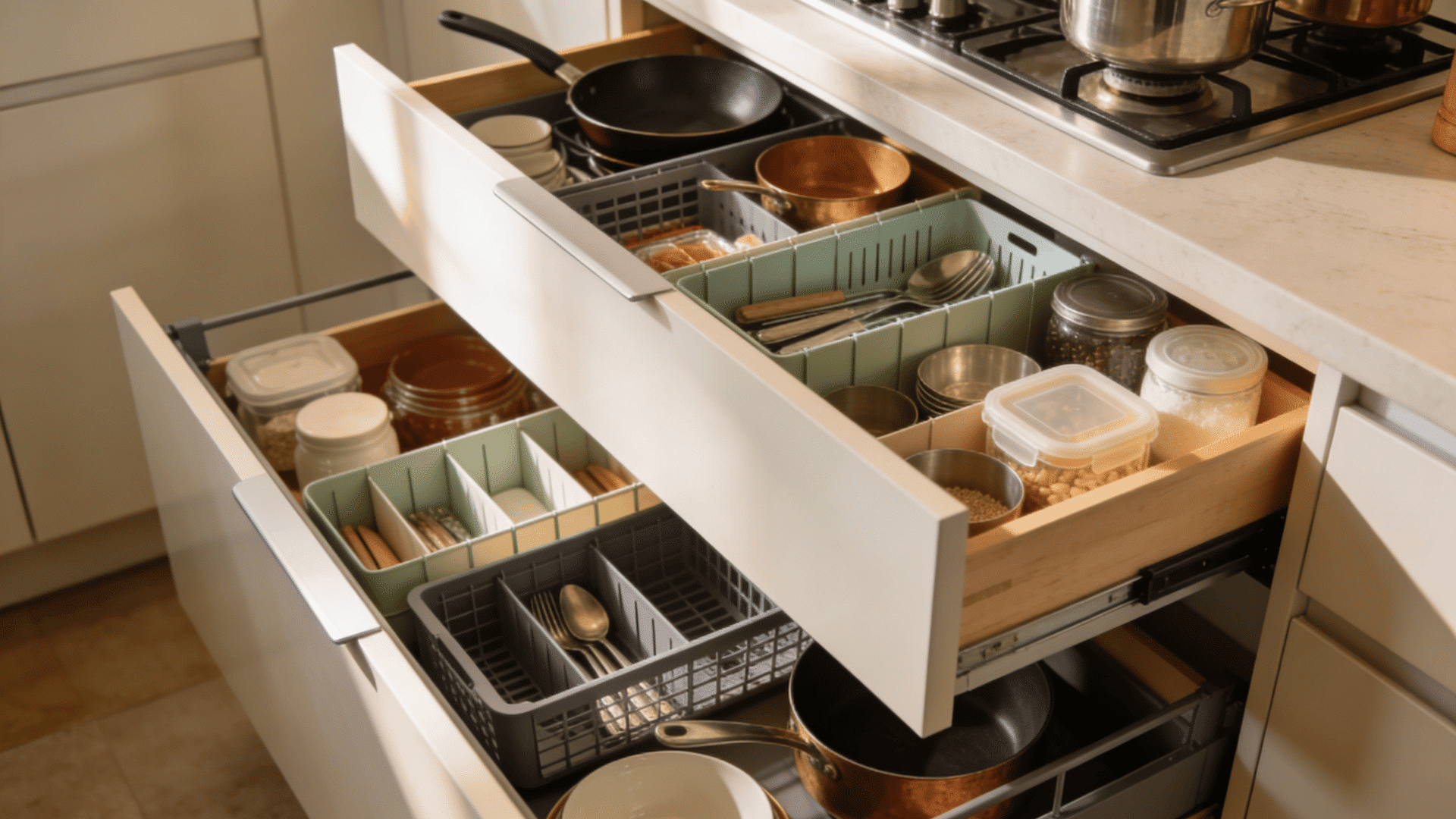
Storage problems usually come from poor organization rather than a lack of cabinets. Pull-out drawers, organizers, and pantry systems help use existing space more efficiently.
One thing worth thinking about is where clutter builds up most often, because that area probably needs attention first. Drawer dividers and vertical organizers can sometimes free up more room than adding entirely new cabinets.
5. Create Hidden Storage Areas
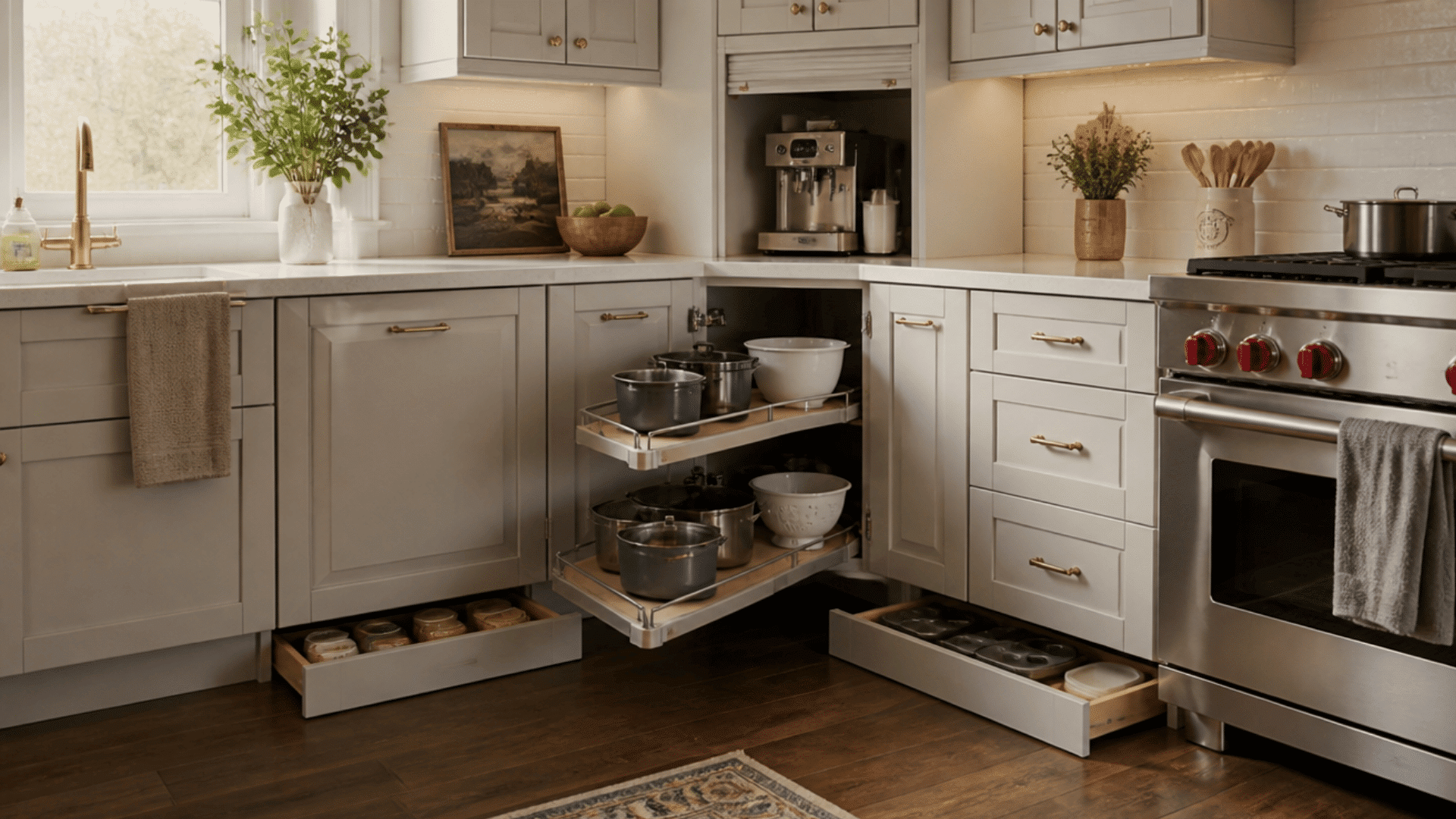
Hidden storage helps kitchens feel cleaner without reducing functionality.
Toe-kick drawers, corner systems, and appliance garages keep less attractive items out of sight while staying accessible.
Personally, I think hidden storage works especially well in smaller kitchens where visible clutter builds quickly. Look for unused spaces, as they often have more storage potential than expected.
6. Improve Kitchen Lighting
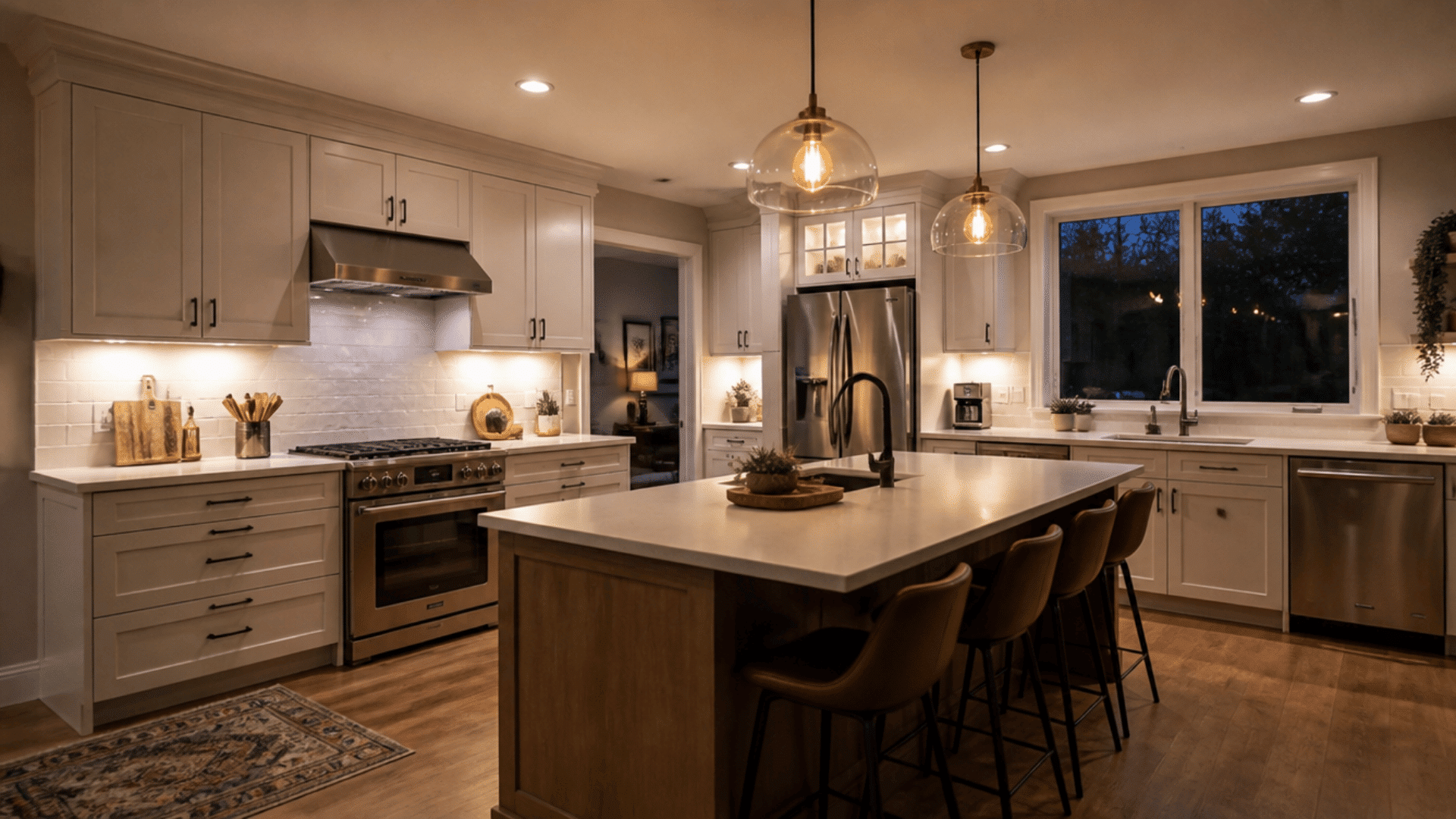
Lighting affects both appearance and functionality.
Prep areas need bright task lighting, while under-cabinet lights reduce shadows during cooking. Pendant lights can add personality while improving visibility.
One mistake many people make is relying only on ceiling fixtures. Layered lighting usually creates better results because kitchens serve multiple purposes throughout the day.
7. Upgrade Countertops
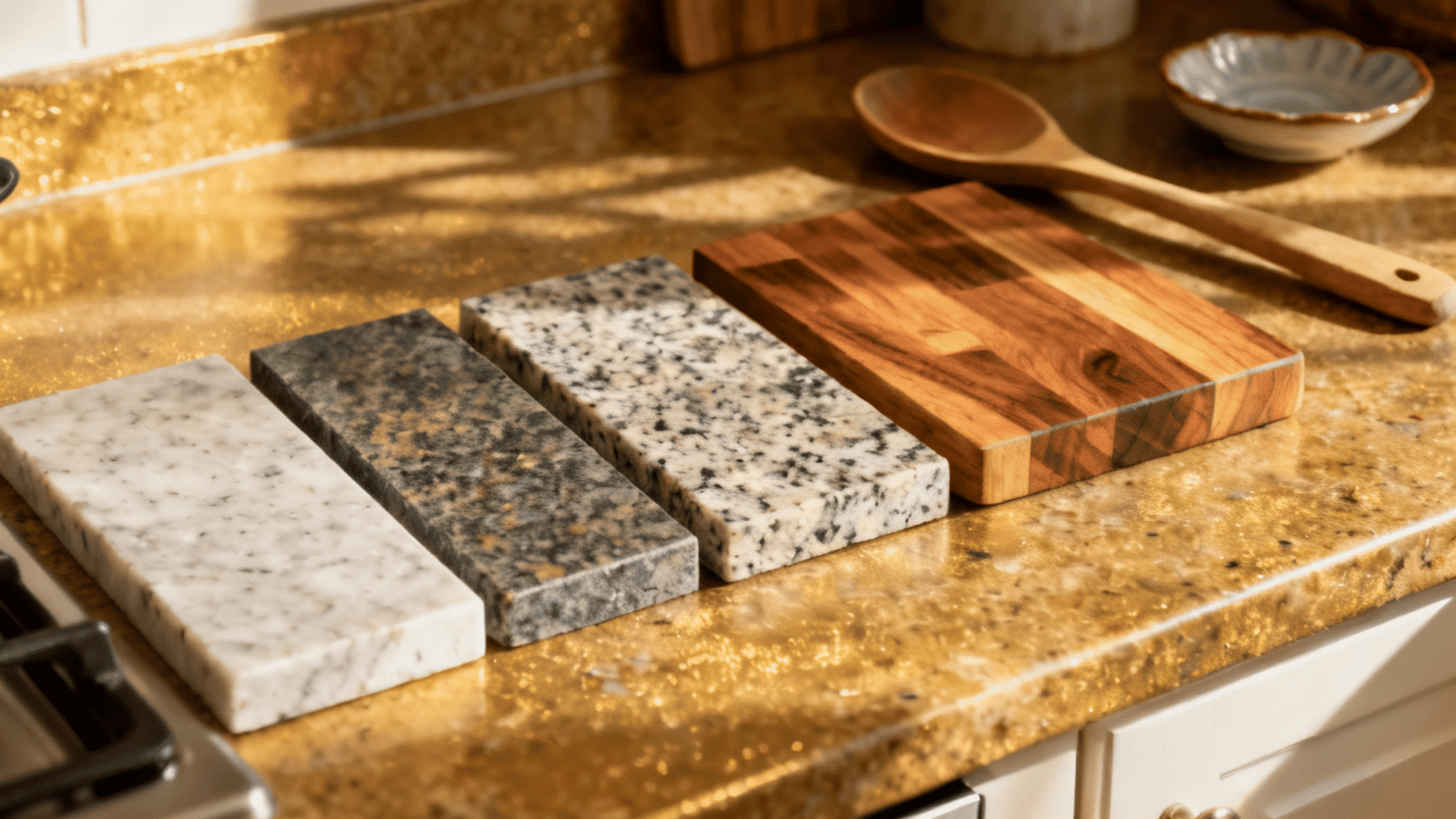
Countertops should fit your lifestyle rather than just match trends. Busy kitchens usually need durability, while decorative spaces may prioritize appearance more.
| Material | Benefits |
| Quartz | Durable and lower maintenance |
| Granite | Natural appearance |
| Butcher Block | Warm and inviting look |
Pro tip: Bring samples home before choosing because showroom lighting can change how materials look.
8. Add Open Shelving
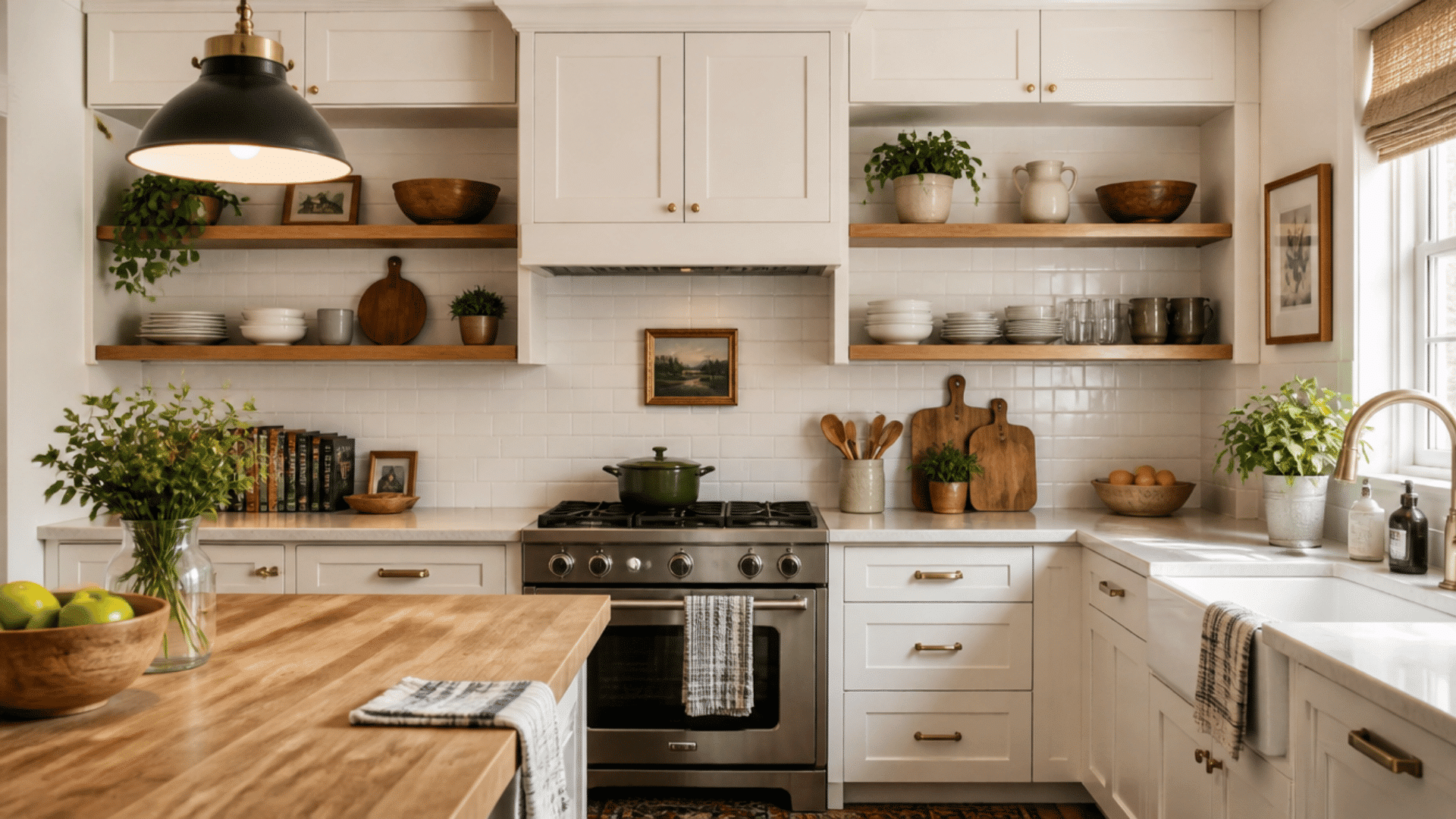
Open shelving can make kitchens feel lighter and more open while keeping frequently used items within reach.
I like using shelves for dishes, glassware, or decorative pieces rather than everyday clutter. Too many shelves can quickly feel busy, so mixing open and closed storage often creates a better balance.
Leave enough room for taller items and avoid overcrowding, as packed shelves quickly lose their visual appeal.
9. Upgrade Your Backsplash
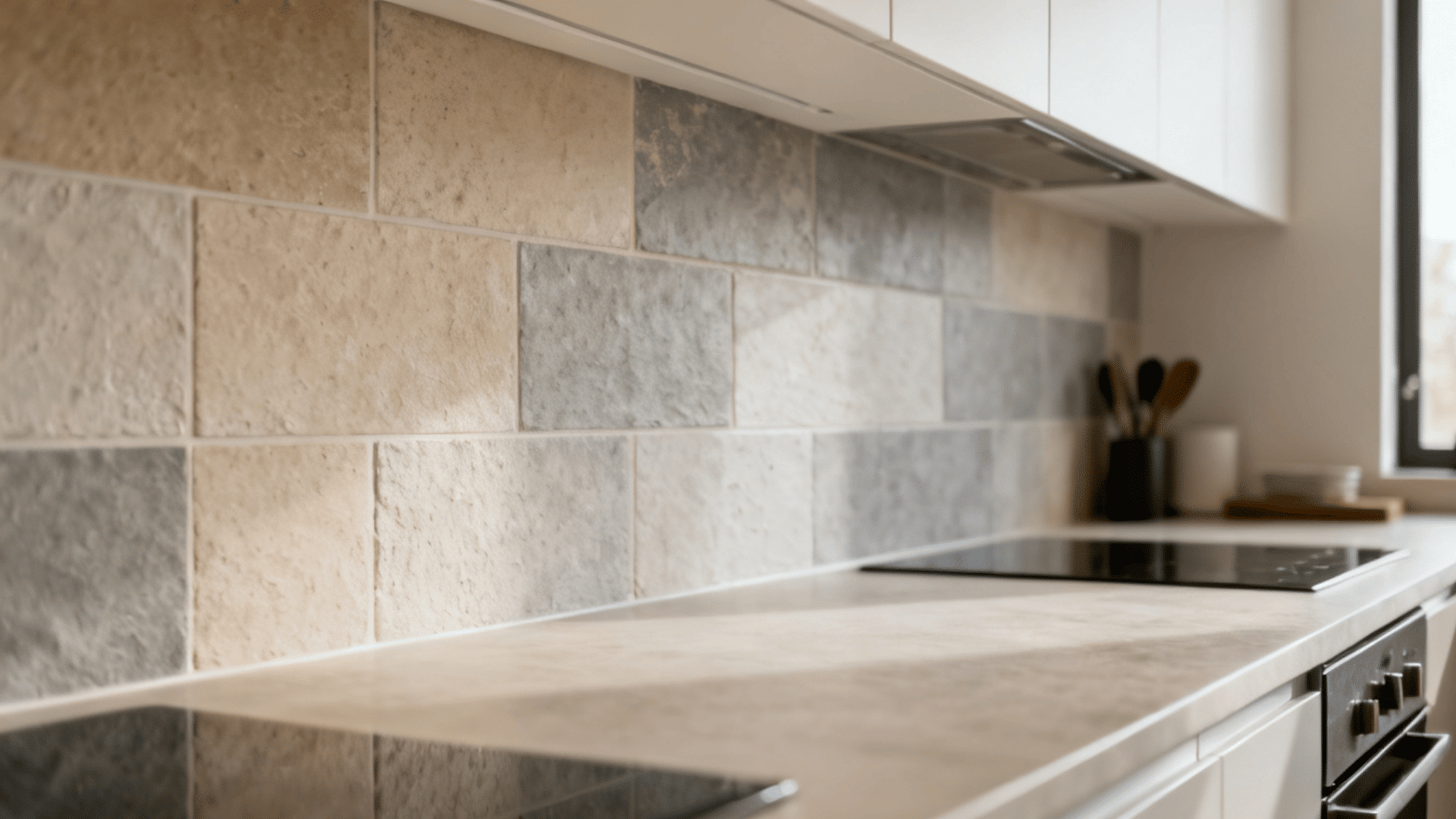
Backsplashes protect walls, but they also influence the kitchen’s overall style. Adding texture, color, or patterns can refresh the room without changing everything else.
If you want flexibility later, choose simple designs because they are easier to pair with future updates. Easy-to-clean materials also make daily maintenance less frustrating.
If you want something classic, choosing texture over bold patterns can add interest without feeling tied to one trend for too long.
10. Improve Ventilation
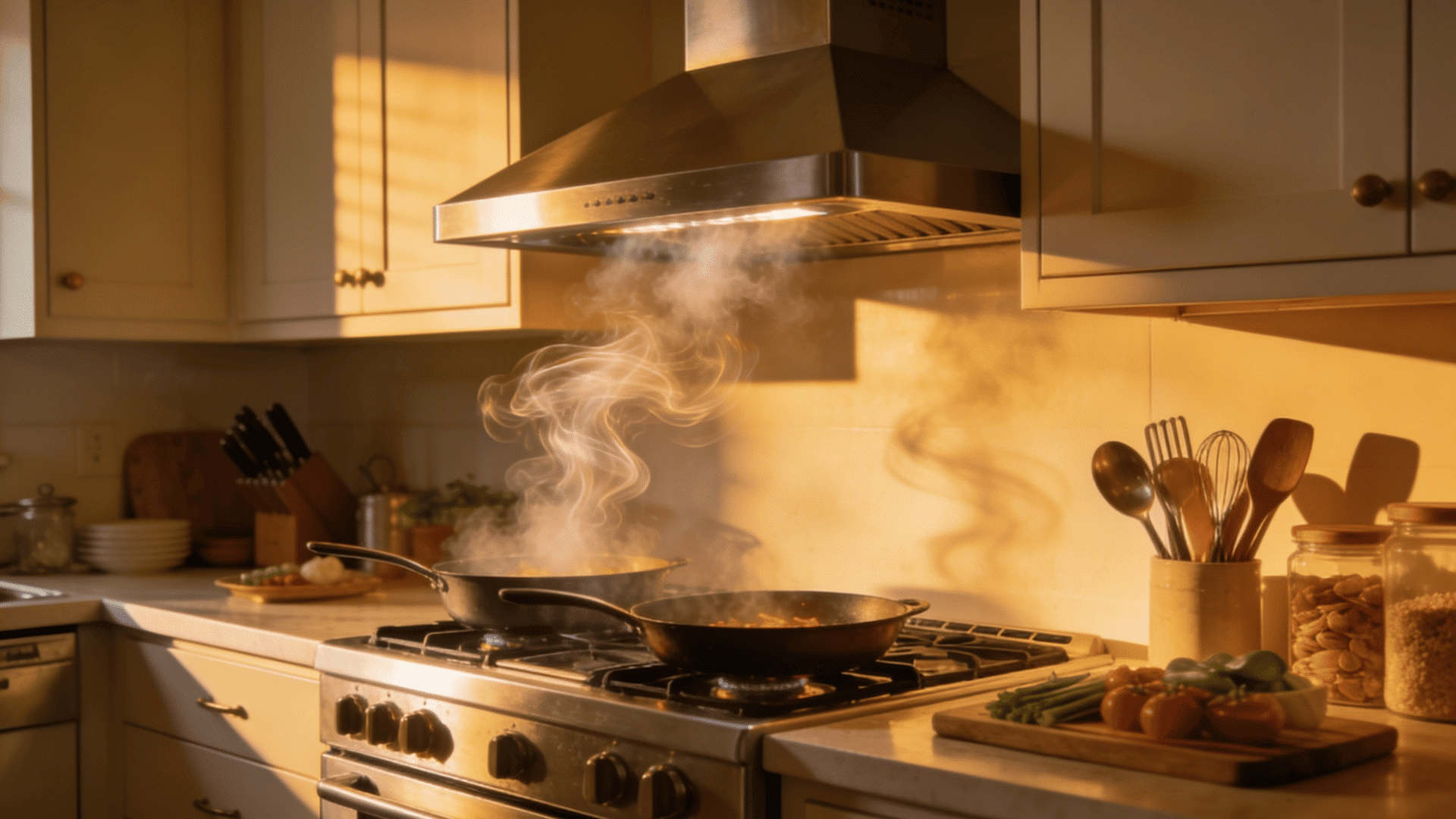
Ventilation often gets ignored until smells, smoke, or grease become noticeable problems. Frequent frying, grilling, or heavy cooking usually requires stronger airflow than occasional meal prep.
A better range hood or stronger airflow improves comfort and helps reduce moisture buildup.
In busy kitchens, ventilation affects everyday use more than people expect. Spending slightly more here can make cooking feel noticeably better.
11. Add Smart Appliances
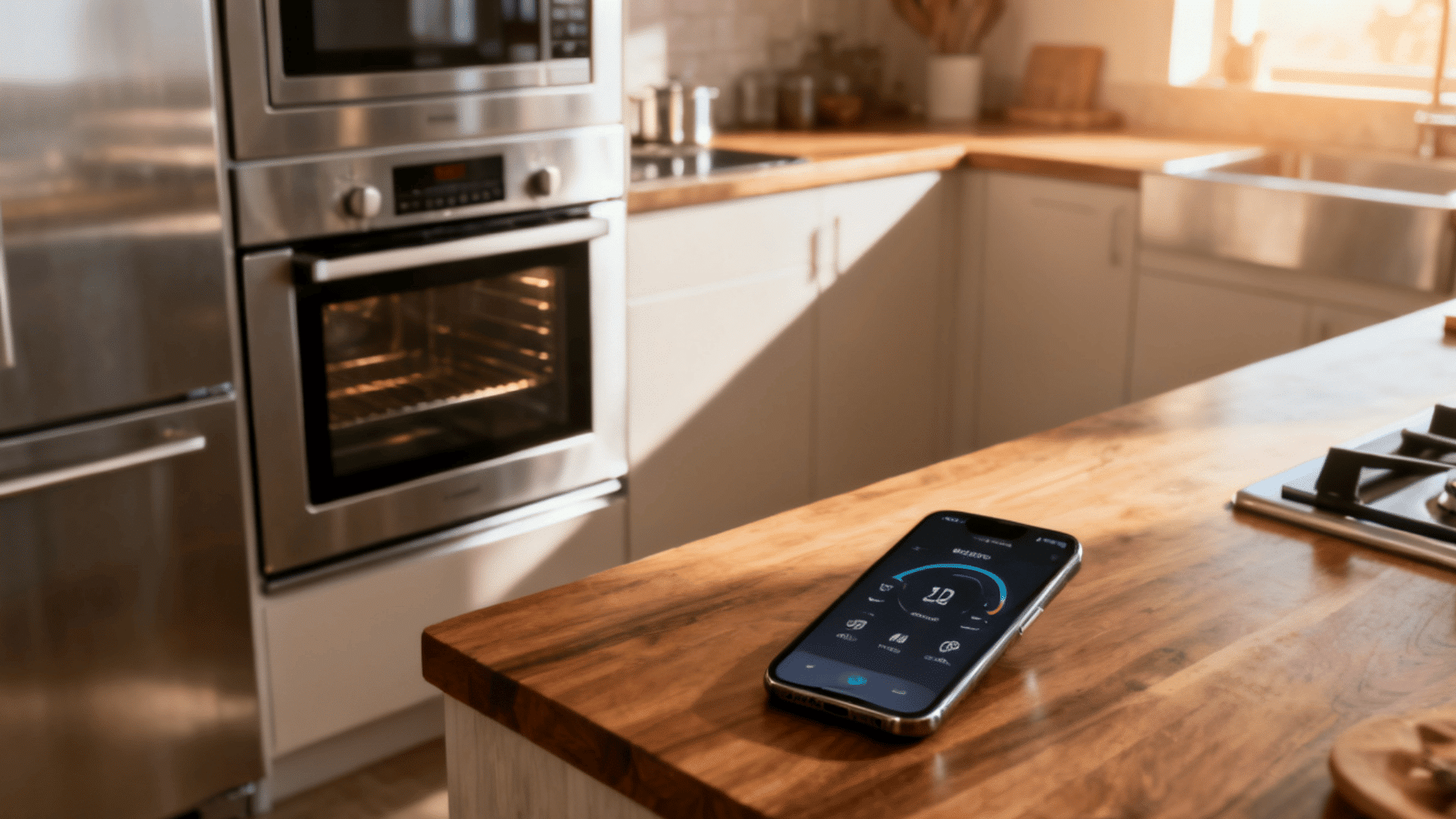
Smart appliances can simplify routines, but only when features match your habits. Timers, remote controls, and energy tracking can save time for busy households.
My advice is to choose practical features first because unnecessary technology often gets ignored after the excitement wears off.
Devices that work with multiple systems tend to remain useful longer and create fewer compatibility issues as technology evolves.
12. Create A Coffee Or Beverage Station

A dedicated drink station keeps traffic away from cooking zones and makes mornings feel more organized. Even a small counter section with mugs, coffee supplies, or drink storage can improve flow.
This setup works especially well for families where multiple people use the kitchen at once.
Adding small storage baskets, drawers, or trays nearby keeps supplies organized and prevents items from spreading across counters.
13. Add More Vertical Storage
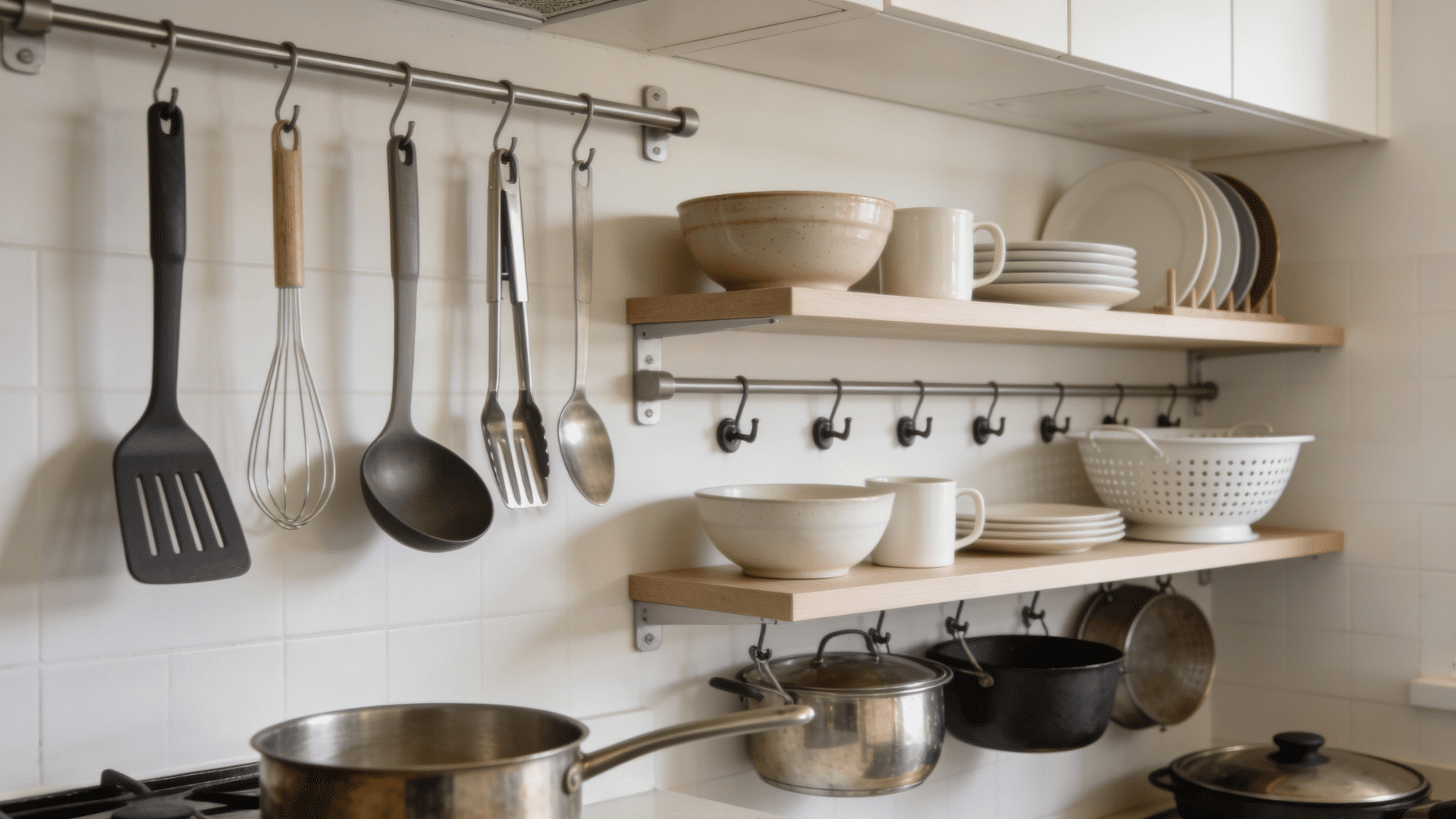
Walls often provide storage opportunities people overlook. Hooks, rails, and floating shelves free up cabinet space while keeping essentials nearby.
Vertical storage works especially well in smaller kitchens because it adds function without taking up floor space.
Keep heavier or frequently used items within easy reach for convenience.
Mixing shelves with hooks or rails usually creates better balance and prevents walls from feeling overloaded with too many storage elements.
14. Upgrade Flooring
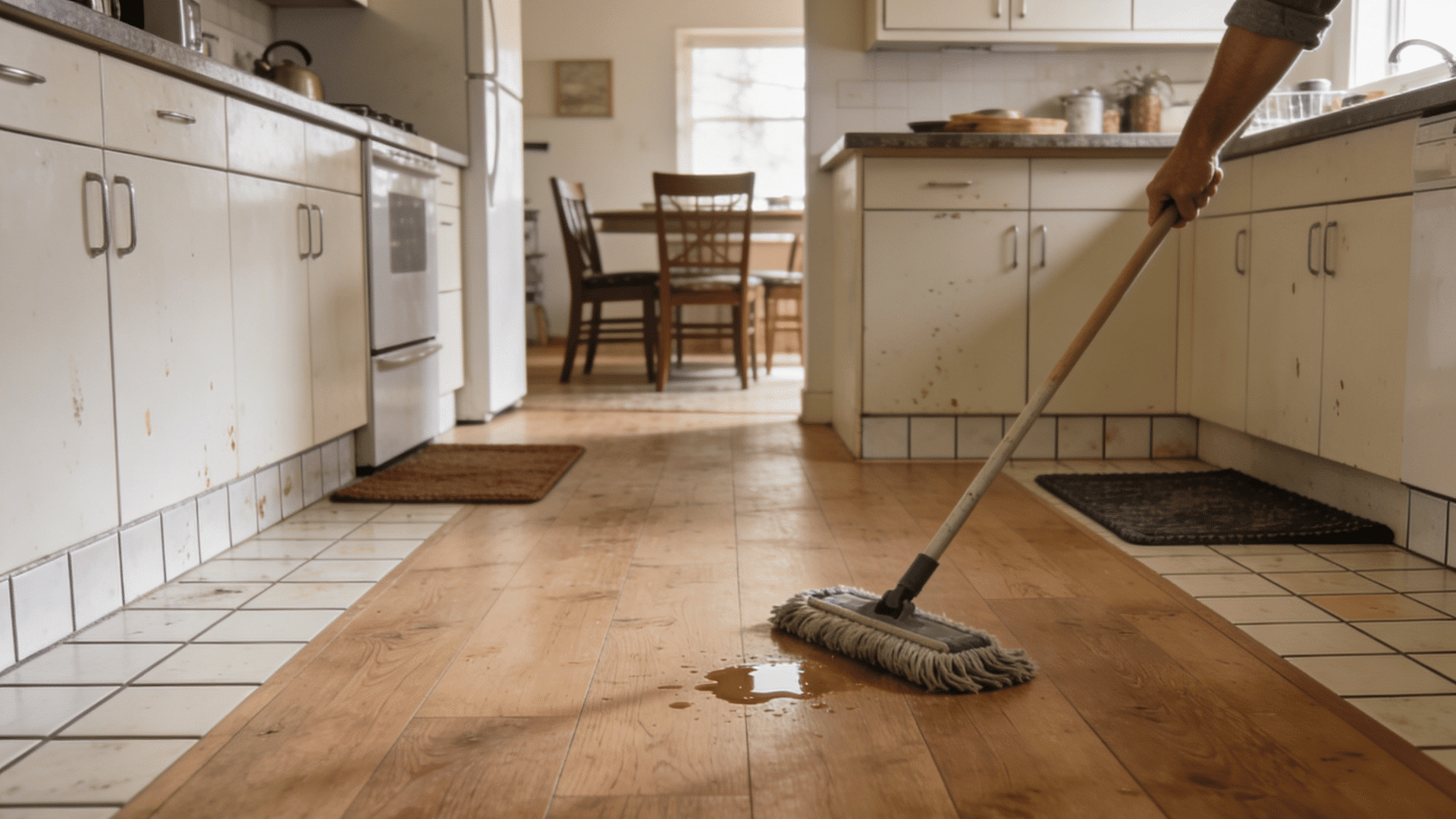
Kitchen flooring handles spills, heavy traffic, and daily wear, so durability matters. Choose materials that match how busy your kitchen actually is.
Personally, I think easy maintenance becomes more important over time because cleaning routines add up quickly.
Texture matters too, since slippery surfaces may look good but become frustrating in kitchens where spills happen often.
15. Make Small Kitchens Feel Bigger
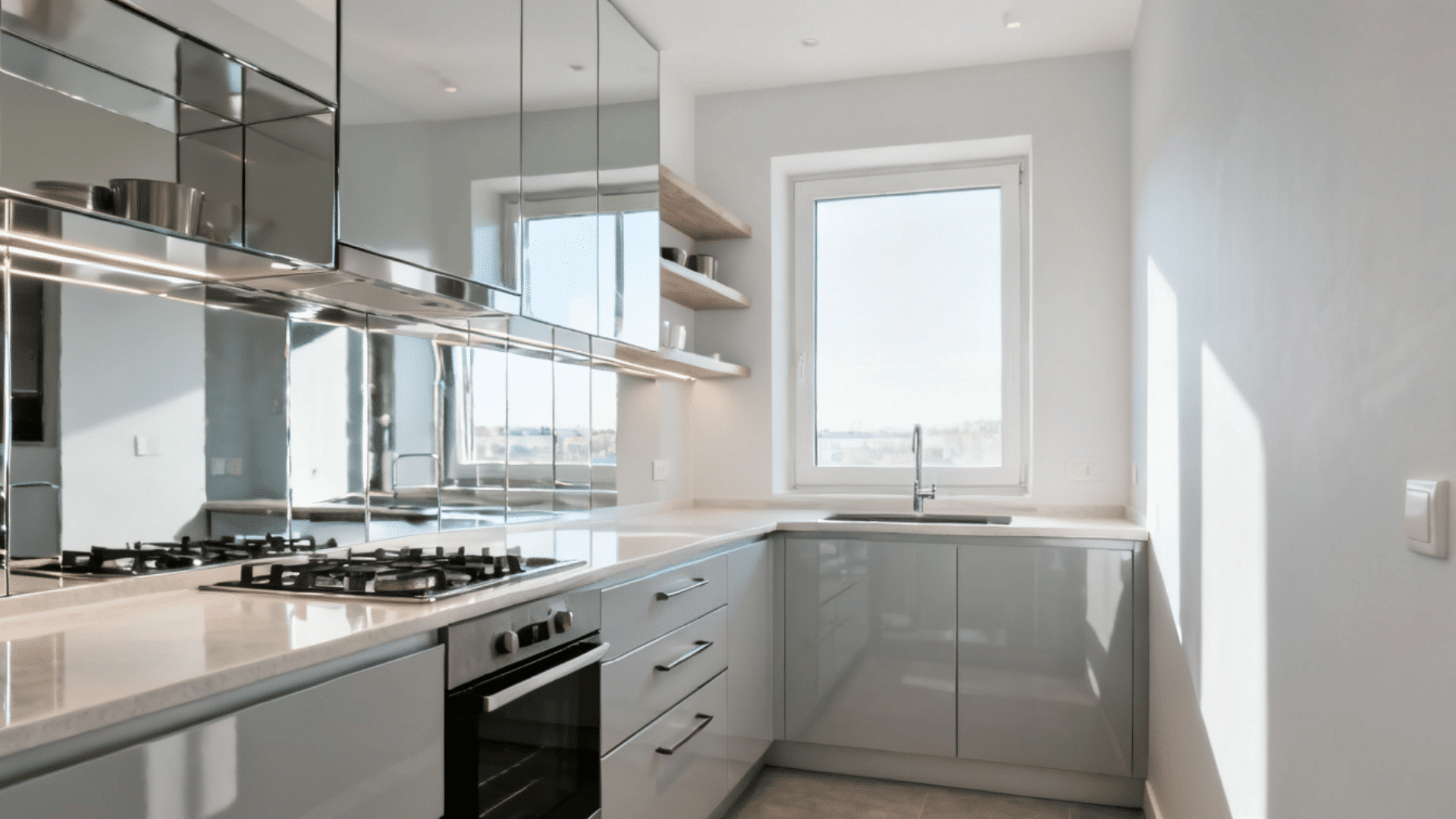
Small kitchens can feel more open without moving walls.
Lighter colors, mirrors, reflective surfaces, and better lighting all help create a spacious feel. Reducing clutter also changes how large a room appears.
One simple trick is to use larger cabinet fronts, as fewer visual breaks can make compact spaces feel calmer.
Matching cabinet colors with walls or reducing contrast between surfaces creates a smoother look that makes the room feel less busy.
Common Kitchen Renovation Mistakes
Many renovation regrets come from small decisions that seem harmless during planning but become frustrating later.
From personal experience, the issues people complain about most are usually connected to convenience rather than appearance.
Paying attention to everyday habits before making choices can prevent expensive fixes after the renovation is finished.
- Storage Gaps: Planning storage based only on cabinet count can backfire. Think about item sizes and usage, too.
- Style-First Decisions: Some materials and designs look great in photos, but become harder to clean or maintain daily.
- Lighting Mistakes: A cutting area under poor lighting can quickly become frustrating during busy evenings.
- Oversized Islands: An island that blocks movement or access to appliances can make the room feel tighter rather than more useful.
- Budget Front-Loading: Spending heavily on premium finishes early sometimes leaves less room for essentials later.
- Ignoring Ventilation Needs: Cooking smells, grease, and humidity build up faster in kitchens without proper airflow.
- Forgetting Future Needs: Adding flexible storage or leaving room for appliance upgrades can delay the need for another remodel beyond what you expect.
Avoiding common mistakes helps create a renovated kitchen that works long-term.
Quick Tips For A Better Renovated Kitchen
Small decisions often make the biggest difference once the renovation is finished. A kitchen does not always need larger upgrades to feel more functional or organized.
Personally, I think focusing on everyday usability helps more than chasing every trend because practical improvements are usually the ones people appreciate long after renovation work ends.
| Quick Tips | Benefits |
| Use layered lighting | Combines task, ambient, and accent lighting to improve visibility and create a more balanced space. |
| Add drawer organizers | Keeps utensils, cookware, and small items easier to find while reducing clutter buildup. |
| Mix open and closed storage | Creates balance by displaying frequently used items while hiding less attractive essentials. |
| Keep finish colors limited | Makes the kitchen feel more cohesive and prevents the space from looking visually busy. |
| Hide clutter where possible | Appliance garages, baskets, or concealed storage help keep countertops cleaner. |
| Prioritize workflow | Reduces unnecessary movement by placing items closer to where they are used most. |
| Add texture carefully | Brings character through materials or finishes without overwhelming the overall design. |
Bonus Tip: Before finalizing small upgrades, spend a few days paying attention to where daily frustrations happen.
The best improvements often solve problems you deal with repeatedly rather than adding features you rarely use.
Final Thoughts
A successful kitchen renovation is not just about appearance because the biggest improvements usually come from solving everyday problems like poor storage, awkward layouts, and limited workspace.
Before-and-after kitchen remodel inspiration can be helpful, but the best results happen when ideas match how you actually use your kitchen.
One thing worth remembering: kitchens tend to work better when practicality and style support each other rather than compete.
Focus on upgrades that improve movement, simplify maintenance, and make everyday tasks feel less frustrating.
If you are planning a renovation soon, start small. Walk through your kitchen, note the things that slow you down daily, and prioritize those first.
Pick two or three changes you can realistically start with now because small improvements often create the biggest difference.
Your future self will thank you every time cooking, cleaning, or simply spending time in the kitchen feels easier.
Frequently Asked Questions
How Much does a Kitchen Renovation Cost?
Costs vary based on size, materials, and labor, but setting aside extra money for unexpected expenses usually helps avoid budget stress.
How Long does Renovation Take?
Smaller projects may take a few weeks, while full kitchen renovations can take several months, depending on the scope of work.
What Works Best for Small Kitchens?
Smart storage, lighter colors, vertical space, and better lighting usually help small kitchens feel larger and work more efficiently.