If you have ever walked into a room and felt instantly calm, you may have been standing inside a Scandinavian-designed space.
Scandinavian furniture style is one of the most popular home design approaches in the world right now.
It is clean, warm, practical, and honestly just really nice to live in. In this guide, I will tell you exactly what defines this style and which materials and colors it uses.
How it has changed over time, and how you can bring it into your own home without spending a fortune or starting from scratch.
What is Scandinavian Furniture Style?
Scandinavian style is a design approach originating in the Nordic countries. Those countries are Sweden, Norway, Denmark, Finland, and Iceland.
The style became well known in the mid-twentieth century and has never really gone out of fashion.
The main idea behind it is simple: form meets function. That means everything in the room looks good and serves a useful purpose.
There is no furniture just sitting there for show. Every chair, table, shelf, and lamp has a job to do. This approach grew out of necessity. Nordic winters are long and dark. People spent a lot of time indoors.
So their homes needed to feel warm and bright, even when it was freezing and pitch-black outside. That need shaped everything about how they designed their spaces.
The result is a style that is both minimal and cozy at the same time. It cuts out the clutter but never feels cold or empty.
The Key Characteristics that Define the Style
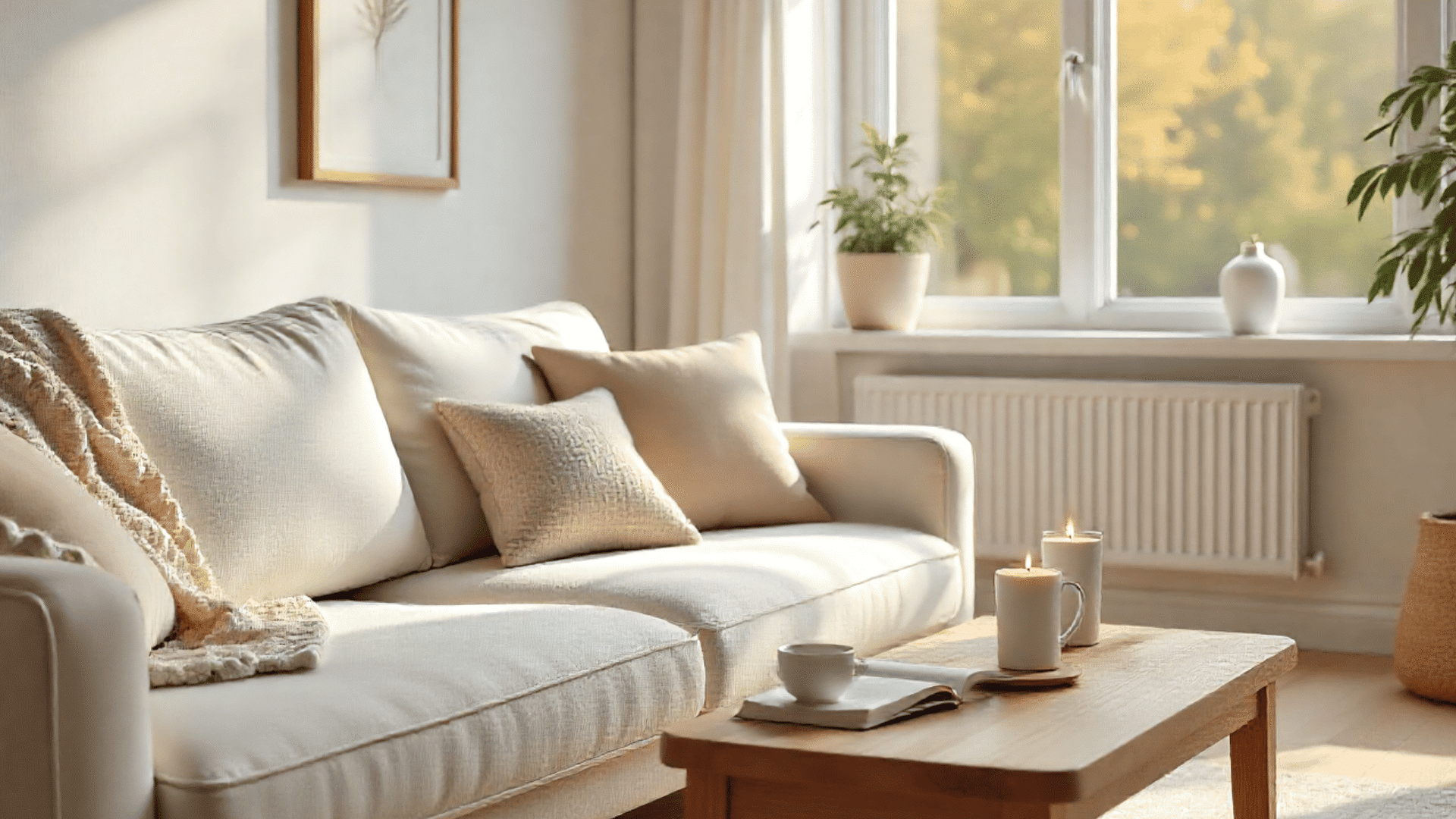
Understanding Scandinavian furniture style starts with knowing its core building blocks.
These defining features appear in almost every Scandinavian-inspired home and work together to create spaces that feel simple, functional, and inviting. Once you recognize these elements, identifying the style becomes much easier.
| Scandinavian Design Element | What It Brings to the Space |
|---|---|
| Clean Lines & Shapes | A simple, clutter-free look with practical furniture and minimal detailing. |
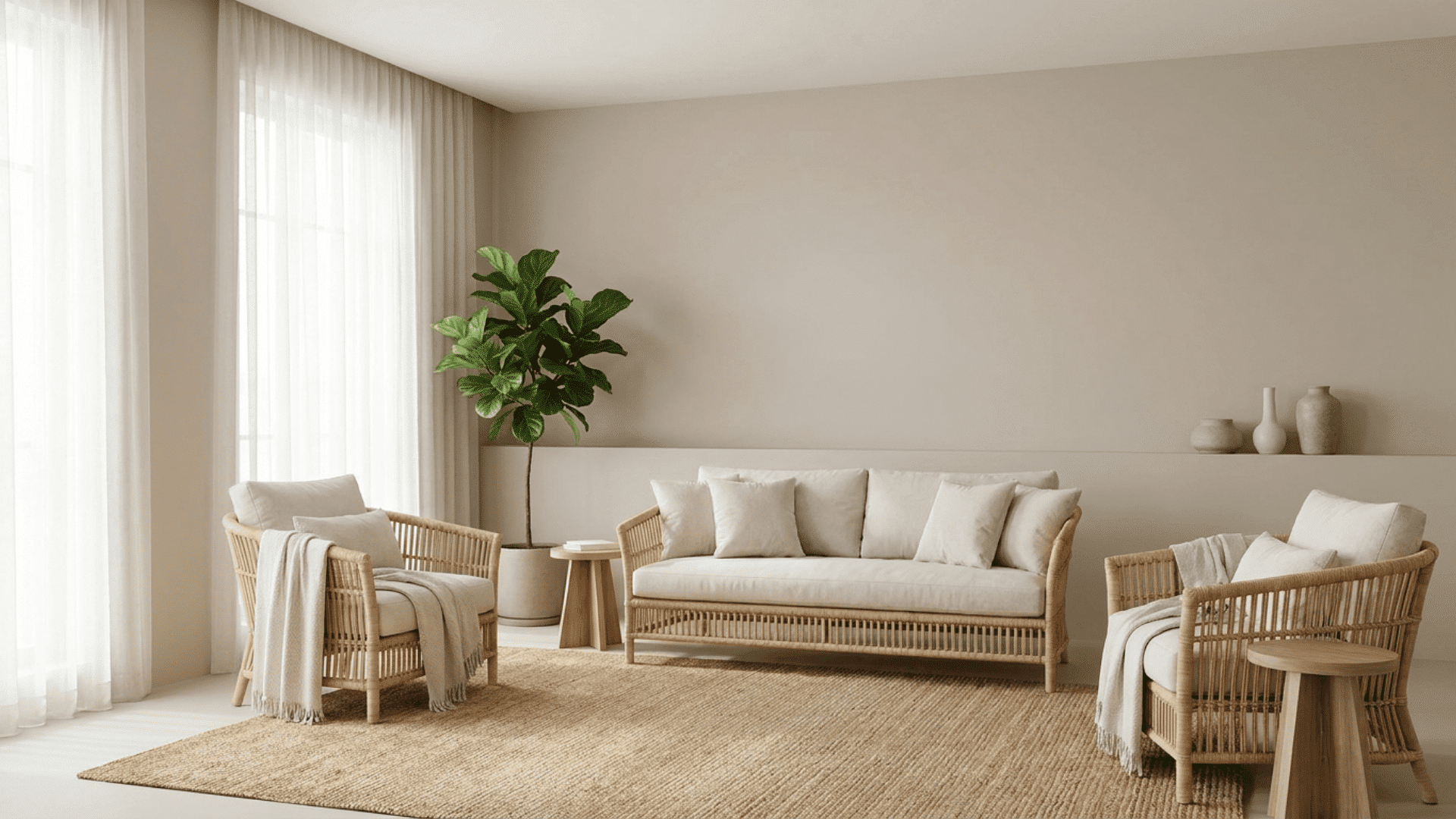
| Natural Materials | Warmth, texture, and a stronger connection to the outdoors through wood, wool, linen, stone, and brick. |
| Neutral Colors | A bright, airy feel with soft accent colors and subtle black details for contrast. |
The Role of Natural Light in Scandinavian Interior Design
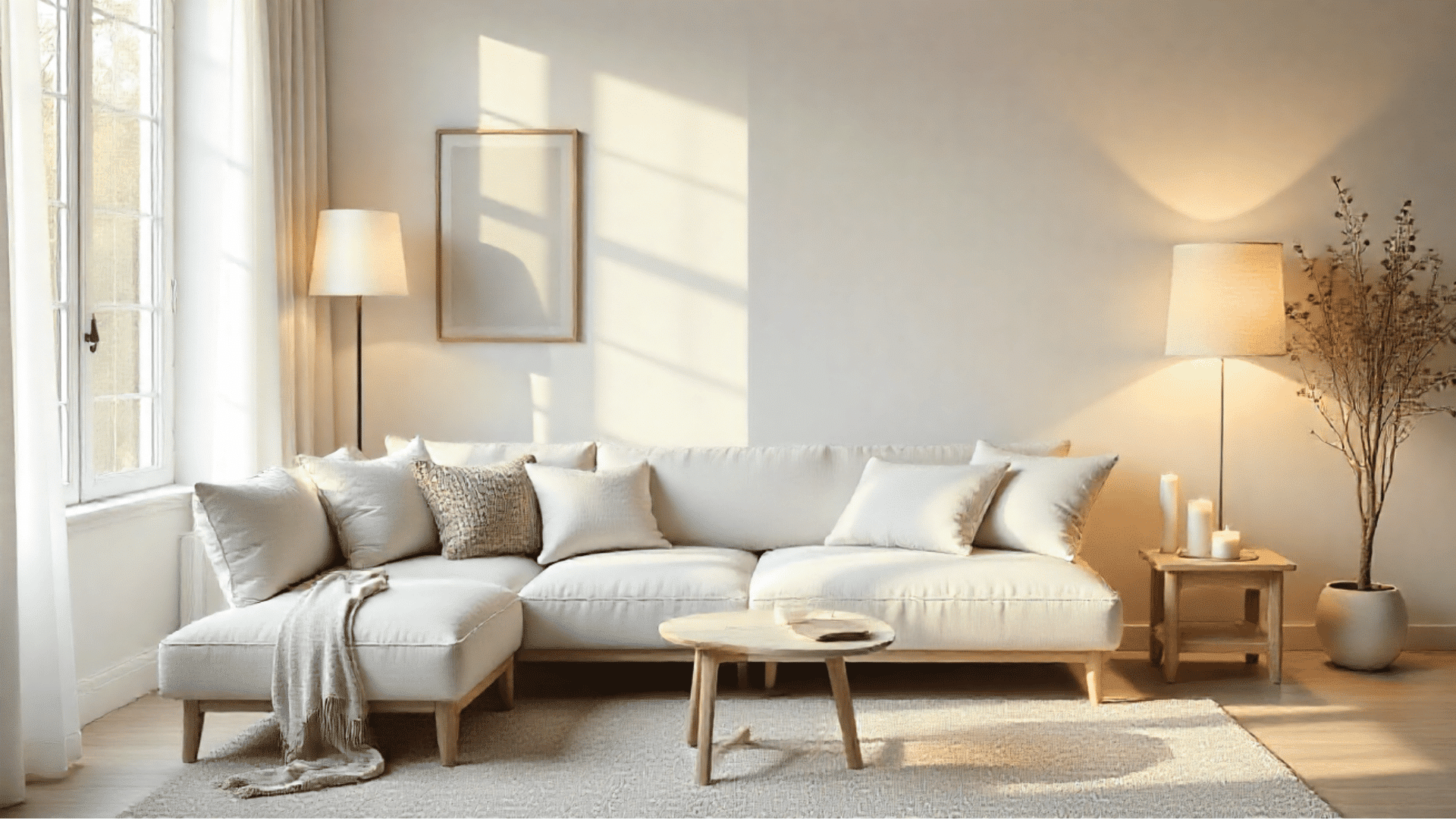
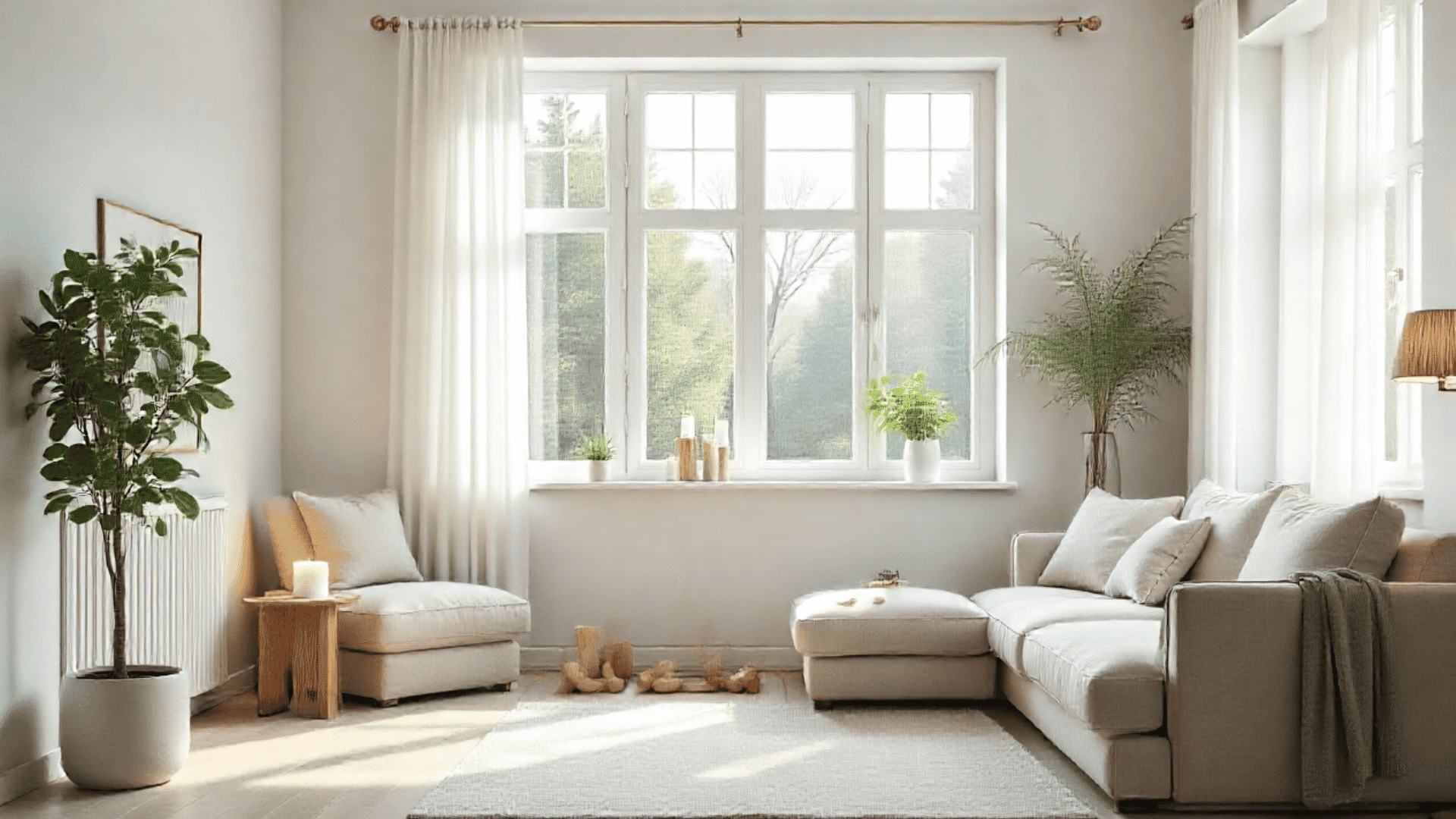
One of the most important features of Scandinavian interior design is natural light. Nordic countries get limited sunlight during the winter months, so every bit of light is treated like a treasure.
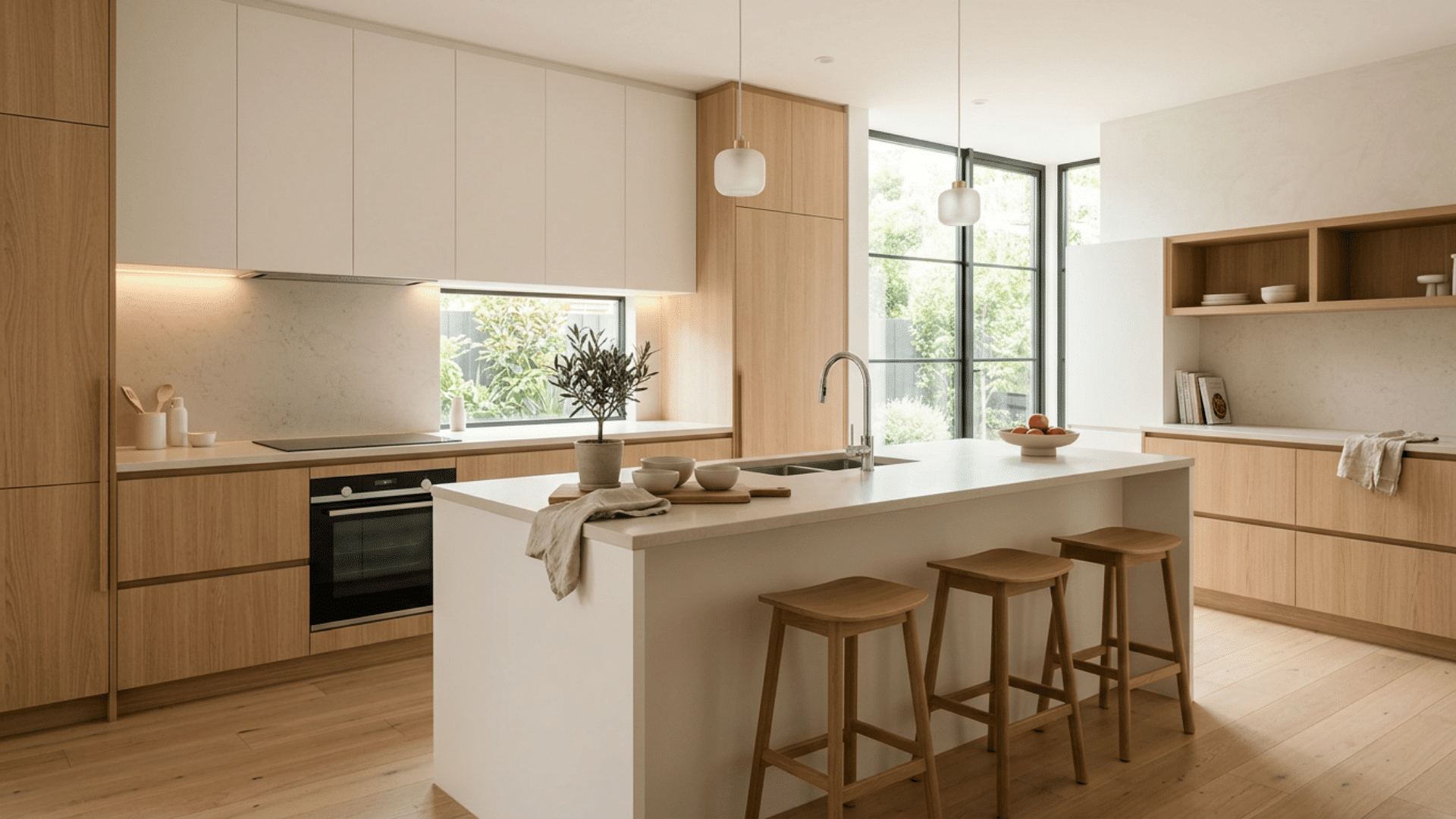
That is why Scandinavian houses are designed with large windows. Big windows flood the room with daylight and make the space feel open.
Curtains, when used, are usually sheer or light-colored so they do not block the sun.
Inside the room, white walls and pale floors help bounce that light even further. The result is a space that feels bright and cheerful even on a gray day.
When the sun goes down, lighting becomes just as important. Candles, warm-toned bulbs, and floor lamps with soft shades replace daylight.
This layered lighting approach creates a cozy glow that feels welcoming in the evening hours.
Understanding Hygge: The Cozy Heart of Nordic Home Decor
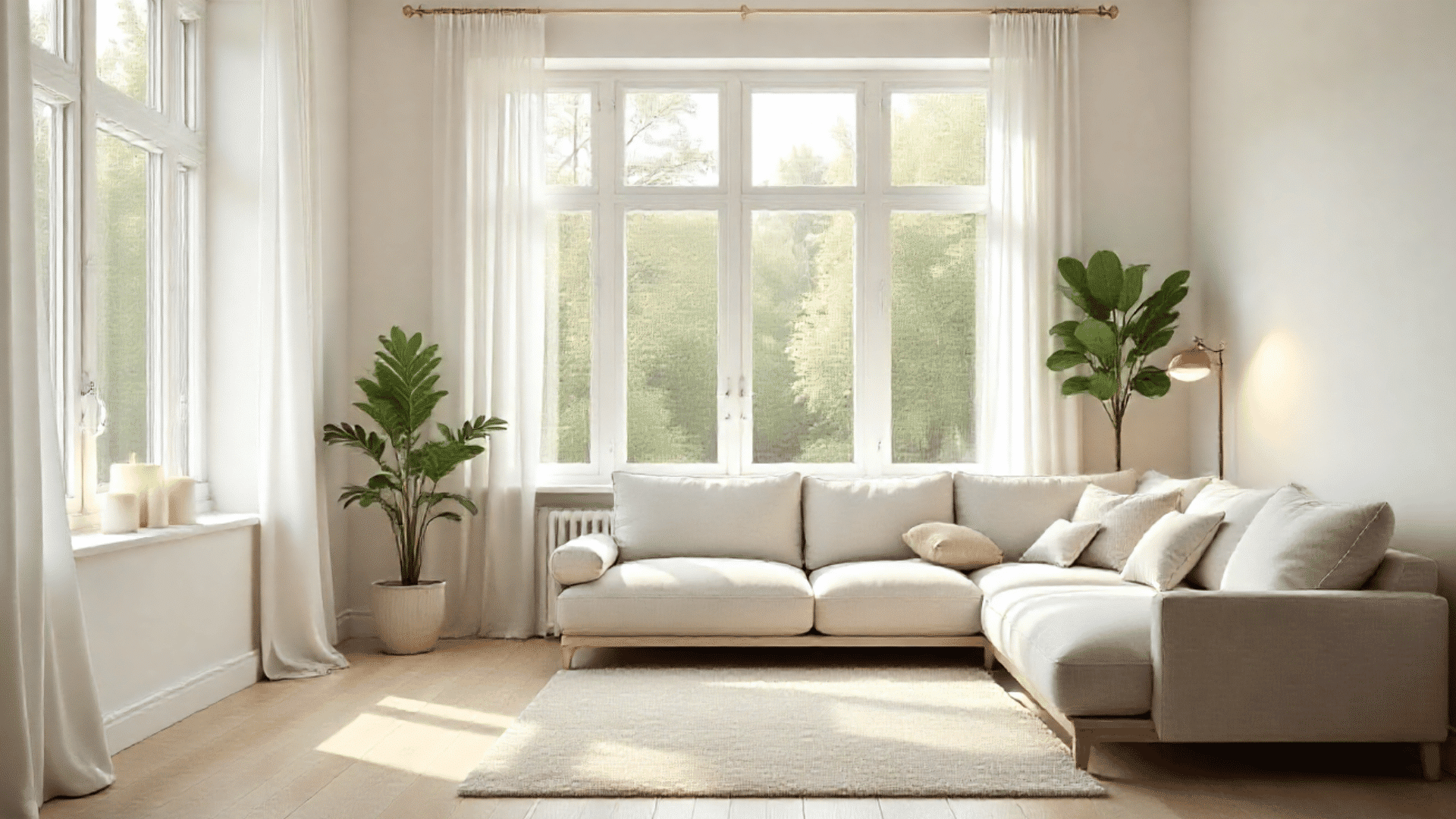
You have probably heard the word hygge by now. It is a Danish concept that roughly translates to coziness, comfort, and well-being.
It is not just about physical warmth. It is about feeling good in your space, feeling safe, and enjoying the small pleasures of everyday life.
The hygge concept is woven into every corner of Scandinavian design. It explains why this style, despite being minimal, never feels cold. Here is how hygge shows up in a room. Soft wool throws draped over a sofa. A candle flickering on the coffee table.
A chunky knit rug underfoot. A warm mug of tea sits beside a well-used book.
None of these things is expensive or complicated. But together, they create a feeling that is hard to describe and easy to love.
Cozy textiles are one of the most practical ways to bring the hygge concept into your home.
Layer blankets, add cushions, and choose fabrics that feel good to touch. That tactile comfort is a key part of Nordic home decor.
Modern Scandinavian Design: How the Style Has Evolved
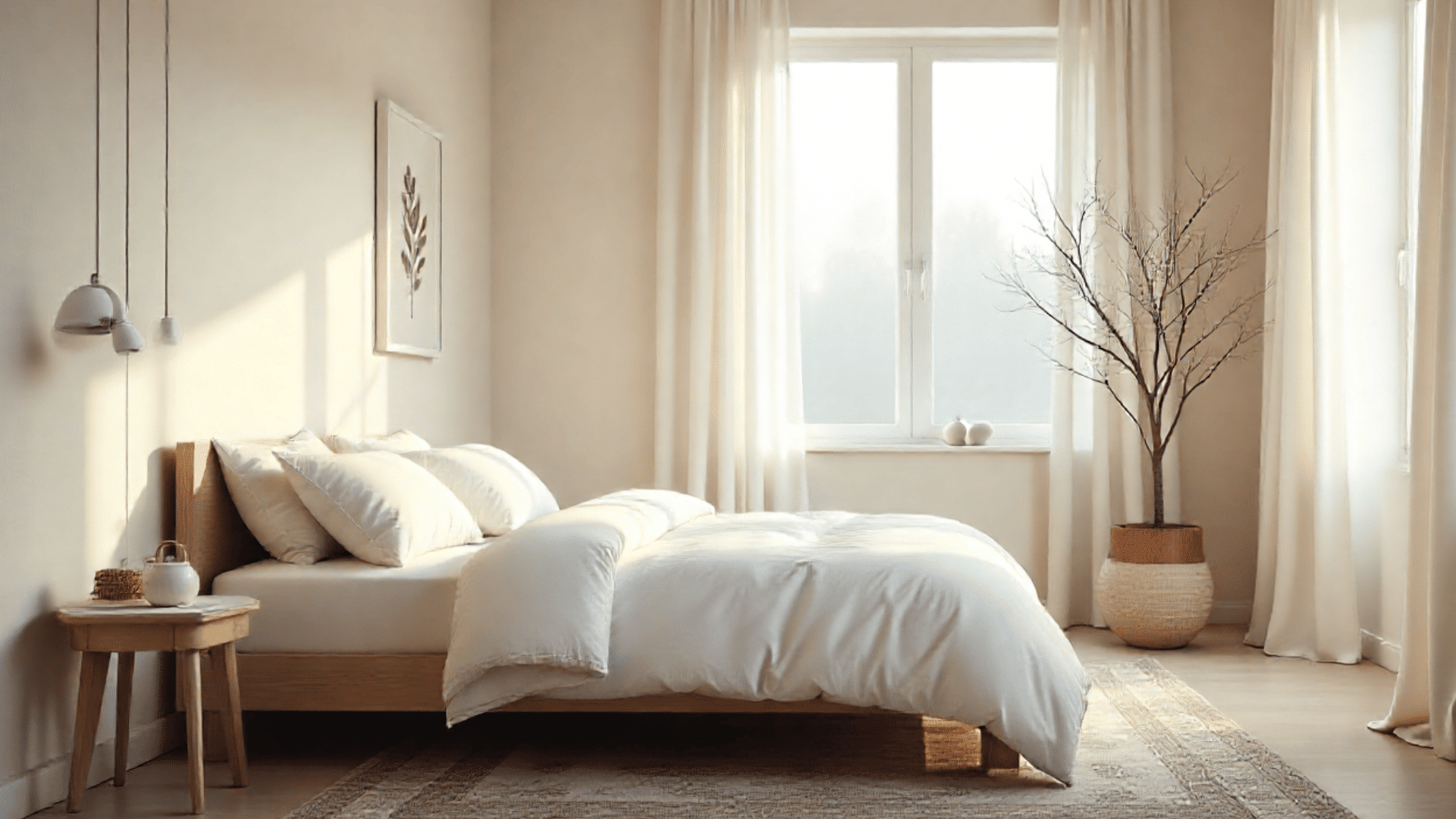
The style has not stayed frozen in the nineteen-fifties. Modern Scandinavian design has evolved with the times while holding on to its core values.
Today’s Scandinavian interiors tend to be warmer and more expressive.
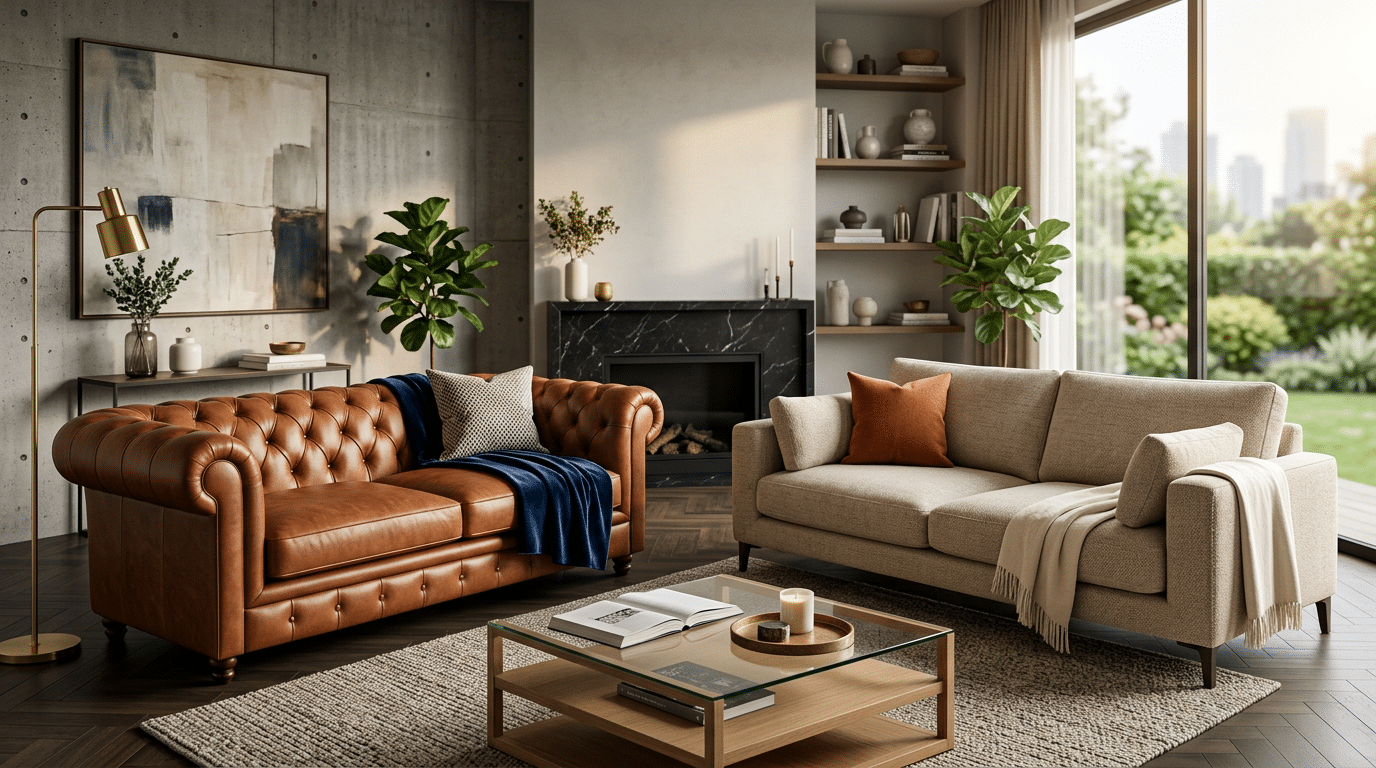
While earlier versions leaned heavily on pure white and bare walls, modern interpretations introduce richer wood tones, deeper accent colors, and more personality.
| Richer Tones & Bolder Accents | Organic Shapes & Sustainable Materials | Personal Expression |
|---|---|---|
| Deep olive green, burnt terracotta, and warm navy add depth and warmth to Scandinavian interiors. | Rounded sofas, oval tables, and arched lamps create a softer, more welcoming look. | Graphic posters, handmade items, and meaningful décor add personality to the space. |
| These colors complement neutral backgrounds without overwhelming the room. | Recycled materials, biomaterials, and eco-friendly production methods support sustainability goals. | Personal collections are displayed thoughtfully to avoid clutter. |
| Creates a cozier and more inviting feel than traditional all-white spaces. | Reflects the Scandinavian focus on quality, durability, and environmental responsibility. | Maintains a minimalist foundation while making the home feel unique and lived-in. |
Scandinavian Style in a Modern House
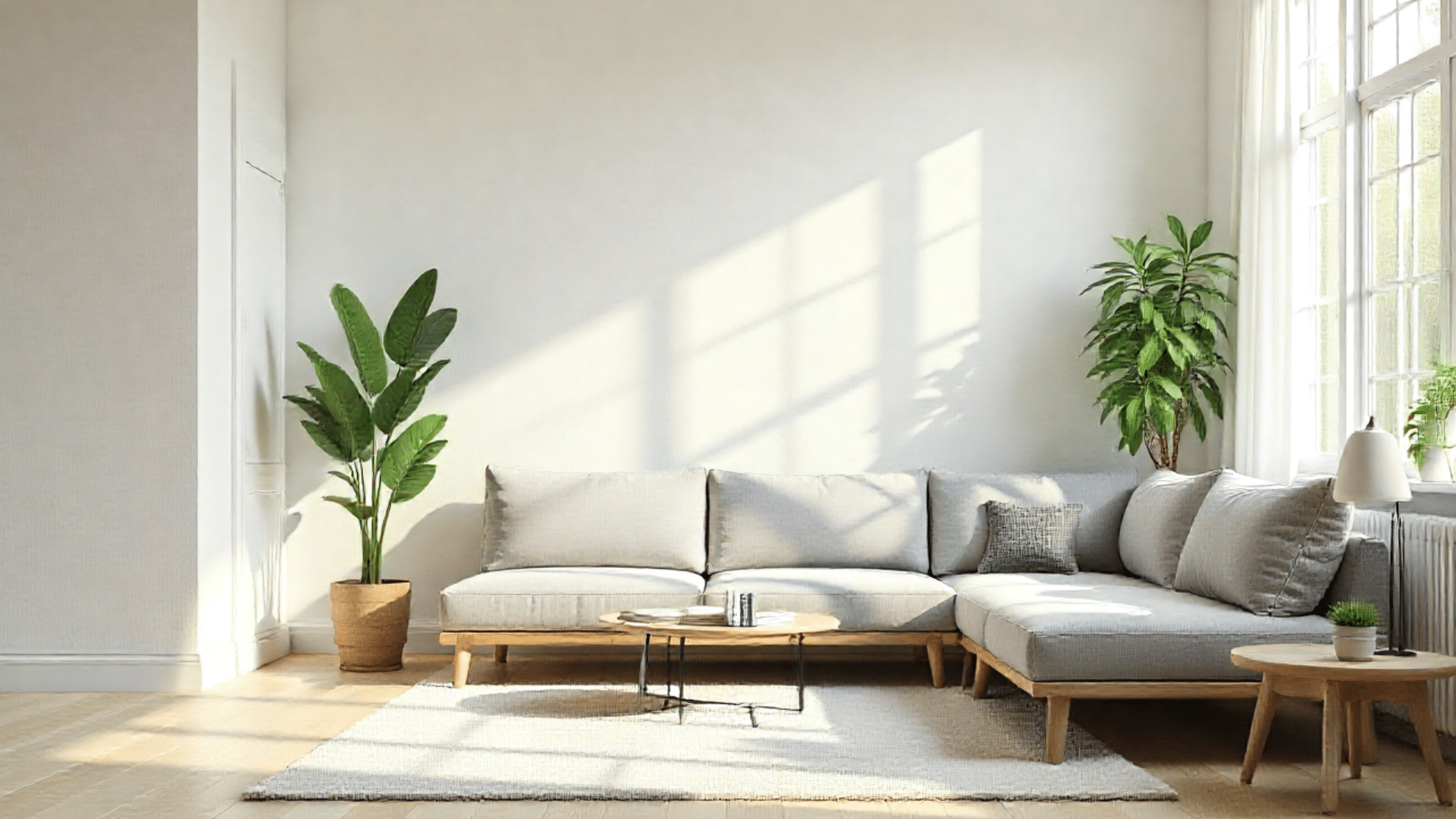
Scandinavian house design takes these same principles and applies them to the whole building. Large windows, open floor plans, and natural building materials are the key features.
The exterior is typically clean and simple. Neutral tones, minimal ornamentation, and honest materials like wood cladding or stone give the outside the same calm quality as the inside.
Inside, open floor plans allow light to move through the space without walls blocking it. Wood floors run throughout.
A fireplace or wood stove often anchors the Scandinavian living room, providing both warmth and a natural focal point for the room.
The overall effect is a home that feels grounded, calm, and connected to its surroundings.
How to Bring Scandinavian Furniture Style Into Your Home
You do not need to gut your whole house to bring this style in. You can start small and build from there.
- Start with the color palette. Paint one room in a warm white or soft gray. Keep the trim clean and simple so the walls set the tone.
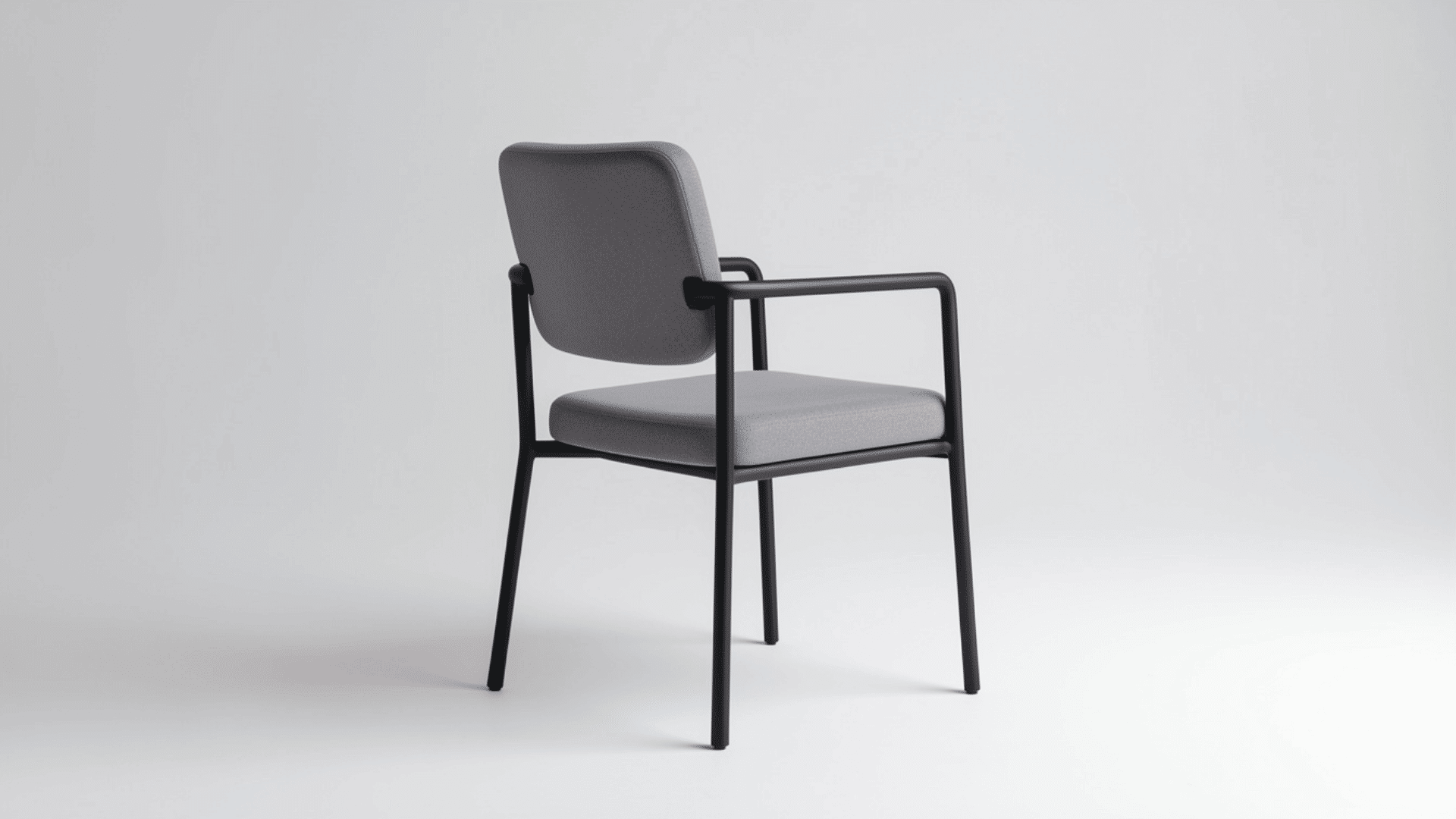
- Choose the right furniture. Pick clean-lined furniture with natural finishes, such as light wood tables, simple shelves, and neutral sofas. Avoid heavy carvings or shiny finishes.
- Ask one key question before buying furniture: “Does this piece do something useful?” If it is useful and looks good, it fits the space.
- Layer in textiles. Add warmth with a wool rug, soft throws, and cushions in similar tones but different textures.
- Bring nature inside. Use low-maintenance plants like snake plants, pothos, or olive trees in simple ceramic pots.
- Edit ruthlessly. Remove items you do not use or love. Keep surfaces clear and give each piece room to stand out.
Why Scandinavian Design Works in Any Home
One of the great things about minimalist home design done the Scandinavian way is how adaptable it is to any home or budget.
- One of the great things about minimalist home design done the Scandinavian way is its adaptability.
- It works in a small apartment just as well as in a large family home. The principles translate across different climates and cultures, too.
- The timeless quality of the design is what makes it last. Neutral palettes do not go out of date.
- Quality wood furniture gets better with age. Simple shapes never look wrong. You invest once, and the look stays relevant for years.
Bottom Line
Scandinavian furniture style is one of the most livable and lasting design approaches out there.
It combines clean lines, natural materials, neutral colors, and cozy touches to create spaces that feel bright, calm, and genuinely comfortable.
The hygge concept keeps the warmth in, and the minimalist framework keeps the clutter out.
Modern Scandinavian design has made the style even more personal and expressive without losing what makes it work.
If you are redecorating a single room or building from scratch, the principles in this guide give you a solid foundation to start from.
Pick one idea from this article, put it into action today, and see how quickly the whole room starts to shift.
Frequently Asked Questions
What is the Main Idea Behind Scandinavian Furniture Style?
The main idea is that every piece in the room should look good and serve a useful purpose.
What Does Hygge Mean in Home Design?
The hygge concept is a Danish idea about coziness, comfort, and well-being at home.
What Natural Materials are Used in Nordic Home Decor?
Nordic home decor relies heavily on light wood, stone, wool, linen, and brick.