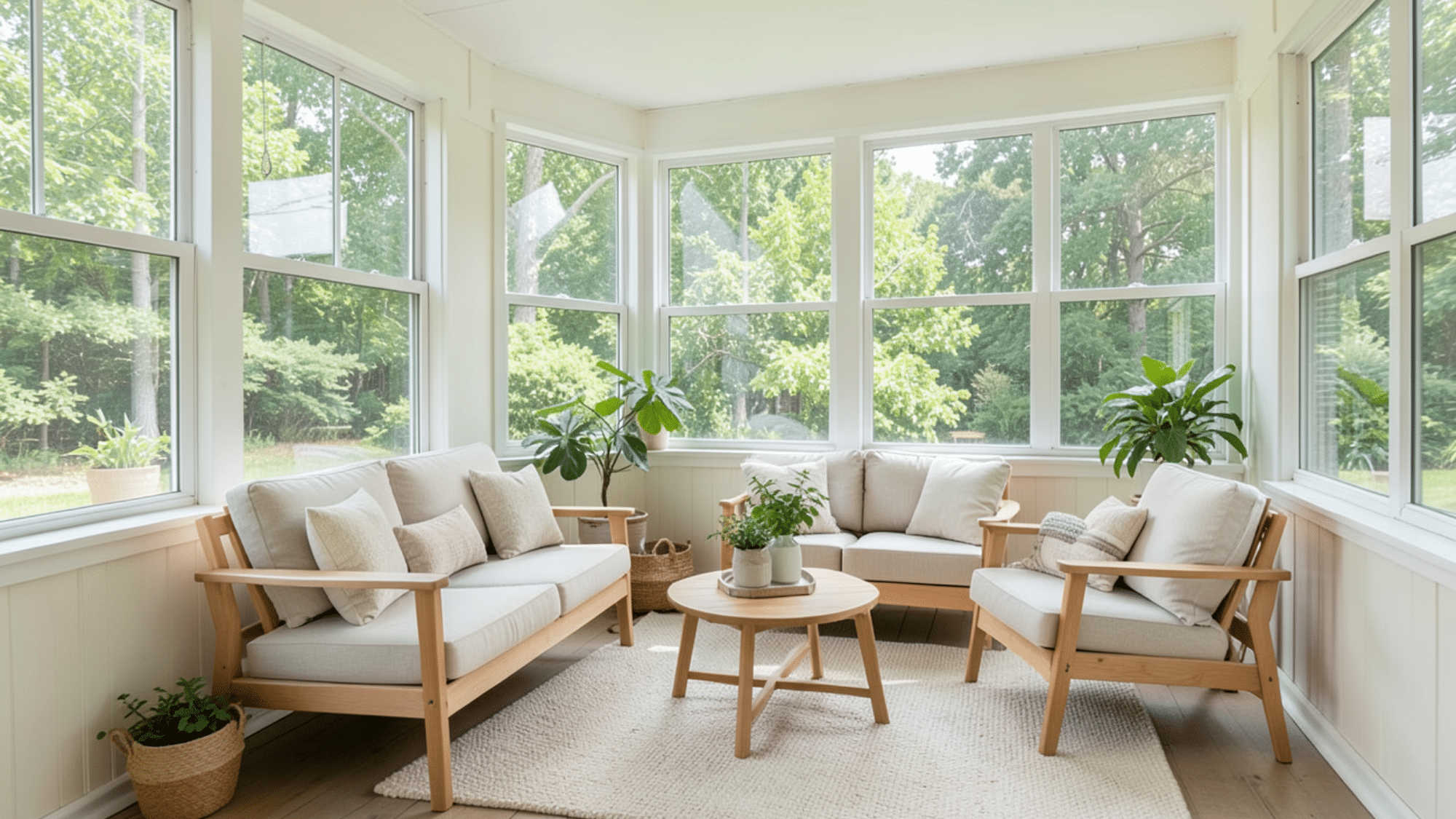

Winter can feel long, but I’ve learned it doesn’t have to be boring. With the right ideas, you can fill your days with simple, fun moments that keep you active and relaxed.
I put together this list of the best winter activities to try this season to help you stay busy without overthinking it.
I’ve also included a few simple winter decor ideas that can make your space feel warmer and more inviting during colder days.
In this guide, I’ll share a mix of indoor and outdoor ideas you can try on your own or with others.
Some are quick and easy, while others help you slow down and enjoy your time more. You don’t need special skills or a big budget to get started.
I’ve also included practical options that work no matter where you live. My goal is to give you clear, useful ideas you can actually use.
Let’s get started and make this winter feel a little better and more enjoyable.
Why Winter is the Perfect Time for Fun Activities
Winter slows daily routines, creating more time for simple activities. Shorter days and colder weather make indoor and outdoor options feel more enjoyable and easier to plan.
There is a good mix of choices during this season. Indoor ideas like reading, cooking, or crafts help pass quiet time.
Outdoor options like walking, skating, or playing in the snow keep the body moving. This balance works for different lifestyles and comfort levels.
Winter activities also support well-being in simple ways. They help with relaxation after busy days and give space for creative hobbies.
Spending time with family or friends builds stronger connections. Staying active, even in small ways, helps maintain energy and mood.
Overall, winter offers a steady pace that makes it easier to enjoy small moments and stay engaged without feeling rushed.
Best Winter Activities to Try This Season
A mix of simple and engaging ideas helps fill winter days with purpose. These activities work across different settings and comfort levels.
1. Build a Snowman
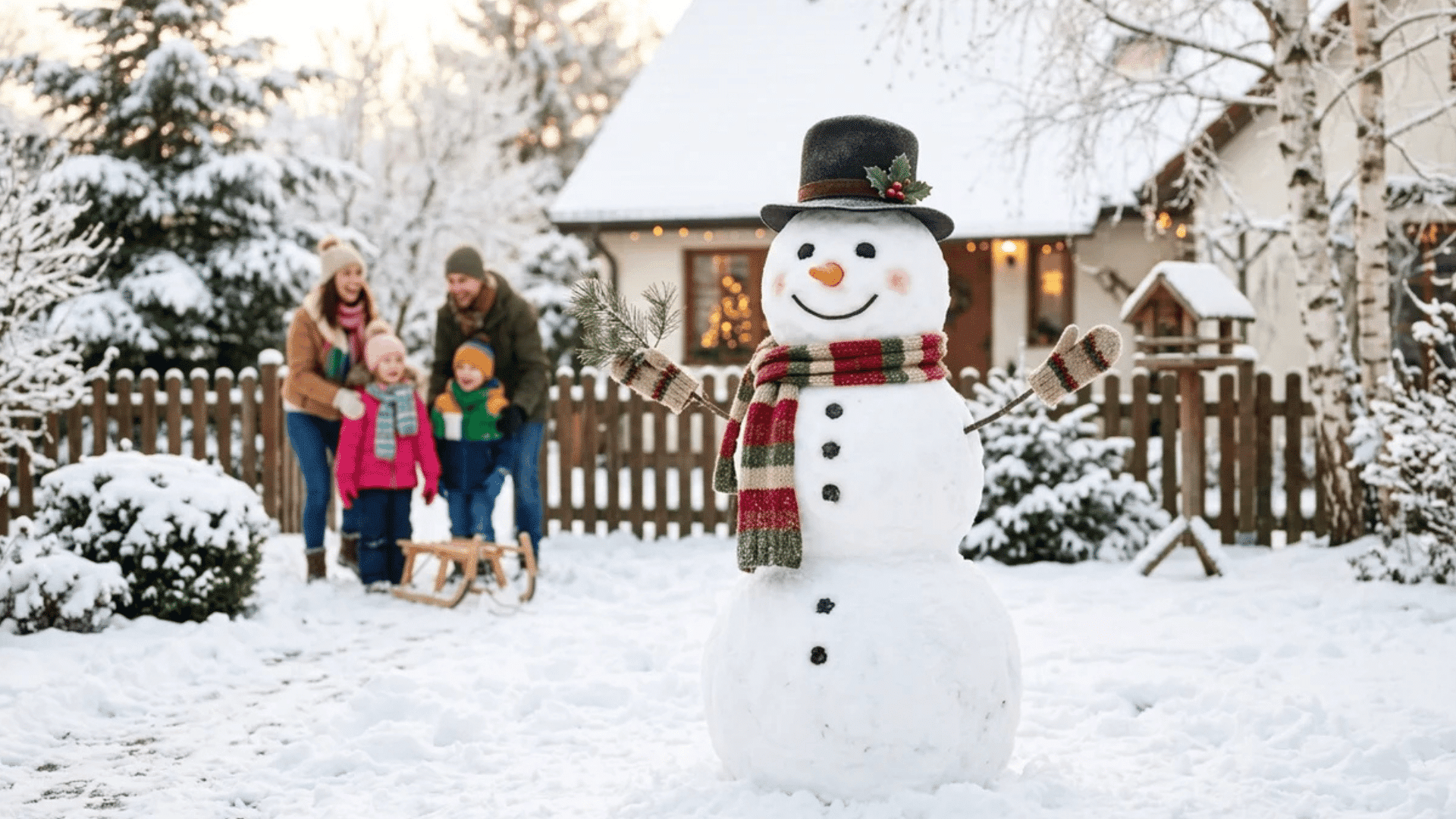
Building a snowman is a simple way to enjoy winter outdoors. It requires little planning and works for all age groups. Adding small props like scarves and hats makes the activity more creative and fun.
My friend once turned it into a full afternoon project with the kids next door. It also encourages light movement without feeling tiring.
This works best when the snow is slightly wet, so it sticks well and holds shape.
Things to Know Before:
- Use firm snow for better structure
- Add simple items for features
- Build on flat ground for stability
2. Go Ice Skating
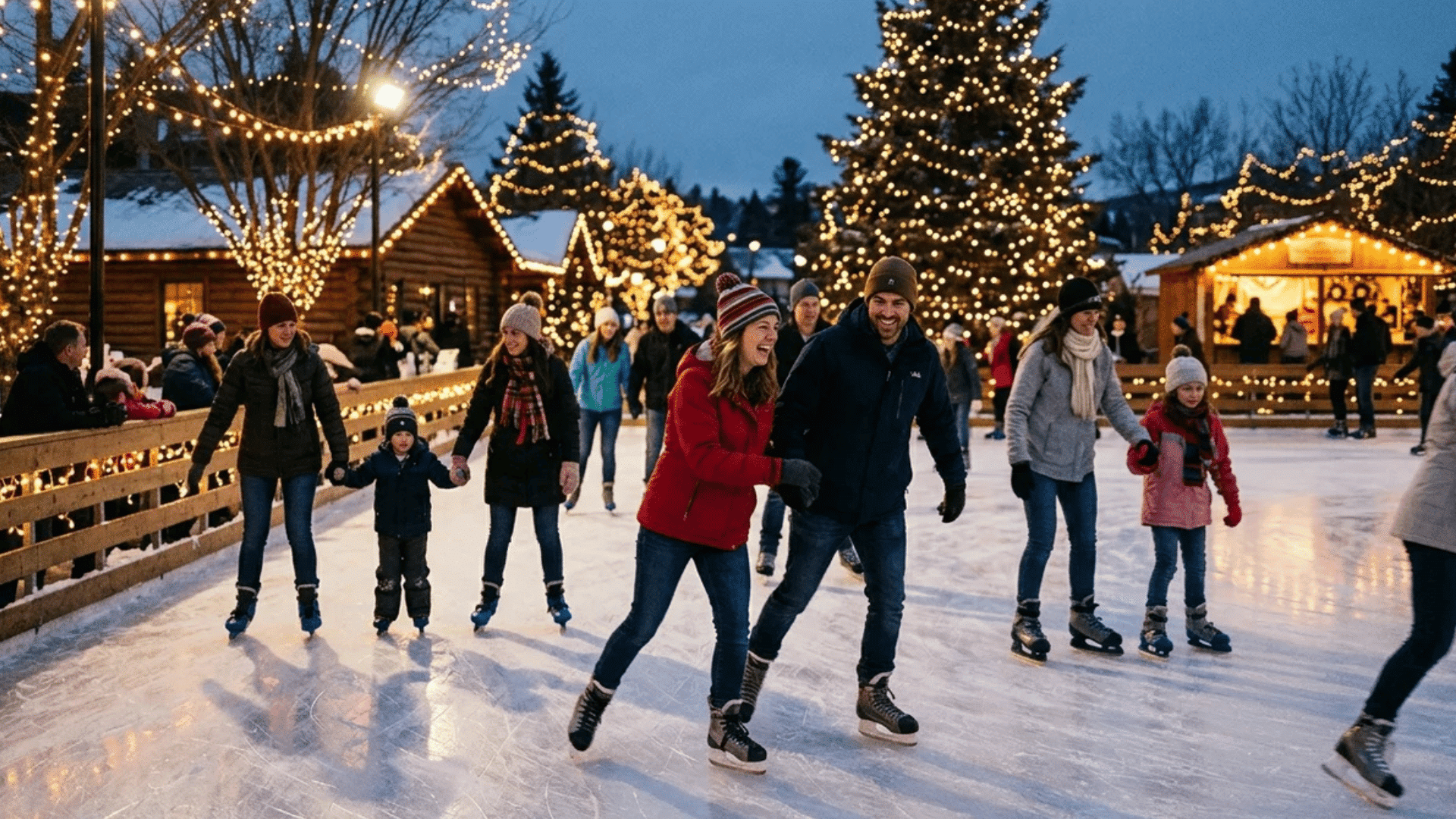
Ice skating combines movement with fun in a structured setting. It helps improve balance and coordination over time. Beginners can start slowly and gain confidence step by step.
My client preferred indoor rinks, as they offer a controlled surface and fewer risks. Skating can be done alone or with others, making it flexible for different plans.
It is a good way to stay active during colder months without heavy effort. Even short sessions leave you feeling refreshed.
Things to Know Before:
- Wear properly fitting skates
- Start near the rink edge
- Use gloves for hand protection
3. Try Sledding

Sledding is one of the easiest winter activities to start. It does not need special skills and can be done on small hills. I tried it on a short slope once, and it still felt fast and enjoyable.
It offers quick bursts of movement, which helps keep energy up during colder days. This activity suits both short breaks and longer outdoor sessions.
Even beginners pick it up fast, and the low barrier means practically anyone can join in without preparation.
Things to Know Before:
- Choose slopes without obstacles
- Use strong sleds
- Keep a distance between turns
4. Have a Snowball Fight
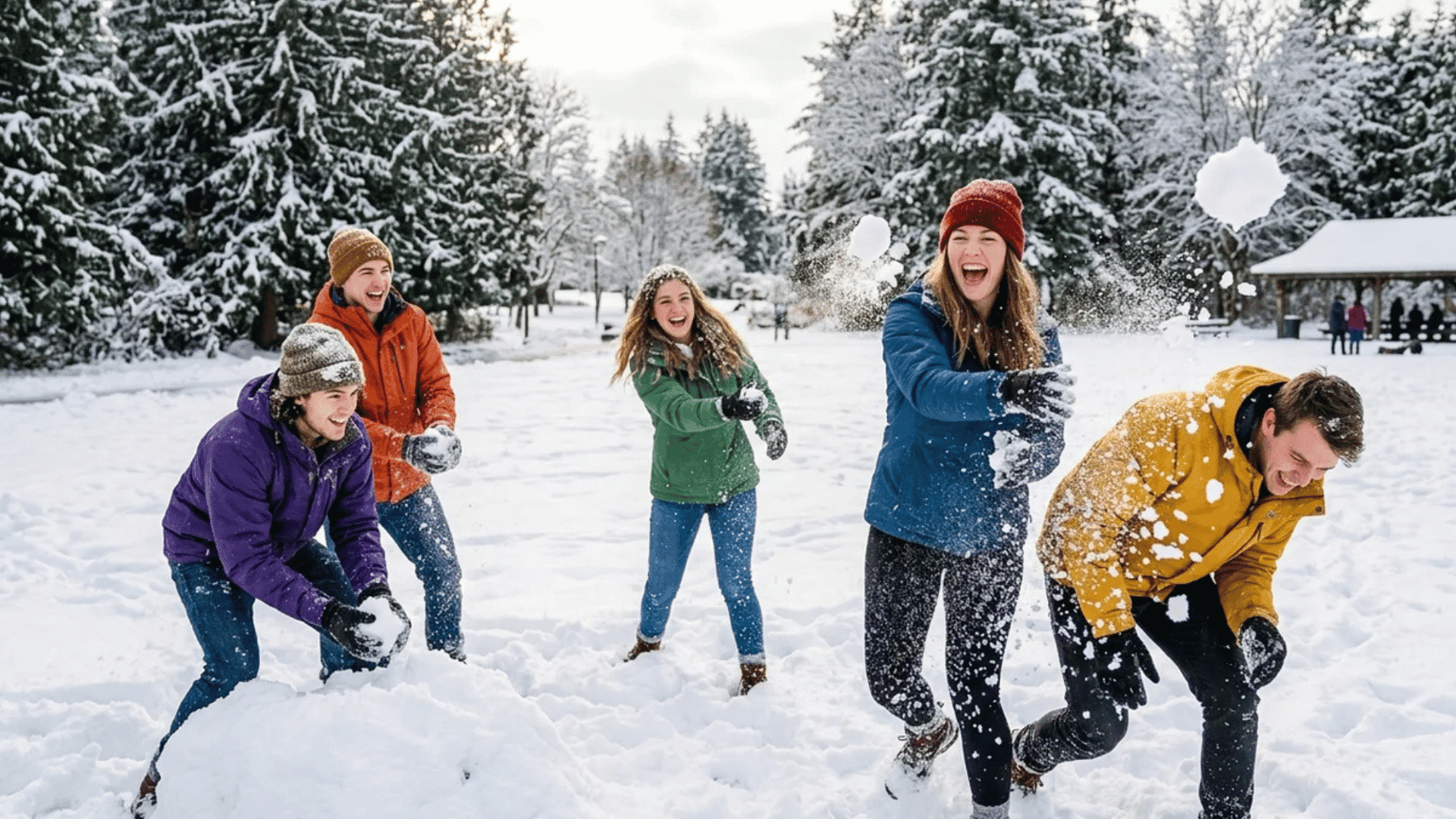
A snowball fight adds energy and group interaction to winter days. It works well in open spaces and adjusts easily for different group sizes.
My friend set simple rules to keep it safe and fair, which made everything more enjoyable for everyone involved. It encourages movement while still feeling playful and light.
Snowball fights work best when the snow is soft and easy to shape, so nobody ends up throwing hard-packed ice at full speed.
Things to Know Before:
- Avoid throwing hard ice
- Set clear play boundaries
- Do not aim at faces
5. Go Skiing

Skiing offers a structured way to stay active in winter. It combines balance, focus, and steady movement across varied terrain.
My client started with beginner lessons, which helped build confidence quickly and safely. It suits different skill levels, making it accessible for both new and experienced participants.
Skiing keeps the body engaged while spending meaningful time outdoors. Rest breaks matter, especially on longer runs.
Taking things at your own pace is more enjoyable than rushing to keep up with others.
Things to Know Before:
- Start with beginner slopes
- Wear safety gear
- Take breaks to avoid fatigue
6. Try Snowboarding

Snowboarding builds balance and control while keeping winter days active. It may feel tricky at first, but progress comes fast with practice.
My friend took a short beginner lesson and improved noticeably within just a few sessions. The learning curve is part of the appeal, especially when small wins start showing up.
It suits people who enjoy steady physical movement with a bit of focus. Falling is normal early on, so protective gear is worth wearing from the very first run.
Things to Know Before:
- Start on gentle slopes
- Wear proper protective gear
- Expect a few falls at first
7. Take a Winter Walk
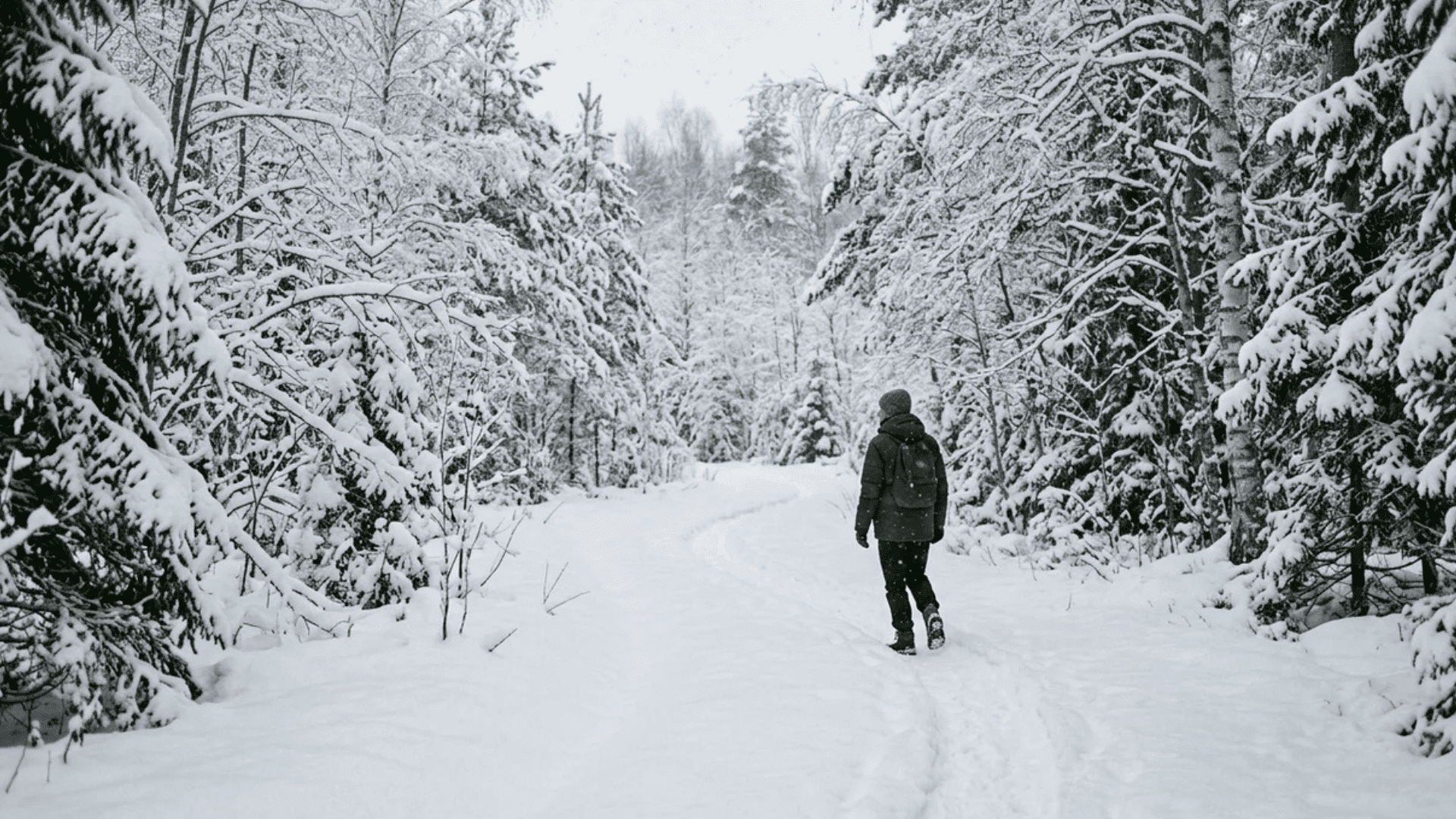
A winter walk is a calm way to stay active without pressure. It helps clear the mind and keeps the body moving at a steady pace.
I usually take short morning walks when the air feels fresh and quiet, before the day picks up. It requires no planning and fits easily into most daily routines.
Even a short walk can improve mood and focus during colder days. Layering up properly makes the difference between a pleasant outing and one you cut short.
Things to Know Before:
- Wear warm, layered clothing
- Choose safe walking paths
- Walk during daylight hours
8. Drink Hot Chocolate by the Fire

Hot chocolate creates a simple, relaxing indoor moment. Sitting near warmth adds comfort after a long day outside in the cold.
My client enjoys adding cinnamon or marshmallows to make it feel a little more special. This works well during quiet evenings and helps slow things down naturally.
It’s easy, low effort, and perfect for unwinding without needing any real planning. Pairing it with a light snack or a book turns it into a genuinely restorative end to the day.
Things to Know Before:
- Use quality cocoa for better taste
- Avoid very high heat
- Pair with light snacks
9. Read a Cozy Book

Reading during winter helps pass the time in a calm and focused way. It reduces screen time and improves attention without much effort.
I like picking light, easy reads that match the slower pace of the season. A good book turns a quiet evening into something worthwhile.
My go-to setup is a warm blanket, decent lighting, and no notifications. It’s one of the simplest ways to relax indoors when the weather makes going outside feel less appealing than staying in.
Things to Know Before:
- Choose comfortable seating
- Use soft lighting
- Set a daily reading time
10. Watch Winter Movies

Watching movies is an easy way to relax during colder days. It suits solo evenings and group settings equally well.
My friend often plans small movie nights with simple snacks, and that little bit of effort makes the whole thing feel more like an occasion.
No real preparation needed, just a decent watchlist and a comfortable spot. It’s an effective way to unwind after a busy day without requiring any energy.
Keeping the list short helps avoid the decision fatigue of scrolling endlessly.
Things to Know Before:
- Pick short watchlists
- Avoid long screen sessions
- Keep a comfortable setup
11. Bake Cookies

Baking cookies adds warmth and a sense of routine to winter days. It is a creative activity that does not require advanced skills or expensive equipment.
Simple recipes work well and are easy to follow without much prior experience. The process feels calming, and the result is rewarding in a straightforward way.
Measuring ingredients carefully and preheating the oven before starting leads to more consistent results.
It is also an activity that works well with others, making it good for an afternoon with family.
Things to Know Before:
- Measure ingredients carefully
- Preheat the oven properly
- Keep baking time in check
12. Make Homemade Soup

Homemade soup is filling and comforting during winter. It helps maintain warmth and supports a practical, balanced diet without much expense.
Simple recipes with fresh vegetables come together quickly and require minimal cooking skill. Cooking on low heat and using quality ingredients improves both taste and texture.
Leftovers store well, making it useful for more than one meal. It is a reliable activity for cold days when something warm and satisfying is needed without the fuss of a more complex dish.
Things to Know Before:
- Use fresh ingredients
- Cook on low heat
- Store leftovers safely
13. Start a DIY Craft Project

DIY projects help pass the time while building creativity at a manageable pace. They can be simple and do not require expensive tools or prior experience.
Starting with a small, straightforward project makes it easier to stay focused without feeling overwhelmed. The process keeps the mind engaged without added pressure or strict deadlines.
Keeping tools organized and working in a clean space makes everything run more smoothly. Over time, these small projects can turn into a regular habit that fills quiet winter days productively.
Things to Know Before:
- Choose easy projects first
- Keep tools organized
- Work in a clean space
14. Build a Blanket Fort

A blanket fort creates a cozy indoor setup for both kids and adults. It adds a playful element to quiet days without requiring materials beyond what is already at home.
Using sturdy furniture as support keeps the structure stable and safe. Once built, it works well as a reading spot, a movie nook, or just a change of scenery indoors.
It is simple to put together and easy to take down. Avoiding blocked airflow and sharp corners keeps the setup comfortable for longer use.
Things to Know Before:
- Use sturdy furniture support
- Avoid blocking airflow
- Keep it safe and stable
15. Try Indoor Yoga
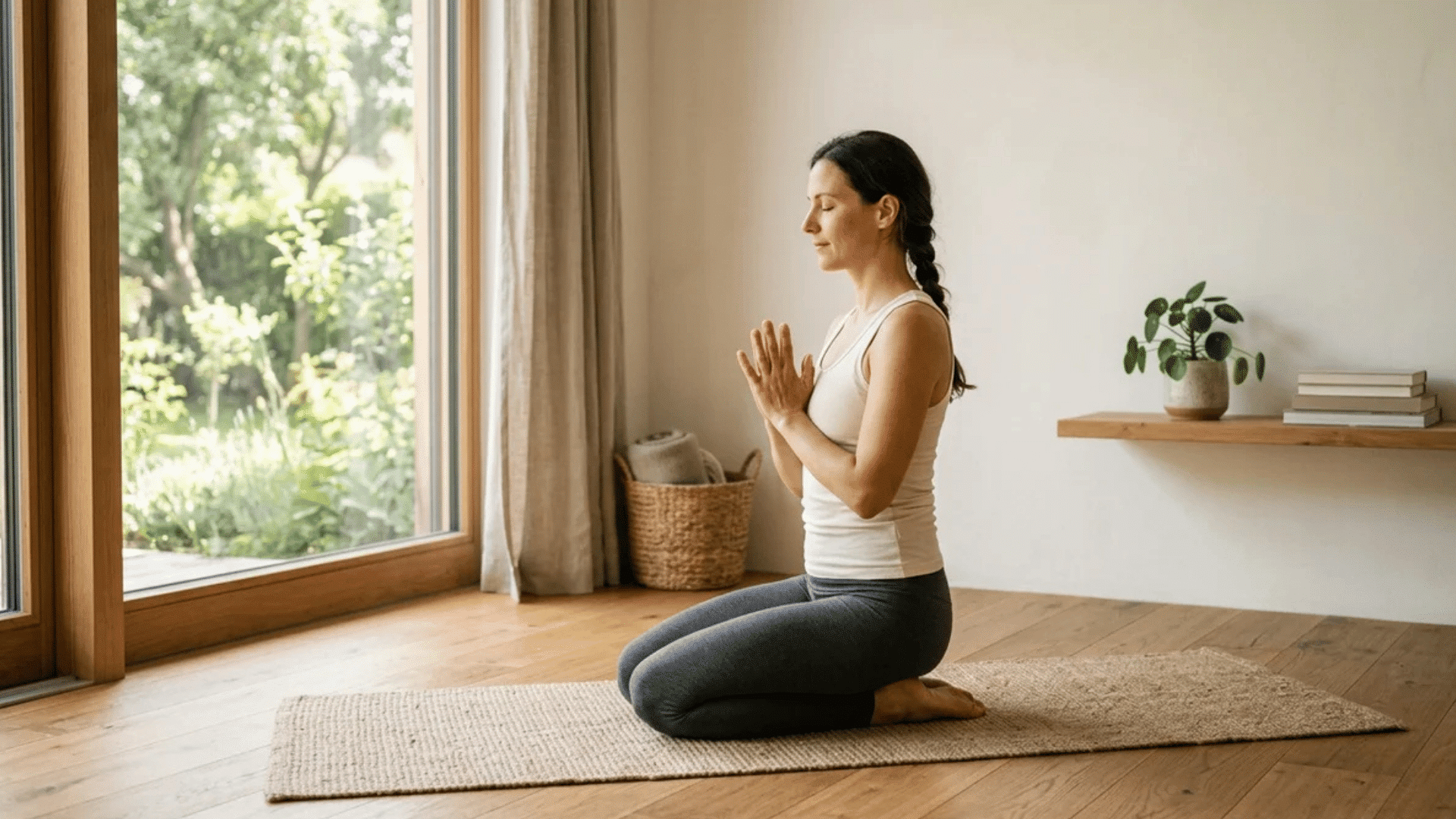
Indoor yoga helps maintain flexibility and a calm mind during winter. It requires little space and no special equipment to get started.
Short sessions fit easily into daily routines and are sustainable over time. Basic poses work well for beginners and still offer noticeable benefits in both body and focus.
Using a non-slip mat improves stability during standing poses.
Keeping sessions brief at first prevents overexertion and makes it easier to build a consistent habit that carries through the rest of the colder months.
Things to Know Before:
- Use a non-slip mat
- Start with basic poses
- Keep sessions short
16. Visit a Winter Festival

Winter festivals bring local culture and seasonal activities into one place. They typically include food, music, and casual entertainment suited to the time of year.
Attending one offers a good break from daily indoor routines and provides easy social interaction without much planning.
Checking event timings in advance and dressing warmly make the visit more comfortable. Planning travel ahead of time avoids last-minute stress, especially during busy weekend events.
Most festivals are designed to be accessible, so they suit a range of ages and group sizes without difficulty.
Things to Know Before:
- Check event timings
- Dress warmly
- Plan travel in advance
17. Go Holiday Shopping

Holiday shopping adds purpose to winter outings and helps prepare for upcoming celebrations. Going in with a clear list prevents unnecessary spending and keeps the trip focused.
Shopping earlier in the season avoids peak crowds and gives more time to compare options at a relaxed pace. Setting a firm budget before starting is one of the most practical steps.
Many items are available both in stores and online, so comparing prices across both makes it easier to find a better value without extra effort.
Things to Know Before:
- Set a budget
- Shop early
- Compare prices
18. Decorate Your Home

Decorating creates a warm and inviting indoor space during colder months. It lifts mood in a simple, low-cost way and makes the home feel more suited to the season.
Keeping the approach minimal works better than going overboard, since a few well-placed touches often have more impact than a cluttered display.
Using safe lighting and avoiding fire hazards keeps things practical. Focusing on comfort rather than appearance tends to produce the most satisfying results.
Small seasonal updates or DIY decor for the new year can make everyday routines feel noticeably different.
Things to Know Before:
- Keep it minimal
- Use safe lighting
- Focus on comfort
19. Try Ice Fishing
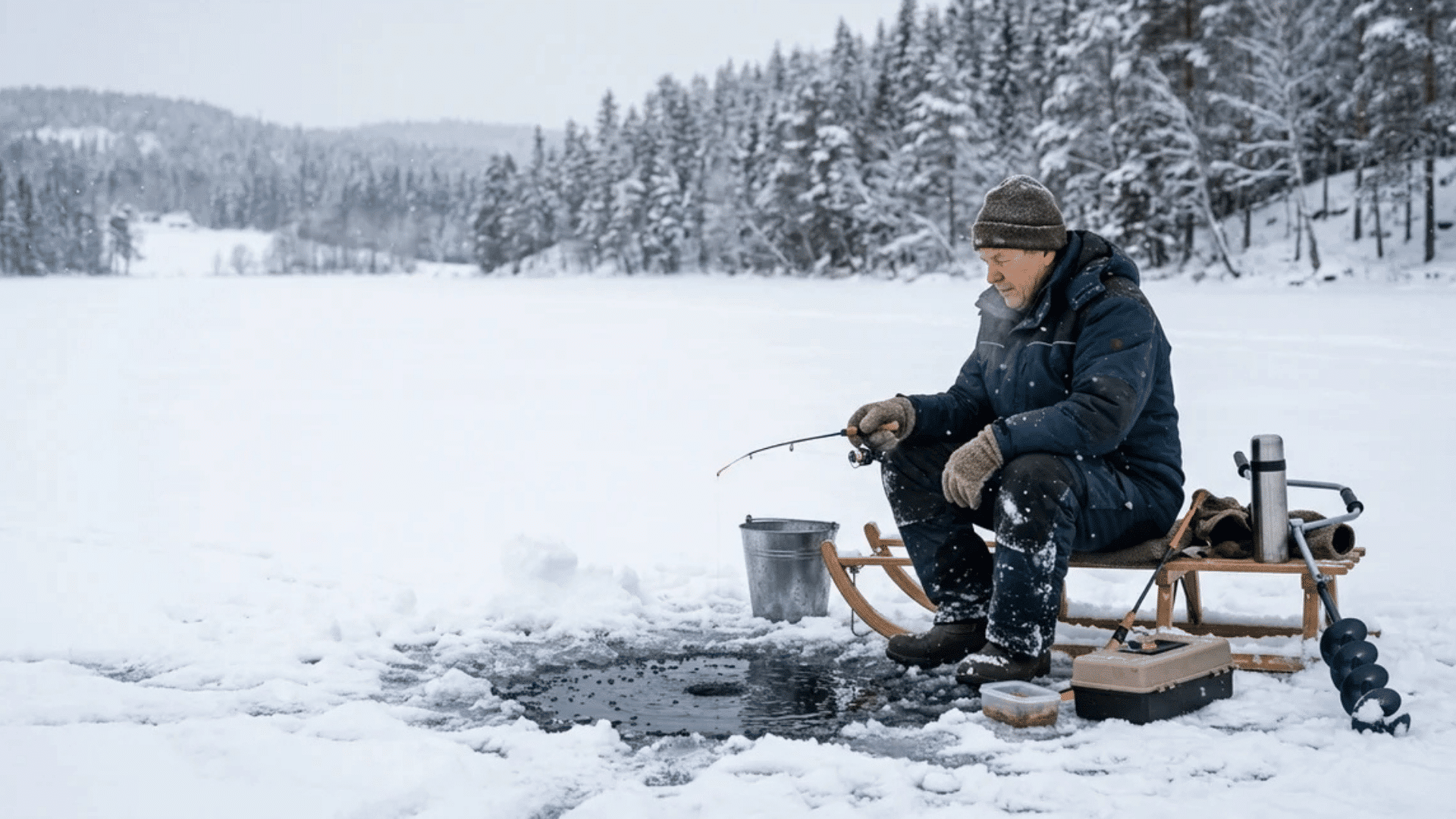
Ice fishing is a quiet outdoor activity that rewards patience over speed. It requires basic gear and a good understanding of safe ice conditions before heading out.
Checking ice thickness beforehand is essential, as conditions vary and can change quickly. Staying within marked or well-known safe zones reduces risk considerably.
Once set up, the activity is calm and low-effort, making it well-suited to people who enjoy being outdoors without constant movement.
Having the right gear and knowing how to use it makes the whole experience far more manageable.
Things to Know Before:
- Check ice thickness
- Use proper gear
- Stay in safe zones
20. Go Hiking in Snow
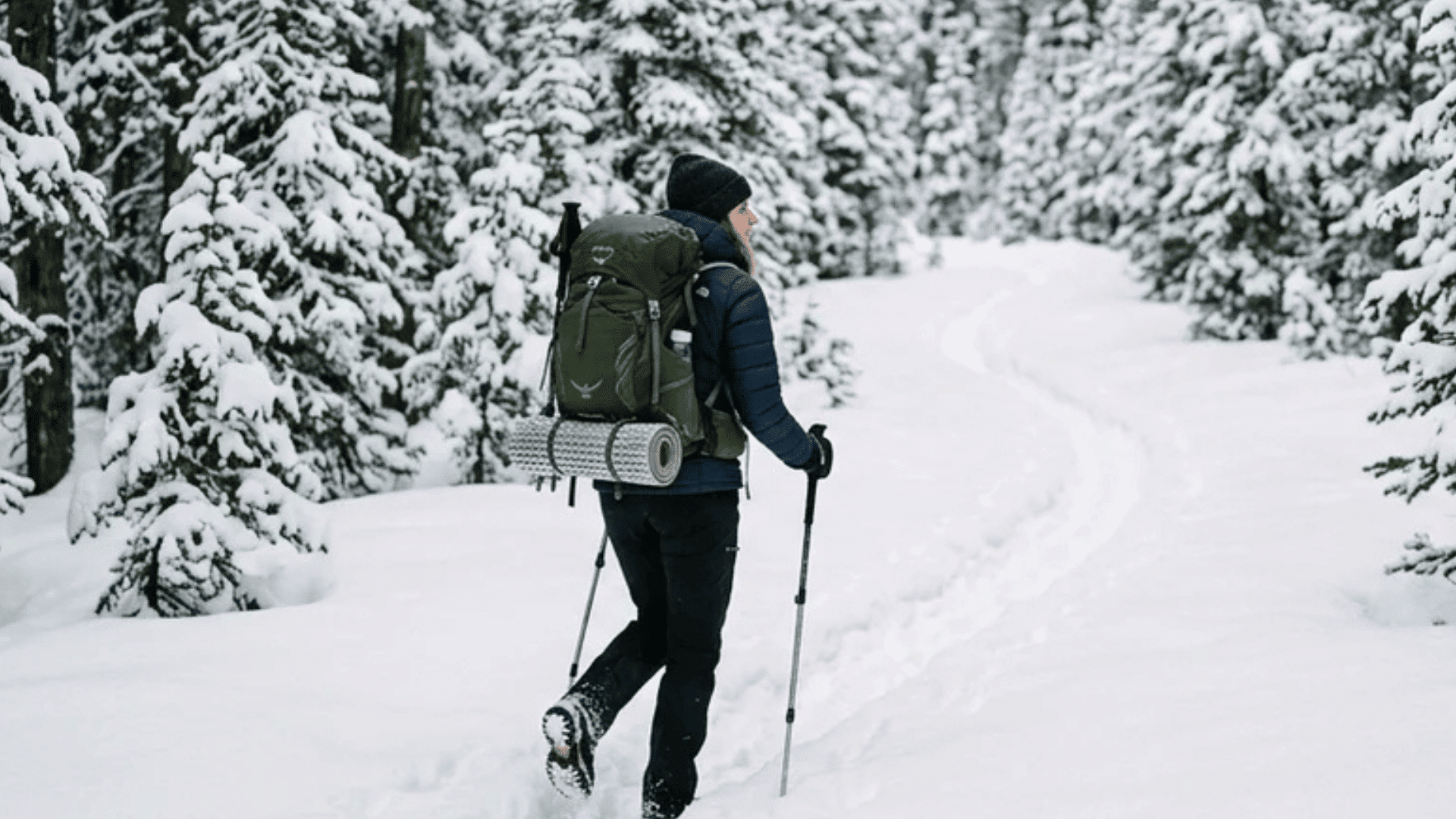
Snow hiking adds a fresh perspective to familiar trails. It keeps the body active and engaged in a season when outdoor movement is easy to skip.
Wearing shoes with a good grip is important, since packed snow and ice can make regular paths more difficult to walk on safely.
Carrying water matters even in cold weather, since physical activity still causes dehydration. Choosing routes that avoid steep or exposed terrain reduces the chance of getting into difficult conditions.
Short routes are a good starting point before attempting longer or more demanding winter hikes.
Things to Know Before:
- Wear grip shoes
- Carry water
- Avoid risky paths
21. Take Winter Photos

Winter photography captures calm outdoor scenes that look different in snow and low light. It is an activity that encourages paying closer attention to the surroundings that might otherwise go unnoticed.
A phone camera is enough to get started without carrying extra equipment. Natural light works best, and overcast winter skies often produce soft, even tones that are easy to photograph well.
Keeping devices warm prevents battery drain in cold conditions. Focusing on simple, close-up subjects often produces better results than trying to capture wide, busy scenes.
Things to Know Before:
- Use natural light
- Keep devices warm
- Focus on simple subjects
22. Play Board Games
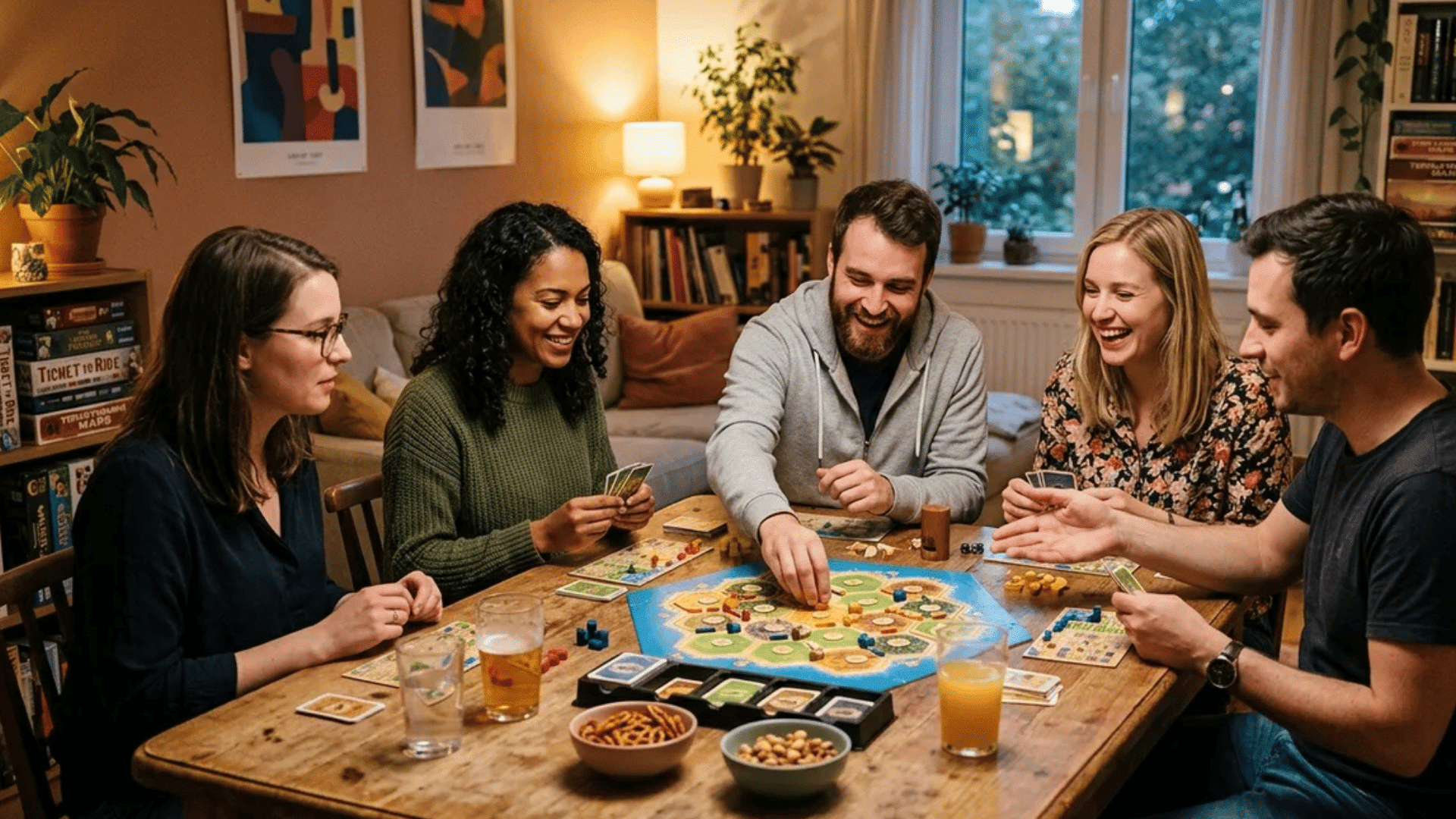
Board games bring people together indoors without much setup or cost. They create easy group interaction and suit a range of ages and preferences.
Games with simple rules tend to keep everyone engaged longer, since there is less time spent explaining and more time actually playing.
Choosing games with shorter play times helps maintain energy and interest throughout the session. Keeping the focus on fun rather than competition makes the experience more relaxed for everyone.
A small collection of varied games covers most moods and group sizes comfortably.
Things to Know Before:
- Choose simple rules
- Limit game time
- Keep it fun
23. Have a Game Night

A game night gives structure to social time indoors and is easy to plan around most schedules. It works well for small groups and does not require elaborate preparation.
Having games ready in advance and setting a rough time limit keeps things moving without dragging on too long.
Preparing snacks beforehand removes interruptions mid-session. The format is flexible enough to include card games, trivia, or board games, depending on what the group prefers.
Even a simple, informal setup is enough to turn a regular evening into something more enjoyable.
Things to Know Before:
- Set a time limit
- Prepare snacks
- Keep games ready
24. Write a Journal

Journaling helps organize thoughts and reduces stress in a low-effort, consistent way. It only requires a notebook and a few minutes each day to make a noticeable difference over time.
Short entries are easier to maintain than long ones, and regularity matters more than length or detail. Writing at the same time each day builds the habit faster.
There is no correct format or required content — the value comes from the act of putting thoughts into words regularly.
Over a winter season, it creates a useful record of mood and routine.
Things to Know Before:
- Write regularly
- Keep entries short
- Stay consistent
25. Learn a New Skill

Learning something new keeps the mind active during the slower pace of winter. It adds value to free time and produces something useful by the end of the season.
Starting with a small, clearly defined goal makes it easier to stay on track without losing motivation. Daily practice, even for a short period, leads to faster progress than occasional longer sessions.
Tracking small improvements helps maintain momentum over time. Almost any skill works, cooking, a language, an instrument, or a craft, as long as the starting point is simple and achievable.
Things to Know Before:
- Start small
- Practice daily
- Track progress
26. Try Meditation

Meditation supports calm thinking and mental focus during quiet winter days. It does not require special equipment or a lot of time to produce noticeable results.
Short sessions are easier to maintain consistently than longer ones, especially when starting out.
Sitting comfortably in a quiet spot and focusing on breathing is enough to get started. There is no need for guided apps or formal instruction at the beginner level.
Over time, regular short sessions build a sustainable habit that improves concentration and reduces the mental restlessness that colder, slower days can bring.
Things to Know Before:
- Sit comfortably
- Keep sessions short
- Focus on breathing
27. Visit a Museum

Museums provide quiet indoor time alongside easy, low-pressure learning. They offer a change from daily routine without requiring much physical effort or planning.
Checking opening times and visiting during off-peak hours makes for a more comfortable, uncrowded experience.
Keeping visits short and focused on one or two areas prevents fatigue and keeps the experience enjoyable.
Local and regional museums are often underused and worth exploring, since they tend to be less crowded than major institutions.
Many offer free or discounted entry on certain days, which makes regular visits practical.
Things to Know Before:
- Check timings
- Avoid peak hours
- Plan short visits
28. Volunteer Locally

Volunteering provides a way to support the community while adding purpose to the free winter time. It does not require a large commitment to make a meaningful contribution.
Choosing nearby options keeps it convenient and reduces the effort involved in getting started. Checking schedules in advance and starting with a single session allows for a low-pressure introduction.
Many local organizations welcome occasional help rather than requiring regular ongoing availability.
The experience tends to be straightforward and rewarding, and it creates a useful connection to the local area during a season when staying indoors is otherwise easy.
Things to Know Before:
- Choose nearby options
- Check schedules
- Start small
29. Go Stargazing

Stargazing is a quiet, low-cost activity that takes advantage of the longer, clearer nights winter often brings.
Open areas away from city lighting offer the best visibility and make it far easier to spot stars, constellations, and planets with the naked eye.
Checking the weather forecast before heading out avoids wasted trips on cloudy nights. Dressing warmly is important since standing still in cold air drops body temperature quickly.
No equipment is needed to start, though binoculars improve the experience noticeably. Even a short outing on a clear night is worth the minimal effort involved.
Things to Know Before:
- Avoid city lights
- Check weather
- Dress warmly
30. Plan a Staycation

A staycation creates a break from routine without the cost or logistics of travel. It works best when planned in advance with a loose structure of activities to fill the time.
Limiting work tasks and notifications during the period makes a real difference in how restful it feels. Keeping the plan simple prevents the staycation from turning into a to-do list.
Mixing active and relaxed activities across the days maintains variety.
A short staycation at home, handled with some intention, can feel more genuinely restorative than a rushed trip taken under pressure.
Things to Know Before:
- Set a clear plan
- Limit work tasks
- Keep it simple
31. Try a New Recipe

Trying a new recipe keeps cooking from becoming repetitive during winter. It adds variety to daily meals and builds practical skills over time.
Starting with straightforward recipes that use familiar ingredients makes the process less intimidating.
Following instructions carefully on the first attempt produces better results than improvising early on. Using fresh ingredients where possible improves both flavor and outcome.
Testing one new dish per week is a manageable pace that keeps things interesting without turning cooking into a stressful obligation.
Over a full winter, it builds a small, reliable repertoire of meals worth repeating.
Things to Know Before:
- Follow instructions
- Use fresh ingredients
- Start with easy recipes
Other Winter Activities to Keep You Busy
A mix of quick and flexible ideas helps fill free time without much planning. These options work well for both indoor comfort and light outdoor activity.
- Go snow tubing: A fast-paced activity that adds excitement with minimal effort
- Build a snow fort: A creative outdoor task that keeps hands and mind active
- Host a winter picnic: A simple way to enjoy food outdoors in a calm setting
- Try candle making: A quiet craft that creates useful and relaxing items
- Knit or crochet: A steady hobby that improves focus and patience
- Paint winter scenes: A creative outlet that captures seasonal views
- Do a puzzle: A low-effort activity that keeps the mind engaged
- Start a blog: A productive way to share ideas and build writing habits
- Create a vision board: A visual method to organize goals and plans
- Rearrange your room: A quick change that refreshes the living space
- Try a new workout: A simple way to stay active indoors
- Learn a language: A useful skill that can be practiced daily
- Watch documentaries: An easy way to gain knowledge during free time
- Try journaling prompts: A guided method to build writing consistency
- Have a spa day at home: A relaxing break that supports self-care
- Organize your closet: A practical task that clears space and reduces clutter
- Cook a new cuisine: A fun way to try different flavors at home
- Make a scrapbook: A creative way to store memories and photos
- Try photography indoors: A simple way to improve camera skills
- Listen to podcasts: A passive activity that fits into daily routines
- Have a themed dinner night: A fun way to add variety to meals
- Practice calligraphy: A focused activity that improves handwriting style
- Make handmade gifts: A thoughtful way to create useful items
- Try baking bread: A rewarding process that builds cooking skills
- Start a small indoor garden: A calm activity that adds greenery indoors
- Build Lego sets: A structured task that keeps hands busy
- Do a digital detox day: A break from screens to reset focus
- Watch sunrise or sunset: A quiet moment to pause and observe
- Clean and refresh your space: A simple reset for a better environment
- Set goals for the year: A clear way to plan and stay organized
- Try an indoor scavenger hunt: A playful activity that keeps both kids and adults engaged
- Practice basic home workouts: A simple way to stay active without equipment
- Create a weekly meal plan: A helpful habit that saves time and reduces daily stress
Tips to Make the Most of Winter Activities
Planning ahead helps make winter activities smoother and more enjoyable. Small adjustments can improve comfort, safety, and overall experience.
Start by dressing in layers to handle changing temperatures during the day. This keeps the body warm without feeling too heavy.
It also helps to mix indoor and outdoor options to avoid getting tired of one routine. Keeping a simple schedule makes it easier to stay consistent.
Safety should always come first, especially during outdoor activities. Check weather conditions and choose safe locations.
Staying active in short sessions works better than long, tiring ones. Taking breaks and staying hydrated support energy levels.
Adding friends or family can make activities more engaging. Even simple plans feel better with shared time.
A steady and balanced approach helps make winter days more useful and comfortable.
Final Thoughts
Winter doesn’t have to feel slow or repetitive. With the right mix of activities, each day can feel a bit more active, calm, or enjoyable.
From simple indoor ideas to light outdoor plans, there’s always something that fits the mood and energy level.
The key is to keep things easy and flexible, without adding pressure. Small moments often make the biggest difference during this season.
Trying even a few of these ideas can help break routine and bring more balance to daily life. It’s less about doing everything and more about finding what works best over time.
Even simple habits, when repeated, can make winter feel more comfortable and less dull.
Have you had a favorite winter activity or tried one from this list? Share the experience in the comments below. It could help others find something new to enjoy this season.
Frequently Asked Questions
Are Winter Outdoor Activities Safe for People With Asthma?
A loose scarf over the mouth warms cold air enough to make most winter activities manageable for people living with asthma with inhaler access nearby.
How Many Calories does a Typical Winter Outdoor Activity Burn?
Cold weather forces the body to burn 7–10% more calories maintaining core temperature, making winter activities slightly more effective than warm-weather equivalents.
What is the Best Time for Winter Outdoor Activities?
Late morning, between 10 am and 12 pm, offers the warmest temperatures, strongest daylight, and peak natural energy levels for any outdoor winter activity.
Can Winter Activities Actually Help With Seasonal Depression?
Most winter outdoor activities combine natural light, physical movement, and social interaction, the three most clinically supported remedies for seasonal affective disorder.
How do You Keep Kids Motivated to Go Outside During Winter?
Children who choose their own winter activity stay engaged roughly twice as long as those who are told what to do.