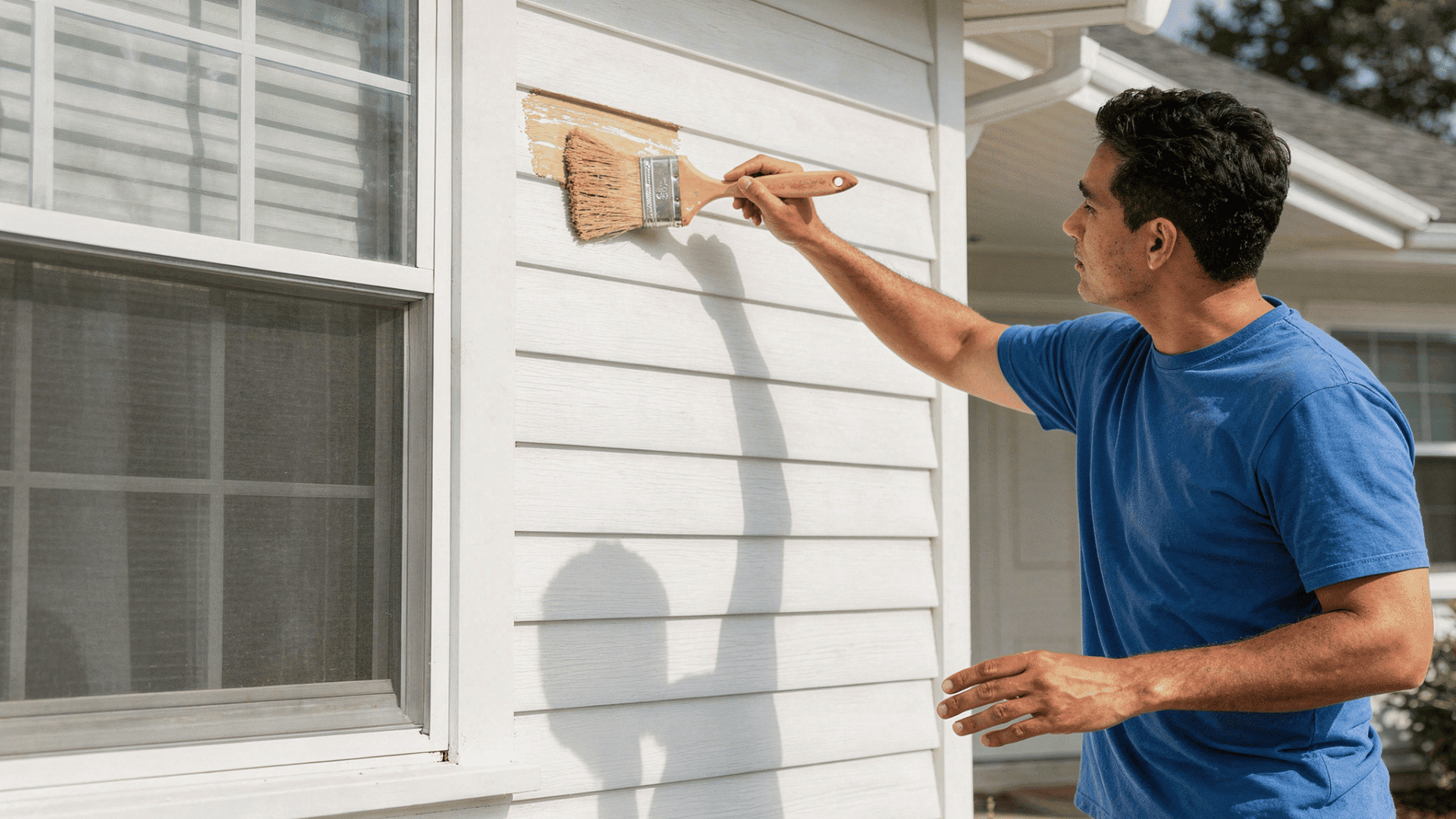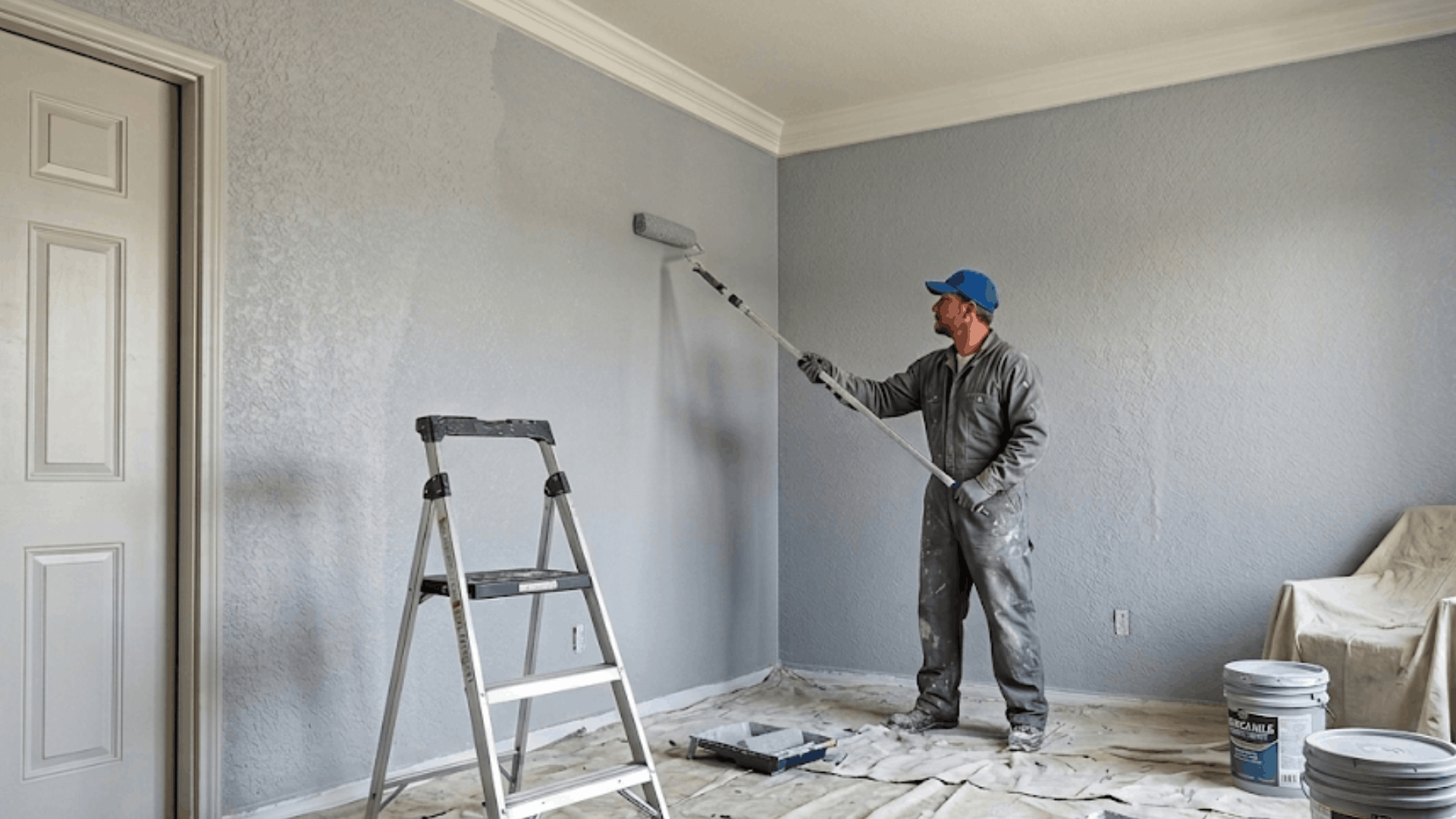

Mold on walls or ceilings can make any room look dirty fast. Many people ask, ” Can you paint over mold to hide stains and save time during repairs.
I faced the same problem on a bathroom wall after a small leak. At first, I thought a fresh coat of paint would solve everything quickly.
The wall looked clean for a while, but the mold stains came back through the paint later. That showed me paint only covers the problem for a short time.
So, does paint really help with mold?
And what happens if you paint over mold without cleaning it first?
In this guide, you will learn how paint affects mold growth, what problems it can cause, and the right DIY tricks to clean and repaint walls properly
Can You Paint Over Mold?
Yes, you can paint over mold, but it is not a good long-term fix.
Painting over mold without cleaning it first can lead to more problems later, especially in damp areas like bathrooms, kitchens, and basements.
When you paint over mold, the mold may continue spreading behind the paint.
Over time, the paint can start bubbling, cracking, or peeling because moisture stays trapped inside the wall. Mold stains may also show through the paint again, and the musty smell can remain in the room.
Many people also ask, “Does paint kill mold? Regular wall paint does not remove or kill mold. Mold-resistant paint can help slow future mold growth, but it only works after the mold is cleaned properly.
Paint should never replace mold cleanup because mold spores and moisture can still stay active underneath the surface.
The EPA recommends that mold patches smaller than 10 square feet can typically be handled with DIY cleanup. Anything larger, or any growth involving HVAC systems, should be evaluated by a professional mold remediator.
Keep that threshold in mind as you read through this guide.
Why Mold Comes Back Through Paint
Painting over mold may hide stains for a short time, but mold often returns if moisture and hidden spores remain inside the wall.
1. Mold Needs Moisture to Grow
Mold grows best in damp and humid areas where moisture stays trapped for long periods. Water leaks from roofs, pipes, windows, or air conditioners can keep walls wet behind the surface.
In my case, the mold kept returning because a small pipe leak behind the wall stayed unnoticed for months.
Bathrooms, basements, kitchens, and laundry rooms also create high humidity that supports mold growth. Even small amounts of moisture can allow mold spores to stay active inside drywall or wood.
Research published by the EPA notes that indoor relative humidity above 60% creates conditions where mold can grow rapidly.
Keeping indoor humidity between 30% and 50% is one of the most effective ways to stop mold from returning after a repaint.
If the moisture problem is not fixed before painting, mold can continue spreading underneath the paint and slowly return to the surface again later.
2. Paint Only Covers the Surface
Paint can hide mold stains for a short time, but it does not fully remove mold from the wall. Mold spores can stay alive underneath the painted layer, especially if moisture is still present inside the wall.
Mold spores can stay alive underneath the painted layer, especially if moisture is still present inside the wall.
With time, the hidden mold may continue spreading behind the paint and slowly become visible again through stains, odor, or damaged wall areas.
Many people think repainting solves the issue, but paint mainly acts as a cover while the real mold problem continues growing behind the wall surface.
3. Poor Ventilation Traps Moisture Indoors
Poor airflow inside a home can also cause mold to come back through paint. Rooms without proper ventilation often hold moisture in the air, especially after cooking, showering, or washing clothes.
Bathrooms without exhaust fans and basements with little airflow are common places where mold returns quickly.
When humid air stays trapped indoors, walls may stay damp even if they look dry from the outside.
This hidden moisture creates the perfect environment for mold to grow again underneath painted walls and ceilings over time.
4. Mold Spores Can Stay Inside Drywall
Mold spores are very small and can stay deep inside drywall, wood, insulation, and other porous materials.
Even after cleaning the surface, some spores may remain hidden inside the wall if the damage is severe. Once moisture returns, these spores can become active again and spread under the paint layer.
This is why mold sometimes comes back even after repainting multiple times.
In serious cases, damaged drywall or wood may need replacement because cleaning and painting alone may not fully stop mold from returning later.
Can Mold Grow Under Paint?
Yes, mold can grow under paint when moisture stays trapped inside walls or ceilings. Even if the surface looks clean, hidden mold can slowly spread behind the paint over time.
- Peeling Paint: Paint lifting or peeling away from walls is one of the most common signs of hidden mold and trapped moisture in homes.
- Dark Stains: Black, brown, or green stains showing through paint often suggest mold is still active underneath the wall surface.
- Musty Smell: A damp, earthy smell inside the room can point to mold growing behind painted walls or ceilings.
- Bubbling Paint: Raised bubbles on painted walls usually happen when moisture builds up behind the surface, which may suggest mold growth.
- Water Marks: Yellow or brown water stains often show that leaks or dampness are feeding mold behind the paint.
- Recurring Mold Spots: Mold returning in the same area after repainting strongly suggests hidden mold still exists inside the wall.
- Soft Drywall: Walls feeling soft or sponge-like may mean long-term moisture and mold damage inside the drywall.
- Discolored Corners: Dark or yellow patches near ceilings, windows, or baseboards can suggest trapped moisture and hidden mold buildup.
Risks of Painting Over Mold
Painting over mold may hide the problem for a short time, but I realized repainting without proper cleanup can turn a small issue into a much bigger repair later.
Health Problems Mold Can Cause
Mold exposure can affect indoor air quality and may cause health problems for some people in the home.
Common symptoms include sneezing, coughing, itchy eyes, skin irritation, headaches, and breathing discomfort.
People with asthma, allergies, or weak immune systems may notice stronger reactions when mold stays active indoors.
Even if paint covers visible stains, mold spores can still move through the air and affect the room environment.
Long-term mold exposure may also worsen allergy symptoms in damp areas with poor airflow and trapped moisture.
Damage to Walls and Ceilings
Mold and moisture can slowly weaken drywall, wood, insulation, and ceiling materials over time.
When mold stays trapped behind paint, walls may begin cracking, peeling, staining, or feeling soft to the touch. Ceilings near leaks can also develop water marks and damaged paint layers.
If the moisture problem continues, some wall sections may swell or warp because of long-term water exposure.
Painting over mold without fixing the source can allow hidden damage to spread deeper inside the structure of the home.
Why it Can Cost More Later
Painting over mold instead of removing it properly can lead to expensive repairs later. Mold often keeps growing behind the paint, which may force homeowners to repaint walls multiple times.
In more serious cases, damaged drywall, wood, flooring, or insulation may need replacement. Hidden leaks and moisture problems can also become harder to fix if they stay untreated for too long.
What starts as a small mold spot can turn into a larger repair project that costs much more than proper mold cleanup in the beginning.
The Right Way to Prep a Moldy Wall Before Painting
Jumping straight from “I see mold” to “let me grab the paint roller” is the mistake most people make.
From my experience helping homeowners redo problem rooms, I have seen that the prep sequence matters as much as the paint product you choose. Here is the order that actually works.
Step-by-Step: Clean-to-Paint Process
Here’s how you can prepare a moldy wall before painting:
- Fix the moisture source first. Patch leaks, seal gaps around windows, or repair the drainage issue. Skipping this step makes every other effort pointless.
- Put on PPE before you touch anything. Wear an N95 respirator (not a basic dust mask), rubber gloves, and eye protection. Mold disturbed during cleaning releases spores into the air.
- Ventilate the room. Open windows and point a fan outward to push contaminated air outside, not recirculate it.
- Clean the mold with an appropriate solution (see methods below). Work the solution into the surface, allow dwell time, then scrub and wipe.
- Let the wall dry completely. This usually takes 24 to 48 hours, depending on room humidity. Do not rush this step. Touch the surface with dry fingertips; it should feel bone dry with no cool dampness.
- Apply a mold-killing primer. A primer like Zinsser Mold Killing Primer creates a sealed barrier over any residual spores and improves paint adhesion. This step is separate from your topcoat — do not skip it in favor of painting directly onto cleaned drywall.
- Apply mold-resistant paint in two coats. Allow each coat to dry fully before applying the next.
Important: Never sand a moldy surface before cleaning it. Sanding breaks mold colonies into airborne particles that can spread throughout your home and settle into HVAC ducts.
DIY Tips to Remove Mold From Walls at Home
Small mold spots on walls can often be cleaned with simple items already found at home. These DIY methods can help remove surface mold and reduce stains before repainting walls.
1. Use White Vinegar for Light Mold
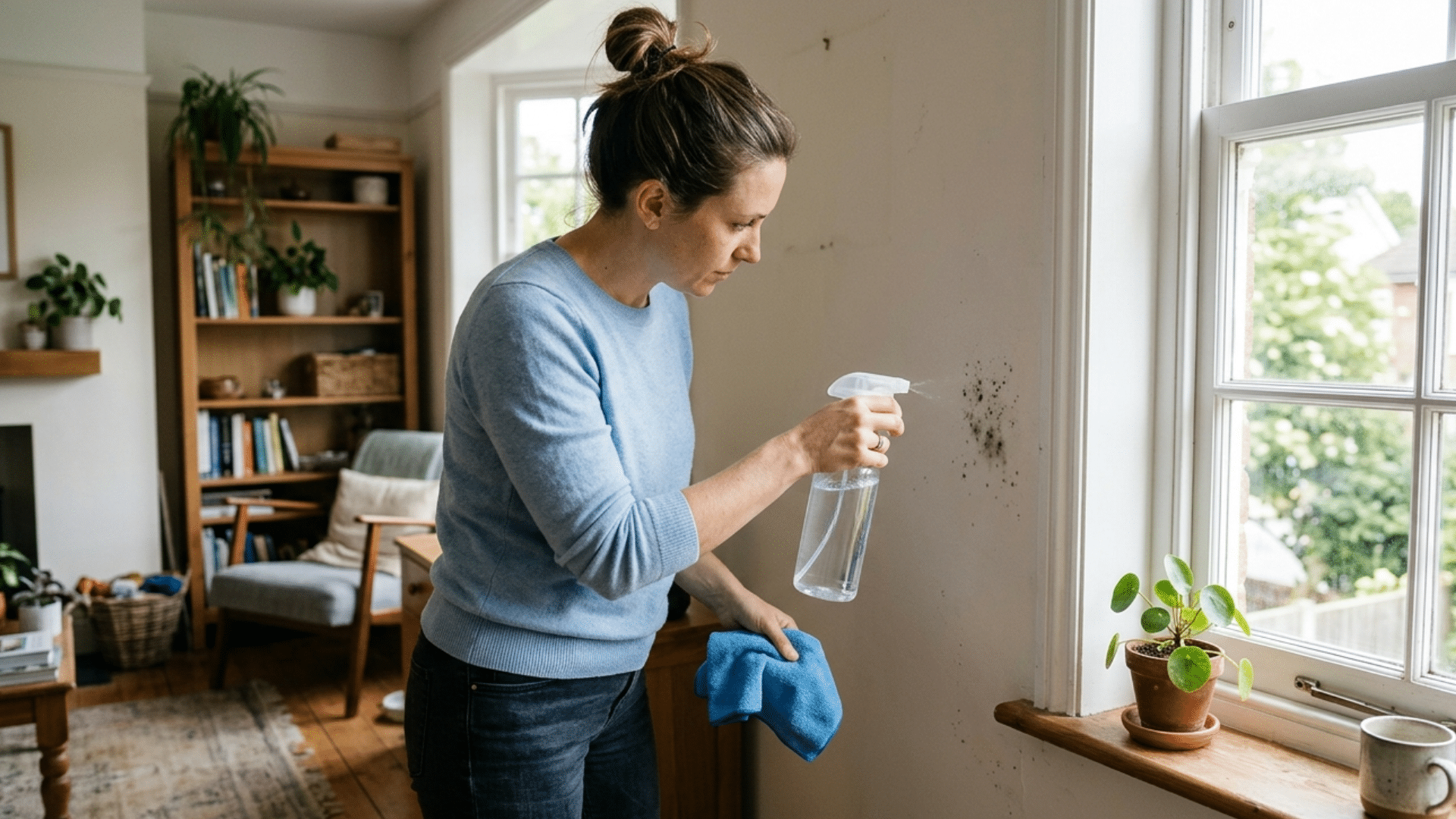
White vinegar is one of the most common DIY solutions for small mold spots on painted walls.
Its natural acidity can help clean surface mold and reduce odors in damp areas.
- Pour white vinegar into a spray bottle
- Spray it directly on the moldy area
- Let it sit for about 1 hour
- Wipe the wall with a clean cloth
- Allow the surface to dry fully
Open windows or turn on a fan while using vinegar because the strong smell may stay in the room for some time.
2. Clean Mold With Baking Soda
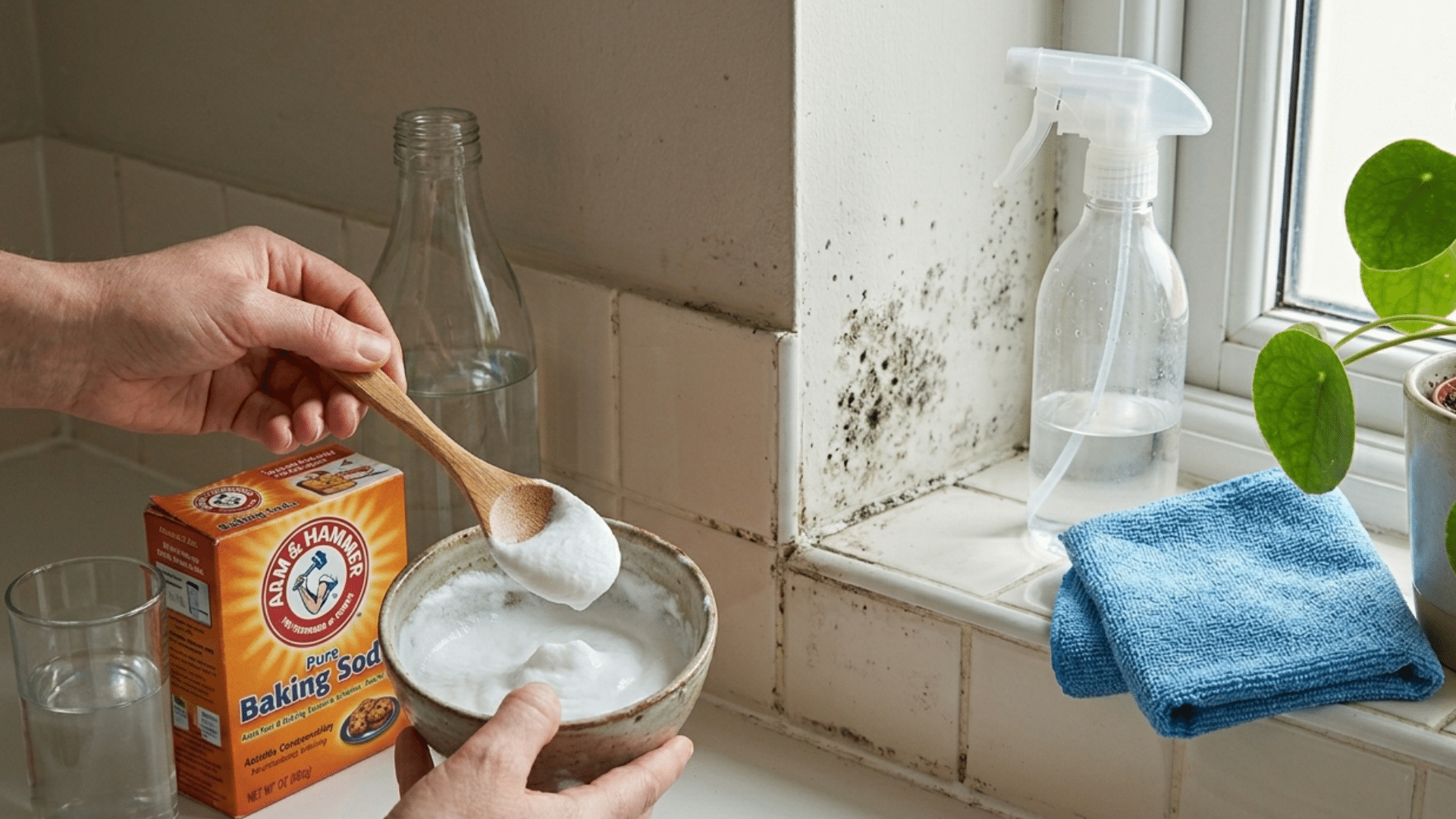
Baking soda is a gentle cleaning option that can help remove light mold stains and smells.
It works well on small wall spots and is often used in bathrooms and kitchens.
- Mix 1 tablespoon of baking soda with water
- Pour the mixture into a spray bottle
- Spray it on the moldy surface
- Scrub lightly with a soft brush or sponge
- Wipe clean and dry the wall completely
Baking soda may also help absorb moisture and reduce musty odors indoors.
3. Try Hydrogen Peroxide for Tough Spots
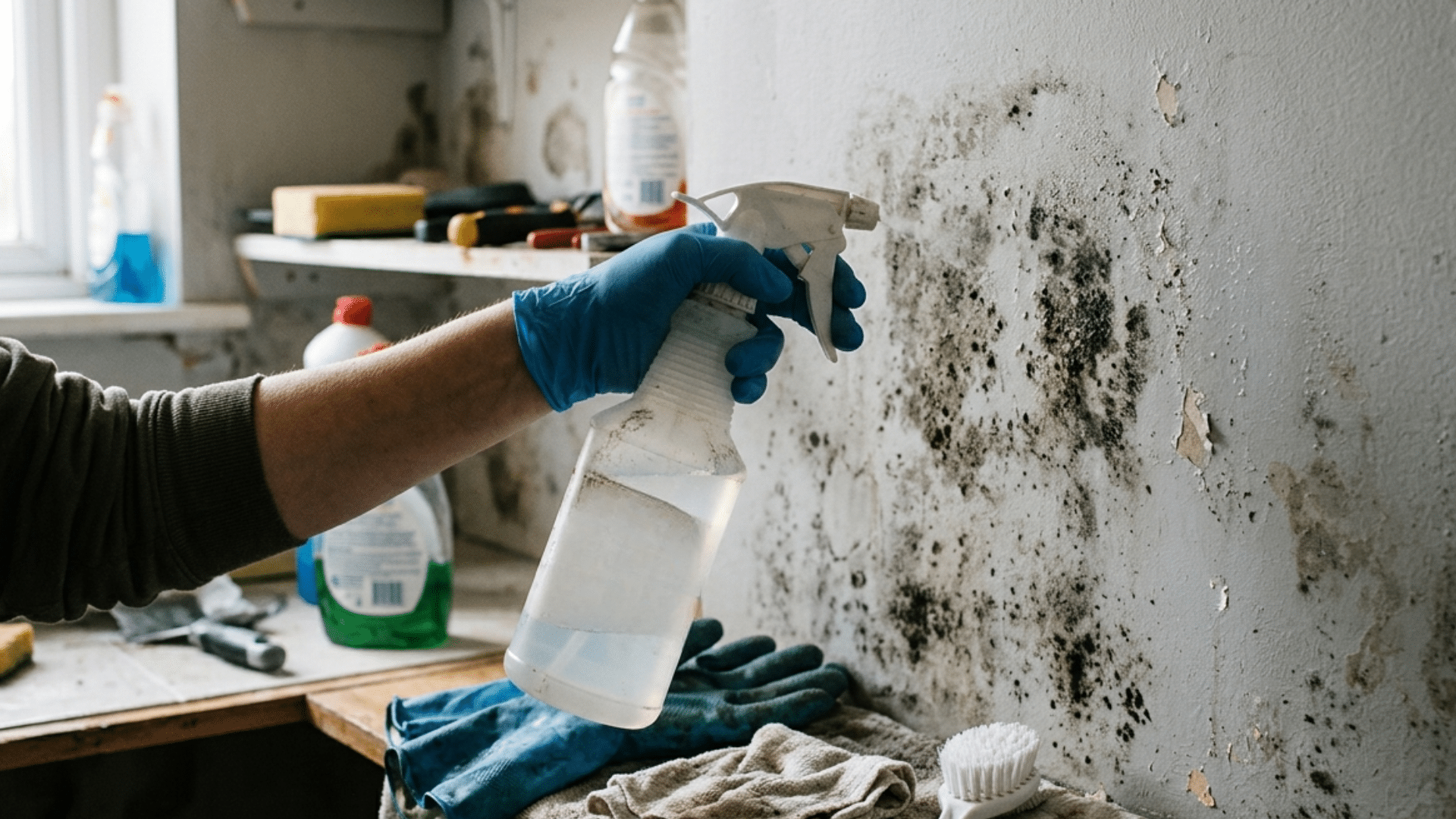
Hydrogen peroxide can help clean darker mold spots and stained wall areas.
Many homeowners use it for stronger mold patches that do not clean easily with vinegar alone.
- Use a 3% hydrogen peroxide solution
- Spray it directly onto the mold
- Let it sit for 10 to 15 minutes
- Scrub the area gently with a brush
- Wipe the wall dry with a clean cloth
Always test a small hidden area first because hydrogen peroxide may lighten some painted surfaces.
4. Use Dish Soap and Warm Water
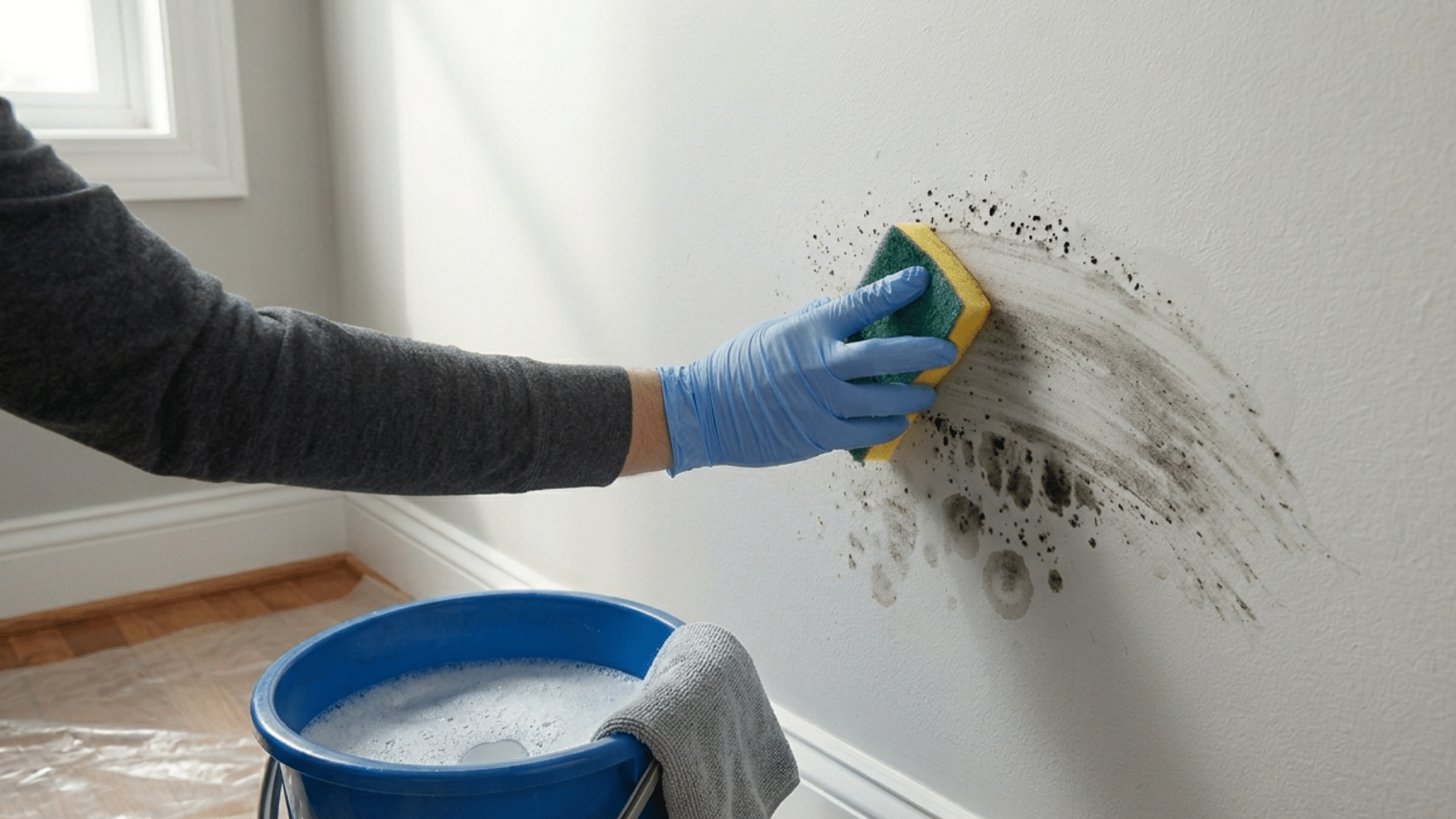
Dish soap and warm water can help clean dirt, moisture, and light mold from painted walls.
This method works best for mild surface mold and early signs of dampness.
- Add a few drops of dish soap to warm water
- Dip a sponge or cloth into the mixture
- Gently clean the moldy area
- Rinse the sponge often while cleaning
- Dry the wall fully after washing
Avoid soaking drywall because too much water can increase mold growth inside the wall.
4. Remove Mold With Borax Solution
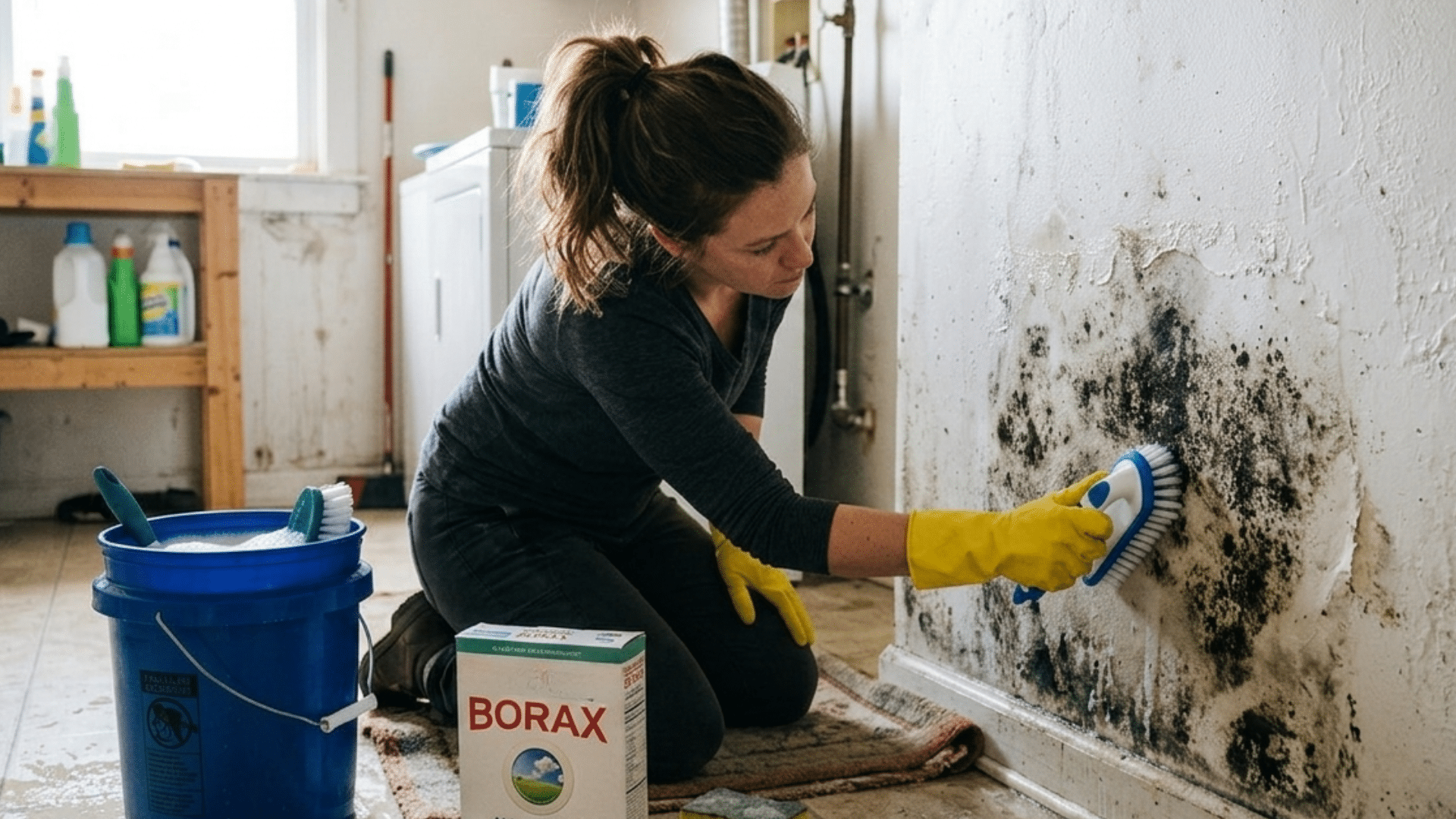
Borax is a stronger DIY cleaning option that some people use to clean mold from walls and hard surfaces.
It can help remove surface mold while also reducing moisture-related odors.
- Mix 1 cup of borax with 1 gallon of warm water
- Apply the solution to the moldy wall
- Scrub the area using a brush or sponge
- Wipe away extra moisture with a cloth
- Let the wall air dry completely
Wear gloves while using borax and keep the room ventilated during cleaning.
5. Use Mold Removal Sprays Carefully
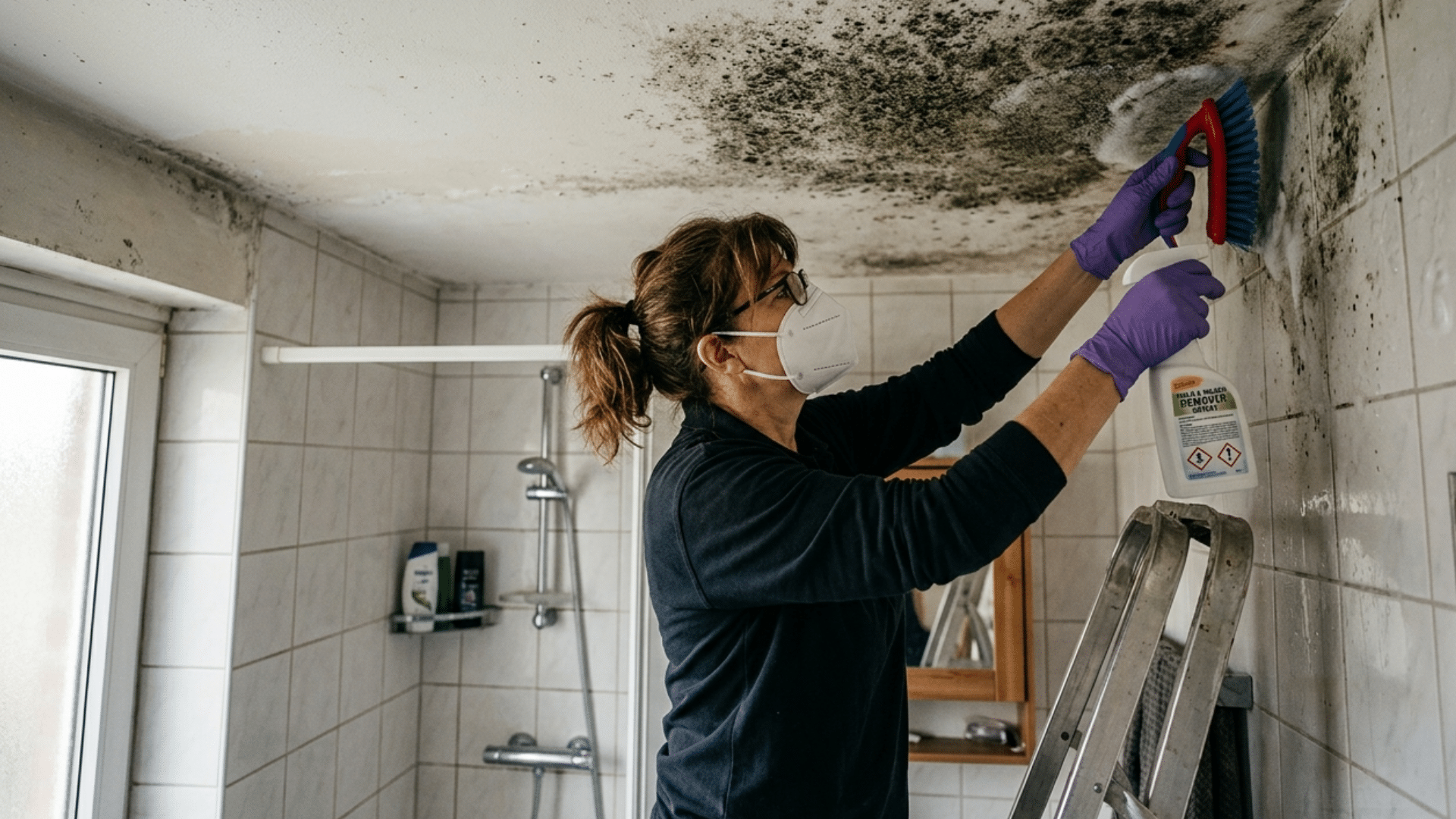
Store-bought mold removal sprays can help clean larger or more visible mold spots on walls.
These products are often made for bathrooms, ceilings, tile, and painted surfaces.
- Read the product label carefully first
- Wear gloves and a face mask before spraying
- Spray the affected wall area evenly
- Let the cleaner sit for the recommended time
- Wipe or scrub the wall as directed
- Open windows to improve airflow while cleaning
Never mix mold sprays with bleach, vinegar, or other cleaners because dangerous fumes may form.
How to Check If Mold Is Actually Dead Before Painting
One thing almost no DIY guide tells you: how do you know the mold is gone? After cleaning, wait 24 hours and look closely at the treated area under good lighting.
Live mold has a slightly fuzzy or powdery texture. A properly cleaned and dried surface should look uniformly flat with no discoloration.
If staining remains but the texture is flat and dry, the mold is likely dead, and you can proceed to priming. If texture or odor remains, clean again before moving forward.
| DIY Mold Removal Method | Best For | Strength Level | Easy to Use | Safe for Painted Walls | Helps Reduce Odor |
|---|---|---|---|---|---|
| White Vinegar | Light surface mold | Medium | Yes | Yes | Yes |
| Baking Soda | Small stains and smells | Mild | Yes | Yes | Yes |
| Hydrogen Peroxide | Dark mold spots | Strong | Moderate | Test first | Yes |
| Dish Soap and Warm Water | Early mold signs | Mild | Very Easy | Yes | No |
| Borax Solution | Larger mold patches | Strong | Moderate | Yes | Yes |
| Mold Removal Sprays | Heavy visible mold | Very Strong | Yes | Depends on the product | Yes |
DIY Tips to Prevent Mold After Painting
Simple daily habits can help keep moisture under control and reduce the chances of mold returning after painting.
These tips work best in bathrooms, kitchens, basements, and other humid areas inside the home.
- Keep Rooms Ventilated: Open windows regularly or improve airflow to help reduce trapped moisture inside rooms.
- Use Exhaust Fans: Turn on bathroom and kitchen exhaust fans during showers or cooking to remove humid air faster.
- Fix Leaks Fast: Repair leaking pipes, roofs, faucets, or windows quickly before moisture spreads into walls.
- Use a Dehumidifier: Dehumidifiers help lower indoor humidity levels and keep damp rooms drier over time.
- Clean Damp Areas Often: Wipe moisture from walls, tiles, ceilings, and windows to stop mold from growing again.
- Avoid Drying Wet Clothes Indoors: Wet clothes release moisture into the air, which can increase indoor humidity.
- Check Walls for Early Signs: Look for stains, peeling paint, or musty smells regularly so mold problems can be caught early.
- Keep Furniture Away From Damp Walls: Leaving small gaps between furniture and walls can improve airflow and reduce trapped moisture.
- Monitor Indoor Humidity: A basic hygrometer costs under $15 at most hardware stores and tells you when humidity crosses the 60% threshold where mold risk rises. I recommend checking it weekly in bathrooms and basements.
Best Paints for Mold-Prone Areas
Using the right paint products can help reduce moisture buildup and slow future mold growth. Some paints and primers are specially made for damp rooms like bathrooms, basements, and kitchens
1. Mold-Resistant Paint
Mold-resistant paints are designed for damp areas where moisture and humidity are common.
These paints usually provide better protection against mold stains, peeling, and moisture damage than regular wall paint.
Popular products:
- Rust-Oleum Perma-White Mold & Mildew Proof Paint
- Zinsser PermaWhite Satin
- Sherwin-Williams Duration Home
| Feature | Rust-Oleum Perma-White | Zinsser PermaWhite Satin | Sherwin-Williams Duration Home |
|---|---|---|---|
| Approx. Price | $35–$60 | $20–$45 | $50–$90 |
| Mold Resistance | High | High | High |
| Moisture Protection | Yes | Yes | Yes |
| Finish Type | Satin/Eggshell | Satin | Matte/Satin |
| Best For | Bathrooms & basements | Humid rooms | Kitchens & bathrooms |
2. Mildew-Resistant Primer
Mildew-resistant primers help prepare walls before painting by sealing cleaned surfaces and reducing stain problems.
They are often used after mold cleanup in damp rooms and repaired wall areas.
Popular products:
| Feature | Zinsser Mold Killing Primer | KILZ Mold & Mildew Primer | Zinsser Bulls Eye 1-2-3 Primer |
|---|---|---|---|
| Approx. Price | $20–$55 | $15–$40 | $15–$40 |
| Stain Blocking | High | High | High |
| Fast Drying | Yes | Moderate | Moderate |
| Water-Based Formula | Yes | Yes | Yes |
| Best For | Mold cleanup areas | Damp walls | Repainting surfaces |
3. Bathroom Paint for High Humidity
Bathroom paints are made to handle steam, condensation, and daily moisture exposure.
They usually have washable finishes and stronger resistance against peeling and mildew growth.
Popular products:
| Feature | Benjamin Moore Aura Bath & Spa | BEHR Premium Plus Bathroom Paint | Sherwin-Williams Duration Home |
|---|---|---|---|
| Approx. Price | $60–$110 | $30–$50 | $50–$90 |
| Humidity Resistance | High | High | High |
| Washable Finish | Yes | Yes | Yes |
| Mildew Resistance | Yes | Yes | Yes |
| Best For | Bathroom walls & ceilings | Family bathrooms | High-moisture rooms |
4. Waterproof Paint Options
Waterproof paints help protect walls from moisture penetration in basements, masonry walls, and damp areas.
These coatings are commonly used where water seepage and humidity problems happen frequently.
Popular products:
- DRYLOK Extreme Masonry Waterproofer
- KILZ Basement and Masonry Waterproofer
- Rust-Oleum Watertite Waterproof Paint
| Feature | DRYLOK Extreme Masonry Waterproofer | KILZ Basement and Masonry Waterproofer | Rust-Oleum Watertite Waterproof Paint |
|---|---|---|---|
| Approx. Price | $135–$160 | $30–$50 | $35–$55 |
| Waterproof Barrier | High | High | High |
| Mold Resistance | Yes | Yes | Yes |
| Surface Type | Masonry & concrete | Basement walls | Interior waterproofing |
| Best For | Concrete walls | Damp basements | Moisture-prone walls |
When You Should Call a Professional
Some mold problems can become too large or hidden to handle safely with DIY cleaning methods.
In these situations, professional mold removal may help prevent more serious damage and ongoing moisture problems.
- Large Mold Patches: Mold covering large wall or ceiling areas can spread quickly and may need professional cleanup equipment.
- Flood or Storm Damage: Homes affected by flooding often develop hidden moisture and mold problems that need professional drying tools.
- Black Mold Covers Multiple Areas: Large dark mold patches in different rooms can be harder to remove safely without proper equipment.
- Ceiling Leaks With Mold Growth: Water leaks from ceilings or roofs can allow mold to spread deeper into insulation and wooden structures.
- Strong Mold Smell That Won’t Go Away: A constant musty smell may mean mold is spreading in hidden spaces like insulation or inside walls.
- Health Symptoms Getting Worse: Frequent coughing, allergies, headaches, or breathing problems around moldy areas may require professional inspection.
Final Thoughts
Painting over mold may seem like a quick way to make walls look clean again, but the problem usually returns if the mold is not removed properly first.
Moisture trapped behind paint can lead to peeling walls, stains, musty smells, and even damage inside drywall or ceilings over time.
The best approach is to fix the moisture source, clean the mold safely, dry the area fully, and then repaint using mold-resistant products.
Small mold spots can often be handled with DIY methods, but larger problems may need professional help.
Taking the right steps early can help protect your walls and improve indoor air quality.
If you notice signs of hidden mold in your home, start fixing the problem now before the damage becomes harder and more expensive to repair later.
Frequently Asked Questions
How Long Does Mold Take to Come Back After Painting?
Mold can return within weeks or months if leaks, trapped moisture, humidity, or hidden mold spores remain active behind painted wall surfaces after repainting.
Should Moldy Walls be Sanded Before Painting?
Sanding moldy walls is not recommended because it may release mold spores into the air and spread contamination throughout nearby indoor areas.
Can Mold Come Back After Professional Removal?
Mold can return after professional removal if moisture problems, leaks, poor ventilation, or damp wall conditions are not fully repaired afterward.
What Kills Black Mold Immediately?
Hydrogen peroxide, vinegar, mold cleaners, and professional mold removal products can kill surface black mold, but hidden moisture problems must also be treated properly.