

I’ve often wondered what actually goes into the paint we use on walls, furniture, and art. If you’ve ever asked yourself the same thing, you’re in the right place.
In this blog, I’ll explain what element is used in making paint and why it matters. If you’re also curious about how paint is made, that’s a great place to start before delving into the ingredients.
You’ll learn how this element helps create color, coverage, and durability. I’ll also share a few other key ingredients in simple terms, so it’s easy to follow.
Painting a room or just being curious, this guide will help you understand the basics without any confusion.
You’ll also learn a few helpful tips you can use the next time you buy paint. By the end, you’ll have a clear idea of what makes paint work and how to choose the right type for your needs.
What Element Is Used in Making Paint?
Titanium, mainly in the form of titanium dioxide, is the most common element used in making paint.
This compound is widely used because it provides a bright white color and excellent coverage. It helps paint hide the surfaces underneath, creating a smooth, even finish.
Titanium dioxide is valued for its stability, safety, and resistance to fading. It also improves the durability of paint, making it suitable for both indoor and outdoor use.
In addition to titanium, elements like zinc, iron, and chromium are used to produce different colors and effects.
Overall, titanium plays a key role in modern paint by enhancing color quality, opacity, and long-lasting performance, making it one of the most important ingredients in paint production.
Why Elements Matter in Paint Composition?
Elements are essential in paint because they control color, coverage, and overall performance. They also help improve durability, adhesion, and how long the paint lasts on different surfaces
- Color creation: Elements like iron, chromium, and cobalt give paint its wide range of colors and shades. They help achieve both bright tones and deeper, richer finishes.
- Coverage and opacity: Titanium helps paint cover surfaces evenly and hide what’s underneath. This ensures fewer coats are needed for a clean, solid look.
- Durability: Certain elements improve resistance to wear, moisture, and sunlight. This helps paint stay strong even in harsh conditions.
- Adhesion: Elements help paint stick better to walls, wood, and metal surfaces. Good adhesion prevents peeling and flaking over time.
- Finish quality: They affect whether the paint looks glossy, matte, or smooth. This allows different styles and textures for various spaces.
- Longevity: The right elements prevent fading, cracking, or peeling over time. This keeps painted surfaces looking fresh for longer periods.
Role of Titanium in Modern Paints
Titanium plays a major role in modern paints, mainly in the form of titanium dioxide.
It is widely used because it provides strong whiteness and high opacity, which helps paint cover surfaces more effectively. This means fewer coats are needed to achieve a clean and even finish.
Another key benefit of titanium dioxide is its ability to reflect light. This improves brightness and helps maintain color quality over time.
It also adds to the durability of paint by making it more resistant to fading, especially when exposed to sunlight.
In addition, titanium-based compounds are known for being stable and safe for everyday use. Because of these qualities, titanium remains one of the most important elements in paint production today.
The Four Core Components of Paint

Paint is made up of four key parts that work together to create color, texture, and durability. Each part plays a specific role in how the paint looks, how it applies, and how it lasts over time.
1. Pigments
Pigments are the part of paint that give it color and help cover the surface underneath. They come in different types, including natural and synthetic options, depending on the shade and finish needed.
Pigments also affect how bright, deep, or dull the color looks after drying. Good-quality pigments improve coverage, so fewer coats are needed.
They also help protect surfaces from sunlight and wear, making them an important part of paint performance.
2. Binders
Binders are what hold the pigment particles together and help the paint stick to surfaces. As the paint dries, binders form a solid layer that keeps everything in place.
This layer gives the paint strength, durability, and resistance to damage. Different types of binders are used depending on the paint type, such as acrylic or oil-based.
A strong binder ensures the paint does not crack, peel, or wear off easily over time.
3. Solvents
Solvents keep the paint in liquid form so it can be spread easily with a brush or roller. They help thin the paint and make the application smooth and even.
After the paint is applied, solvents slowly evaporate into the air, allowing the paint to dry and harden. The type of solvent used affects drying time and smell.
Water is used in water-based paints, while chemical solvents are used in oil-based paints.
4. Additives
Additives are used in small amounts to improve how paint performs. They can control how fast the paint dries, prevent mold growth, and improve texture.
Some additives help the paint spread more evenly, while others make it more resistant to stains or fading.
Even though they are added in small quantities, they have a big impact on the final result. Additives help ensure the paint works well in different conditions and lasts longer.
Natural vs Synthetic Elements in Paint
Paint can include both natural and synthetic elements, each offering different benefits. The choice between them affects performance, cost, and environmental impact.
| Feature | Natural Elements | Synthetic Elements |
|---|---|---|
| Source | Derived from natural minerals and plants | Made through chemical processes |
| Examples | Clay, limestone, natural pigments | Titanium dioxide, synthetic resins |
| Environmental Impact | Generally more eco-friendly | May have a higher environmental impact |
| Durability | Moderate durability | Higher durability and longer lifespan |
| Color Range | Limited, earthy tones | Wide range of bright and bold colors |
| Cost | Often higher due to sourcing | Usually more cost-effective |
| Usage | Used in eco-friendly paints | Common in modern commercial paints |
Key Elements in Paint Production
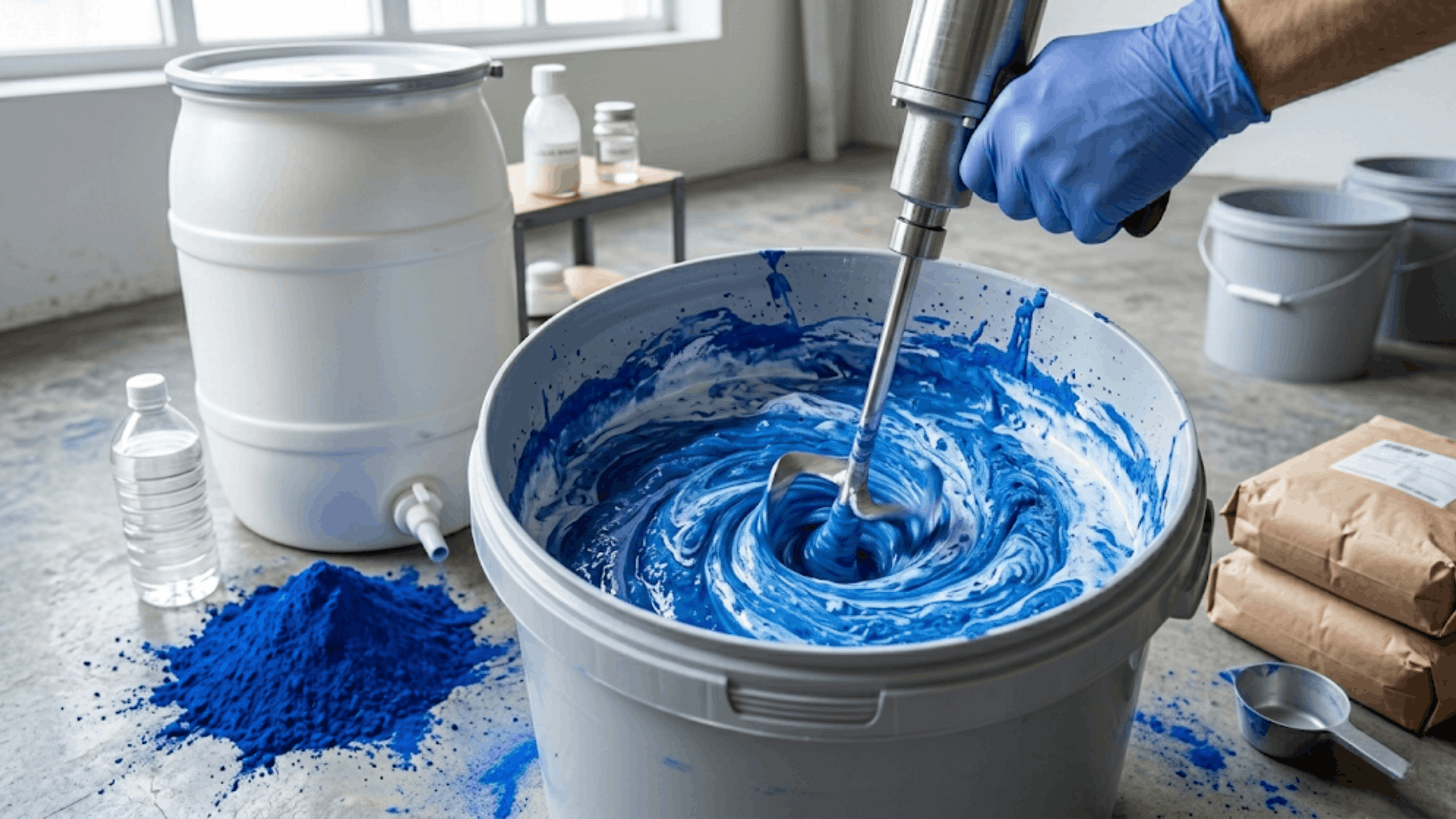
Paint is made using a mix of key elements that control color, coverage, and durability. Each element has a specific role in how the paint looks and performs over time.
1. Titanium
Titanium, mainly in the form of titanium dioxide, is one of the most important elements in paint production. It is widely used because it provides strong whiteness and excellent opacity, allowing paint to cover surfaces evenly.
This reduces the need for multiple coats and gives a smooth finish. Titanium also reflects light, helping maintain brightness and preventing fading. Its stability and safety make it suitable for both indoor and outdoor paints.
Ideal for: High-coverage paints, white paints, and long-lasting finishes.
2. Zinc
Zinc is commonly used in paint as zinc oxide, which helps improve durability and moisture resistance. It plays an important role in preventing mold and mildew growth, especially in damp environments.
Zinc also improves adhesion, helping paint stick to different surfaces. In addition, it can reduce cracking and peeling over time. Because of these qualities, zinc is often included in both primers and topcoats.
Ideal for: Moisture-prone areas such as kitchens, bathrooms, and exterior walls.
3. Iron
Iron is used in paint primarily through iron oxide pigments, which create natural shades such as red, brown, and yellow. These pigments are known for their strength and ability to retain color over time without fading.
Iron compounds are also resistant to weather and sunlight, making them ideal for outdoor paints. They provide rich, earthy tones used in many decorative and protective coatings.
Ideal for: Earth-tone paints and weather-resistant outdoor coatings.
4. Chromium
Chromium is used in paint to produce strong green and yellow pigments. It helps create bright, long-lasting colors that do not fade easily under sunlight.
Chromium compounds are valued for their stability and resistance to heat and chemicals. They also improve the strength of the paint film, making them useful in both decorative and industrial coatings.
Ideal for: Bright color paints and industrial-grade finishes.
5. Calcium
Calcium is often used in paint as calcium carbonate, which helps improve thickness and texture. It makes paint spread more evenly across surfaces, resulting in a smoother finish. Calcium also helps control the cost of paint while maintaining quality. It supports better consistency and improves the durability of the paint film.
Ideal for: Cost-effective paints and smooth interior wall finishes.
How Elements Affect Paint Quality and Durability?
Elements play a direct role in how well paint performs over time. They influence strength, finish, and resistance to damage.
- Improved coverage: Elements like titanium increase opacity, helping paint cover surfaces evenly with fewer coats. This saves time and reduces the amount of paint needed.
- Better durability: Zinc and similar elements protect paint from moisture, cracks, and peeling. This helps painted surfaces last longer without damage.
- Color stability: Iron and chromium help maintain color, preventing fading from sunlight exposure. This keeps colors looking fresh and bright over time.
- Surface protection: Certain elements create a durable layer that resists wear, stains, and weathering. This is useful for both indoor and outdoor surfaces.
- Adhesion strength: Elements improve how well paint sticks, reducing the chances of flaking. This ensures a smooth and long-lasting finish.
How does Paint Get its Color and Finish?

Paint gets its color mainly from pigments, which are fine powders added during production. These pigments can be natural or synthetic and are made from elements like titanium, iron, and chromium.
Each pigment reflects certain wavelengths of light, which create the color seen on a surface. If you want to test those shades first, mixing colors online is a simple way to see how they look before applying any paint.
The finish of paint, such as matte, satin, or glossy, depends on the balance between pigments, binders, and additives. Binders help form a solid film as the paint dries, while additives adjust texture and shine.
A higher binder content usually yields a glossier finish, while more pigment yields a flatter look.
In simple terms, color comes from pigments, and finish is controlled by how the ingredients are mixed, giving paint its final appearance and feel.
Bottom Line
Understanding what goes into paint can make a big difference the next time a project comes up.
I did this myself and noticed that learning about key elements like titanium helped in picking better-quality paint that lasted longer and looked cleaner on walls.
Small details like this often get overlooked, but they can change the final result more than you might expect.
Knowing how elements affect color, finish, and durability makes it easier to choose the right option with confidence. It also helps avoid wasting time and money on paint that doesn’t perform well.
If there has been any recent painting project, it would be great to hear how it turned out. Share your experience, tips, or questions in the comments below and join the conversation.
Frequently Asked Questions
Can Paint Be Made without Titanium?
Yes, some paints use alternative pigments, but they may not offer the same coverage or brightness.
What Makes Paint Dry Faster or Slower?
Drying time depends on the type of solvent and additives used in the paint.
Are There Eco-Friendly Paint Options Available?
Yes, low-VOC and natural paints are designed to be safer for health and the environment.
Why Do Some Paints Smell Stronger than Others?
Stronger odors usually come from solvents and chemical additives in the formula.
Does the Type of Surface Affect Paint Performance?
Yes, rough or porous surfaces may need more paint or a primer for better results.