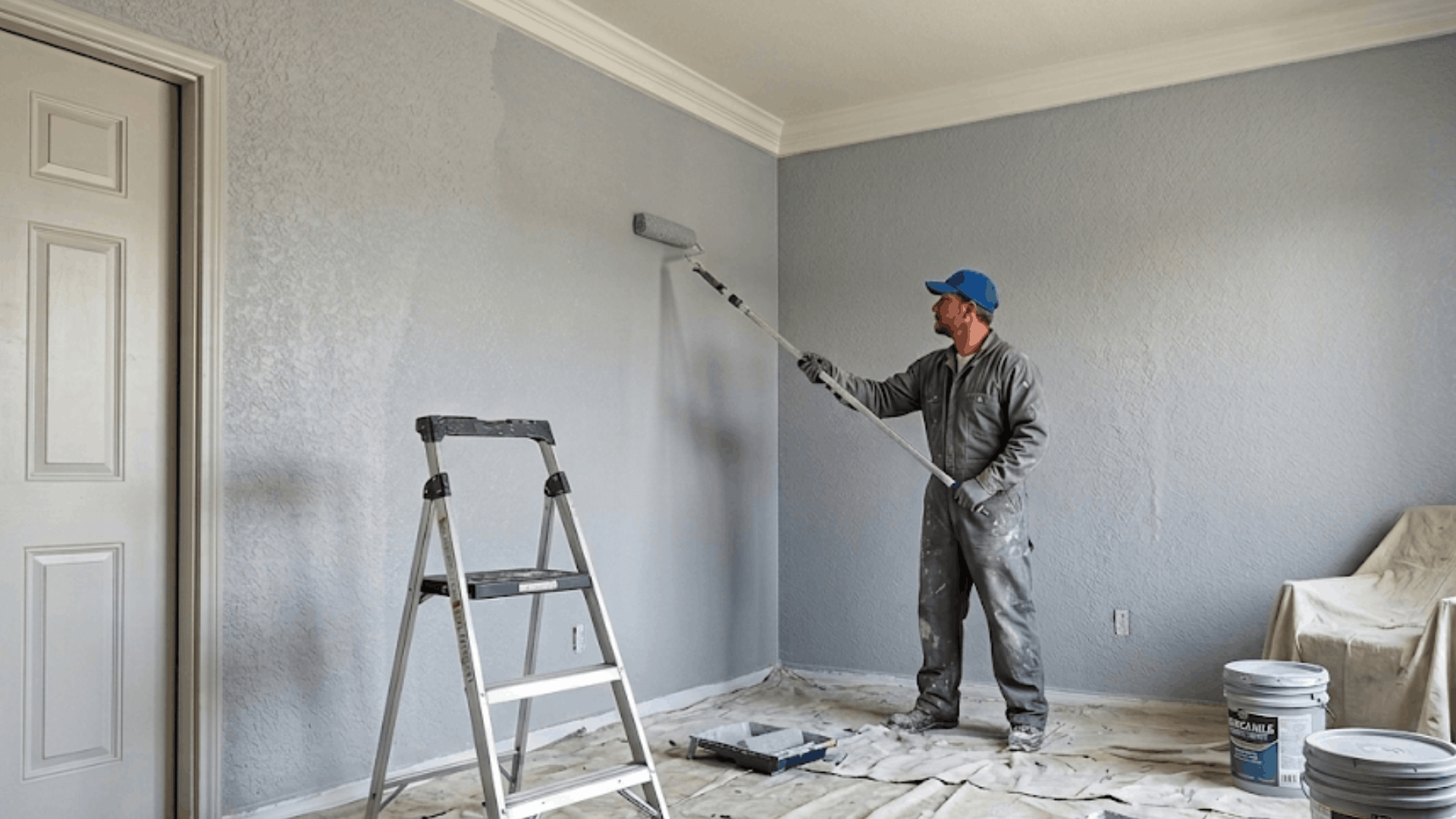

Picking a paint finish sounds simple until you stand in the paint aisle looking at dozens of options.
I’ve noticed that many homeowners get stuck choosing between eggshell and satin because they look similar at first glance.
Still, they work very differently once they are on your walls.
In this guide on eggshell paint vs satin, I’ll explain how each finish looks, feels, and performs in different rooms. You’ll learn which one is easier to clean, which hides wall flaws better, and which holds up best in busy spaces.
I’ll also compare durability, shine, and maintenance in simple terms.
By the end, you’ll have a much clearer idea of which paint finish fits your home, your walls, and your daily life without wasting money on the wrong choice.
Understanding Eggshell and Satin Paint Finishes
Both eggshell and satin are popular paint finishes used in homes. I’ll explain how each one looks, feels, and works in different spaces so you can choose the right option more easily.
What is Eggshell Paint?
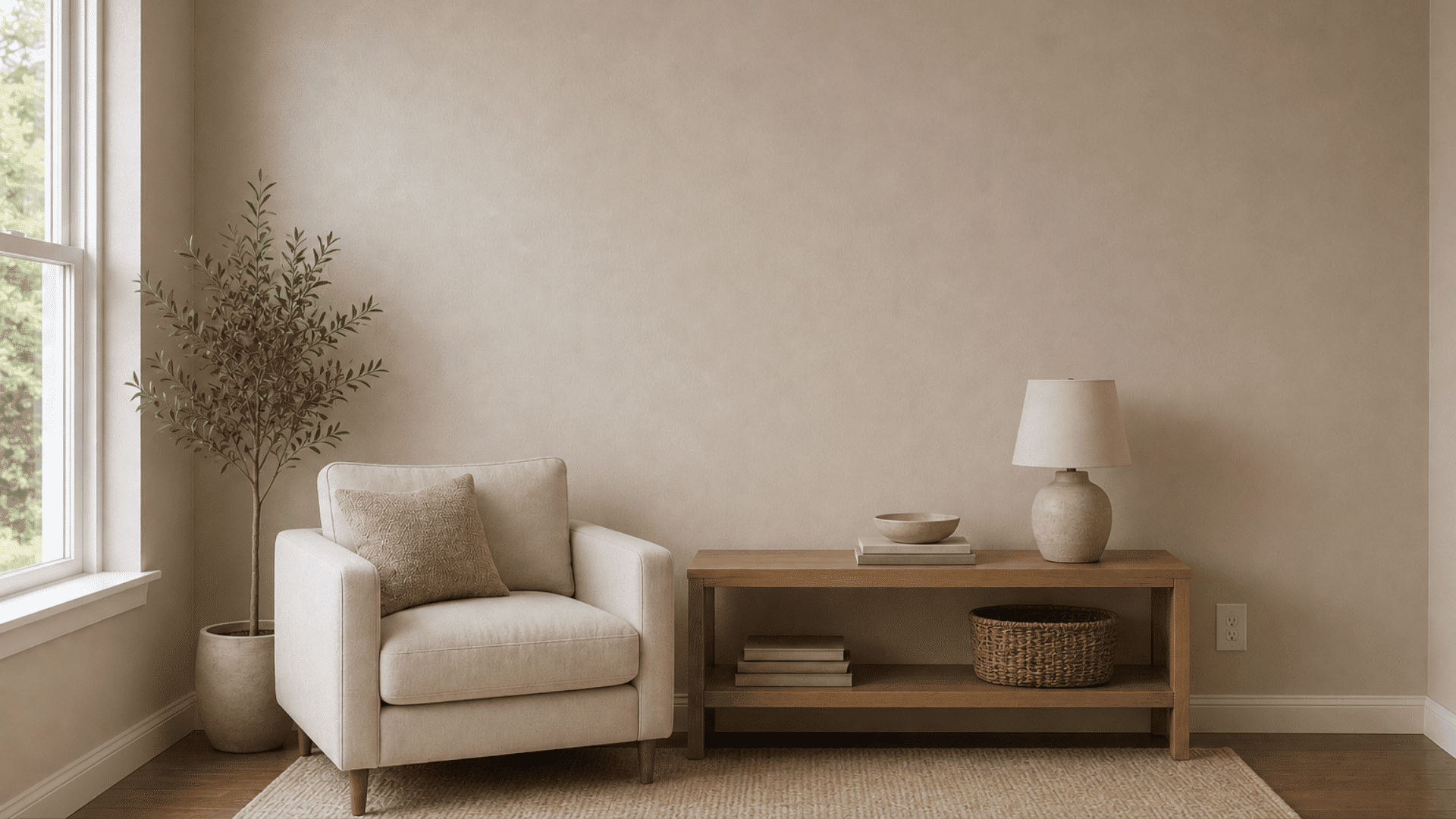
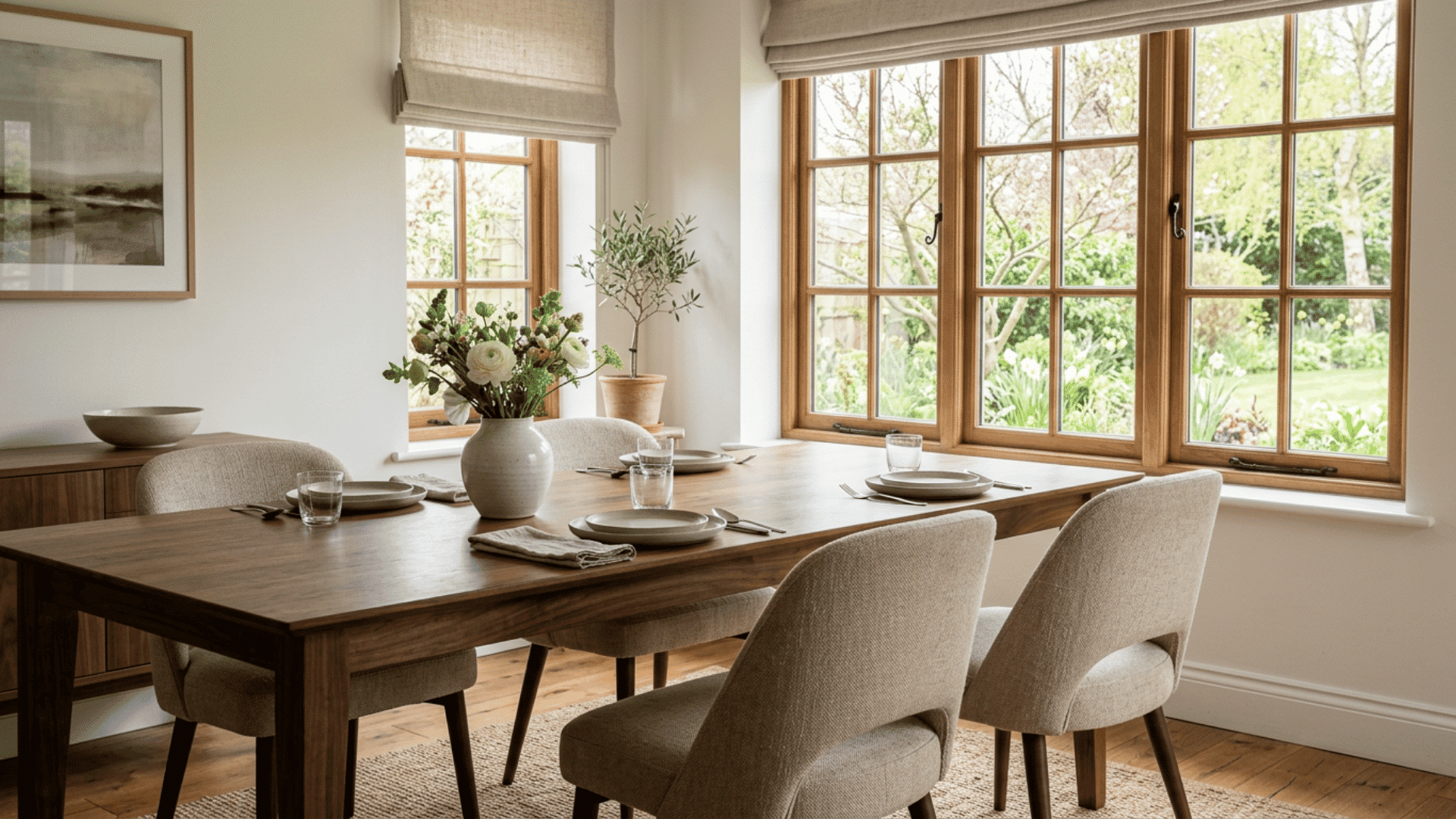
Eggshell paint has a soft finish with a small amount of shine. I usually recommend it for spaces where you want walls to look smooth and relaxed without too much reflection.
It works well in bedrooms, dining rooms, and living rooms because it gives a clean look while still hiding small wall marks.
Eggshell paint also covers minor dents and uneven spots better than shinier finishes.
If your walls are not perfect, this finish can help them look cleaner without drawing too much attention to flaws or patchy areas.
What is Satin Paint?
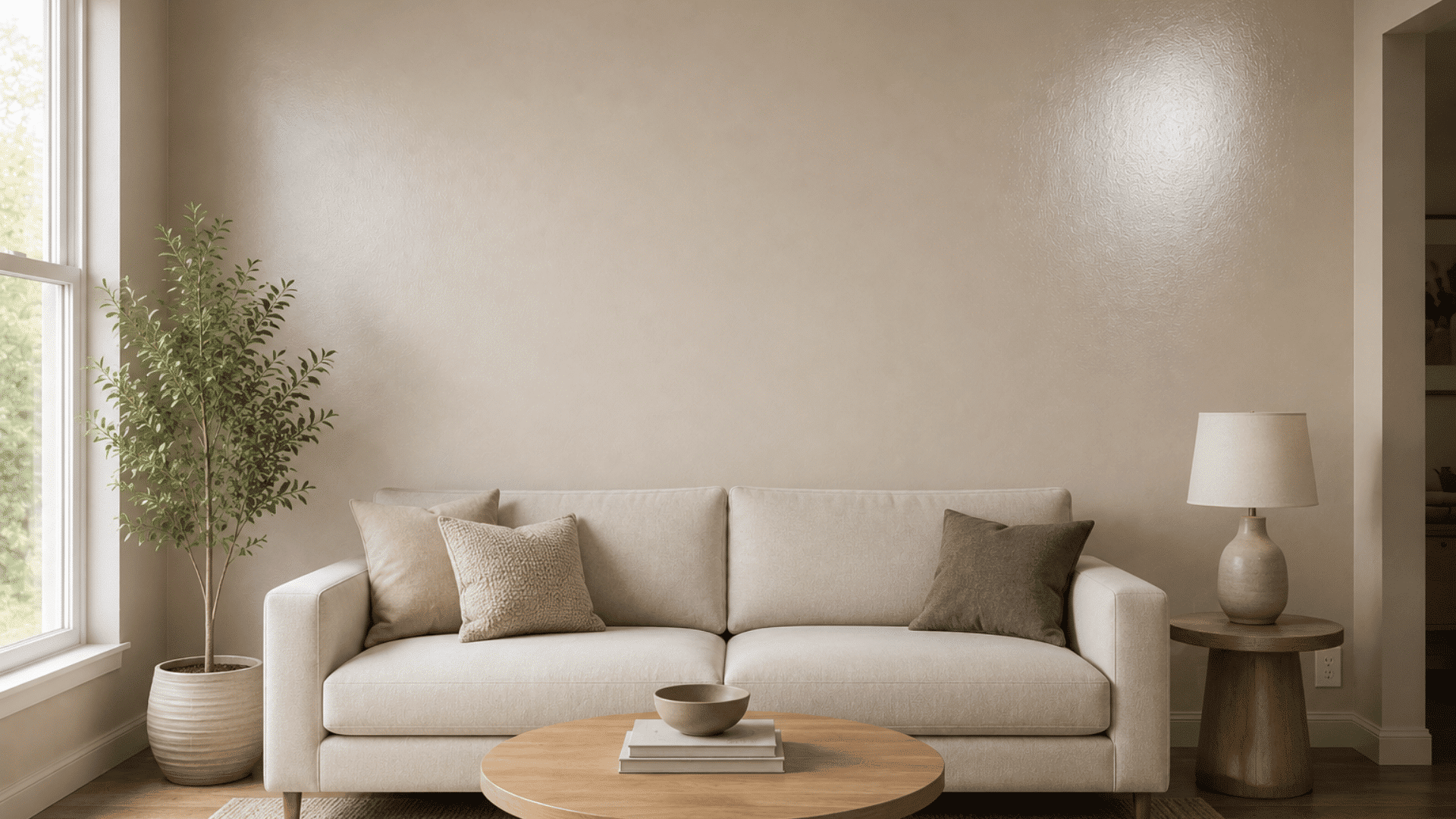
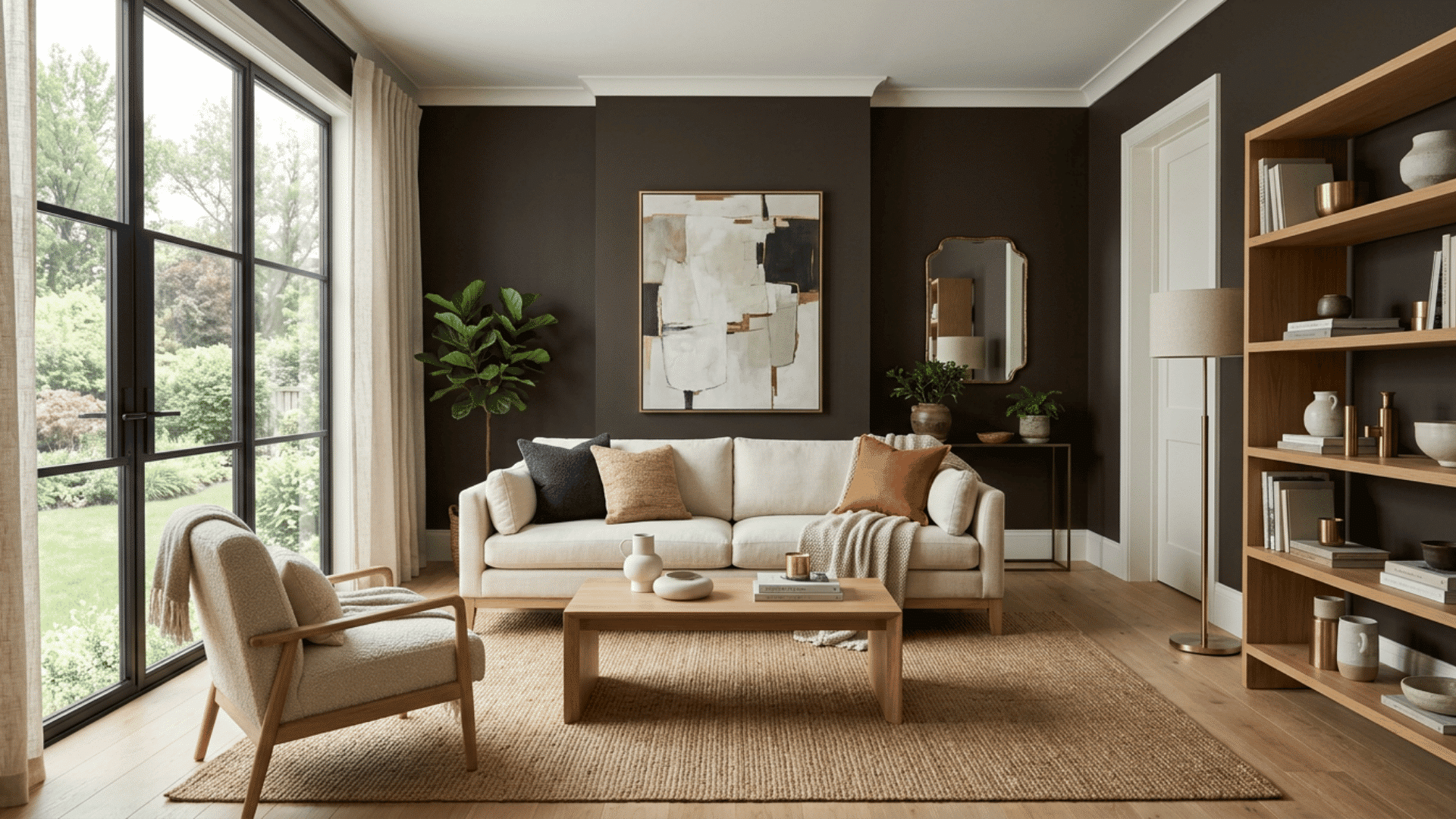
Satin paint has a smoother and slightly shinier finish than eggshell. When light hits the wall, you can notice more reflection, which makes rooms feel brighter and cleaner.
I often see people use satin paint in kitchens, bathrooms, hallways, and kids’ rooms because it stands up better to moisture and regular cleaning.
Satin paint is easier to wipe down, which makes it a practical choice for busy areas.
It does show wall flaws more easily, though, so smoother wall preparation usually gives the best-looking final result in most rooms.
How Eggshell vs Satin Finishes Compare in Everyday Use
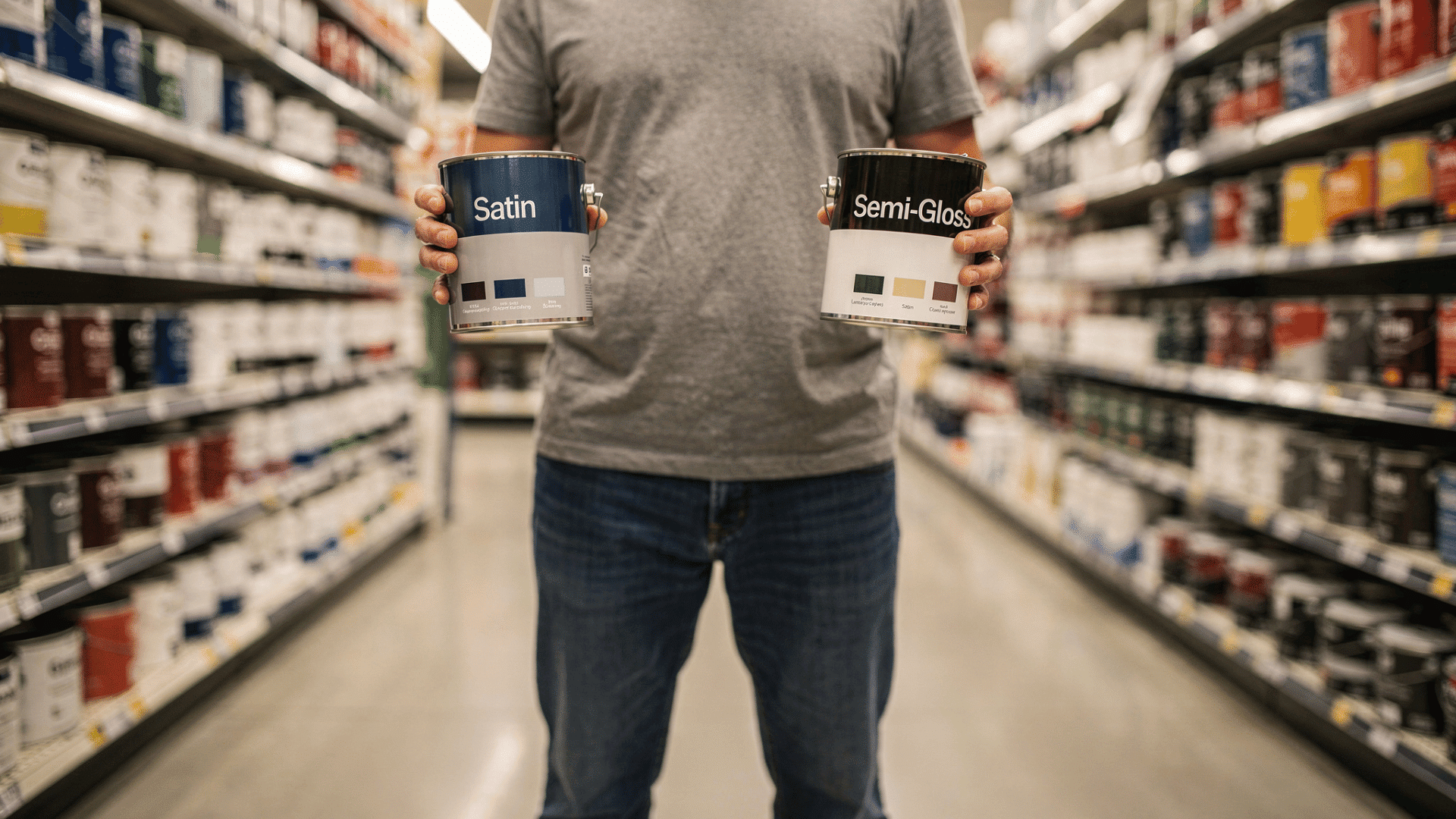
At first, eggshell and satin can seem almost the same, especially when you look at paint samples in the store. Once the paint is on your walls, though, the differences become much easier to notice.
Eggshell gives a softer and more muted look, while satin appears brighter and slightly smoother. I usually tell homeowners to consider how often the room is touched, cleaned, or exposed to moisture.
Eggshell works better for comfort and appearance, while satin works better for durability and cleaning. Choosing the right finish depends on how you actually use the space every day.
Eggshell Paint vs Satin: What’s the Main Difference?
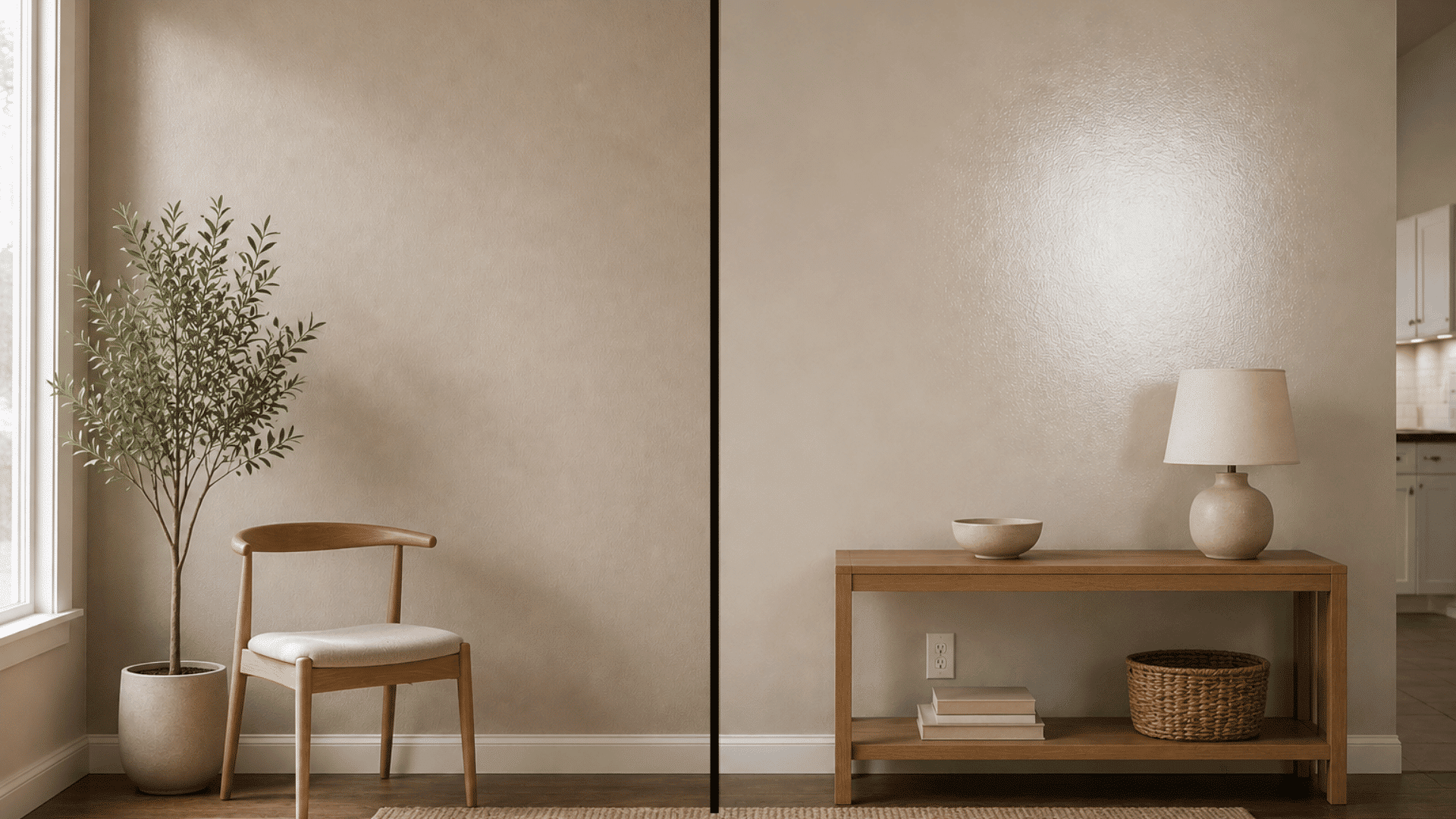
Eggshell and satin may look close at first, but they perform differently once they are on your walls.
I think the biggest differences come down to shine, durability, cleaning, and how much wall texture each finish shows.
1. Shine and Appearance
The first thing you will notice is the amount of shine each paint finish has.
Eggshell paint has a soft, low-sheen look that feels calm and simple in most rooms.
Satin paint reflects more light, so it looks brighter and smoother on the wall. I usually notice satin standing out more in natural light, especially in hallways and kitchens.
Eggshell gives a softer appearance, while satin creates a cleaner and slightly shinier finish.
Your choice often depends on whether you want a relaxed look or a finish that feels a little more polished.
2. Durability and Cleaning
Another big difference is how well the paint handles daily use.
Satin paint is stronger against scuffs, fingerprints, and moisture, which is why many people use it in busy parts of the home.
I often suggest satin if you expect to wipe walls often. Eggshell paint still holds up well, but it is not as easy to scrub repeatedly without wearing the finish down.
Satin paint is usually the better choice for easy cleaning and long-term durability.
If the room gets a lot of traffic, satin normally handles the wear better over time.
3. Wall Flaws and Surface Texture
The amount of shine also changes how your walls look up close. Eggshell paint does a better job of hiding small dents, uneven spots, and patch marks because it reflects less light.
Satin paint can make those flaws more noticeable, especially on older walls that are not perfectly smooth. I always recommend checking the condition of your walls before choosing a shinier finish.
Eggshell is better for hiding imperfections, while satin highlights more surface detail.
If your walls already have texture issues, eggshell usually gives a softer and more forgiving final appearance.
Eggshell Paint vs Satin: Quick Comparison
When I compare these two paint finishes, I usually focus on how they look, how they clean up, and where they work best in a home.
| Feature | Eggshell Paint | Satin Paint |
| Shine Level | Soft, low sheen | Medium sheen with more shine |
| Durability | Good for normal use | Better for heavy-use areas |
| Washability | Can handle light cleaning | Easier to scrub and wipe |
| Moisture Resistance | Moderate resistance | Stronger against moisture |
| Best Rooms | Bedrooms, living rooms, dining rooms | Kitchens, bathrooms, hallways, kids’ rooms |
| Cost | Usually slightly lower | Sometimes a little more expensive |
| Ease of Touch-Ups | Blends better during touch-ups | Touch-ups can be seen more easily |
| Ability to Hide Imperfections | Hides dents and patches better | Shows wall flaws more clearly |
I usually tell homeowners to think about daily use before choosing a finish. Eggshell works better for softer looks and imperfect walls, while satin is better for durability and cleaning.
If your room gets a lot of traffic or moisture, satin often makes more sense. If appearance matters more than scrubbing strength, eggshell is usually the safer choice.
Similarities Between Eggshell and Satin Paint
Even though they share many qualities, eggshell and satin paint still have key differences in shine, durability, and best-use areas that homeowners should understand before choosing.
- Both finishes have a soft sheen instead of a completely flat look.
- Eggshell and satin are both commonly used for interior walls.
- Each finish works well in living spaces like bedrooms, hallways, and dining rooms.
- Both are more durable than flat or matte paint finishes.
- They can handle light cleaning and everyday wear better than flat paint.
- Eggshell and satin finishes are available from most paint brands and in most colors.
- Both finishes give walls a smoother and cleaner appearance than matte paint.
- They are often used in modern home interiors because they balance appearance and function well.
- Both finishes are popular choices for homeowners who want durability without a very high shine.
Eggshell vs Satin Paint: Which Finish is Better for Your Walls?
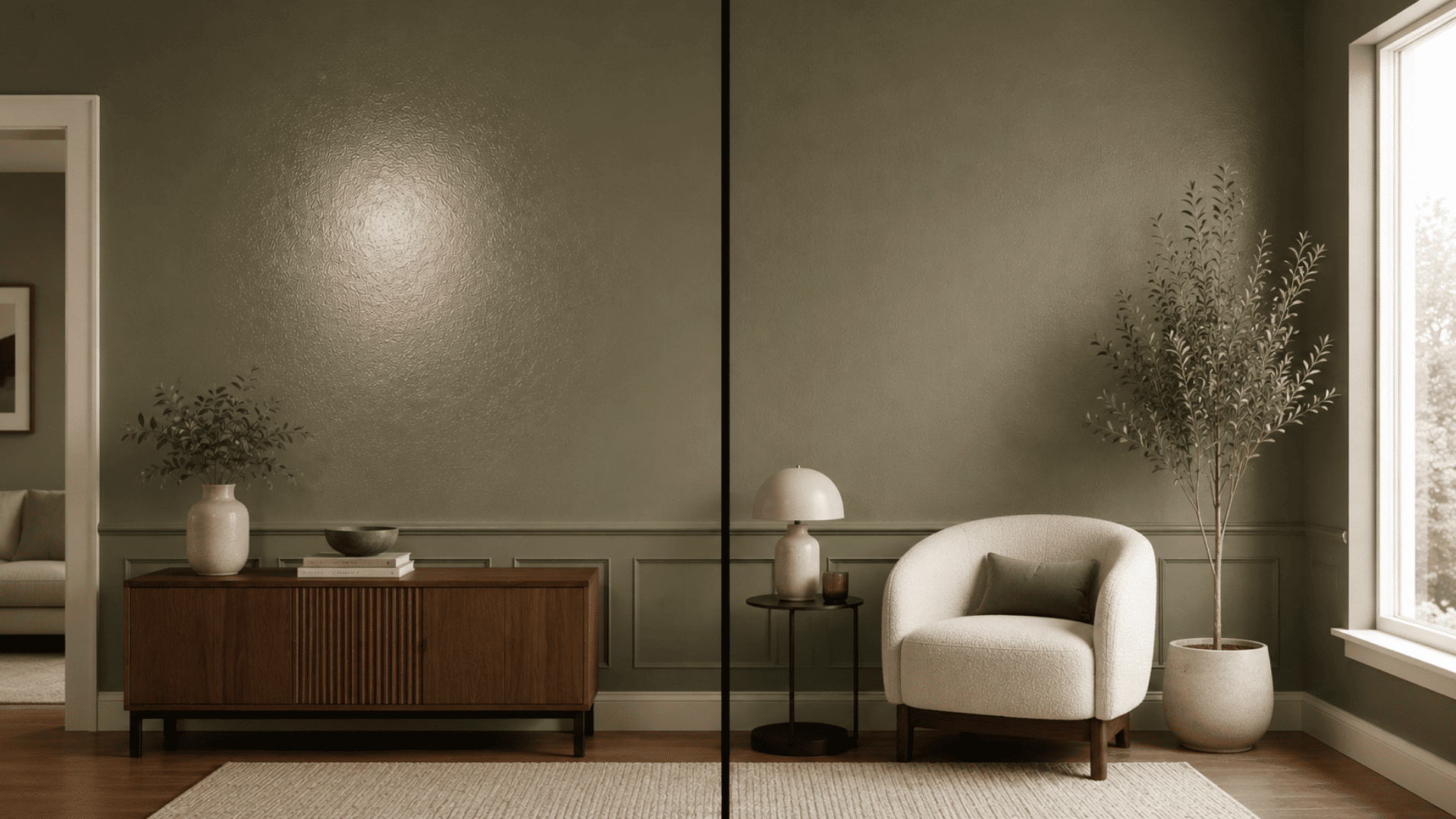
The better paint finish really depends on how you use the room and what condition your walls are in.
I usually look at traffic, cleaning needs, and wall texture before choosing between eggshell and satin paint.
1. Eggshell Paint for Softer-Looking Walls
Eggshell paint works well if you want your walls to have a smooth and calm appearance.
I often recommend it for bedrooms, living rooms, and dining areas because it gives a softer finish without too much shine.
It also helps hide small dents, uneven spots, and patch marks better than satin paint.
Eggshell is usually the better choice if your walls are not perfectly smooth.
Since it reflects less light, flaws are not as noticeable. If appearance matters more than heavy cleaning, eggshell can give your walls a balanced and comfortable look.
2. Satin Paint for Busy Spaces
Satin paint is usually better for walls that deal with more daily wear.
I often suggest it for hallways, kitchens, bathrooms, and kids’ rooms because it wipes and cleans more easily.
The extra sheen makes walls look brighter, but it can also make surface flaws more noticeable. Satin paint is stronger and easier to maintain in high-use areas.
If you expect fingerprints, moisture, or marks on the walls, satin typically holds up better over time and requires less repainting in busy areas of the home.
3. Choosing the Right Finish for Your Home
When you are deciding between eggshell and satin, I think it helps to focus on how the room is used every day.
Bedrooms and formal spaces often look better with eggshell because the finish feels softer and more relaxed.
Satin works better where walls need regular cleaning or extra durability.
There is no single “best” finish for every room because different spaces need different levels of durability and shine.
A good paint choice usually comes down to balancing appearance, maintenance, and how much activity happens in the room.
Best Places to Use Eggshell and Satin Paint
Different rooms in your home need different levels of durability, shine, and cleaning power. I usually choose the finish based on how much traffic, moisture, and daily use the space gets.
| Area of the Home | Best Finish | Why It Works Well |
| Living Rooms | Eggshell | Gives walls a softer look and hides small flaws better |
| Bedrooms | Eggshell | Creates a calm appearance with less wall reflection |
| Kitchens | Satin | Handles grease, moisture, and regular cleaning more easily |
| Bathrooms | Satin | Better moisture resistance for humid spaces |
| Hallways | Satin | Stands up better to scuffs, fingerprints, and daily traffic |
| Kids’ Rooms | Satin | Easier to clean marks, stains, and fingerprints |
| Doors and Trim | Satin | More durable and smoother for high-touch surfaces |
I usually tell homeowners to think about maintenance before making a final choice. If you want a softer and more forgiving finish, eggshell is often the better option.
If durability and easy cleaning matter more, satin is usually the smarter pick.
Personally, I would use eggshell in quieter spaces like bedrooms and living rooms because it looks softer and hides imperfections well.
For kitchens, bathrooms, hallways, and kids’ rooms, I would choose satin since it lasts longer and is easier to clean in busy areas.
Satin vs Eggshell: Which is Easier to Clean?
When people ask me which paint finish is easier to clean, I usually point to satin paint first.
The smoother surface makes it easier to wipe away fingerprints, dirt, food splashes, and other marks without damaging the finish.
That is one reason satin paint is so common in kitchens, hallways, bathrooms, and kids’ rooms. Satin paint handles repeated cleaning better than eggshell paint.
Eggshell paint can still be cleaned, but it needs a gentler touch.
If you scrub too hard or clean the same area too often, the finish may start to wear down or look uneven over time.
I normally suggest using a soft cloth and mild cleaner if you have eggshell walls. It works well in rooms that stay fairly clean and do not need constant wiping.
Satin paint also handles moisture better during cleaning. You can usually wipe it down more confidently without worrying about dull spots appearing afterward.
If easy maintenance is your top priority, satin is usually the better choice.
Personally, I would choose satin paint in high-traffic areas of the home where walls are touched often.
For quieter rooms that do not need much cleaning, eggshell still works great and gives a softer overall look.
Is Eggshell or Satin Better for High-Traffic Areas?
For high-traffic areas, I usually recommend satin paint. Spaces like hallways, kitchens, stairways, and kids’ rooms deal with fingerprints, scuffs, and frequent cleaning, and satin holds up better over time.
Satin paint is more durable and easier to wipe clean than eggshell.
Eggshell paint works better in quieter rooms because the softer finish can wear down faster with repeated scrubbing. It also does not resist stains and moisture as well as satin paint.
Personally, I would choose satin for busy spaces and eggshell for rooms with lighter daily use.
Difference Between Eggshell and Satin Durability
I usually compare durability side by side because it makes the differences between eggshell and satin much easier to understand before you choose a finish for your walls.
| Feature | Eggshell Paint | Satin Paint |
| Overall Durability | Good for normal use | Better for heavy daily use |
| Resistance to Scuffs | Moderate | High |
| Washability | Handles light cleaning | Easier to scrub and wipe |
| Moisture Resistance | Moderate | Better in humid areas |
| Best for High-Traffic Areas | Not ideal for constant wear | Better choice for busy spaces |
| Scratch Resistance | Lower | Higher |
| Long-Term Performance | Good in low-traffic rooms | Lasts longer in active rooms |
| Ease of Maintenance | Needs gentler cleaning | Easier to maintain |
| Touch-Up Ability | Blends more easily | Touch-ups may show more |
| Ability to Hide Flaws | Better at hiding imperfections | Shows wall texture more |
If you want a softer look and lighter maintenance, eggshell works well. If durability and easy cleaning matter more, satin is usually the better option.
Common Mistakes When Picking Eggshell or Satin Paint
Small details can make a big difference when choosing a paint finish.
I usually look at room use, wall condition, and maintenance before deciding between eggshell and satin paint.
- Choosing Based Only on Appearance: A finish may look nice in the store but may not work well for your room’s daily use. Always think beyond looks alone.
- Ignoring Room Moisture Levels: Bathrooms and kitchens need paint that handles steam and moisture better. Satin usually works better in these spaces.
- Using Satin on Damaged Walls: Satin paint can make dents and uneven spots easier to notice because it reflects more light.
- Picking Eggshell for Heavy-Use Spaces: Eggshell may wear down faster in busy areas that need regular cleaning and wiping.
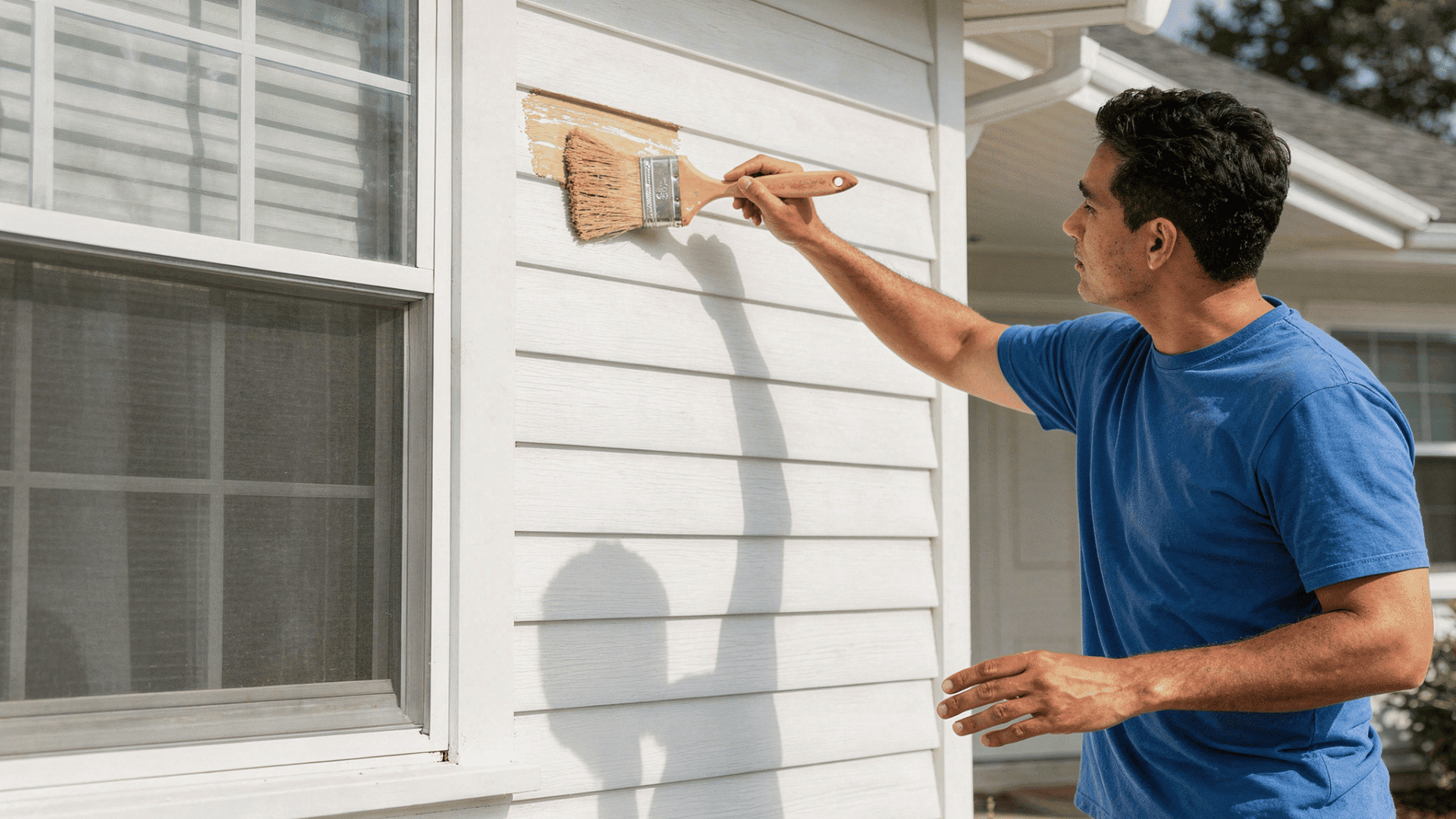
- Forgetting to Test Paint Samples in Natural Light: Paint can look very different once sunlight hits the walls, so testing samples first is always helpful.
Final Thoughts
Choosing between eggshell and satin paint really comes down to how you use your space and what matters most to you.
If you want a softer look that hides small wall flaws, eggshell is often a great fit. If you need something stronger and easier to clean, satin is usually a better choice for busy areas.
I always think it helps to balance appearance with practicality instead of focusing on shine alone. A finish that works well with your lifestyle will save you time, money, and the hassle of repainting later.
Before making your final choice, test paint samples in your room and look at them in different lighting throughout the day.
Small details can change the final result more than you expect.
Have you used eggshell or satin paint in your home? Share your experience and favorite finish in the comments below.
Frequently Asked Questions
When Should You Not Use Eggshell Paint?
You should avoid eggshell paint in high-moisture or heavy-traffic areas like bathrooms, kitchens, and busy hallways. It is less durable than satin and may wear down faster with frequent cleaning.
What Sheen do Most Painters Use?
Most painters commonly use eggshell paint for interior walls because it balances softness, durability, and easy maintenance. Satin is also popular in kitchens, bathrooms, and other areas needing frequent cleaning.
Is Eggshell Paint Too Shiny?
Eggshell paint is not usually considered too shiny. It has a soft, low-level sheen that reflects a small amount of light while still giving walls a smooth and comfortable appearance.
What Sheen Makes a Room Look Bigger?
Paint finishes with more sheen, like satin, can make a room look bigger because they reflect more light. Lighter paint colors combined with satin finishes often help spaces feel brighter and open.