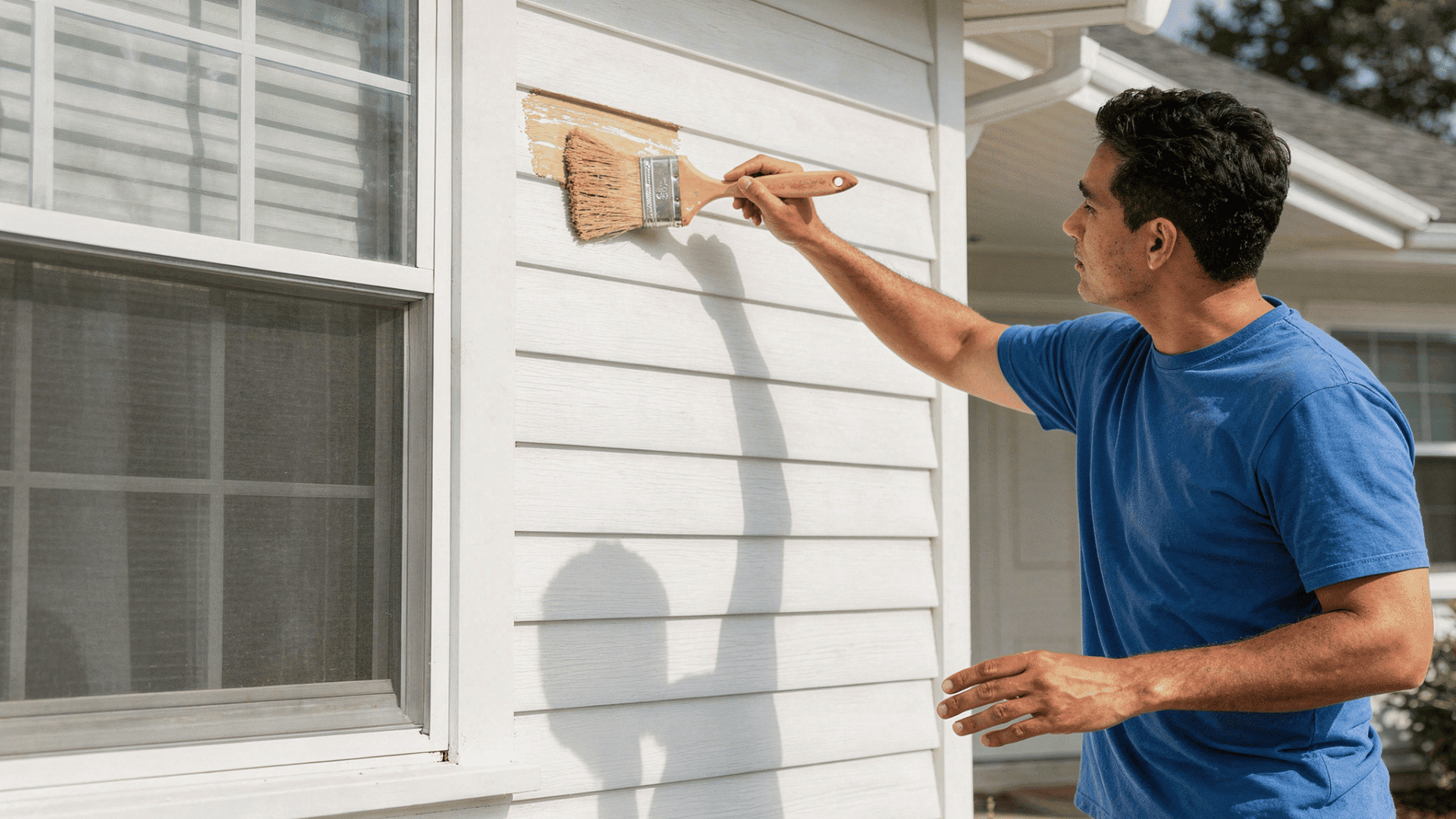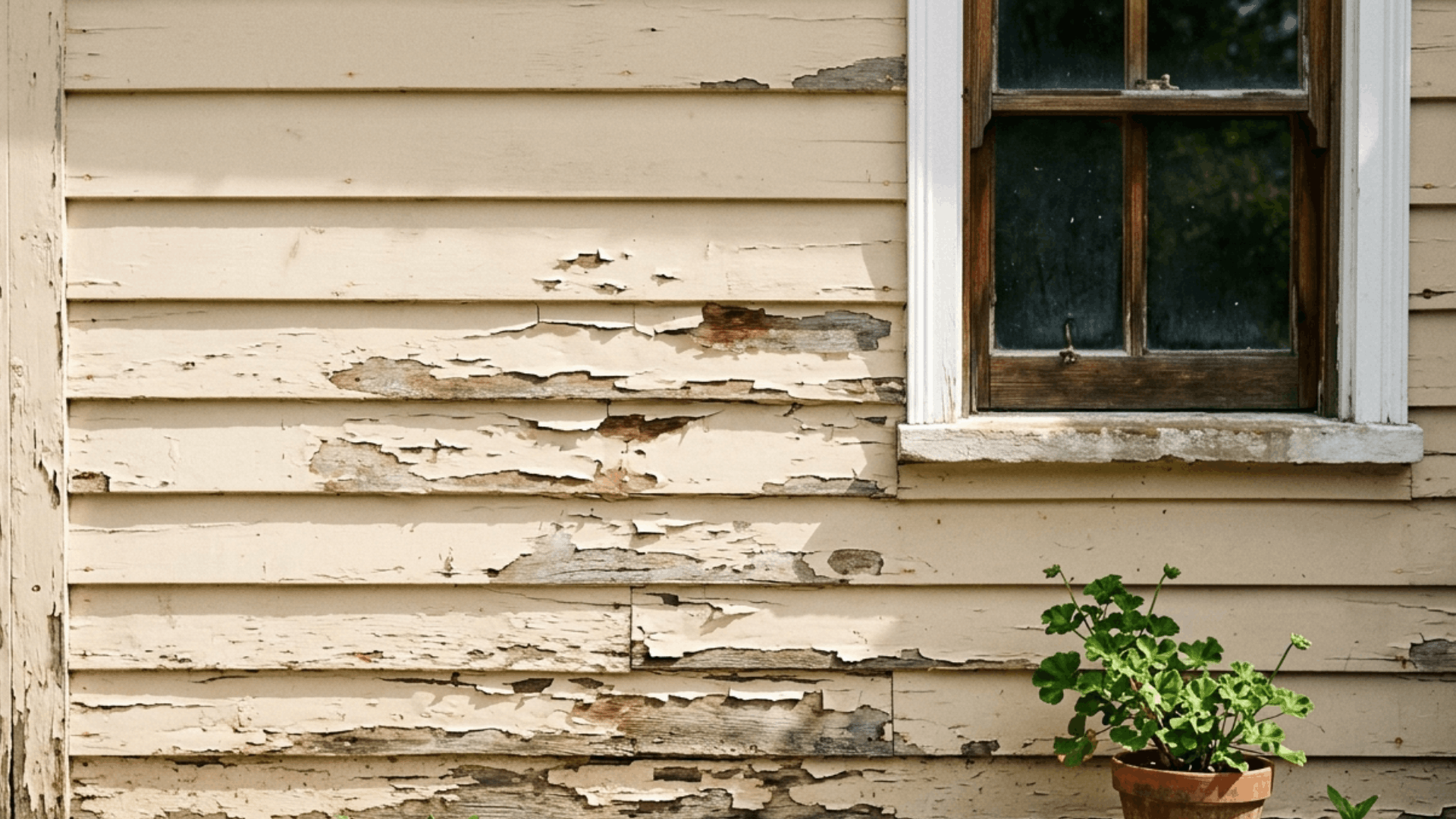

I’ve seen this question come up on nearly every job site I’ve worked on. A homeowner points to a half-full bucket of exterior paint sitting in the garage and asks, “can you use exterior paint inside?” to save a trip to the store.
It’s a reasonable question, and the short answer is: technically possible, but not a good idea.
It seems like an easy way to save money, but it’s not always the right choice. In this blog, I’ll explain how exterior paint is made and why it’s different from interior paint.
You’ll learn about safety concerns, how they can affect indoor air quality, and when it’s okay to use them.
I’ll also share better options that are safe, simple, and made for indoor spaces, so you can choose with confidence.
This will help you avoid common mistakes and get better results. By the end, you’ll know exactly what to look for before you start your next painting project.
Can You Use Exterior Paint Safely Inside Your Home?
No, exterior paint is not safe for indoor use in most situations.
Exterior paint is designed for outdoor surfaces, so it contains strong chemicals to resist weather, mold, and sunlight.
When you bring it inside, those same ingredients can release fumes that are not ideal for enclosed spaces. This can affect air quality and may cause irritation, especially if the room is not well ventilated.
One thing most people overlook: exterior paints often contain biocides, antimicrobial additives that prevent mold and algae growth on outdoor surfaces.
These chemicals are not tested or approved for continuous indoor inhalation. They are designed to be exposed to open air, not sealed inside a bedroom or nursery.
You might think opening windows will fix the issue, but the smell and gases can linger longer than expected. That’s why it’s not a good option for living spaces like bedrooms or kitchens.
Interior paint is the better choice because it is designed for indoor air quality, has lower odor, and provides a cleaner, smoother finish on walls.
Interior vs Exterior Paint: Key Differences
Interior and exterior paints are made for different environments and uses. Each type has unique ingredients, durability, and safety features.
| Feature | Interior Paint | Exterior Paint |
|---|---|---|
| Purpose | Designed for indoor surfaces | Made for outdoor surfaces |
| Durability | Less resistant to the weather | Highly resistant to sun, rain, and wind |
| Chemicals | Low VOC, safer for indoor air | Higher VOC, stronger additives |
| Finish | Smoother and easier to clean | Tougher, slightly less smooth |
| Flexibility | Rigid, less flexible | Flexible to handle temperature changes |
| Odor | Mild smell | Stronger smell |
| Mildew Resistance | Basic protection indoors | Strong resistance to mold and mildew |
| Drying Time | Dries faster in controlled conditions | Slower drying due to the heavy formula |
| Biocide Content | Minimal or none | Higher; not tested for indoor inhalation |
Why Exterior Paint May Not Be Safe for Indoor Use?
Exterior paint is built for harsh outdoor use, not enclosed indoor spaces. Its strong formula can create safety and comfort issues inside a home.
- High VOC Levels: Exterior paint contains more volatile organic compounds, which can release harmful fumes indoors and affect air quality.
- Strong Odor: The smell is much stronger and can linger for days, making indoor spaces uncomfortable.
- Health Concerns: Prolonged exposure may cause headaches, dizziness, or irritation, especially in poorly ventilated rooms.
- Poor Indoor Finish: It may not provide the smooth, clean look expected on interior walls.
- Ventilation Limits: Even with open windows, fumes may not fully clear from enclosed spaces.
- Not Designed for Living Areas: It is not made for spaces like bedrooms, kitchens, or living rooms where safety matters most.
The EPA notes that VOC concentrations indoors can be 2 to 5 times higher than outdoors during and after painting, and exterior paints with high VOC formulas amplify this risk significantly in enclosed rooms.
Is There Any Situation Where Exterior Paint Can Be Used Indoors?
This is the question most people skip entirely, and it’s one homeowners genuinely need answered. There are a few limited situations where exterior paint may be acceptable indoors:
- Detached Garages and Workshops: These spaces are not living areas and typically have better ventilation. Using exterior paint on garage walls or floors is generally considered low-risk.
- Basement Walls with Moisture Problems: If a basement has significant moisture ingress and a dedicated moisture-barrier exterior formula is the only available option, it can be used, but only with heavy ventilation during and after application, and ideally in an unfinished, non-occupied space.
- Utility Rooms or Storage Spaces: Rooms with no regular occupancy and good airflow are lower-risk than bedrooms or kitchens.
In all these cases, the space should be unoccupied during painting and for at least 48 to 72 hours after.
Children, elderly people, pregnant women, and anyone with respiratory conditions should not enter the area until all fumes have fully cleared.
Safer Paint Options for Indoor Walls Instead of Exterior Paint
Choosing the right paint for indoor walls helps create a safer and more comfortable living space. Mixing interior and exterior paint is not one of those options, as it can compromise both safety and finish.
1. Low-VOC Interior Paint
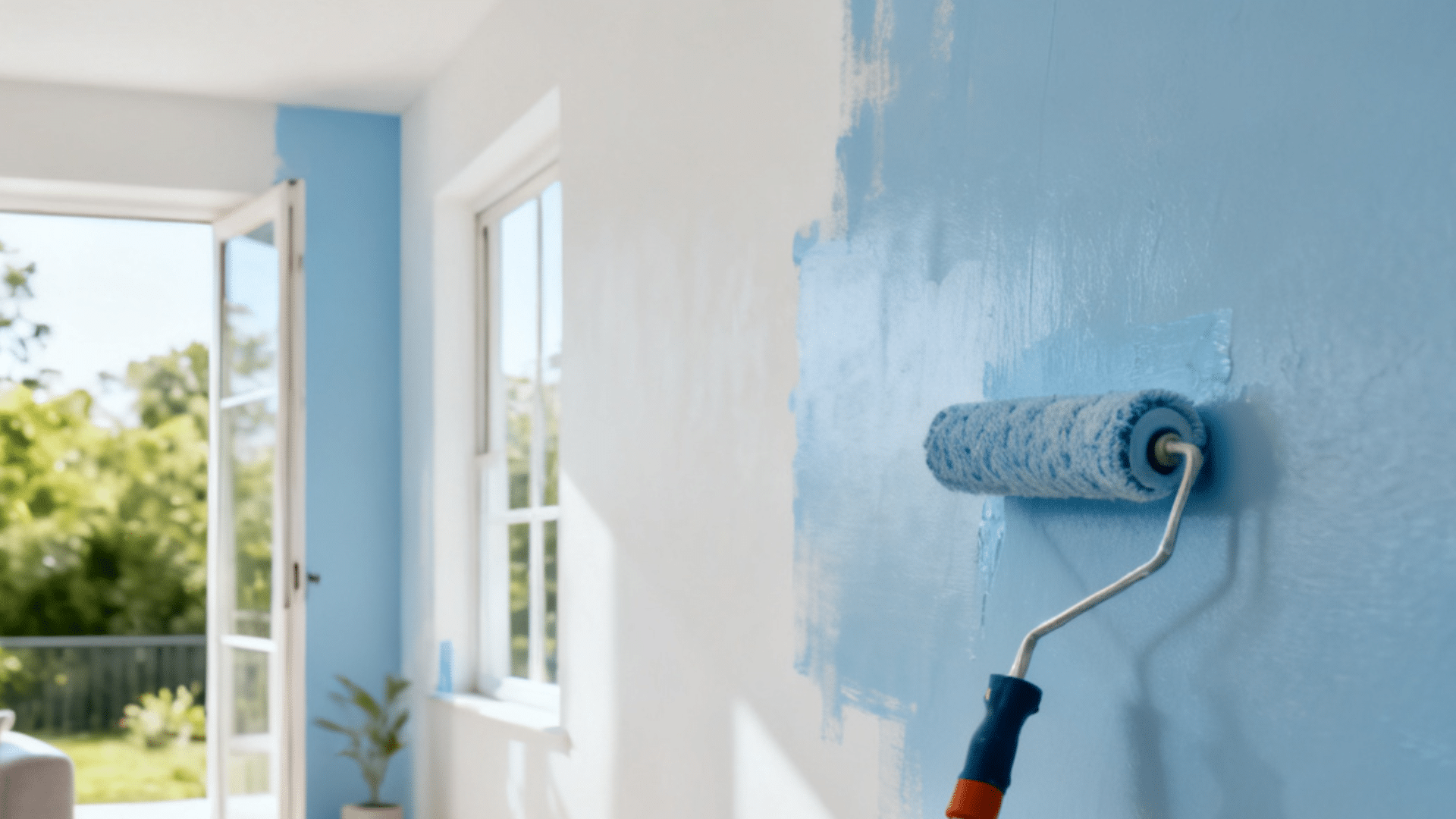
Low-VOC interior paint is designed to emit fewer harmful fumes than traditional paints.
This makes it a safer option for indoor use, especially in homes with children or pets. It still provides good coverage, durability, and a clean finish while helping maintain better air quality.
Many brands offer a wide range of colors and finishes, so there is no need to compromise on style. It works well in living rooms, bedrooms, and hallways where comfort and safety are important.
2. Zero-VOC Paint
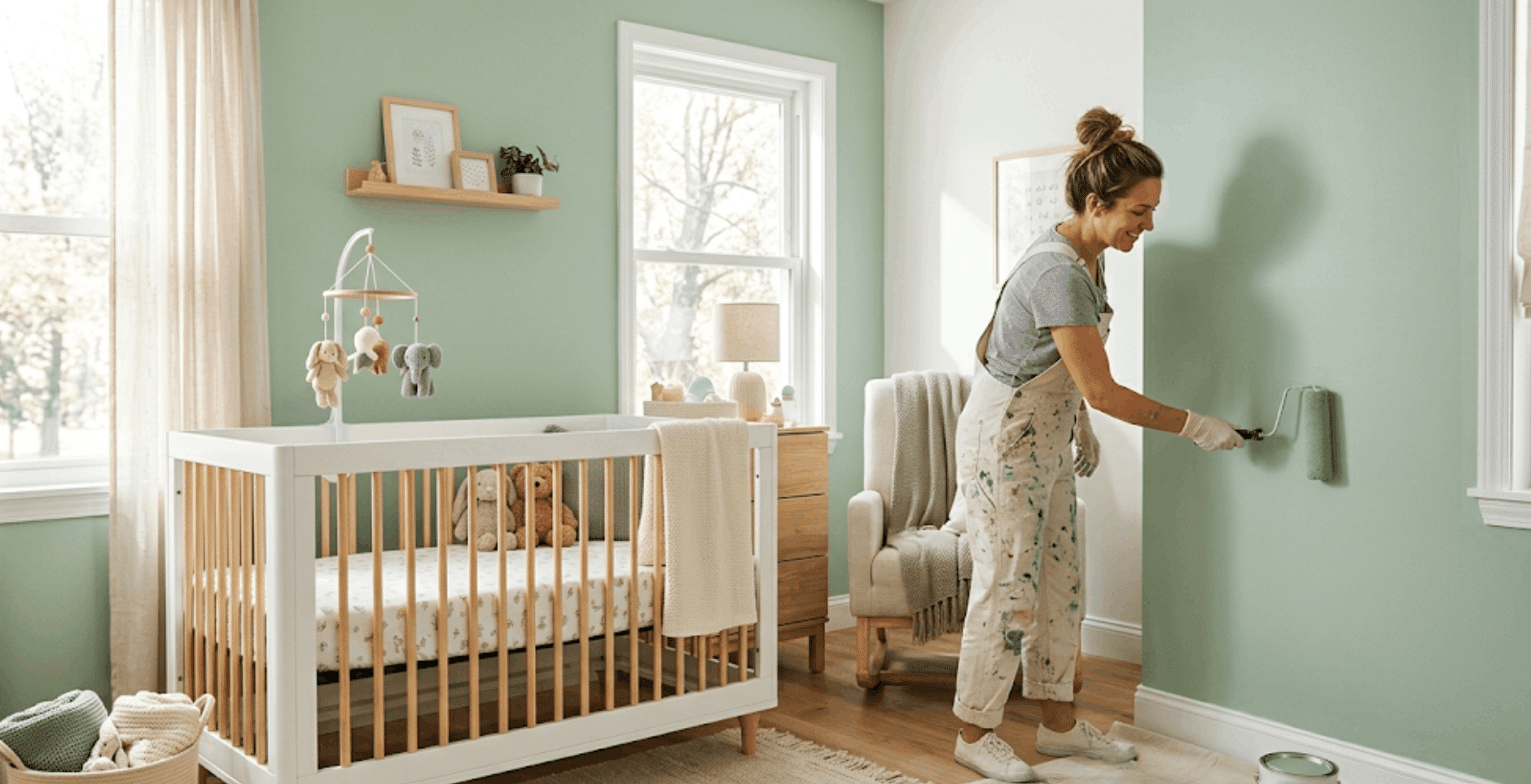
Zero-VOC paint is one of the safest choices for indoor walls. It emits little to no harmful emissions, making it ideal for nurseries, bedrooms, and other small rooms with limited airflow.
The odor is very mild, so it does not linger as long as stronger paints. Despite being safer, it still offers good color quality and a smooth finish.
This type of paint is a great option for those who are sensitive to smells or want a cleaner indoor environment.
3. Water-Based (Latex) Paint
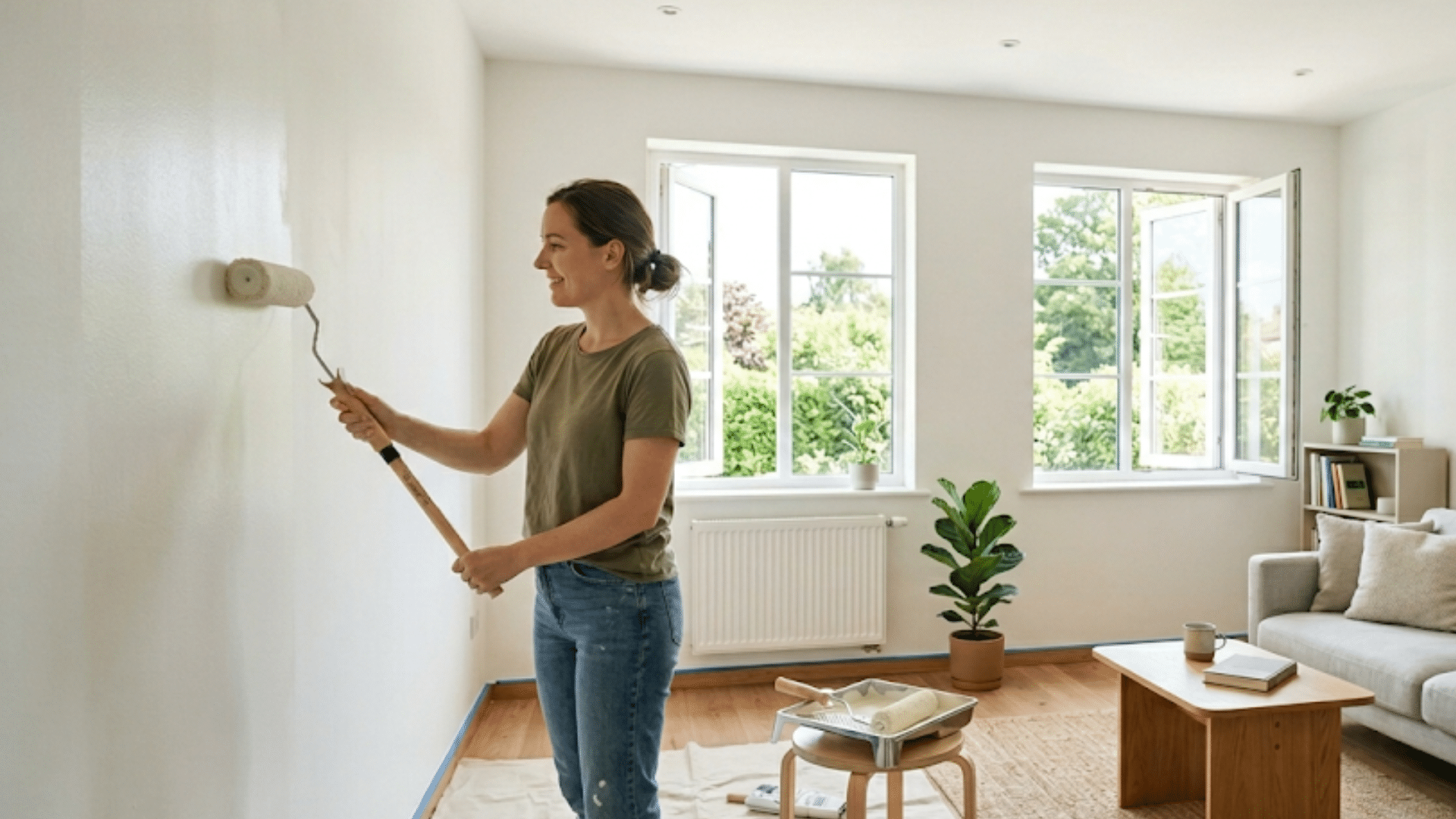
Water-based or latex paint is a common choice for indoor walls because it is easy to use and safe. It dries quickly, has a mild smell, and can be cleaned up with water.
This makes it a practical option for both beginners and experienced painters. It also resists cracking and peeling over time, which helps maintain the look of the walls.
Latex paint is widely available and works well in most indoor areas, from kitchens to bedrooms.
4. Milk Paint
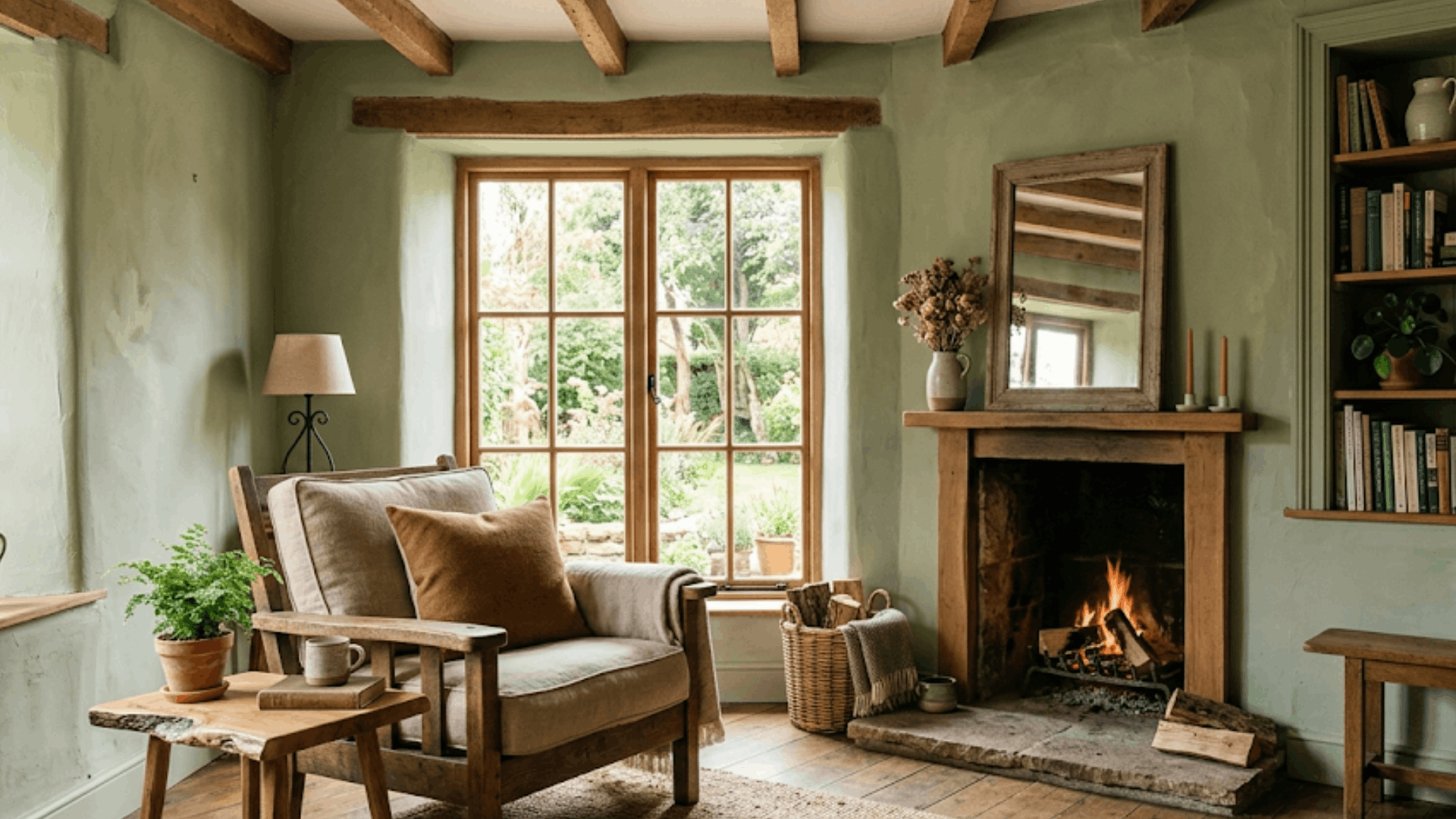
Milk paint is a natural option made from simple ingredients, such as milk protein, lime, and natural pigments. It is a good choice for those looking for a more eco-friendly solution.
This paint gives a soft, matte finish that works well for a rustic or classic look. It has a very low odor and emits no strong fumes, making it suitable for indoor use.
Milk paint is often used on walls, furniture, and decorative surfaces for a unique finish.
5. Chalk Paint
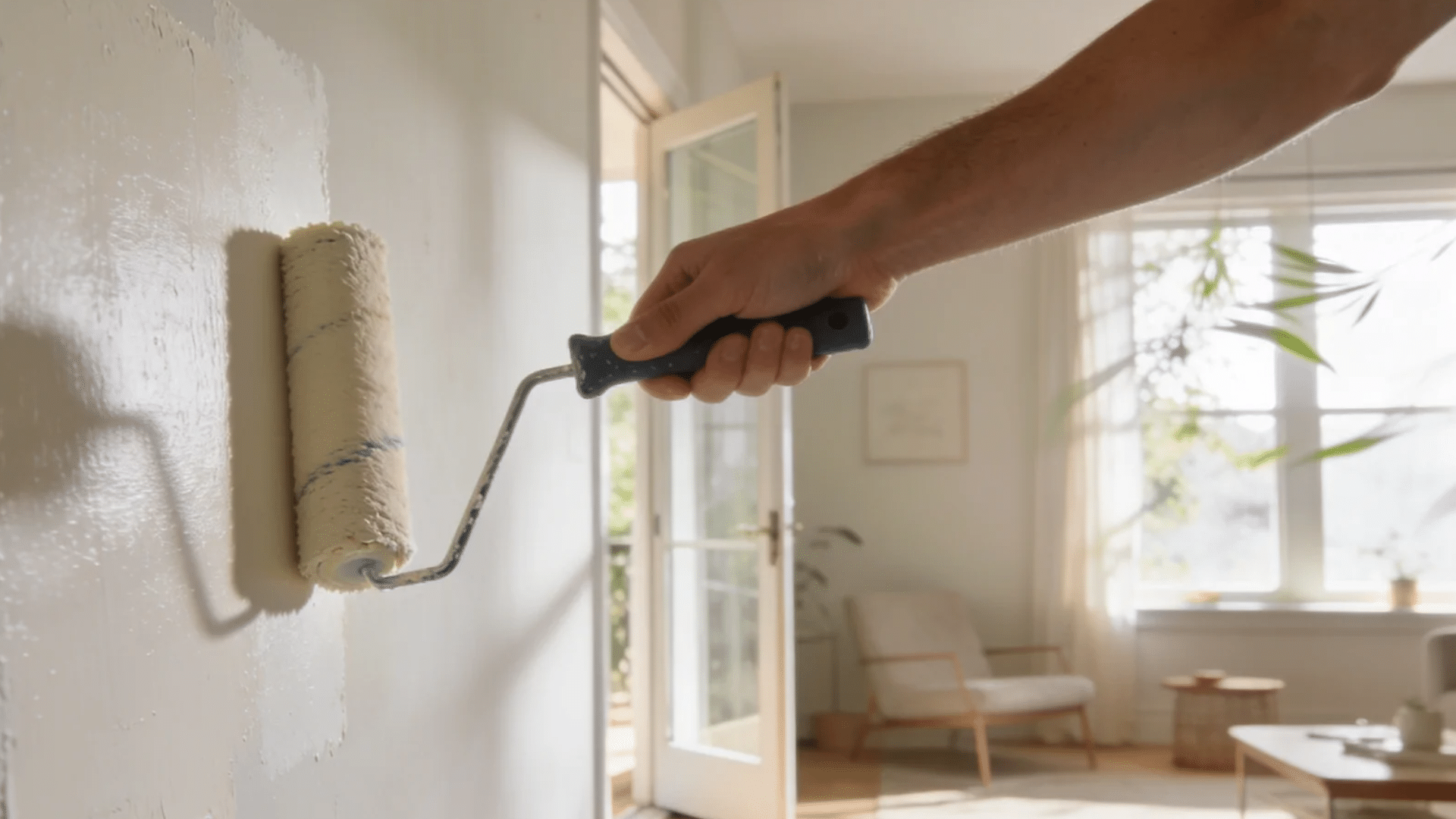
Chalk paint is known for its smooth texture and soft, matte appearance. It has a low odor and emits no strong fumes, making it safe for indoor use.
This type of paint is easy to apply and often requires little surface preparation. It is commonly used for creating a vintage or textured look on walls and furniture.
Chalk paint also dries quickly, which makes the painting process faster and more convenient for indoor projects.
6. Eco-Friendly Paints
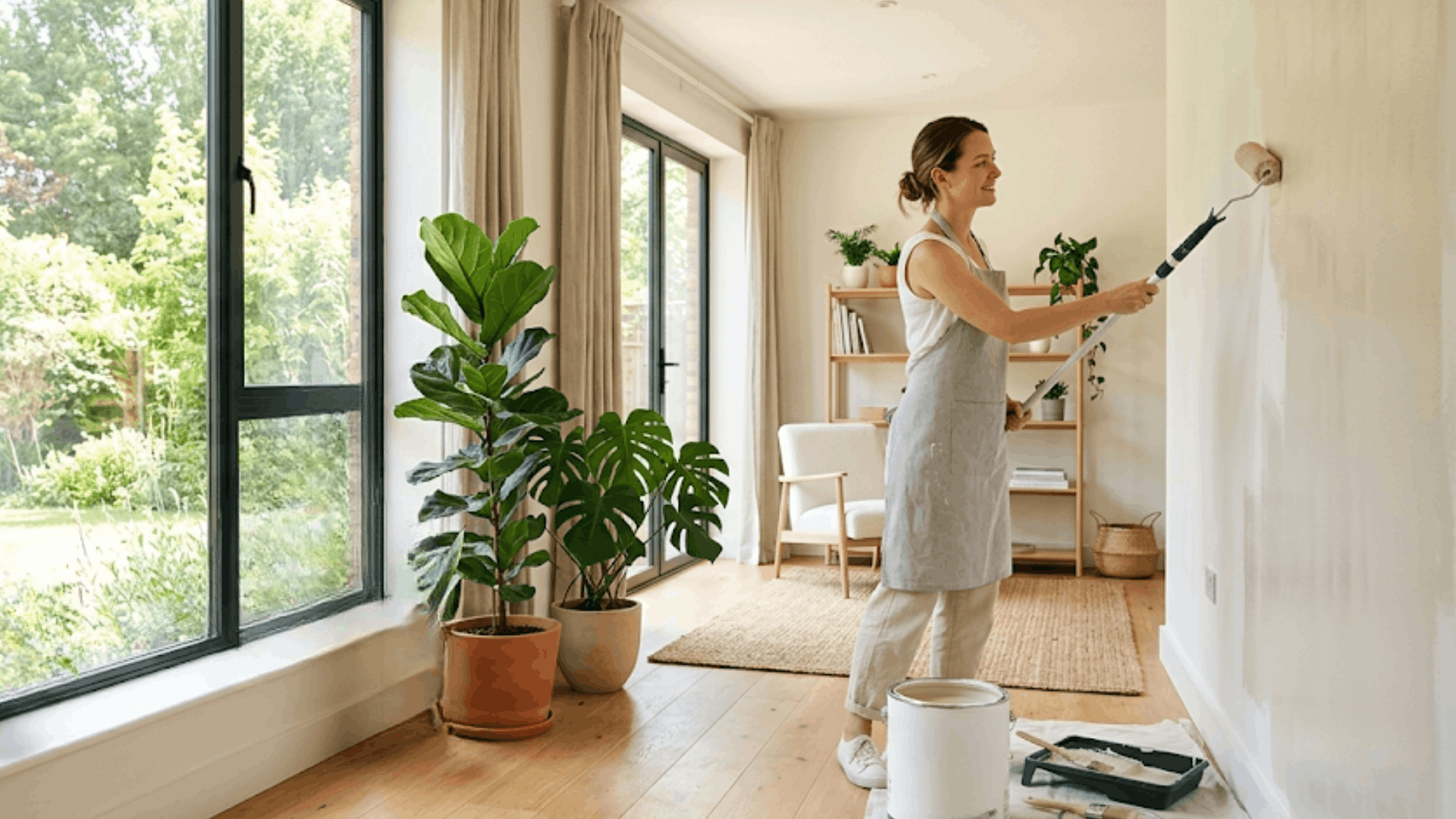
Eco-friendly paints are made with safer ingredients that reduce harm to indoor air quality. They often include low or zero VOC levels and avoid harsh chemicals found in traditional paints.
These paints are a great option for people who want a healthier home environment. They come in various colors and finishes, offering plenty of design options.
Eco-friendly paints are suitable for all indoor spaces and help create a cleaner, safer living environment.
How to Pick the Right Paint for Every Room in Your Home?
Different rooms have different needs, so picking the right paint helps improve both comfort and durability. The right choice depends on factors like moisture, traffic, and daily use.
| Room Type | Recommended Paint Type | Key Features |
|---|---|---|
| Living Room | Low-VOC Interior Paint | Smooth finish, safe for daily use |
| Bedroom | Zero-VOC Paint | Low odor, better for air quality |
| Kitchen | Water-Based (Latex) Paint | Easy to clean, stain-resistant |
| Bathroom | Mildew-Resistant Interior Paint | Handles moisture and humidity |
| Kids Room | Low/Zero-VOC Paint | Safe, washable, low fumes |
| Hallways | Durable Latex Paint | Scuff-resistant, long-lasting finish |
| Home Office | Eco-Friendly Paint | Clean air, calm working environment |
Health Risks of Using Exterior Paint Indoors
Using exterior paint indoors can pose several health risks due to its strong chemical composition. These risks are more noticeable in closed or poorly ventilated spaces.
- Poor Indoor Air Quality: Exterior paint releases higher levels of VOCs, which can degrade indoor air quality. This can make the space feel stuffy and uncomfortable over time.
- Breathing Issues: Fumes may irritate the lungs, leading to coughing or shortness of breath. This can be more noticeable for children, older adults, or those with asthma.
- Headaches and Dizziness: Strong odors can trigger headaches, dizziness, or nausea over time. These symptoms may worsen with longer exposure in closed rooms.
- Skin and Eye Irritation: Direct contact or exposure to fumes may irritate the skin and eyes. This can cause redness, itching, or a burning sensation.
- Long-Term Exposure Risks: The American Cancer Society has flagged certain VOCs, including benzene found in some solvent-based paints, as known carcinogens. While modern exterior latex paints are far safer than oil-based predecessors, repeated exposure in unventilated spaces is not without risk.
- Stronger Lingering Smell: The odor can become trapped indoors, prolonging discomfort and exposure time. This smell may take days or even weeks to fully fade away.
Cost vs Safety: Should Exterior Paint Be Used Indoors?
Using exterior paint indoors might seem like a way to save money, but so does using interior paint outside, and both shortcuts cost more later. The risks can outweigh the savings.
| Aspect | Exterior Paint Indoors | Interior Paint Indoors |
|---|---|---|
| Initial Cost | Lower if using leftover paint | Slightly higher upfront cost |
| Air Quality | Can reduce indoor air quality (high VOCs) | Safer, designed for indoor air |
| Health Impact | May cause irritation or discomfort | Minimal risk with low/zero VOC options |
| Odor | Strong and long-lasting smell | Mild and fades quickly |
| Performance | Not ideal for indoor surfaces | Smooth, durable indoor finish |
| Long-Term Cost | May need repainting or fixes | More reliable, fewer future costs |
| Overall Value | Short-term savings | Better safety and long-term results |
In most cases, the small cost savings are not worth the safety risks that come with using outdoor paint. Choosing interior paint is the better option for a safer, healthier, and longer-lasting result.
Final Thoughts
I once tried using exterior paint inside to save money, and I noticed the smell stayed much longer than expected. Even after keeping windows open, the room still felt heavy and uncomfortable for days.
In the end, what seems like a small shortcut can affect comfort and air quality in ways that are hard to ignore. A home should feel safe, clean, and easy to live in every day.
Using the right paint plays a big role in that. Knowing the difference between interior and exterior paint makes that choice much easier from the start.
Interior paint is made for indoor use, and it simply works better for both safety and finish.
If you’ve had a similar experience or tried something different, it would be helpful to hear your story. Share your experience in the comments below!
Frequently Asked Questions
What is the Best Paint for Asthma?
Low-VOC or zero-VOC interior paint is considered the safest choice.
Is it Okay to Sleep in a Freshly Painted Room?
Waiting until the paint fully dries and the fumes have cleared is advised.
Does Exterior Paint Need Ventilation to Dry?
Yes, proper airflow helps reduce fumes and supports effective drying.