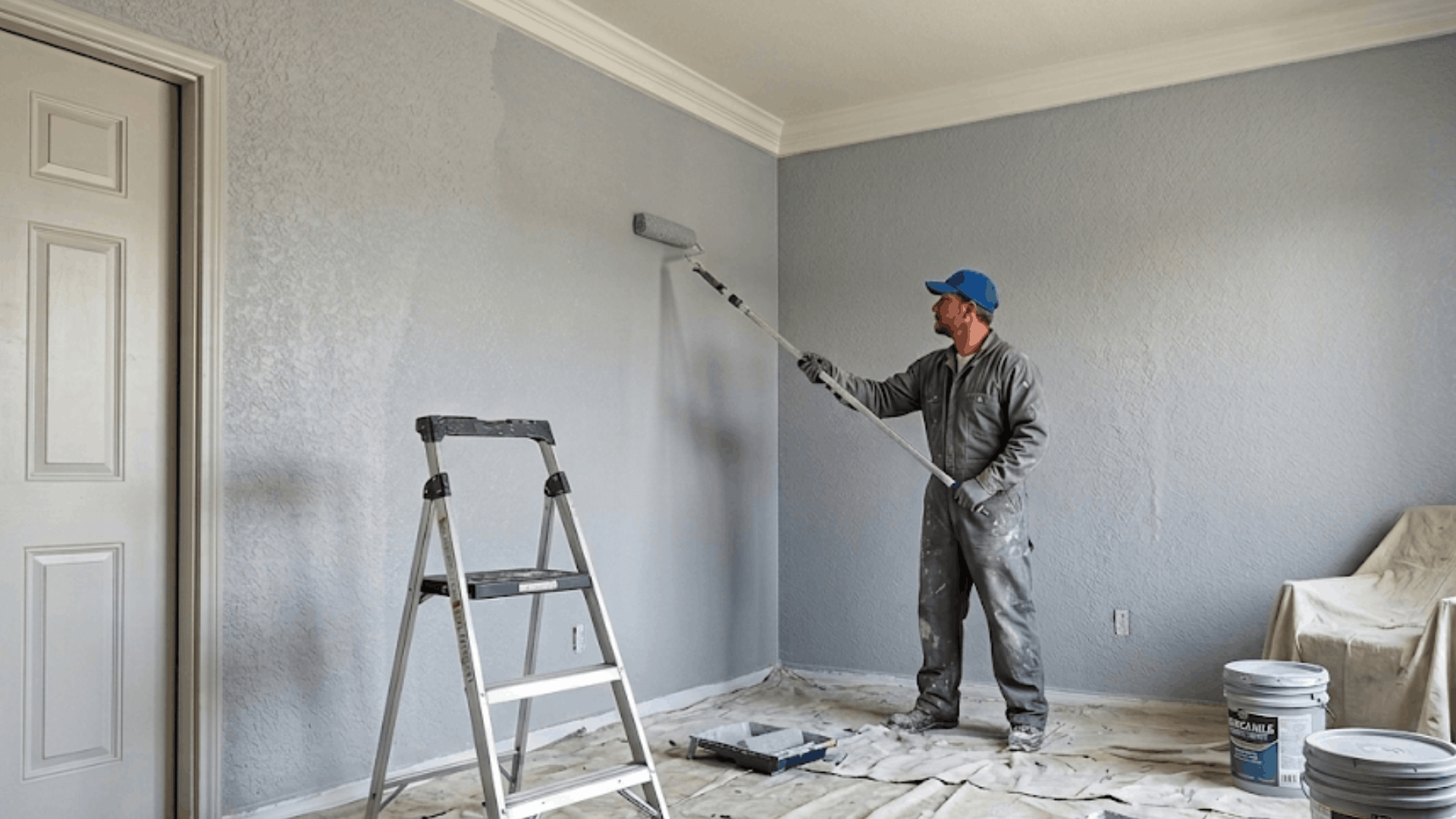

I’ve seen many people try to save money by using indoor paint for outside projects. Others go the opposite route and consider using exterior paint indoors, which comes with its own risks.
It seems like a quick fix, but it often leads to peeling, fading, and more work later.
If you are considering using interior paint outside, I will clear up any doubts you have.
In this guide, I’ll explain what really happens when indoor paint is exposed to sun, rain, and changing temperatures.
You’ll learn how interior and exterior paints are different and why that matters. I’ll also cover the risks, when it might work in rare cases, and better choices for long-lasting results.
If you’re planning to paint outdoors, this will help you avoid mistakes and pick the right paint from the start.
By the end, you’ll feel more confident about choosing the right paint for your project.
Can You Ever Use Interior Paint Outside?
Interior paint can be used outside in very limited situations, but it is not a reliable long-term option.
Understanding interior vs exterior paint makes it clear why even sheltered outdoor spaces carry risk. It may work on surfaces that are fully protected from direct sun, rain, and strong weather changes.
For example, covered areas like a porch ceiling or a sheltered wall may hold up for a short time.
However, even in these cases, the paint can still fade, peel, or wear out faster than expected. Interior paint lacks the protective additives needed to handle outdoor stress.
This means more frequent touch-ups and maintenance will likely be needed.
For any exposed surface, using exterior paint is always the better choice. It is designed to handle weather and lasts much longer. Interior paint should only be considered for temporary or low-risk outdoor use.
What Actually Happens Over Time: A Degradation Timeline
Most guides tell you interior paint “fails outdoors” without explaining when. Here is a realistic timeline based on a fully exposed surface in a temperate climate with a typical freeze-thaw cycle.
| Timeframe | What You’ll Notice | What’s Happening |
|---|---|---|
| 1 to 4 weeks | Surface looks fine, slight chalking on south-facing walls | UV rays begin breaking down pigment binders. No visible damage yet. |
| 1 to 3 months | Color noticeably faded, surface feels slightly powdery to the touch | Continued UV degradation and first moisture absorption cycles |
| 3 to 6 months | Peeling begins at edges and corners; bubbling on wood | Moisture trapped under the film expands and contracts with temperature, breaking adhesion |
| 6 to 12 months | Widespread peeling, mold or mildew spots, significant bare patches | Film integrity fully compromised; surface now needs stripping before any repaint |
On a semi-sheltered surface like a covered porch ceiling with no direct rain exposure, this timeline stretches. You might get 12 to 18 months before serious degradation.
That’s still roughly one-third the lifespan of a quality exterior paint in the same location.
What is Interior Paint Made For?
Interior paint is designed for use in your home, where surfaces remain protected from harsh outdoor conditions.
It is commonly used on walls, ceilings, and trim because it is designed to withstand everyday wear, such as cleaning, light moisture, and normal indoor conditions.
The main focus is on smooth finish, color quality, and easy maintenance.
Unlike exterior paint, it is not built to resist strong sunlight, heavy rain, or large temperature changes. Interior paint contains fewer weather-resistant additives, which helps reduce strong odors and keeps indoor air safer.
It also dries faster and comes in many finish options, making it ideal for decorating. Overall, it performs best in controlled indoor spaces where durability demands are lower than outdoor surfaces.
Why Interior Paint Fails in Outdoor Conditions?
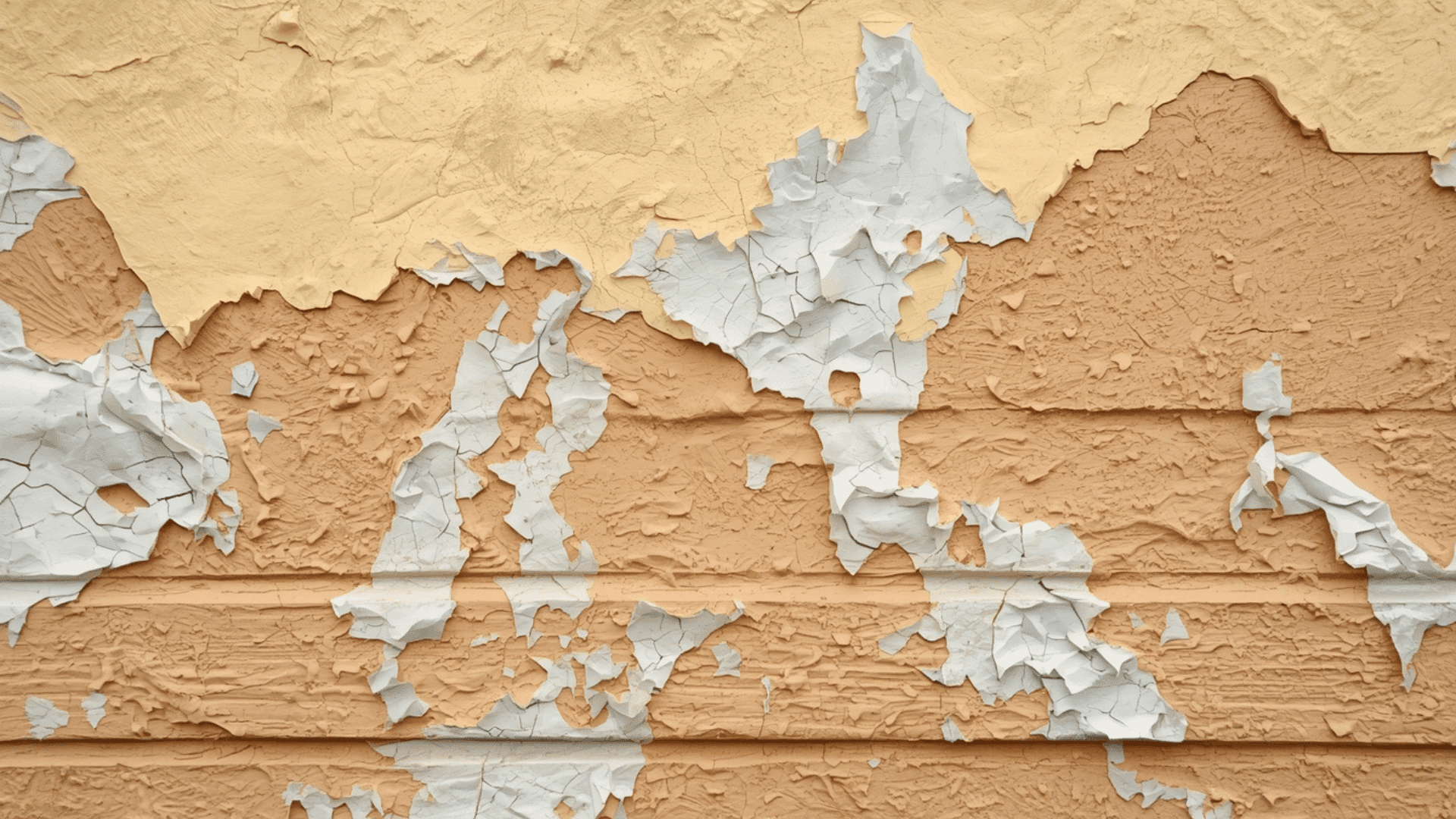
Interior paint fails outdoors because it is not designed to withstand weather conditions such as sun, rain, and temperature changes. Over time, this leads to quick damage and poor results.
- No UV Protection: Lacks protection against sunlight, causing fading and color loss. This makes colors look dull and worn out very quickly.
- Poor Water Resistance: Absorbs moisture easily, leading to peeling and bubbling. Even light rain can weaken the paint over time.
- Cracks in Temperature Changes: Cannot expand or contract with heat and cold, causing cracks. This results in an uneven, damaged surface.
- Weak Durability: Breaks down faster when exposed to outdoor elements. It cannot handle long-term exposure like exterior paint can.
- Mold and Mildew Growth: Lacks additives to prevent fungal growth in damp conditions. This risk only gets worse when mixing interior and exterior paint instead of using the right type for the job.
I Already Used Interior Paint Outside. Now What to Do?
This section is for anyone who painted an outdoor surface with interior paint and is now wondering whether to leave it, touch it up, or strip it entirely. Here is how to assess where you stand.
If the paint went on less than 4 weeks ago and shows no peeling
Monitor it closely. Do not repaint over it with exterior paint yet. Wait to see how it responds to the weather.
If it holds for 2 to 3 months without bubbling or peeling, you may be able to apply a compatible exterior topcoat with a bonding primer in between. Test a small patch first.
If the paint is already peeling, bubbling, or showing mold
The film’s integrity is compromised. Painting over it will only delay the same problem. You need to strip the surface, sand it back, and apply a quality exterior primer before painting.
Skipping this step means the new paint will peel just as fast because it will be bonding to a failing surface.
How to tell if a surface was previously painted with interior paint
Wet a small area with water. Interior paint will feel slightly tacky and may show faint softening. Exterior paint stays firm.
You can also look for chalky residue when you rub the surface dry, which is a classic sign of interior paint UV degradation outdoors.
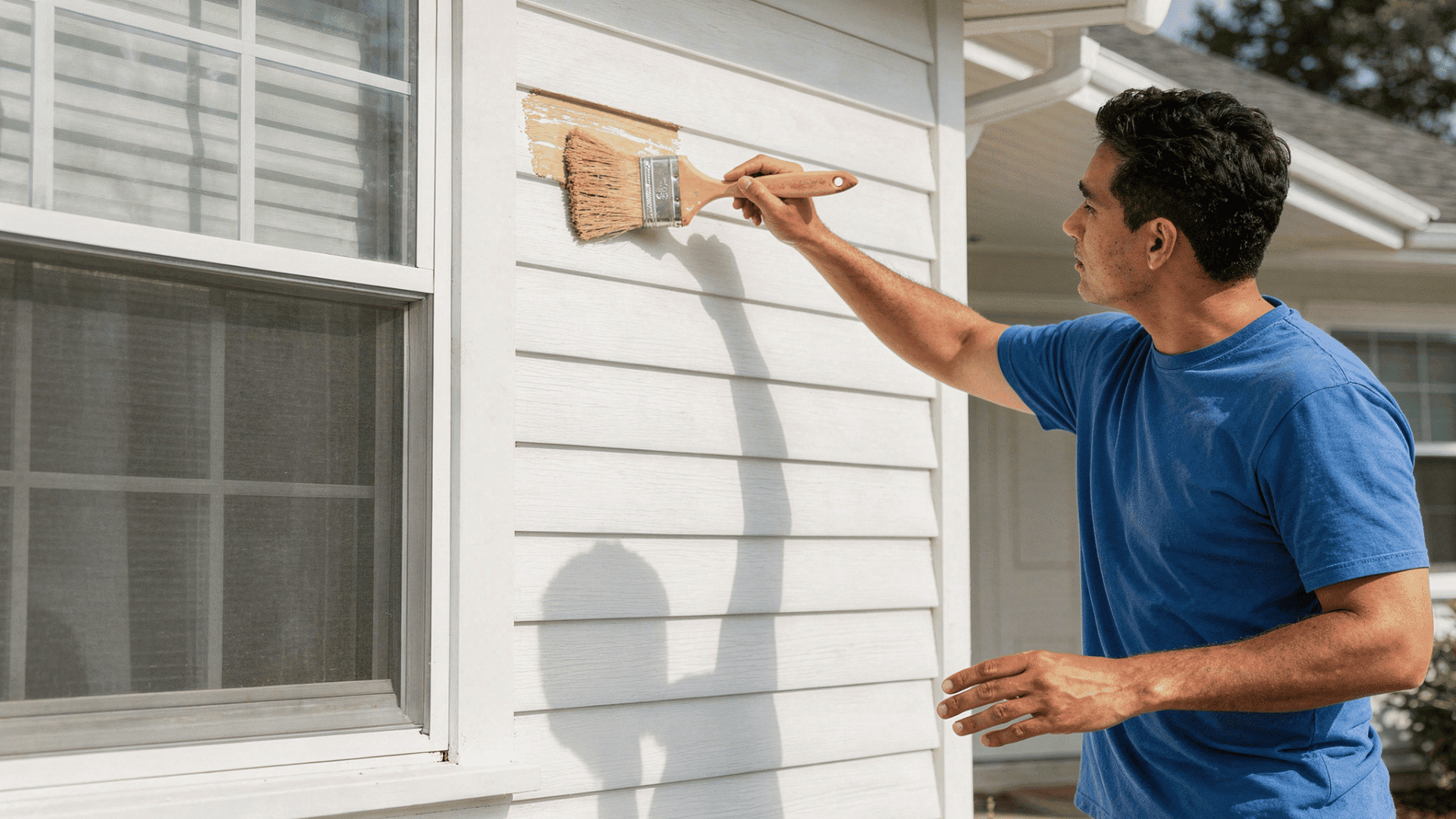
When I’ve had to repaint surfaces where someone used interior paint outside, the prep work always takes longer than the paint job itself. Stripping compromised paint off wood siding is genuinely tedious. The cost of doing it right the first time is almost always less than the labor of correcting it later.
Best Paint Options for Outdoor Projects
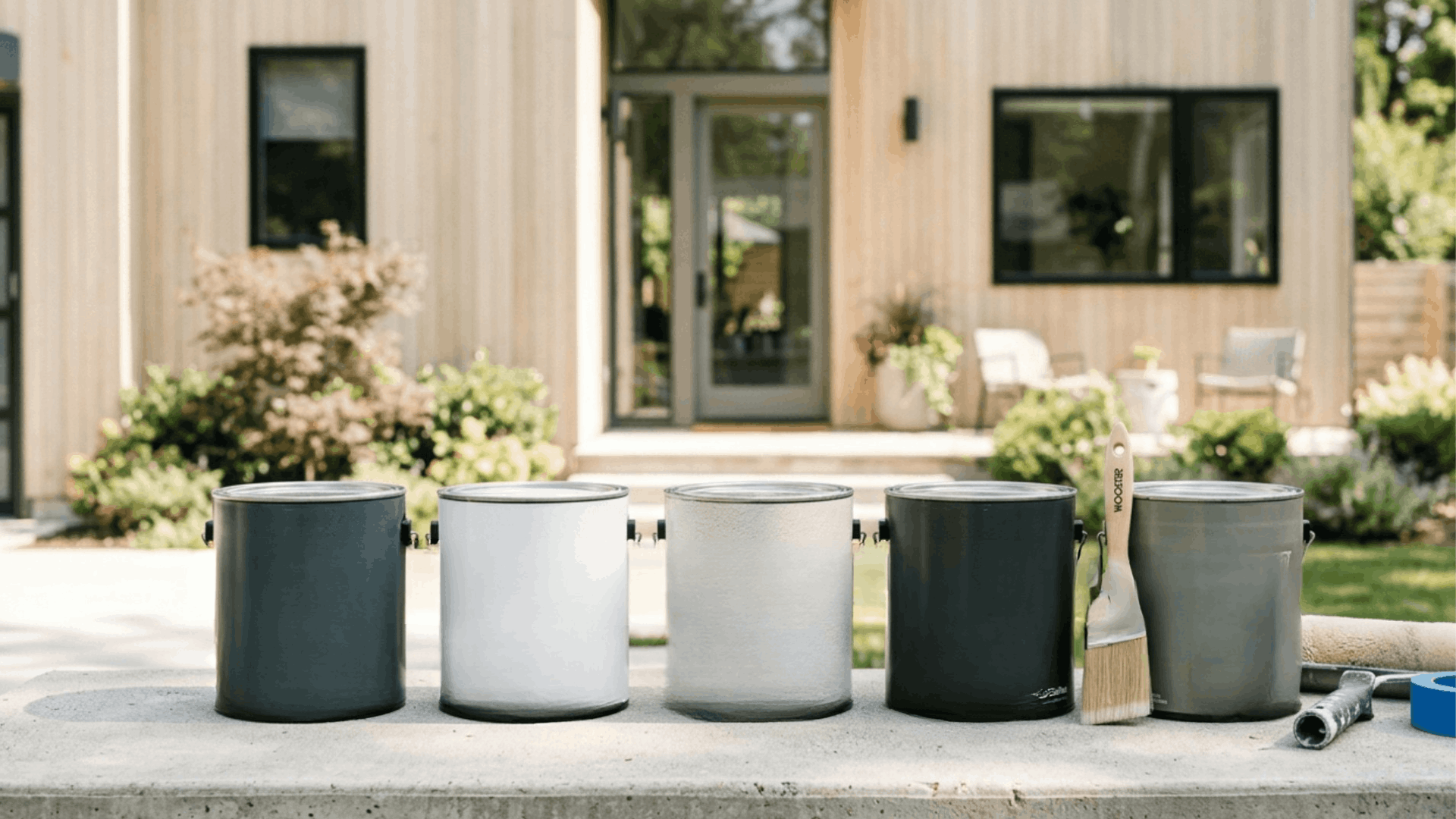
Choosing the right paint for outdoor projects helps surfaces last longer and look better over time. Exterior paints are specially made to handle weather, moisture, and temperature changes.
1. Acrylic Latex Exterior Paint
Acrylic latex exterior paint is one of the most widely used options for outdoor projects. It offers excellent durability and resists fading when exposed to the can.
This type of paint is flexible, which means it expands and contracts with temperature changes, reducing the risk of cracking. It also dries faster and is easy to clean with water.
It works well on wood, siding, and many other surfaces, making it a reliable and versatile choice for most outdoor needs.
2. Oil-Based Exterior Paint
Oil-based exterior paint provides a strong, hard finish that stands up well to heavy wear and harsh conditions. It is especially useful for surfaces such as metal, doors, and trim, where durability matters most.
This paint resists moisture better than many other types, helping prevent damage over time. However, it takes longer to dry and requires more effort to clean up.
Despite that, it remains a solid choice for areas that need extra strength and long-lasting protection.
3. Elastomeric Paint
Elastomeric paint is designed for surfaces like stucco, concrete, and masonry. Its thick, flexible coating can stretch to cover small cracks, helping protect surfaces from water damage.
This makes it ideal for areas exposed to rain or high humidity. It also forms a strong barrier that prevents moisture from entering the surface.
While it is more expensive than standard paint, its ability to seal and protect makes it a great option for long-term outdoor durability.
4. Exterior Enamel Paint
Exterior enamel paint is known for its smooth, tough finish that resists dirt, stains, and wear. It is commonly used on doors, trims, railings, and other detailed surfaces.
This paint creates a hard outer layer that holds up well against weather and frequent use. It also gives a clean, polished look that lasts longer than many basic paints.
Although it may take a bit more time to apply, the strong finish makes it a dependable choice for outdoor features.
5. Waterproof Masonry Paint
Waterproof masonry paint is specially made for brick, concrete, and stone surfaces. It creates a protective barrier that prevents water from soaking into the surface, helping prevent damage such as cracks or mold growth.
This type of paint is very useful in areas with frequent rain or damp conditions. It also improves the overall lifespan of masonry surfaces.
With proper application, it keeps walls looking fresh while protecting them from moisture-related problems over time.
Key Differences Between Interior and Exterior Paint
Interior and exterior paints are formulated for different environments and perform very differently. Choosing the right one helps ensure better durability and long-lasting results.
| Feature | Interior Paint | Exterior Paint |
|---|---|---|
| Purpose | Designed for indoor use | Made for outdoor surfaces |
| Weather Resistance | Low resistance to the sun and rain | High resistance to weather conditions |
| Durability | Handles light wear | Built for heavy outdoor exposure |
| Flexibility | Less flexible | Expands and contracts with temperature |
| Additives | Fewer protective chemicals | Contains UV and moisture protection |
| Finish Options | Wide variety of decor | Limited but more durable finishes |
| Lifespan | Short outside | Long-lasting outdoors |
Tips to Make Exterior Paint Last Longer
Proper care and the right steps can help exterior paint stay strong and look fresh for years. Small changes during prep and application make a big difference in durability.
- Clean the Surface Well: Dirt, dust, and grease can stop paint from sticking properly. A clean surface helps the paint bond better and last longer.
- Use a Quality Primer: A primer creates a strong base for paint to stick to. It also improves coverage and protects the surface underneath.
- Choose the Right Paint Type: Always use exterior-grade paint made for outdoor conditions. It is designed to resist the sun, rain, and temperature changes.
- Paint in the Right Weather: Most exterior paints require temperatures between 50°F and 90°F (10°C to 32°C) with humidity below 85% for proper adhesion and curing.
- Apply Multiple Thin Coats: Thin layers dry faster and last longer than a single thick coat. This also improves the overall finish.
- Seal Gaps and Cracks: Filling cracks prevents moisture from getting under the paint. This helps avoid peeling and damage over time.
How Interior Paint Fails on Different Outdoor Surfaces?
Interior paint does not perform well on outdoor surfaces because each material reacts differently to weather exposure. This leads to faster damage, poor adhesion, and an uneven finish over time.
| Surface Type | How Interior Paint Fails | Resulting Issue |
|---|---|---|
| Wood | Absorbs moisture, causing swelling and peeling | Warped surface and peeling |
| Concrete | Cracks and flakes due to temperature changes | Rough and broken finish |
| Metal | Fails to prevent rust and starts chipping | Rust buildup and paint loss |
| Brick | Traps moisture, leading to bubbling and damage | Damp spots and surface decay |
| Vinyl Siding | Poor adhesion, resulting in quick peeling | Uneven and patchy look |
| Stucco | Cannot stretch with the surface, causing cracks | Visible cracks and damage |
| Plaster | Moisture weakens the surface, causing flaking | Powdery and weak surface |
| Fiber Cement | Lacks bonding strength, leading to early peeling | Short lifespan finish |
Bottom Line
Using indoor paint outside may seem like an easy way to cut costs, but it often leads to more problems over time.
I’ve repainted over other people’s shortcuts more times than I can count. The pattern is always the same: the surface looks passable for a month or two, then you notice the chalking.
By the time peeling starts, the prep work to fix it properly takes twice as long as it would have to do the job right originally.
On a wood fence I redid last summer, the previous interior paint had been on for about eight months. Getting it cleanly stripped added a full day to the project.
Choosing the right exterior paint helps surfaces stay protected and look fresh for much longer.
It also saves time, effort, and money in the long run. A small decision at the start can make a big difference later.
If there’s one thing to remember, it’s to use the right paint for the right job. Have you ever tried something similar? Share your experience in the comments below!
Frequently Asked Questions
Can Interior Paint be Turned Into Exterior Paint?
Interior paint cannot be converted into exterior paint because it lacks the weather-resistant additives required for exterior use.
How Long does Interior Paint Last Outdoors?
Interior paint outdoors usually lasts a few weeks to a few months before fading or peeling.
How Can Interior Paint be Made Waterproof?
A waterproof sealer can add slight protection, but it does not make interior paint fully outdoor-safe.
Will Rain Wash Off Acrylic Paint?
Acrylic paint resists water when dry, but rain can still damage interior acrylic over time.
How Long do Paint Fumes Last Outside?
Paint fumes outdoors usually fade within a few hours, depending on airflow and weather.