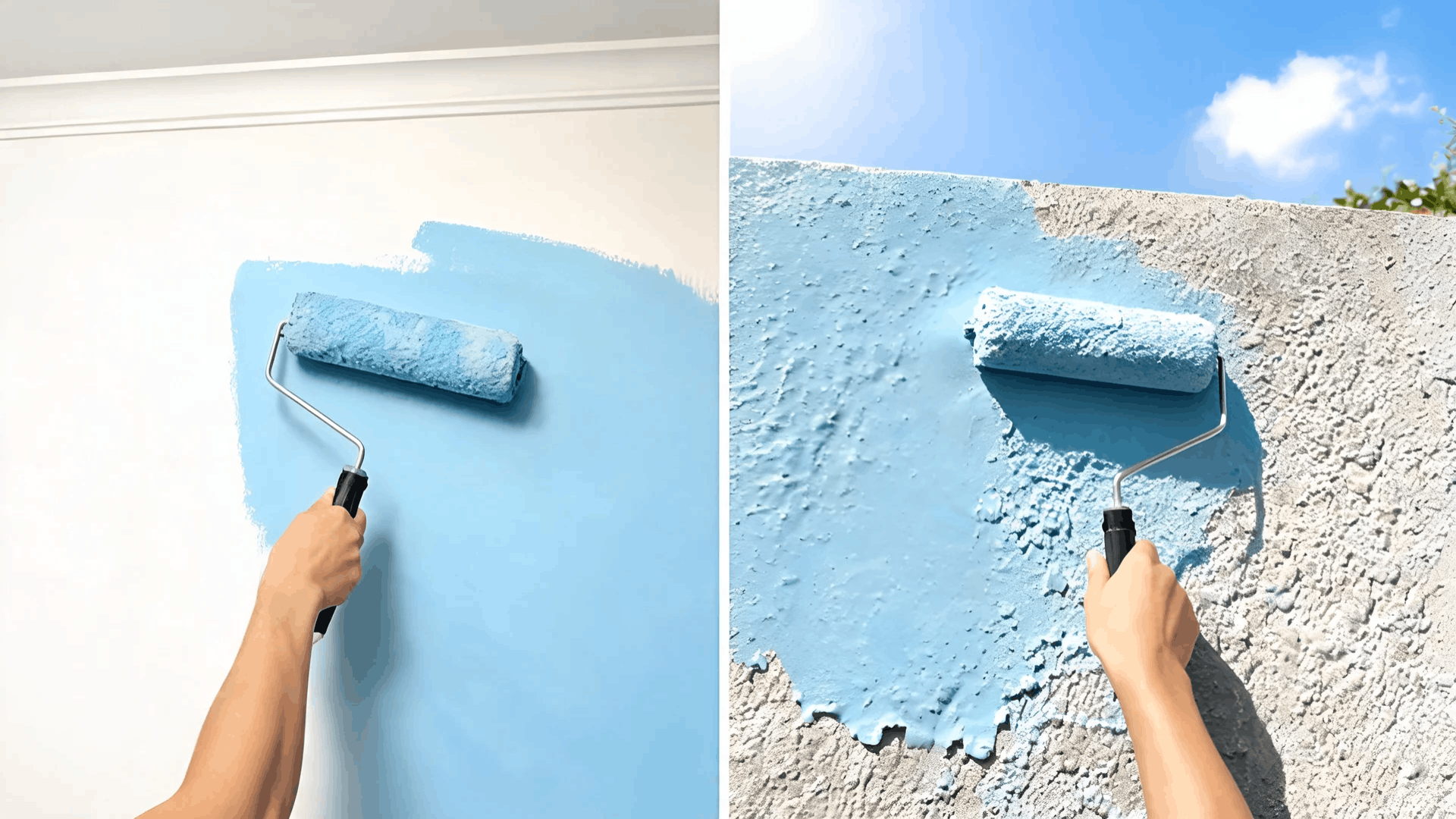
I’ve seen many people get confused when picking paint for their home. You might wonder if you can use the same paint inside and outside.
Some even consider using exterior paint indoors to cut costs, but it’s not always a good idea. The difference between interior and exterior paint matters more than you think.
In this guide, I’ll share what sets them apart. You’ll learn how each type is made, where it works best, and what happens if you use the wrong one.
Additionally, I will explain the difference between interior and exterior paint in simple terms. You’ll also learn when you can or can’t use them interchangeably
I’ll also cover safety, durability, and a few easy tips to help you choose with confidence. By the end, you’ll know exactly which paint to use and why.
What is Interior Paint?
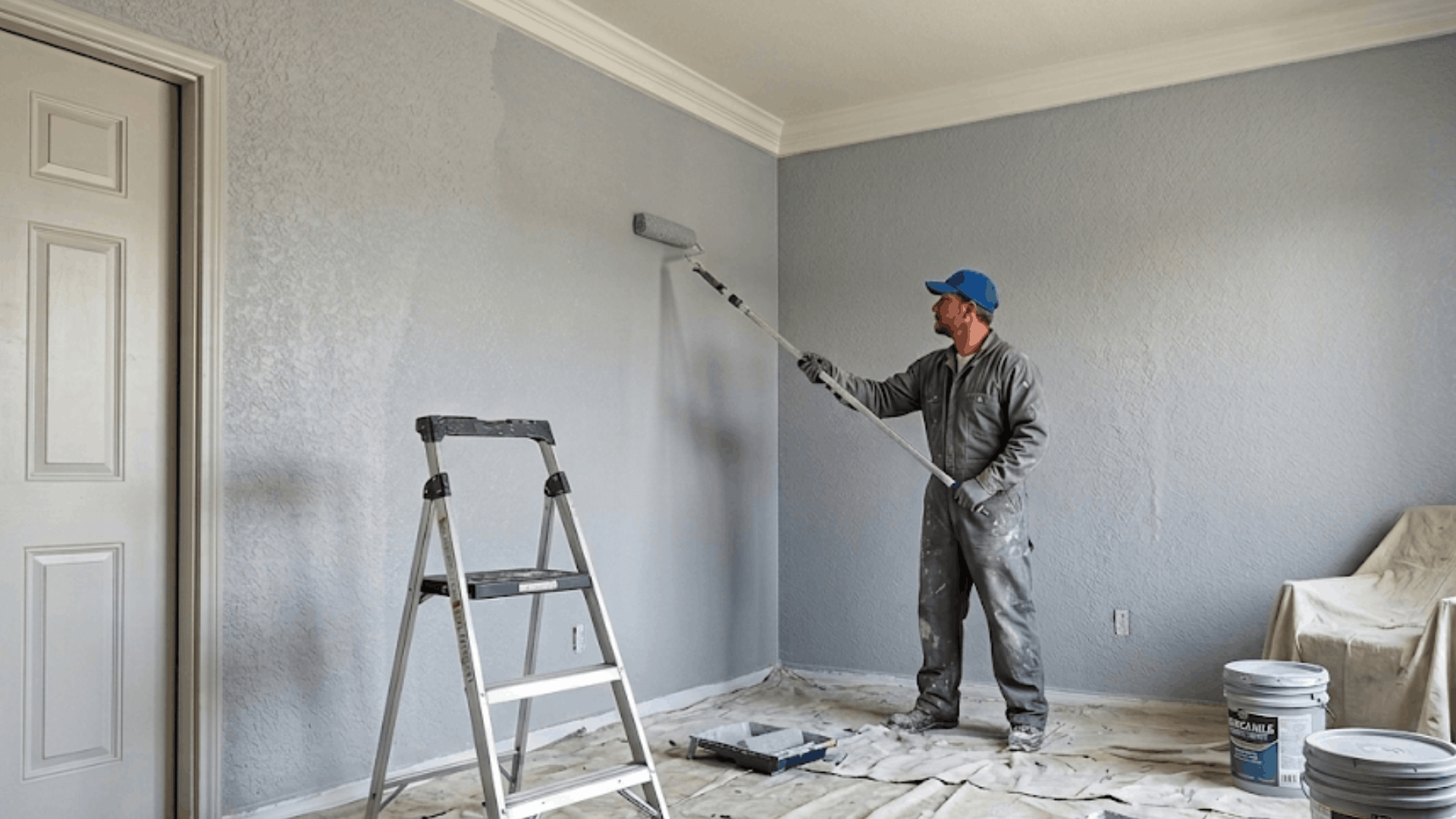
Interior paint is specially designed for indoor surfaces, providing a smooth finish, low odor, and easy maintenance.
Interior paint is designed for enclosed spaces where airflow may be limited. It contains fewer harsh chemicals, making it safer for use in living areas, bedrooms, and kitchens.
This type of paint focuses more on appearance and comfort rather than extreme durability.
It is available in different finishes such as matte, eggshell, satin, and gloss. Each finish serves a purpose, from hiding wall flaws to allowing easy cleaning.
Interior paint is also designed to resist stains and light moisture, which helps maintain a clean look over time.
Another key feature is its ability to be cleaned without damage. Marks, smudges, and minor dirt can often be wiped away, making it a practical choice for everyday use in homes.
What is Exterior Paint?
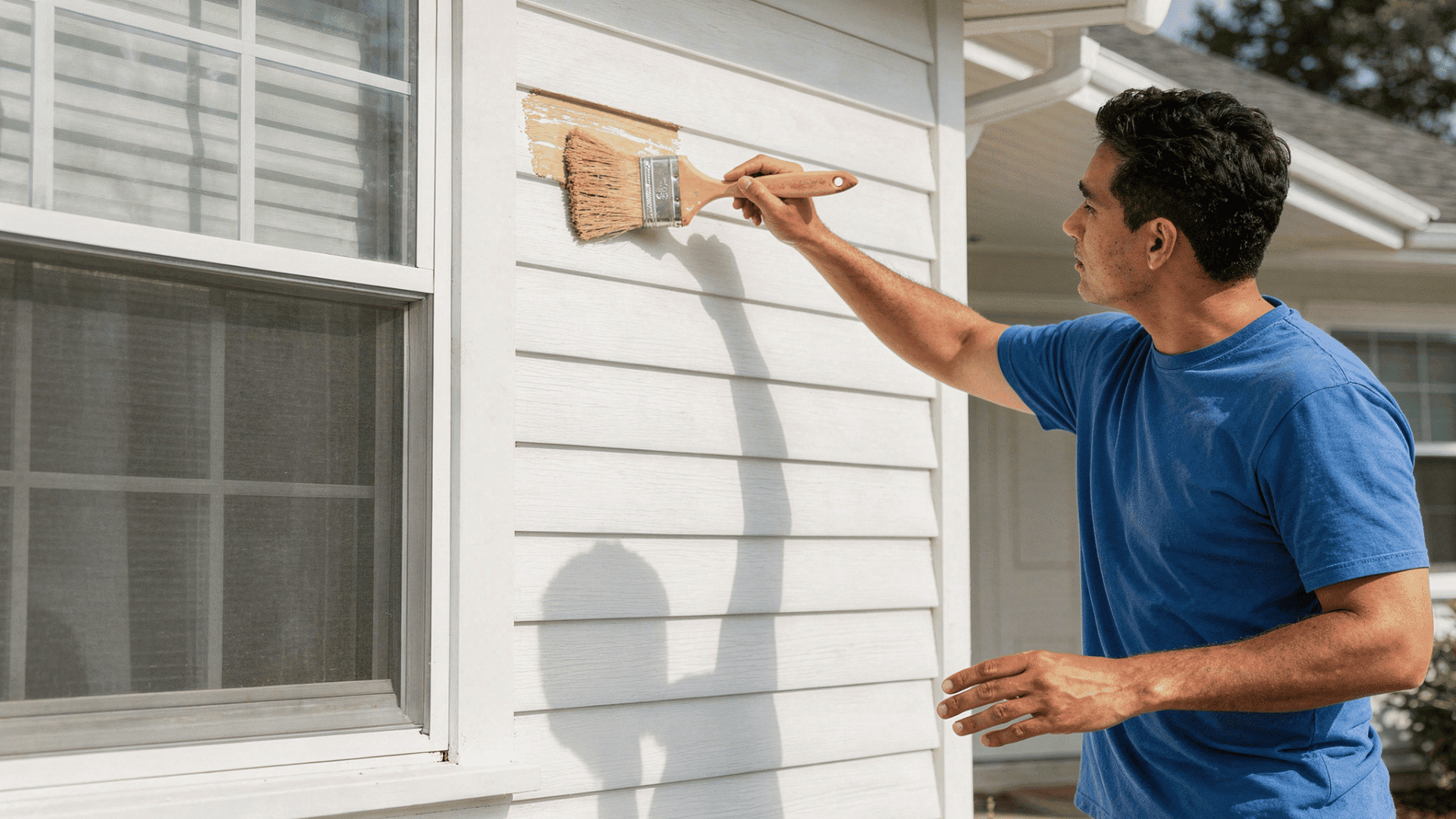
Exterior paint is specially formulated for outdoor surfaces and built to withstand weather, moisture, and temperature changes.
Exterior paint is designed to withstand harsh conditions, including rain, sunlight, wind, and dust. It contains stronger chemicals and additives that help it resist fading, cracking, and peeling over time.
This makes it ideal for surfaces such as walls, fences, and doors exposed to the outdoors.
It also has a flexible formula that expands and contracts with changing temperatures. This helps prevent damage caused by heat and cold.
Many exterior paints offer protection against mold, mildew, and UV rays, helping surfaces look fresh longer. Unlike interior paint, it emphasizes durability over comfort.
Difference Between Interior and Exterior Paint
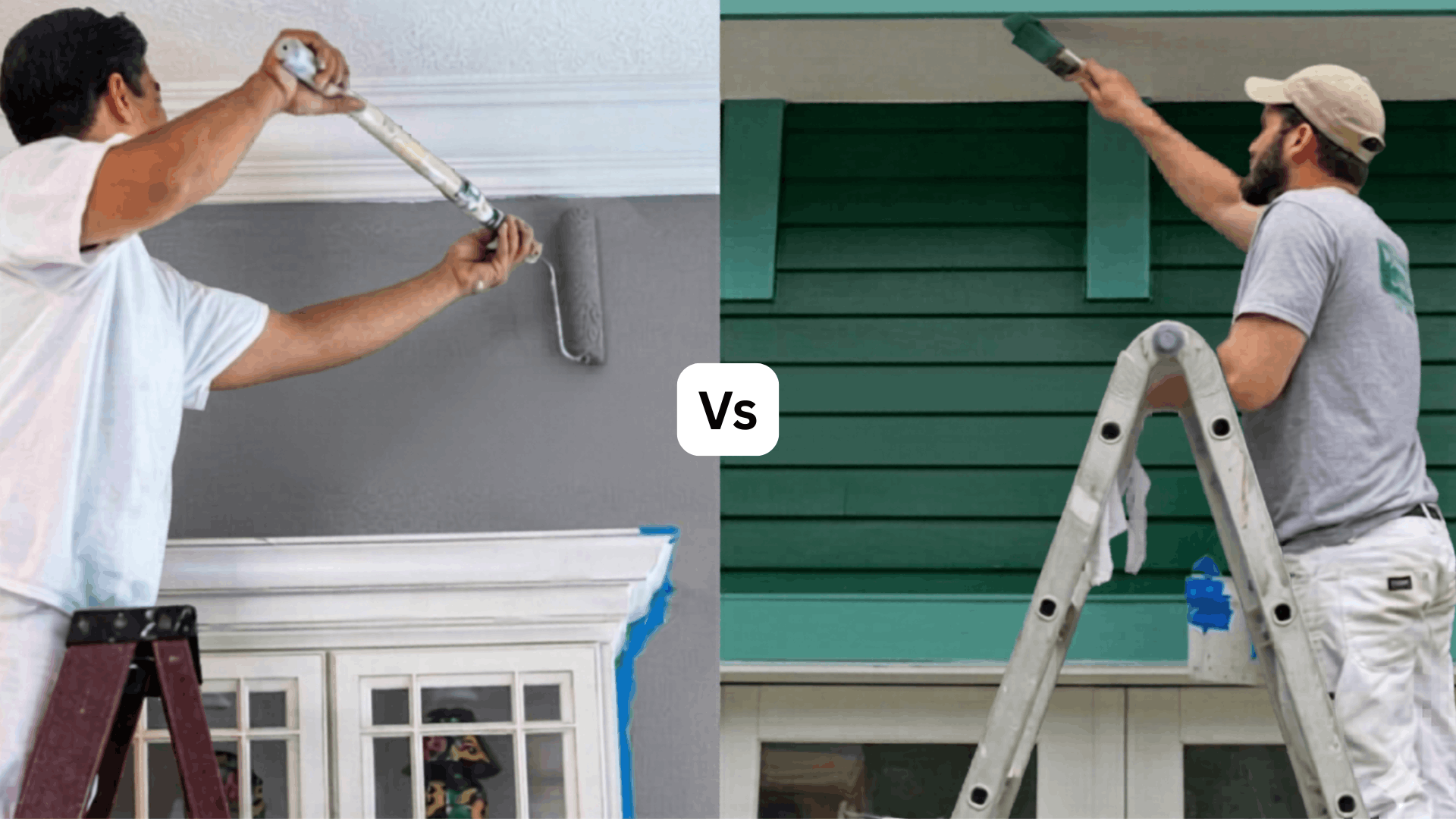
Choosing the right paint depends on where and how it will be used. Interior and exterior paints may look similar, but they are made for very different conditions.
1. Composition and Ingredients
Interior paint contains fewer harsh chemicals to keep indoor air safer and more comfortable. It focuses on smooth application and a clean finish.
Exterior paint contains stronger additives that protect against rain, sunlight, and dirt. These ingredients help it resist fading and damage.
Because of this, exterior paint can last longer in outdoor conditions, while interior paint is better suited for controlled indoor environments.
2. Durability and Strength
Exterior paint is designed to withstand extreme weather, including heat, cold, and moisture. It resists cracking, peeling, and fading over time.
Interior paint is less durable but works well for everyday indoor use. It is built for light wear, such as small marks or scuffs.
While it may not survive outdoor conditions, it maintains a neat look indoors where surfaces are not exposed to harsh elements.
3. Safety and Odor
Interior paint is created for enclosed spaces, so it has low odor and fewer fumes. This makes it safer for use inside homes, especially in bedrooms and living areas.
Exterior paint includes stronger chemicals that can produce noticeable fumes. These fumes may not be suitable for indoor use without proper ventilation.
That is why interior paint is always the safer choice for indoor painting projects. Mixing interior and exterior paint does not reduce these safety concerns; it can actually make them harder to predict.
4. Flexibility and Expansion
Exterior paint is flexible, which allows it to expand and contract with changing temperatures. This helps prevent cracking when surfaces heat up or cool down.
Interior paint is more rigid because indoor temperatures stay stable. It does not need to handle extreme changes.
This difference in flexibility is important, as using interior paint outside can lead to cracking and surface damage over time.
5. Finish and Appearance
Interior paint offers a wide range of finishes, including matte, eggshell, satin, and gloss. These options help match different room styles and hide surface flaws.
Exterior paint focuses more on durability and color retention. It is made to resist fading from sunlight and wear from weather.
While it still looks good, its main purpose is to maintain its appearance in outdoor conditions.
Overall Differences Between Interior and Exterior Paint
Interior and exterior paints are made for different environments, so their features vary based on use. Knowing these differences helps in choosing the right paint for better results and longer life.
| Feature | Interior Paint | Exterior Paint |
|---|---|---|
| Purpose | Used inside homes | Used on outdoor surfaces |
| Composition | Low chemicals, low odor | Strong additives for weather protection |
| Durability | Handles light wear | Built for harsh weather |
| Flexibility | Less flexible | Expands and contracts with temperature |
| Safety | Safer for enclosed spaces | Not ideal for indoor use |
| Finish Options | Wide range of finishes | Limited focus on durability |
| Resistance | Stain and light moisture resistant | UV, mold, and weather-resistant |
How to Pick the Right Paint for Your Project?
Choosing the right paint depends on the surface, location, and purpose of the project. Making the right choice helps improve finish, safety, and long-term results.
- Know Your Surface: Different surfaces, such as walls, wood, or metal, require specific paint types for proper coverage and adhesion.
- Check the Location: Use interior paint for indoor areas and exterior paint for surfaces exposed to weather conditions.
- Consider Durability: High-traffic areas need stronger, washable paint, while low-use spaces can use simpler finishes.
- Look at Finish Options: Matte hides flaws, while glossy finishes are easier to clean and maintain.
- Focus on Safety: Choose low-odor, low-VOC paints for indoor use to maintain better air quality.
- Match the Climate: Exterior paint should be suited to local weather conditions for longer-lasting results.
How Weather Impacts Exterior Paint?
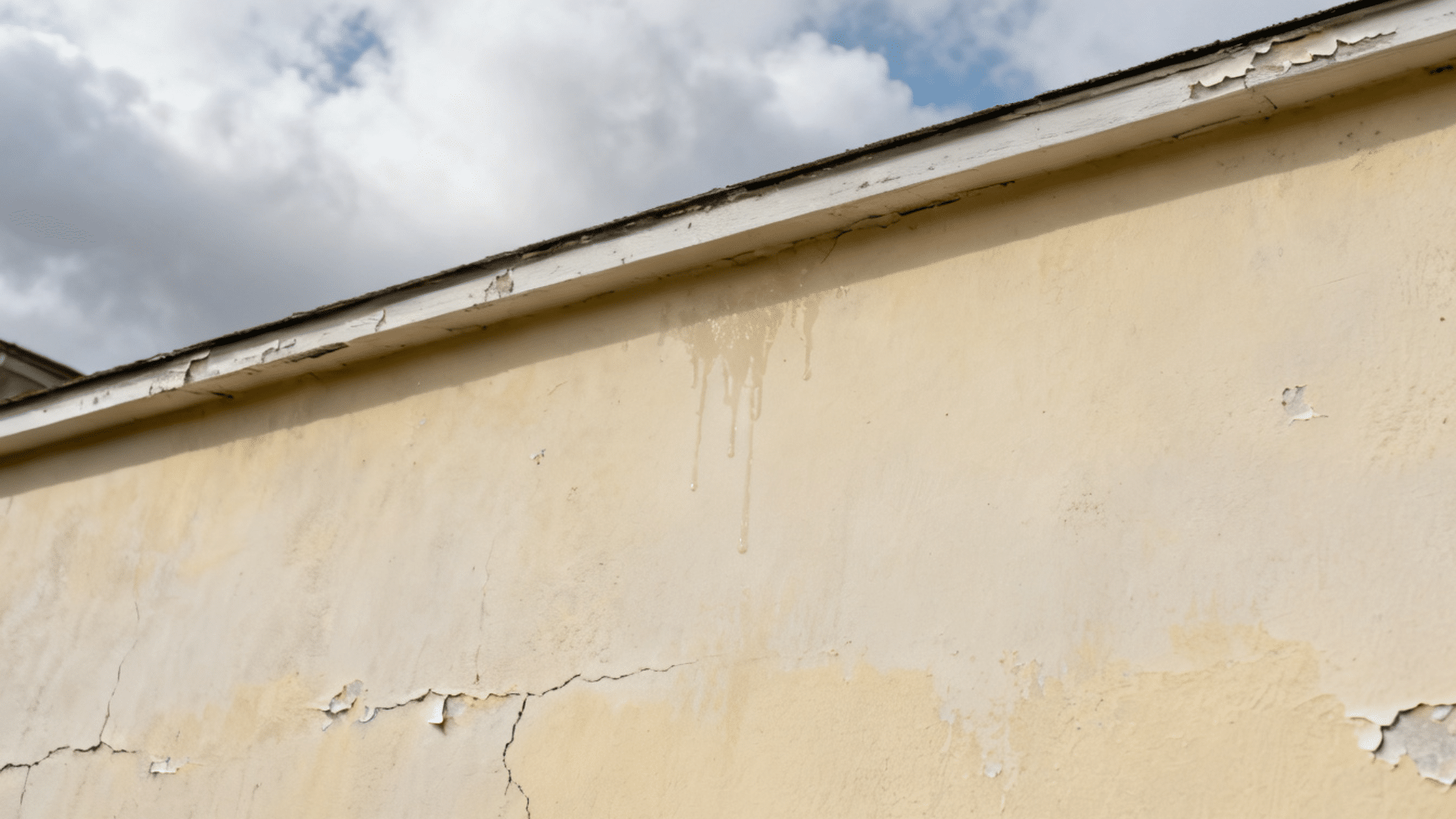
Weather plays a major role in how exterior paint performs, affecting its durability, color, and lifespan.
Exterior paint is constantly exposed to sunlight, rain, wind, and temperature changes. Strong sunlight can cause paint to fade and lose its original color over time.
Rain and moisture may lead to peeling, bubbling, or mold growth if the paint is not properly applied.
Temperature changes also impact paint. Heat can cause surfaces to expand, while cold can make them contract.
This movement can lead to cracks if the paint is not flexible enough. Wind and dust can wear down the surface and reduce its smooth finish.
Because of these factors, choosing high-quality exterior paint that suits the local climate helps maintain a fresh look and protects surfaces for longer.
Final Thoughts
Choosing the right paint may seem like a small step, but it can make a big difference in how your space looks and lasts.
I learned this the hard way after using the wrong paint for a project and seeing it wear out too soon. Once the right type was used, the results were much better and lasted longer.
By now, the difference between interior and exterior paint should feel clear and easy to understand. Each one has a purpose, and using them correctly helps avoid extra work later.
If a painting project is coming up, taking a little time to choose the right paint can save effort and cost in the long run.
Have you ever used the wrong paint or found a tip that worked well? Share your experience in the comments below!
Frequently Asked Questions
Can Interior Paint Be Used for Exterior Surfaces?
Interior paint is not designed for outdoor conditions and may fail quickly.
What Happens if Interior Paint Is Used Outside?
The paint may peel, crack, or fade due to weather exposure.
How Long Does Exterior Paint Last?
It typically lasts a short time before damage appears.
Can Old Exterior Paint Be Painted Over?
Yes, but proper cleaning and surface preparation are required.
When Does Exterior Paint Become Waterproof?
Exterior paint becomes water-resistant after it has fully dried and cured.