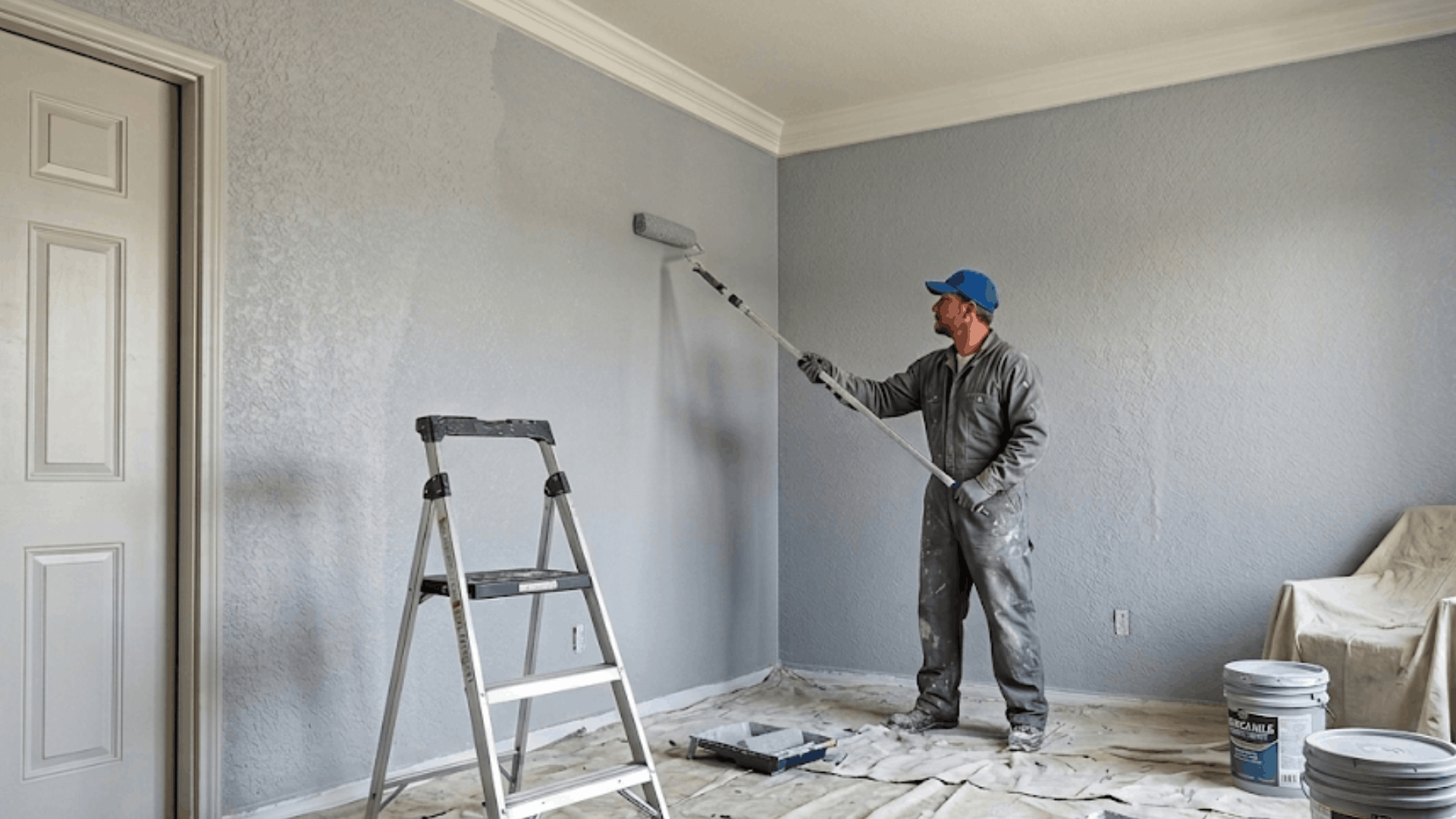
I’ve always been curious about what really goes into a can of paint and how it ends up looking smooth on a wall.
If you’ve wondered the same, this guide explains what paint is made of in a simple way. Paint may seem basic, but there’s more to it than just color.
I’ll share the key parts that make paint work and how they come together during the process. You’ll also get a clear idea of how paint is made and why it sticks so well to surfaces.
I’ll keep the language simple, so it’s easy to follow. This way, you can feel more confident the next time you choose or use paint.
By the end, you’ll have a clear idea of what paint really is and how it works.
What is Paint?
Paint is a liquid mixture that dries into a solid layer to protect and decorate surfaces.
It is used on walls, wood, metal, and many other materials to add color and create a smooth finish. Paint does more than just improve how something looks.
It also helps protect surfaces from damage like moisture, rust, and wear over time.
Most paints are made by mixing a few key parts that work together. The elements used in paint help it spread easily, stick well, and dry properly
These parts help the paint spread easily, stick well, and dry properly. Once applied, the liquid slowly dries and forms a thin, even coating.
Paint comes in different types, such as water-based and oil-based, depending on how it is made and used.
Each type is designed for specific surfaces and needs, making paint a useful and common product in homes and buildings.
Types of Paint Finishes: Sheen Levels
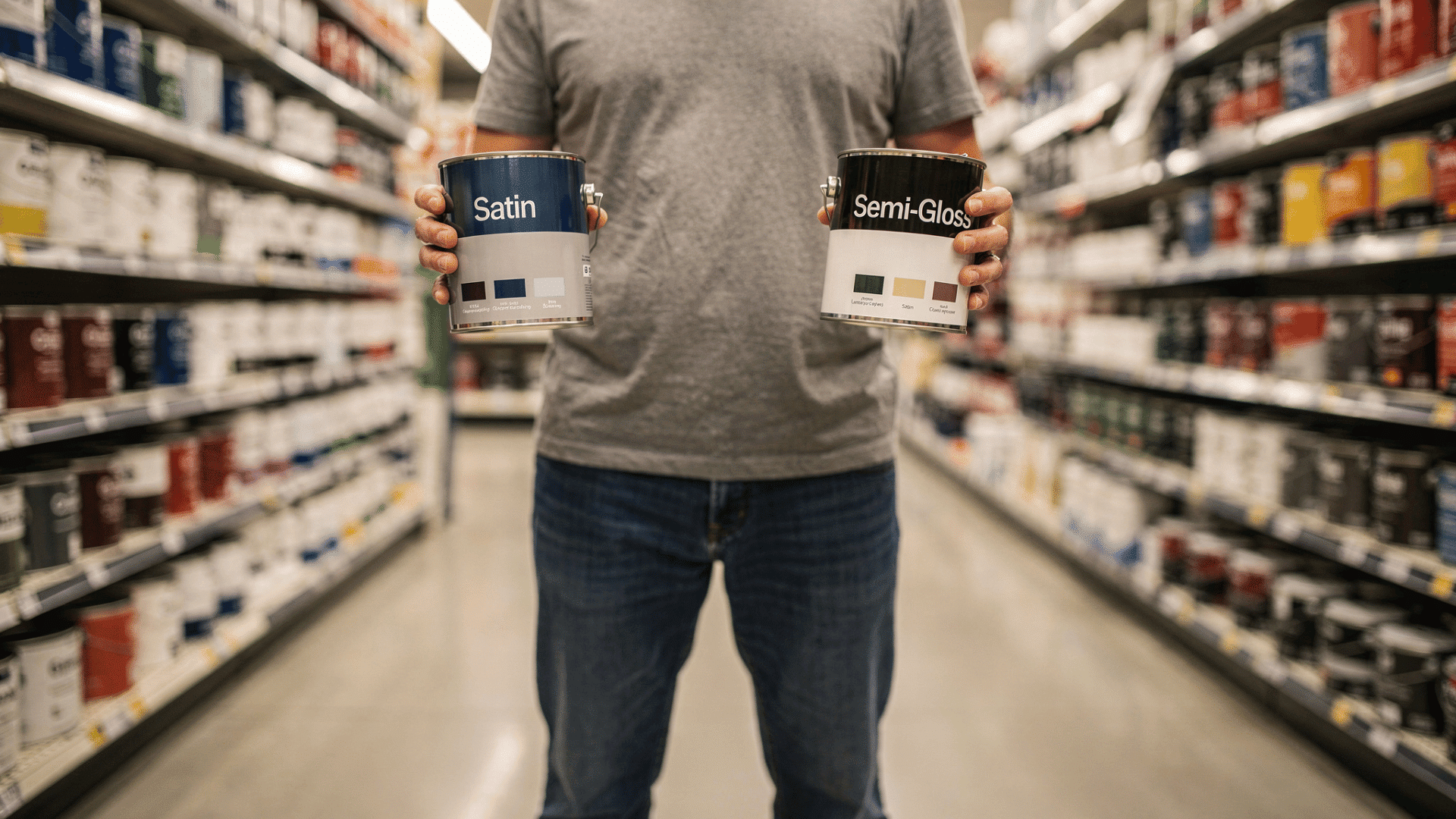
The finish, also called the sheen level, is one of the most misunderstood aspects of paint selection. It affects how light bounces off the wall and how easy the surface is to clean. Most paint brands offer five standard finishes:
| Finish | Sheen Level | Best For | Cleanability |
|---|---|---|---|
| Flat / Matte | No sheen | Ceilings, low-traffic walls | Low; marks show easily |
| Eggshell | Very low | Living rooms, bedrooms | Moderate |
| Satin | Medium | Hallways, kids’ rooms | Good |
| Semi-Gloss | High | Kitchens, bathrooms, trim | Very good |
| Gloss | Very high | Doors, cabinets, furniture | Excellent |
A common mistake I’ve seen (and made early on) is using flat paint in hallways because it looks elegant in the store. Within six months, every scuff and handprint becomes visible.
For any surface that people touch regularly, satin is the practical minimum.
What is Paint Made Of?
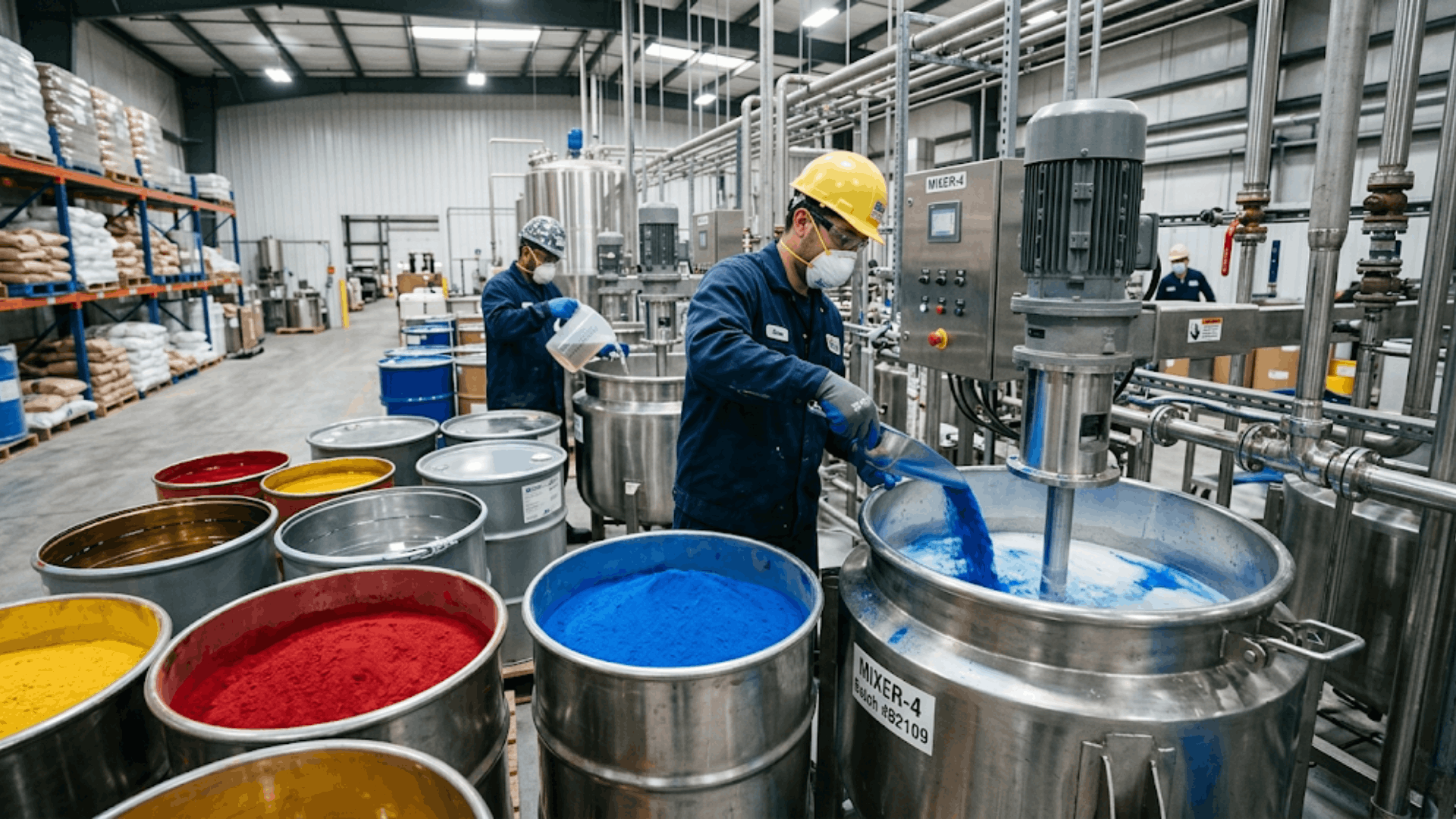
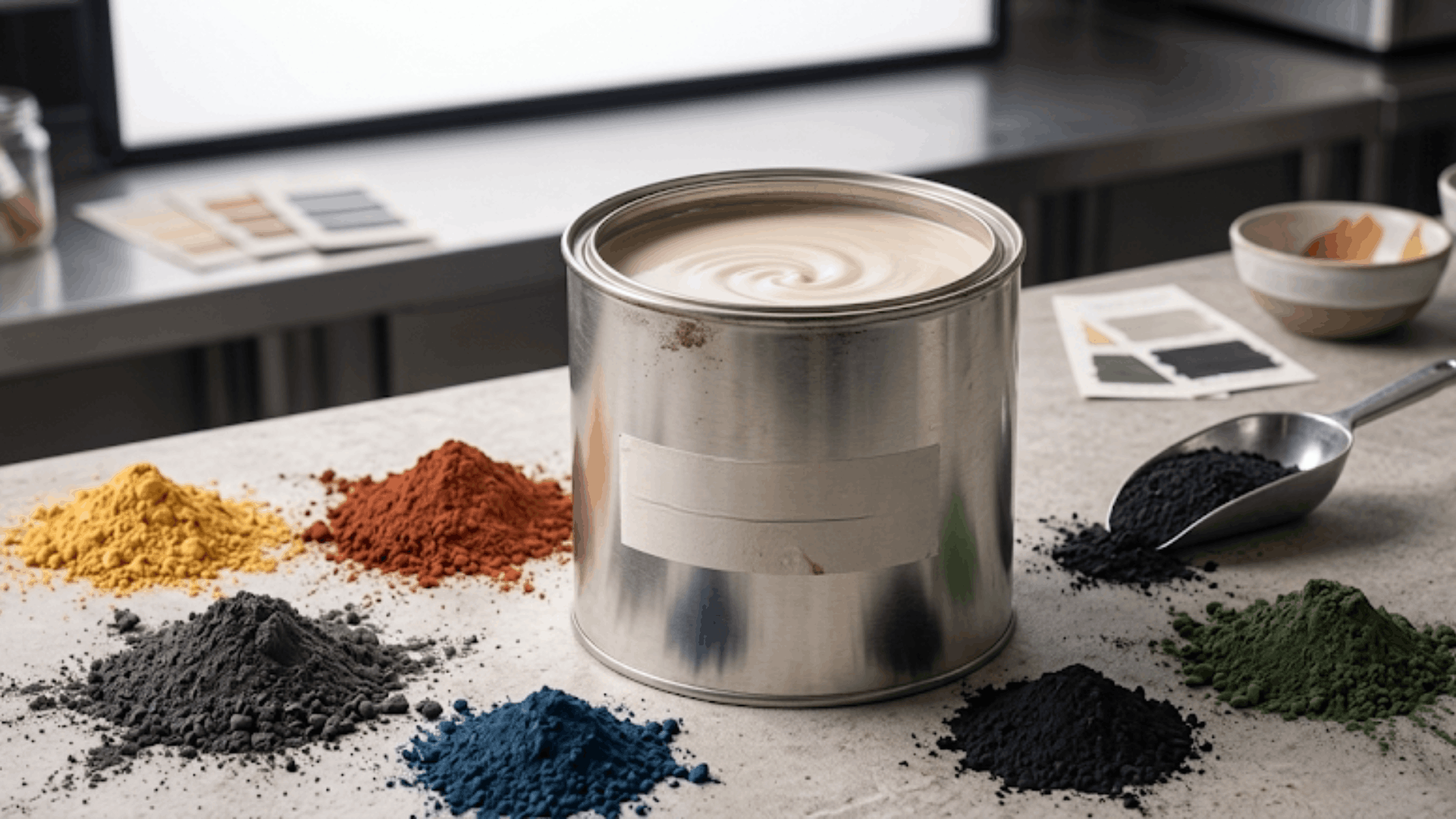
Paint is made from a mix of key ingredients that work together to give it color, texture, and durability. Each part has a specific role in how the paint looks, spreads, and sticks to surfaces.
- Pigments: These provide color and help cover the surface beneath. They also affect how bright or dull the paint looks once it dries.
- Binders: Binders hold the pigment particles together and help the paint stick to surfaces. They also form a solid layer as the paint dries.
- Solvents: Solvents keep the paint in liquid form so it can be applied easily. They slowly evaporate after application, leaving the paint to dry.
- Additives: Used in small amounts to improve performance. They can control drying time, prevent mold, or improve texture.
Types of Paint Based on Composition
Paint types based on composition depend on the materials used in their formula and how they behave during application. Each type is designed for specific surfaces, finishes, and performance needs.
| Paint Type | Main Composition | Key Features | Common Use |
|---|---|---|---|
| Water-Based Paint | Water + acrylic/latex binders | Fast drying, low odor | Walls, ceilings, interiors |
| Oil-Based Paint | Oil + solvent-based binders | Durable, smooth finish | Wood, metal, trim |
| Enamel Paint | Oil or water with resins | Hard, glossy surface | Doors, cabinets, furniture |
| Emulsion Paint | Water + polymer emulsions | Washable, easy to apply | Interior walls |
| Distemper Paint | Chalk, lime, water | Low cost, matte finish | Temporary wall coatings |
| Epoxy Paint | Resin + hardener | Strong, chemical-resistant | Floors, industrial surfaces |
What are VOCs in Paint?
VOCs in paint are volatile organic compounds, chemicals that readily evaporate at room temperature.
These compounds are released into the air as paint dries, and they can affect indoor air quality.
Many traditional paints contain higher levels of VOCs, which can cause strong odors and may lead to discomfort, such as headaches or irritation, in some people.
According to the U.S. Environmental Protection Agency, VOC concentrations indoors are consistently higher than outdoors, often two to five times higher, and paint is one of the major contributors.
In poorly ventilated spaces, freshly painted rooms can have VOC levels that temporarily exceed safe thresholds, particularly in the first 24–72 hours after application.
Low-VOC or zero-VOC paints are now widely available and are a better choice for indoor use. They help reduce harmful emissions and create a safer environment, especially in homes with children or pets.
Understanding VOCs is important because it helps you choose paint that is not only effective but also safer for health and the environment
What Does the Paint Manufacturing Process Look Like?
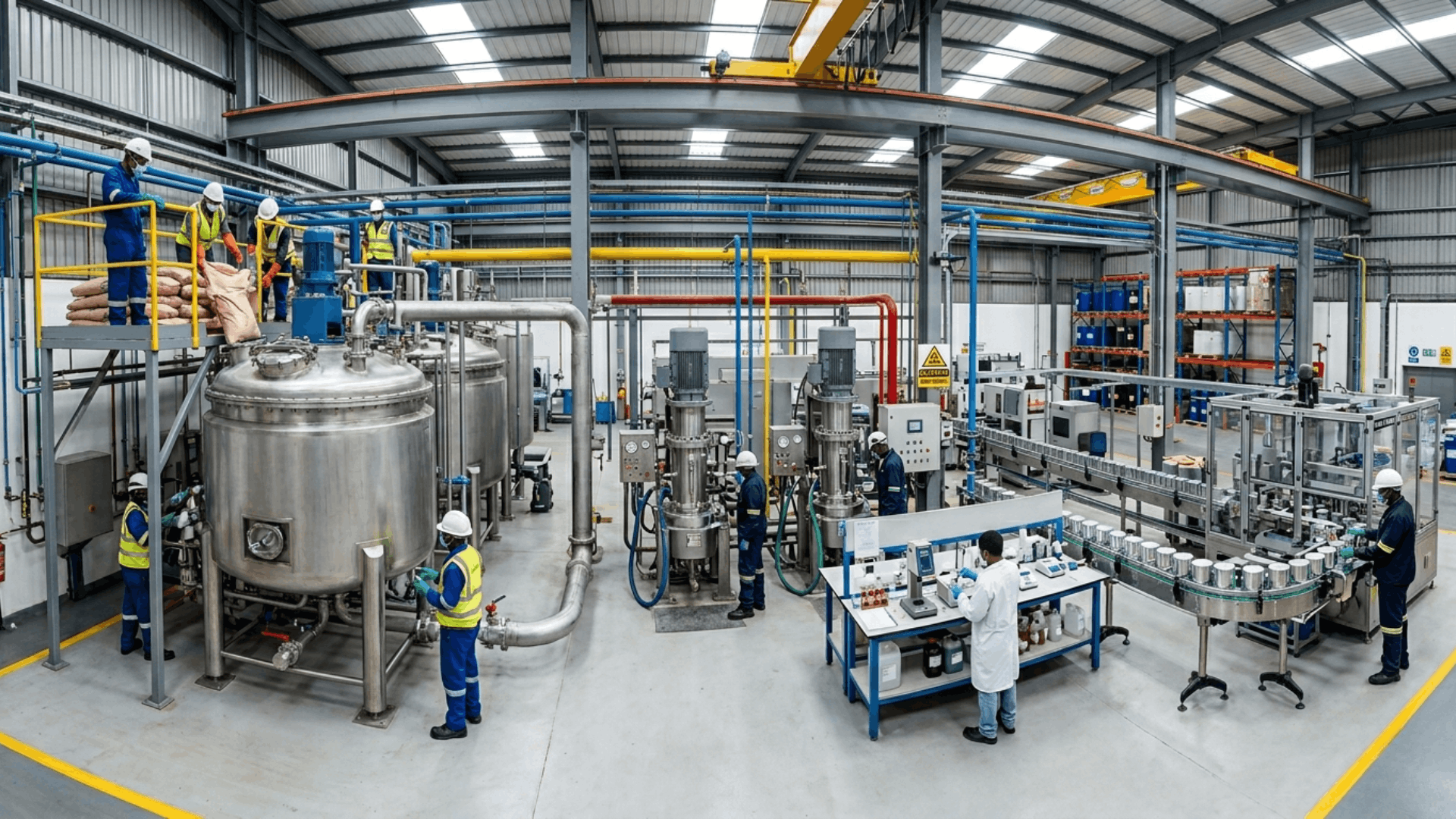
Paint manufacturing follows a structured process where raw materials are combined, refined, and tested to create a smooth, usable product. Each step plays a key role in ensuring quality, consistency, and performance.
1. Raw Material Selection
The process begins with selecting the right raw materials, including pigments for color, binders for adhesion, solvents for flow, and additives for special properties.
Each ingredient is chosen based on the type of paint being produced. Careful selection ensures the final paint has the desired finish, durability, and coverage.
Raw material quality is the single biggest variable in paint quality.
I once watched a batch of wall paint get rejected at the testing stage because a pigment shipment had inconsistent particle sizing; the resulting product had visible color variation even within a single can.
That level of quality control is why reputable paint brands cost more.
2. Pre-Mixing of Ingredients
Once the materials are ready, they are combined in large mixing tanks. This creates a thick paste in which pigments and other components begin to blend.
The goal here is to distribute the ingredients evenly before further processing. Proper mixing at this stage helps prevent clumps and uneven color later.
It also prepares the mixture for the next step, where the texture will be refined.
3. Grinding and Dispersion
The mixed paste is passed through grinding machines to break down solid particles into very fine sizes. This step improves the smoothness and ensures the pigment spreads evenly throughout the paint.
Good dispersion is key to achieving consistent color and finish. If particles are not ground properly, the paint may appear rough or uneven.
This stage directly impacts the overall quality and visual appearance of the final product.
4. Adjusting Consistency and Formula
After grinding, additional liquids such as solvents or water are added to adjust the paint’s thickness. This step ensures the paint spreads easily and dries properly on surfaces.
Manufacturers also fine-tune the formula to match the required performance, such as drying time or finish type.
Proper adjustment helps create paint that is easy to apply while maintaining strength and durability after drying.
5. Quality Testing and Evaluation
Before moving forward, the paint is tested for color accuracy, texture, viscosity, and performance. Samples are checked to ensure they meet the required standards.
This step helps catch any issues early and ensures consistency across batches. Testing also confirms that the paint will perform well in real use.
Only after passing these checks does the paint move to the final stages of production.
6. Filtering and Final Preparation
The paint is filtered to remove any remaining impurities or unwanted particles. This ensures a clean, smooth finish when applied.
Filtering also improves the overall appearance and usability of the product. At this stage, the paint is nearly ready for use, and final adjustments may be made if needed.
This step helps deliver a refined product that meets quality expectations.
7. Filling and Packaging
In the final step, the finished paint is filled into containers such as cans or buckets. The containers are sealed to protect the paint from air and contamination.
Labels include important product information. Proper packaging ensures the paint stays fresh and safe during storage and transport.
Once packed, the paint is ready for distribution and use in various applications
How to Choose the Right Paint for Walls?
Choosing the right paint for walls depends on the room, surface, and how much wear it will face. A good choice improves both the look and durability of your walls.
- Room Type: Use moisture-resistant paint for kitchens and bathrooms, and standard paint for bedrooms and living areas. This helps prevent damage like peeling and mold over time.
- Paint Finish: Matte gives a soft look, while satin or semi-gloss is easier to clean and more durable. The finish you choose also affects how light reflects on the wall.
- Color Selection: Pick colors based on lighting and room size to create the right feel. Mixing colors online can help you visualize different shades before committing to one
- Paint Type: Water-based paint is easier to apply and dries faster than oil-based options. It is also more suitable for indoor use due to lower odor.
- Durability: Choose paints with good coverage and long-lasting performance to avoid frequent repainting. High-quality paint can save time and cost in the long run.
Common Paint Problems and How to Fix Them
Paint problems can ruin the finish and make walls look uneven over time. Knowing the cause and fix helps you get better, longer-lasting results.
| Paint Problem | Why It Happens | How to Fix It |
|---|---|---|
| Peeling | Poor surface prep or moisture on the wall | Clean the surface, let it dry fully, then apply primer before repainting |
| Cracking | Paint is applied too thickly, or old layers are below | Sand the surface smooth and apply thin, even coats |
| Blistering | Heat or trapped moisture under paint | Scrape off bubbles, fix the moisture issue, and repaint |
| Streaks | Uneven application or low-quality tools | Use good rollers or brushes and apply paint in consistent strokes |
| Fading | Too much sunlight exposure | Choose paint with UV resistance for better color retention |
| Mold or Mildew | Damp or poorly ventilated areas | Clean with an anti-mold solution and use mildew-resistant paint |
How Long does Paint Last on Walls?
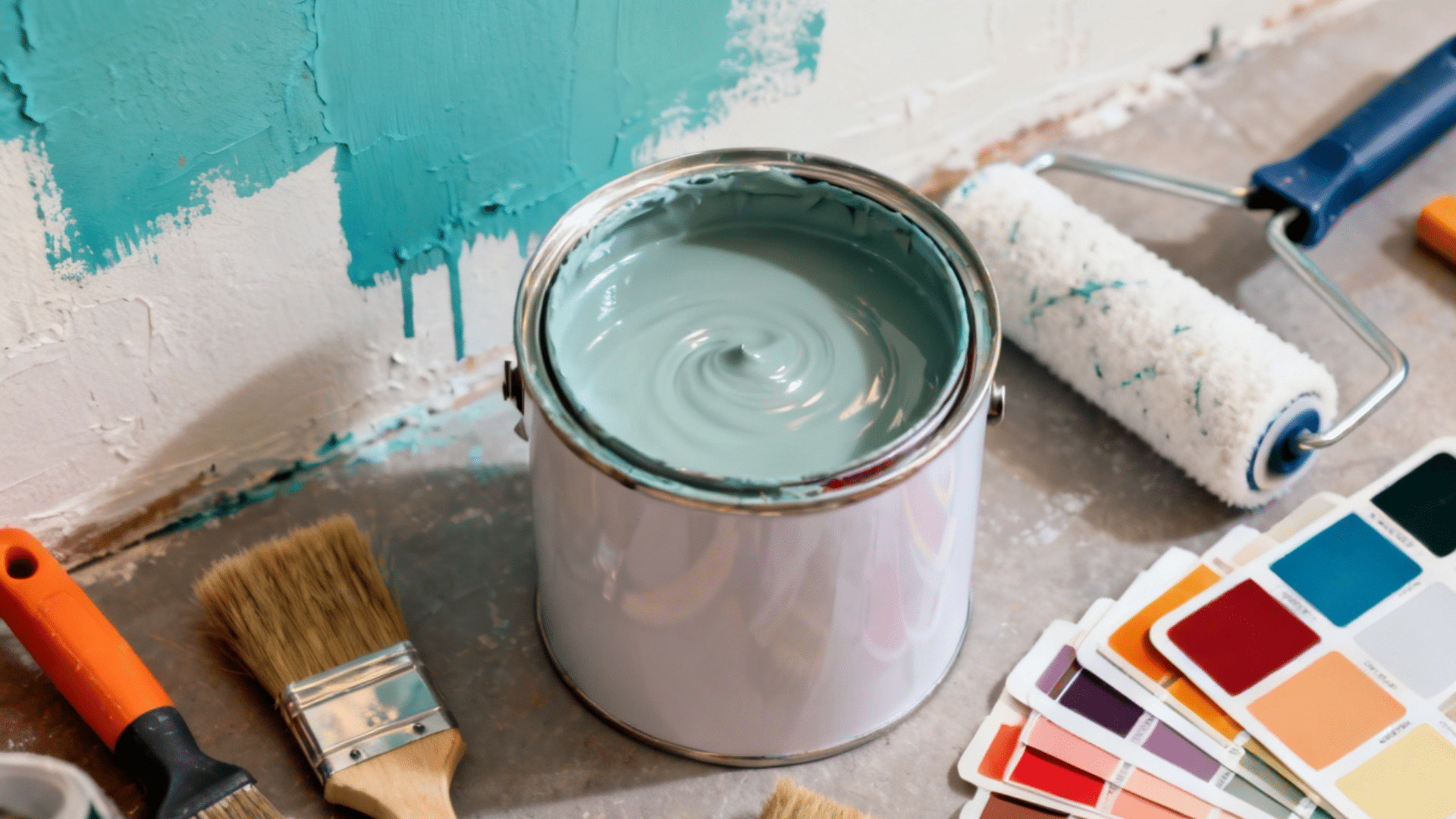
Paint on walls typically lasts between 5 and 10 years, depending on conditions.
The actual lifespan depends on the type of paint, the room, and the amount of wear the walls experience.
Areas like hallways, kitchens, and bathrooms may need repainting sooner due to moisture, stains, and frequent use. Bedrooms and low-traffic spaces usually last longer.
Surface preparation and paint quality also matter a lot. Proper priming and the use of good-quality paint can extend durability.
Factors like sunlight exposure, humidity, and cleaning habits can affect how long the paint stays fresh. Regular maintenance, such as gentle cleaning and fixing small marks early, helps keep walls looking good for longer.
One thing that consistently extends paint life in my experience: priming bare or heavily patched surfaces before painting.
Skipping primer is the most common shortcut that leads to early failure. The paint doesn’t have a uniform surface to bond to, and you’ll see uneven sheen and premature peeling within a year or two.
At the End
Understanding paint becomes much more useful once you know how it actually works behind the scenes.
When I started learning about the ingredients and process, I realized why some paints last longer and look better than others. It helped me make smarter choices instead of just picking a color.
You can apply this knowledge to improve the results of your next painting project.
From choosing the right type to avoiding common issues, small decisions can make a big difference in the final finish.
If you’ve ever painted a room or faced any challenges with paint, your experience can help others, too. Share your thoughts, tips, or lessons in the comments below and join the conversation.
Frequently Asked Questions
What is the Best Paint for Asthma?
Low-VOC or zero-VOC paints are considered better for people with asthma due to reduced chemical emissions.
Is Paint Basically Plastic?
Some modern paints contain acrylic or polymer binders, which are forms of plastic.
Is Paint Toxic to the Human Body?
Certain paints can release harmful chemicals, especially those with high VOC content.
What’s the Least Toxic Paint?
Zero-VOC or natural paints are the least toxic options available.
Is Paint Raw or Processed?
Paint is a processed product made by combining and refining multiple raw materials.