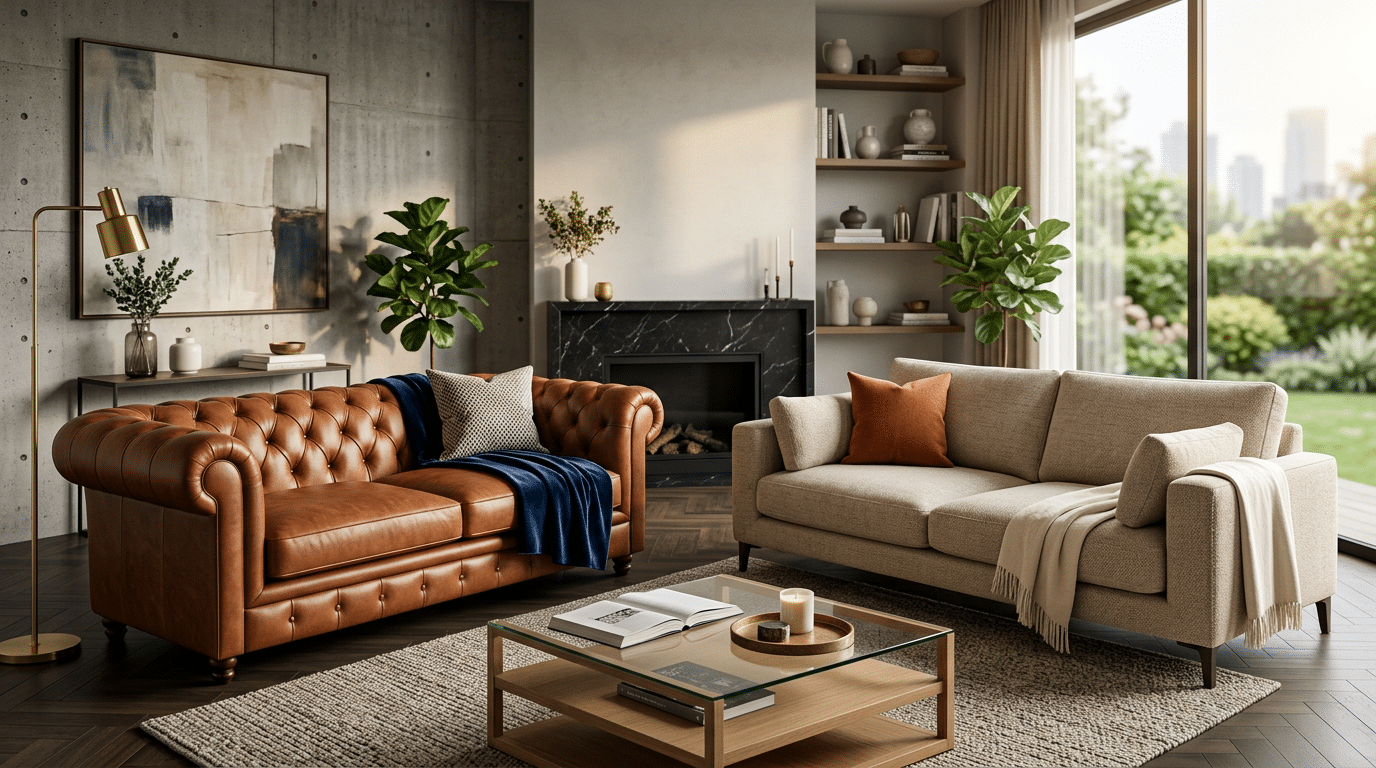
I often see people get confused when shopping for modern furniture, especially when terms like what is modular furniture come up.
Not sure what it actually means or how it works? Let’s break it down in a simple way.
Many options look similar at first, which can make the choice harder. I’ve been there too, trying to figure out what actually makes one type different from another.
In this blog, I’ll share it simply so you can understand it without any stress. You’ll learn what modular furniture is, its main features, and how it fits into everyday homes.
I’ll also explain how it can make your space more flexible and easy to manage.
By the end, you’ll have a clear idea of whether this style of furniture is a good choice for you.
What is Modular Furniture?
Modular furniture is made from separate units that can be arranged and rearranged to fit different spaces and needs.
It is built with a modern approach to suit changing lifestyles and room layouts. Instead of being fixed in one form, it allows different combinations based on how a space is used.
Each unit is standardized in dimension so that the pieces connect effortlessly.
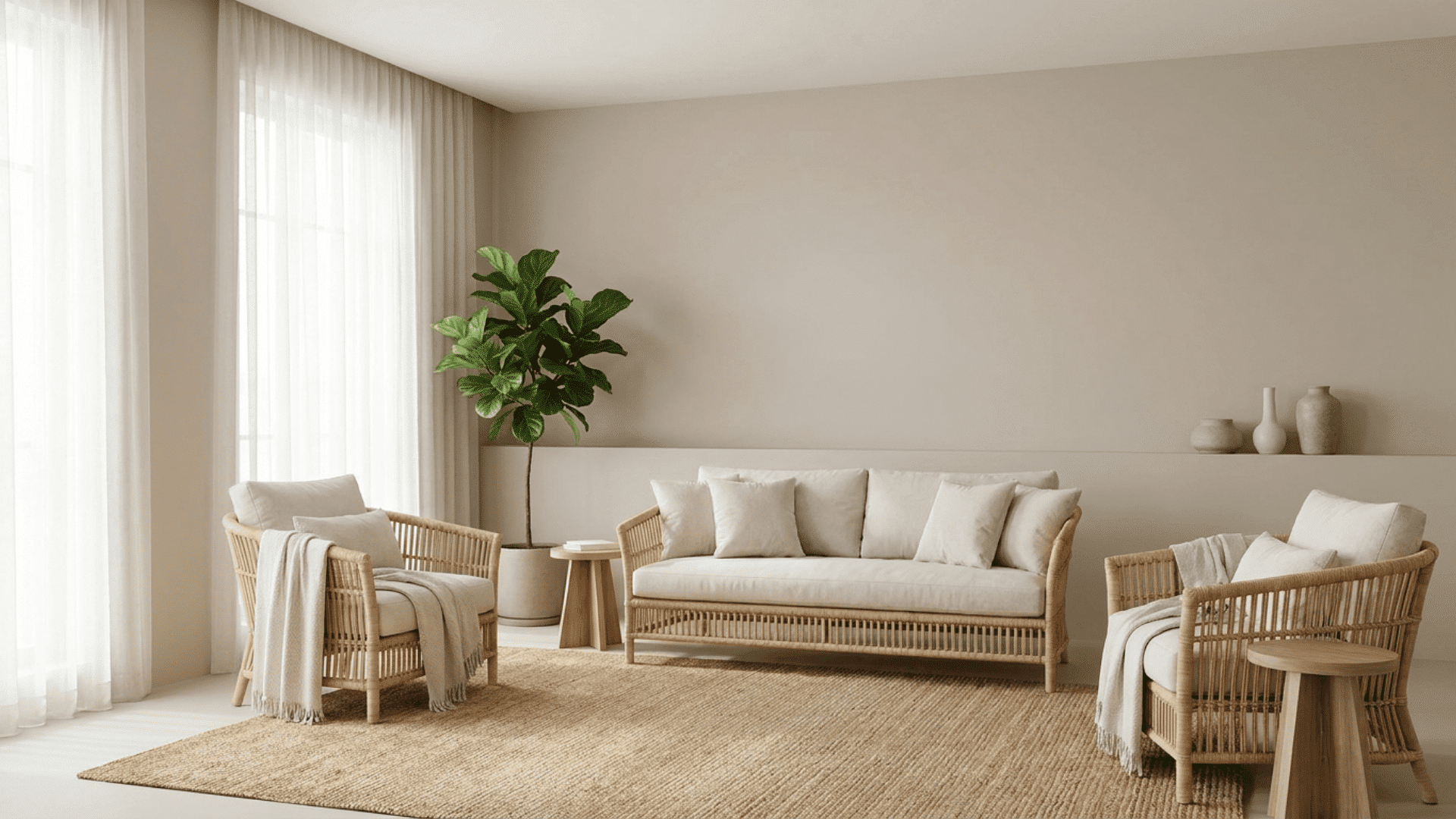
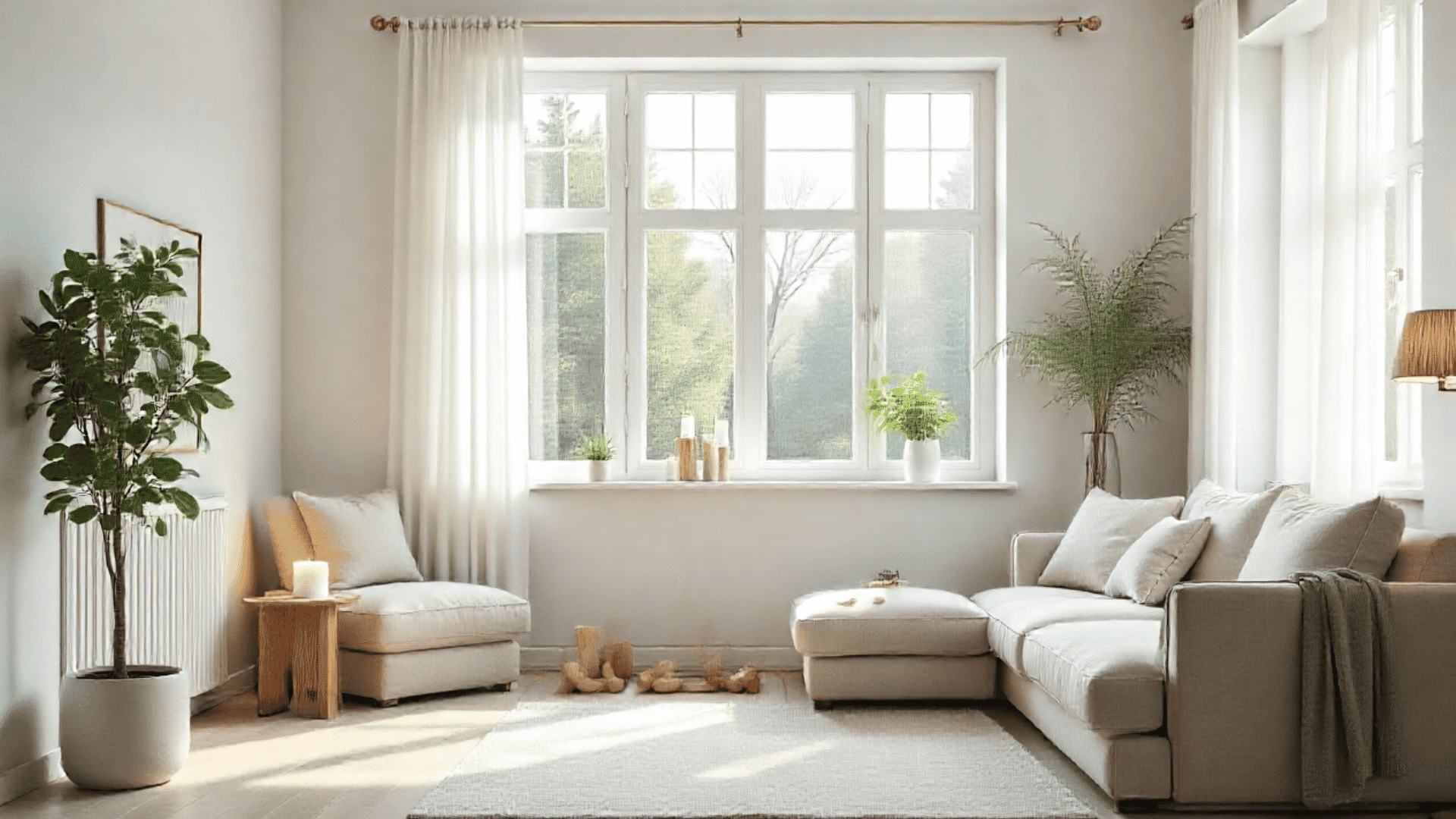
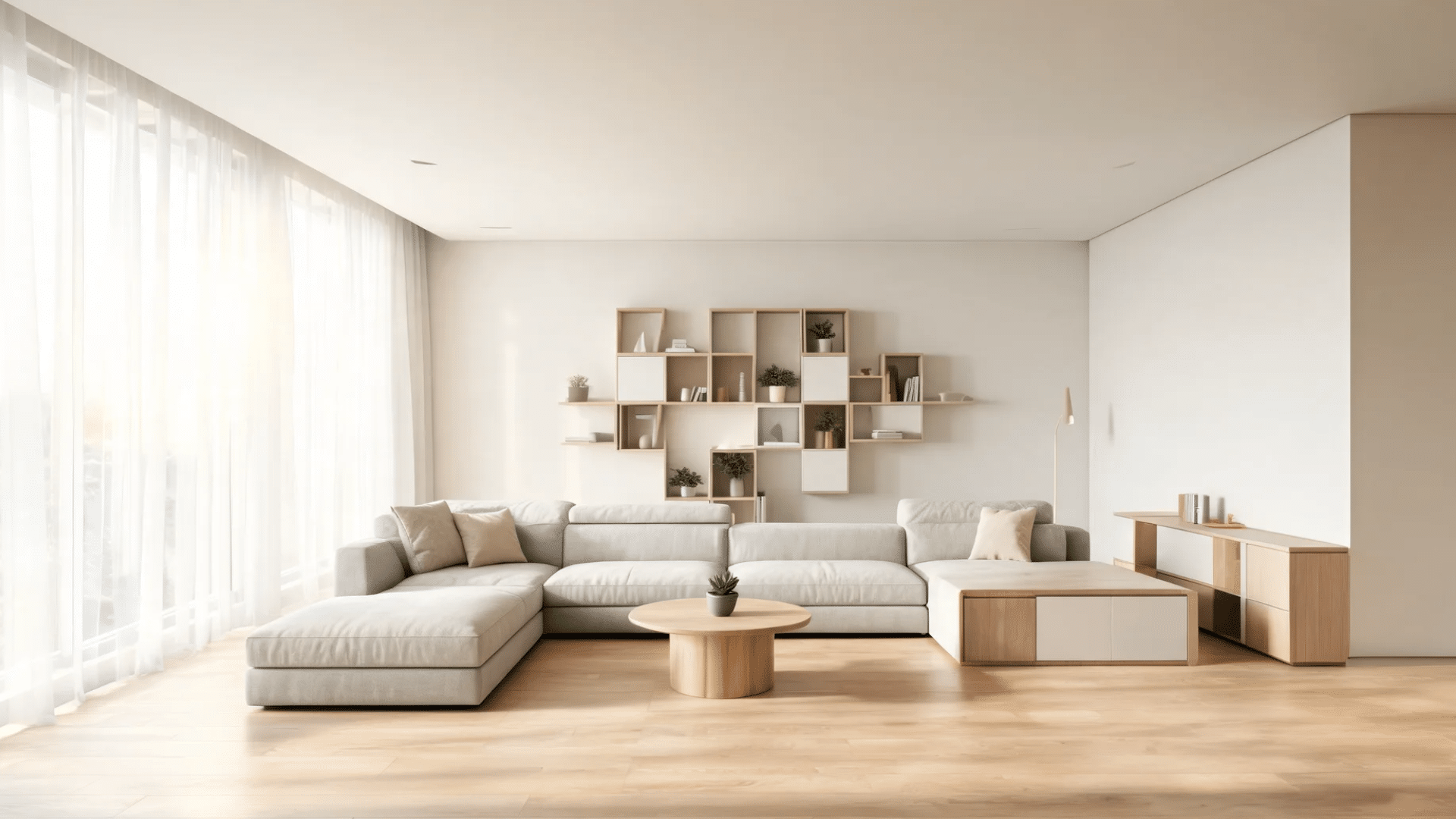
A modular sofa, for example, is made of individual seat sections, armrests, and corner units that can be added or removed to make the seating arrangement as large or small as you need.
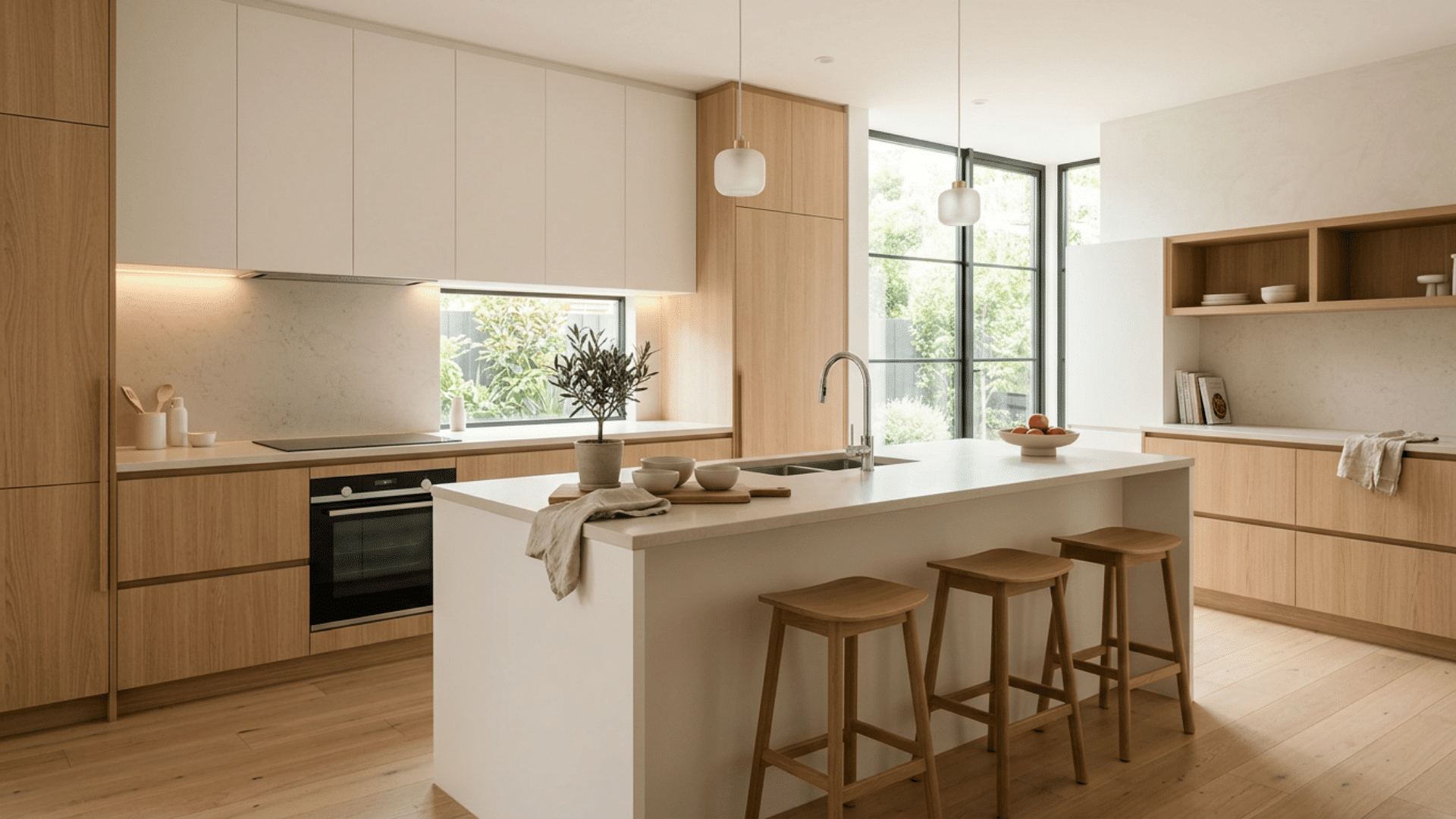
The same logic applies to modular wardrobes, kitchen cabinets, and office shelving systems.
According to a Grand View Research report, the global modular kitchen market alone was valued at over USD 25 billion in 2023 and is projected to grow steadily, which reflects how mainstream this approach to furniture has become across households worldwide.
This makes it a popular choice in homes where design and function both matter.
Modular furniture is commonly used in living rooms, bedrooms, and kitchens. It helps create a clean and organized look without taking up unnecessary space.
Key Features of Modular Furniture You Should Know
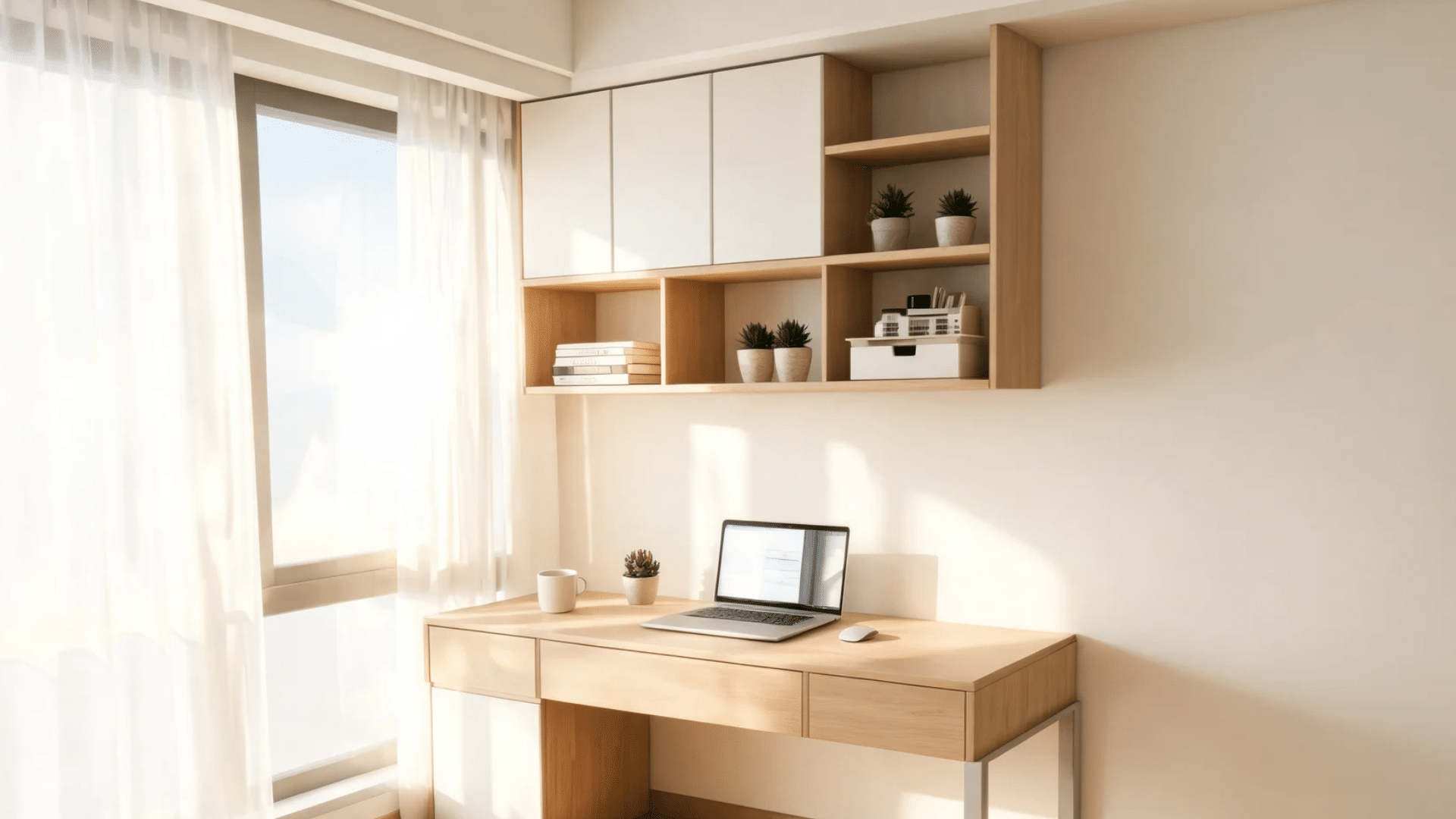
Modular furniture stands out because of its smart design and practical use. These features make it a popular choice for modern homes.
- Flexible Design: Allows different arrangements to match various room layouts without needing new furniture. This makes it easier to refresh a space without a full redesign.
- Customizable Setup: Let users add, remove, or adjust units as needed and space changes. It works well for growing families or for changing rooms.
- Space-Saving: Helps use available space more efficiently, especially in smaller rooms. It keeps the area open and less crowded.
- Easy Installation: Can be assembled quickly with minimal tools and a short setup time. This saves both time and effort during setup.
- Portable Units: Makes it easy to move, shift, and reassemble furniture when needed. It is helpful when relocating or rearranging rooms.
- Modern Look: Offers a clean, simple style that fits well in most home designs. It gives spaces a neat and updated appearance.
- Organized Storage: Provides smart storage solutions that keep items neat and easy to access. It helps maintain a tidy and clutter-free environment.
What Materials are Used in Modular Furniture?
One area where most buyers get underprepared is understanding the core materials. The material determines durability, cost, and how the furniture ages over time.
| Material | What It Is | Best For | Durability |
|---|---|---|---|
| Plywood | Layers of wood veneer are bonded together | Wardrobes, kitchen cabinets, beds | High, resists moisture and warping |
| MDF (Medium Density Fiberboard) | Wood fibers compressed with resin | TV units, shelves, study tables | Medium, smooth finish but sensitive to moisture |
| Particle Board | Wood chips and sawdust compressed with resin | Budget kitchen cabinets, low-use shelves | Lower, prone to swelling if exposed to water |
| Solid Wood | Natural timber cut into planks | Premium modular units, accent pieces | Very high, ages well with proper care |
From a practical standpoint, I always recommend plywood as the base material for kitchen and bathroom-adjacent modular units.
In one home I helped style, the owners initially chose particleboard cabinets to save on cost. Within two monsoon seasons, the base panels had begun to swell.
Replacing them costs more than the original plywood upgrade would have.
How Modular Furniture Works in Modern Homes?
Modular furniture uses separate units that fit together to create a complete setup based on the available space.
Each unit is designed to connect smoothly, making it easy to arrange them in different layouts without changing the entire setup.
In modern homes, this approach helps make better use of space while keeping things organized. Rooms can be arranged to suit daily needs, whether for storage, seating, or work.
The layout can also be adjusted over time as needs change, without having to start from scratch.
It is commonly used in living rooms, kitchens, and bedrooms, where space planning matters the most. This makes modular furniture a practical choice for homes that need both function and a clean, simple look.
Types of Modular Furniture for Every Space
Modular furniture comes in many types, each designed to fit a specific area of the home. These options help make every space more organized and functional.
| Type of Modular Furniture | Description | Best Used In |
|---|---|---|
| Modular Sofas | Made of separate seating units that can be arranged in different layouts for living rooms. | Living Room |
| Modular Kitchen | Includes cabinets and storage units designed to fit the kitchen space efficiently. | Kitchen |
| Modular Wardrobes | Built with sections for clothes, drawers, and shelves to suit bedroom needs. | Bedroom |
| Modular Office Furniture | Desks, storage, and workstations that can be adjusted for home or office use. | Home Office / Workspace |
| Modular TV Units | Designed to hold TVs and accessories while offering extra storage space. | Living Room |
| Modular Beds | Beds with built-in storage or parts that can be adjusted based on room size. | Bedroom |
How to Choose the Right Modular Furniture for Your Home?
Choosing the right modular furniture depends on your space, needs, and daily use. A smart choice can improve both comfort and organization at home.
- Measure Your Space Carefully – Always check room size and layout to ensure the furniture fits well without crowding. This helps avoid buying pieces that feel too large or too small.
- Understand Your Needs – Think about how the furniture will be used, whether for storage, seating, or work. It ensures the setup matches daily habits and lifestyle.
- Check Material Quality – Look for durable materials that can handle daily use and last longer. Good quality also reduces repair or replacement costs over time.
- Pick a Suitable Design – Choose a style that matches your home’s overall look and feel. This keeps the space looking balanced and well-put-together.
- Focus on Functionality – Go for options that offer practical use, not just appearance. It makes everyday tasks easier and more efficient.
- Set a Budget – Decide on a budget in advance to avoid overspending while still getting good value. This helps narrow down choices without confusion.
- Look for Easy Maintenance – Select furniture that is simple to clean and maintain over time. It keeps the furniture looking neat with less effort.
Is Modular Furniture Right for You?
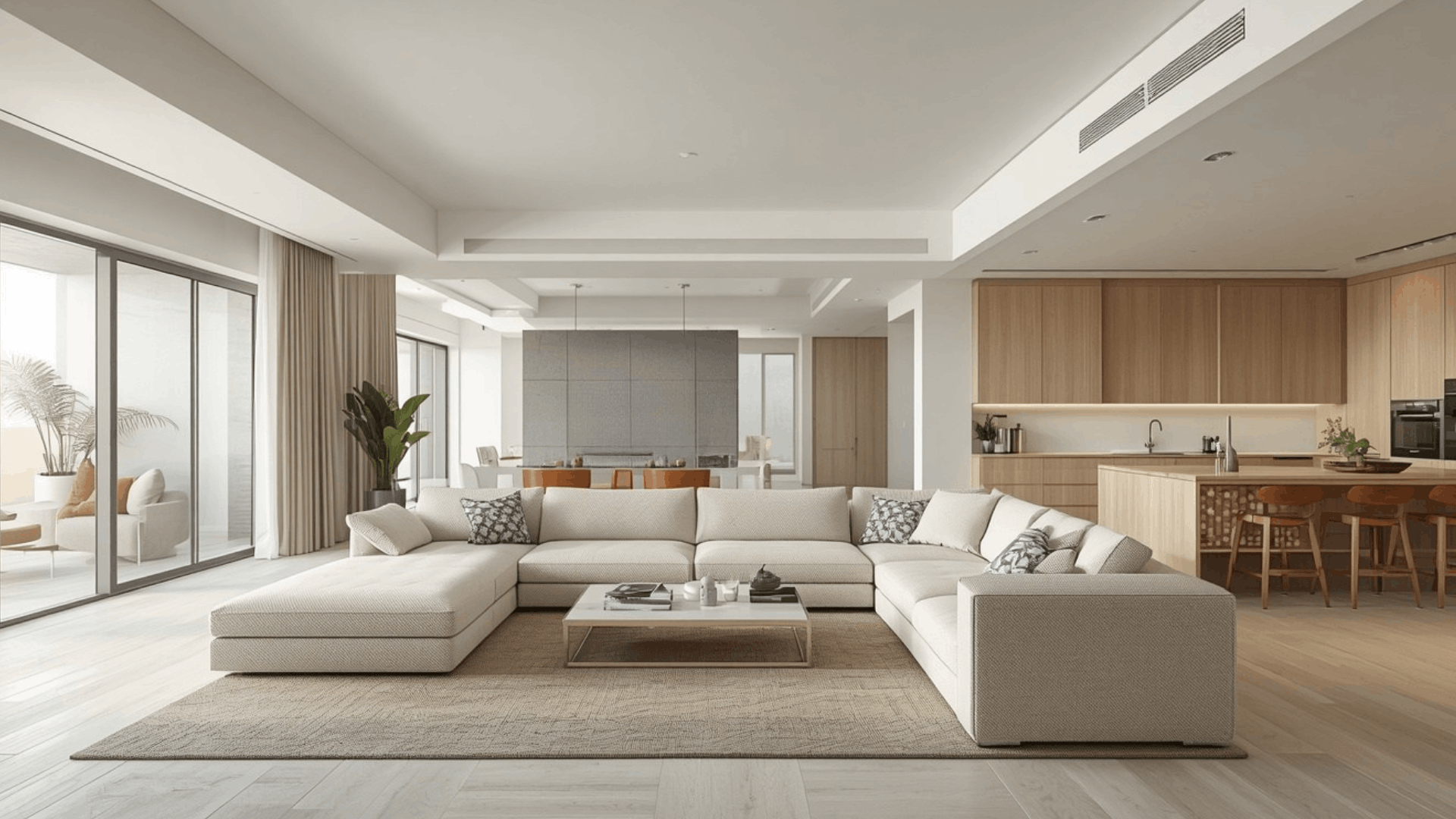
Modular furniture can be a good choice depending on space, lifestyle, and daily needs. I’ve noticed that it works especially well in homes where flexibility and easy arrangement are important.
If there is limited space or a need to frequently adjust layouts, this type of furniture can be very useful.
It is also suitable for people who prefer a clean and organized setup without heavy or fixed pieces. I’ve seen that homes needing frequent changes, like rearranging or moving, benefit the most from this option.
However, it may not suit everyone. Those who prefer solid, fixed furniture with a traditional look might not find it ideal.
Overall, modular furniture is a practical option for modern living, especially when convenience and efficient use of space matter.
Pros and Cons of Modular Furniture
Modular furniture offers many practical benefits, but it also has a few limitations to consider. Looking at both sides can help in making a better decision.
| Feature | Pros | Cons |
|---|---|---|
| Design | Flexible and easy to rearrange | May feel less solid than fixed pieces |
| Space Usage | Saves space and improves layout | Not ideal for very large traditional setups |
| Installation | Quick and simple setup | May need professional help in some cases |
| Portability | Easy to move and shift | Frequent moving can cause wear over time |
| Customization | Can be adjusted based on needs | Custom options can increase cost |
| Maintenance | Easy to clean and manage | Replacement parts may be hard to find |
| Style | Modern and clean appearance | Limited classic or traditional styles |
| Cost | Can be budget-friendly over time | Higher upfront cost in some cases |
Mistakes to Avoid When Buying Modular Furniture
Buying modular furniture can be simple, but small mistakes can lead to poor choices. Being aware of these helps make better, more practical decisions.
- Ignoring Room Measurements – Not properly checking the space can lead to furniture that doesn’t fit well. This can make the room feel crowded or unbalanced.
- Focusing Only on Looks – Choosing style over function may not meet daily needs. It’s important to balance design with usability.
- Overlooking Material Quality – Low-quality materials may not last long. This can lead to frequent repairs or replacements.
- Not Planning Layout in Advance – Buying without a clear setup plan can cause confusion later. A planned layout ensures better use of space.
- Skipping Budget Planning – Not setting a budget can lead to overspending. It helps to decide limits before making a purchase.
- Ignoring Future Needs – Choosing furniture only for current use may not work later. It’s better to think about long-term flexibility.
Modular Furniture vs Traditional Furniture
Modular furniture and traditional furniture differ mainly in design, flexibility, and use. Understanding these differences helps in choosing the right option for your home.
| Feature | Modular Furniture | Traditional Furniture |
|---|---|---|
| Design | Made of separate units that can be arranged in different ways | Fixed design that cannot be easily changed |
| Flexibility | Highly flexible and adjustable to different spaces | Limited flexibility once placed |
| Space Usage | Designed to save and optimize space | May take up more space due to a fixed size |
| Installation | Easy to assemble and disassemble | Usually heavy and difficult to move |
| Customization | Can be customized based on needs | Limited customization options |
| Maintenance | Easier to manage and modify | Harder to repair or replace parts |
| Cost | Often cost-effective due to scalable units | Can be expensive as full pieces are bought at once |
| Portability | Easy to move and reassemble in new spaces | Not easy to move due to weight and structure |
Final Thoughts
Modular furniture can make a big difference in how a home looks and feels. I have noticed that when furniture is planned well, the space feels more open, clean, and easy to use.
It is not just about saving space, but also about making daily life simpler and more comfortable.
Choosing the right setup takes a little thought, but it can improve how a room works over time. A good choice can help keep things organized and reduce clutter without much effort.
In the end, it depends on what best suits the space and daily needs.
If you have used modular furniture before, it would be great to hear how it worked for your space.
Did it make your home easier to manage, or did you face any problems over time? Share your experience in the comments below!
Frequently Asked Questions
How Long do Modular Sofas Last?
Modular sofas typically last around 7 to 15 years, depending on material quality and usage.
What is the Lifespan of a Modular Kitchen?
A modular kitchen usually lasts 10 to 20 years with proper care and maintenance.
Are Modular Sofas More Expensive?
Modular sofas can be more expensive upfront, but offer better long-term value due to flexibility.
Can You Sleep on a Modular Sofa?
Modular sofas can be used for sleeping if they are spacious and designed for comfort.
What Is the Minimum Budget for a Modular Kitchen?
The minimum budget for a modular kitchen can start from a basic range and increase based on design and materials.