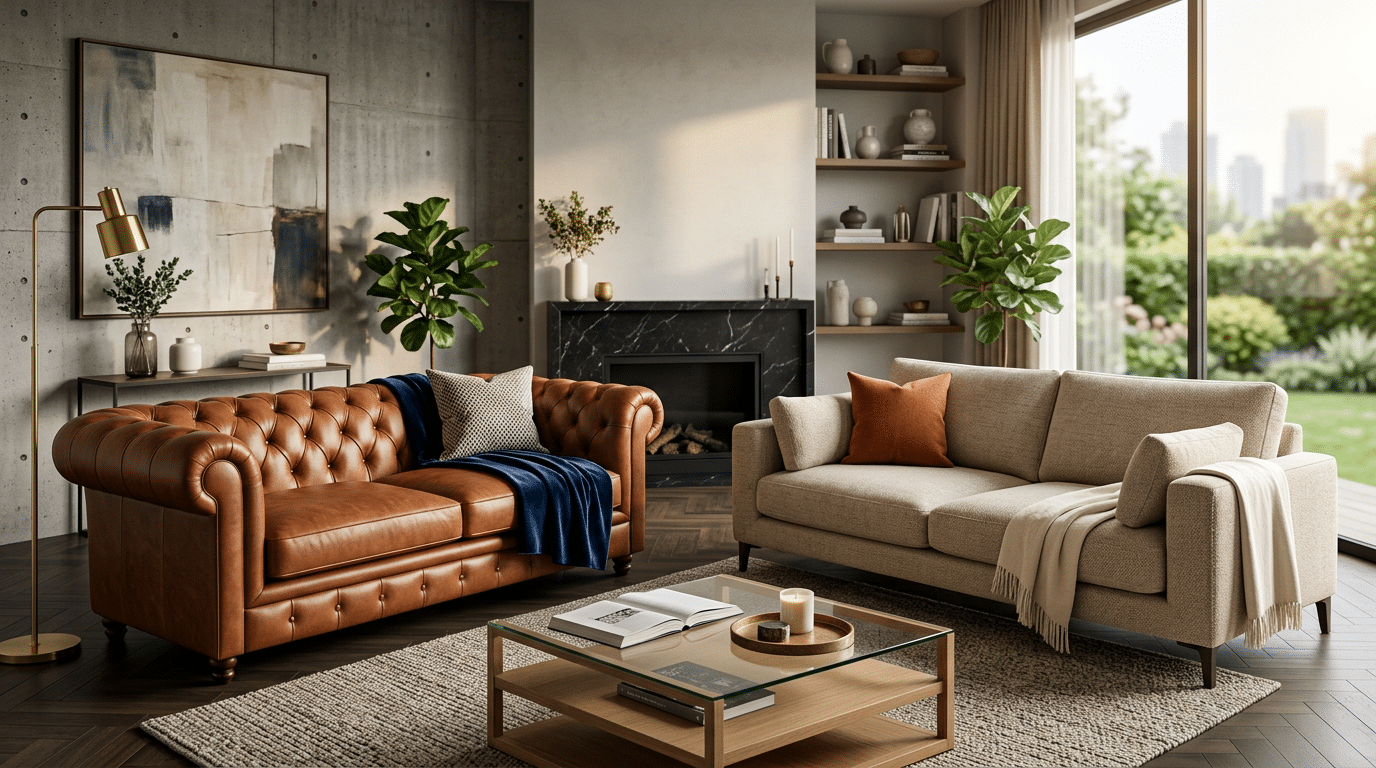
A living room should feel easy to use, not confusing or crowded. Small changes in layout can make a big difference in comfort and space.
In this blog, you will see how to arrange living room furniture so the room feels open and works better for daily use. Learn how to choose a layout that fits the room size and purpose.
Simple ways to place key furniture help the space feel organized and easy to use.
Clear, practical steps help avoid common layout mistakes and improve space use with a setup that works well for everyday living.
This makes it easier to create a living room that feels balanced, comfortable, and ready for both relaxing and spending time with others.
How to Divide Space in a Large Living Room
I’ve worked with large living rooms that felt too open and hard to use. When everything sits in one big area, it can feel empty or unorganized.
The best way to fix this is by breaking the space into smaller zones based on how the room is used.
Start by creating separate seating areas rather than pushing all the furniture against the walls.
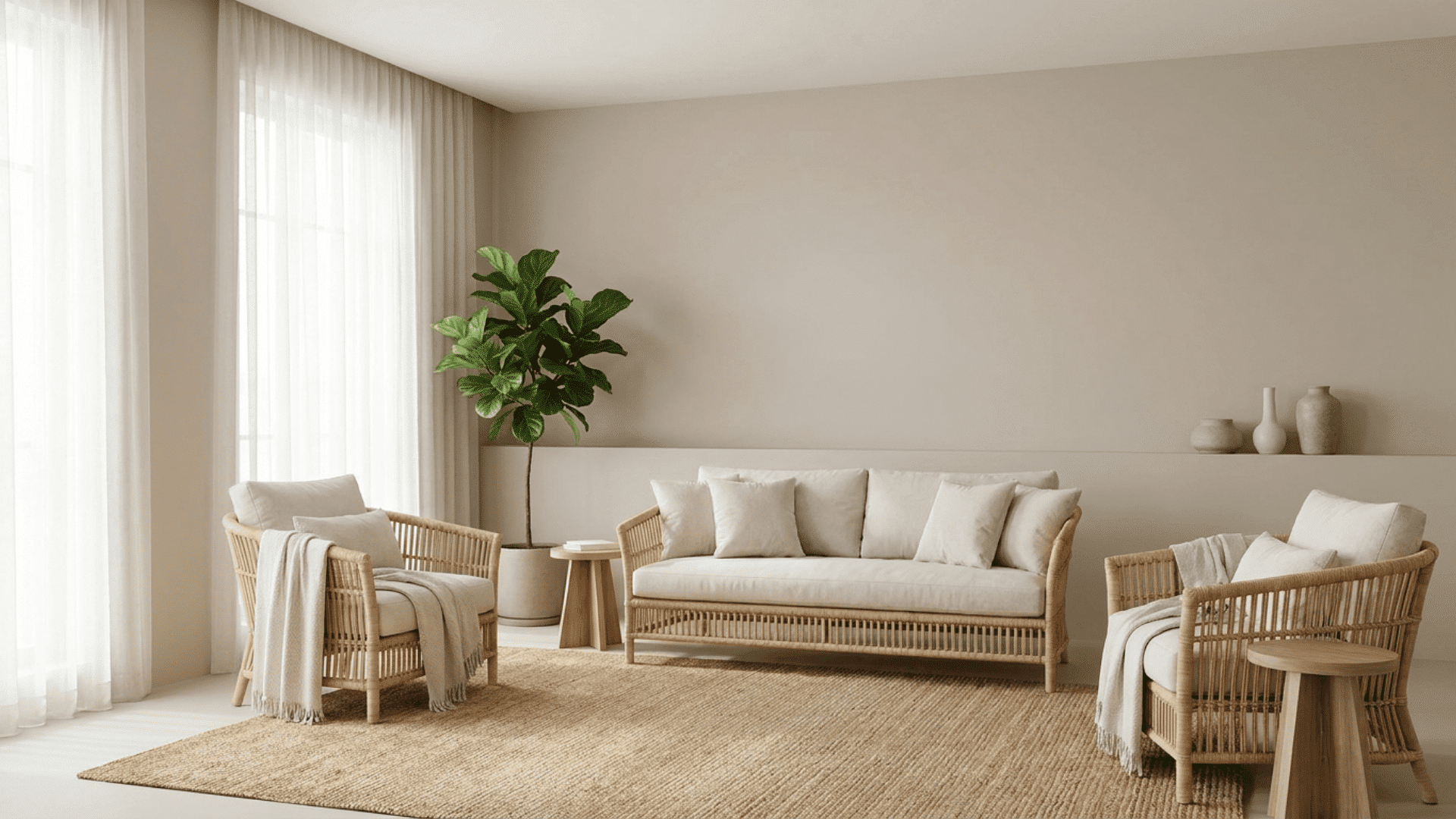
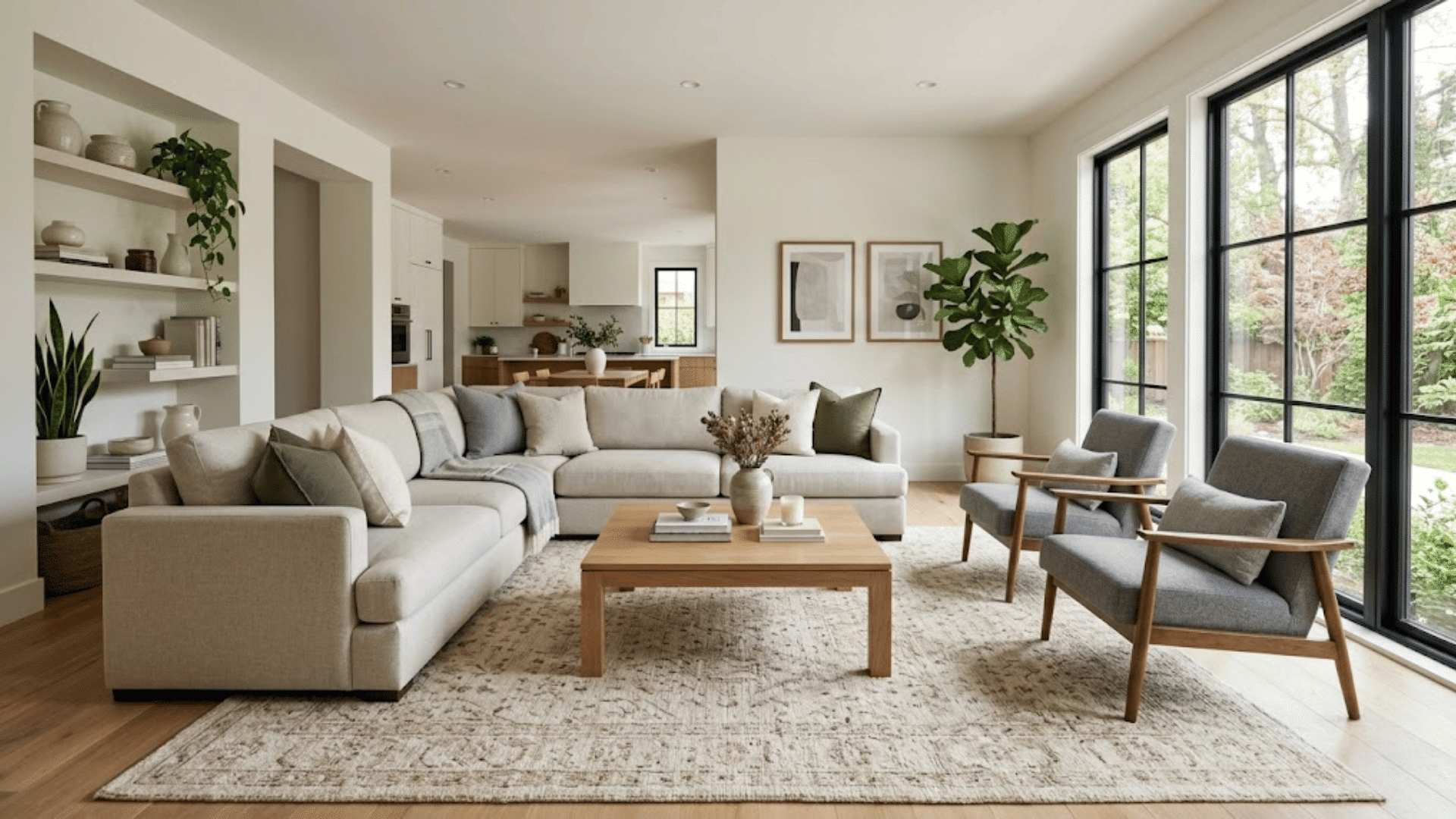
I usually place a sofa and chairs around a central point, such as a coffee table, to form a single zone. Then I add another small setup if space allows, like a reading corner or extra seating.
Rugs help a lot in large rooms. Use rugs to clearly define each area, so every section feels complete.
Keep enough space between zones so walking around stays easy. This makes the room feel structured without making it crowded.
Key Rules for Living Room Furniture Placement
A few simple rules can make furniture placement feel easy and natural. The right setup helps the room stay open, balanced, and comfortable to use.
- Room purpose first: Decide how the space will be used before placing anything. This helps every piece serve a clear role.
- Keep clear pathways: Leave enough space to walk around without bumping into furniture. This makes daily movement smooth.
- Right distance between pieces: Keep about 30–36 inches between large items. In smaller rooms, slightly less space can still work.
- Balance furniture size: Use pieces that fit the room. Avoid mixing very large and very small items together.
- Face the focal point: Arrange seating toward a main feature, such as a TV, table, or center area, to better use the space.
- Use proper table placement: Keep coffee tables within easy reach of seating so they are practical for daily use.
How to Arrange a Living Room
A simple setup makes the room easier to use and more comfortable every day. Planning the layout first helps avoid moving furniture again and again.
Step 1: Map Walking Paths and Clear Space
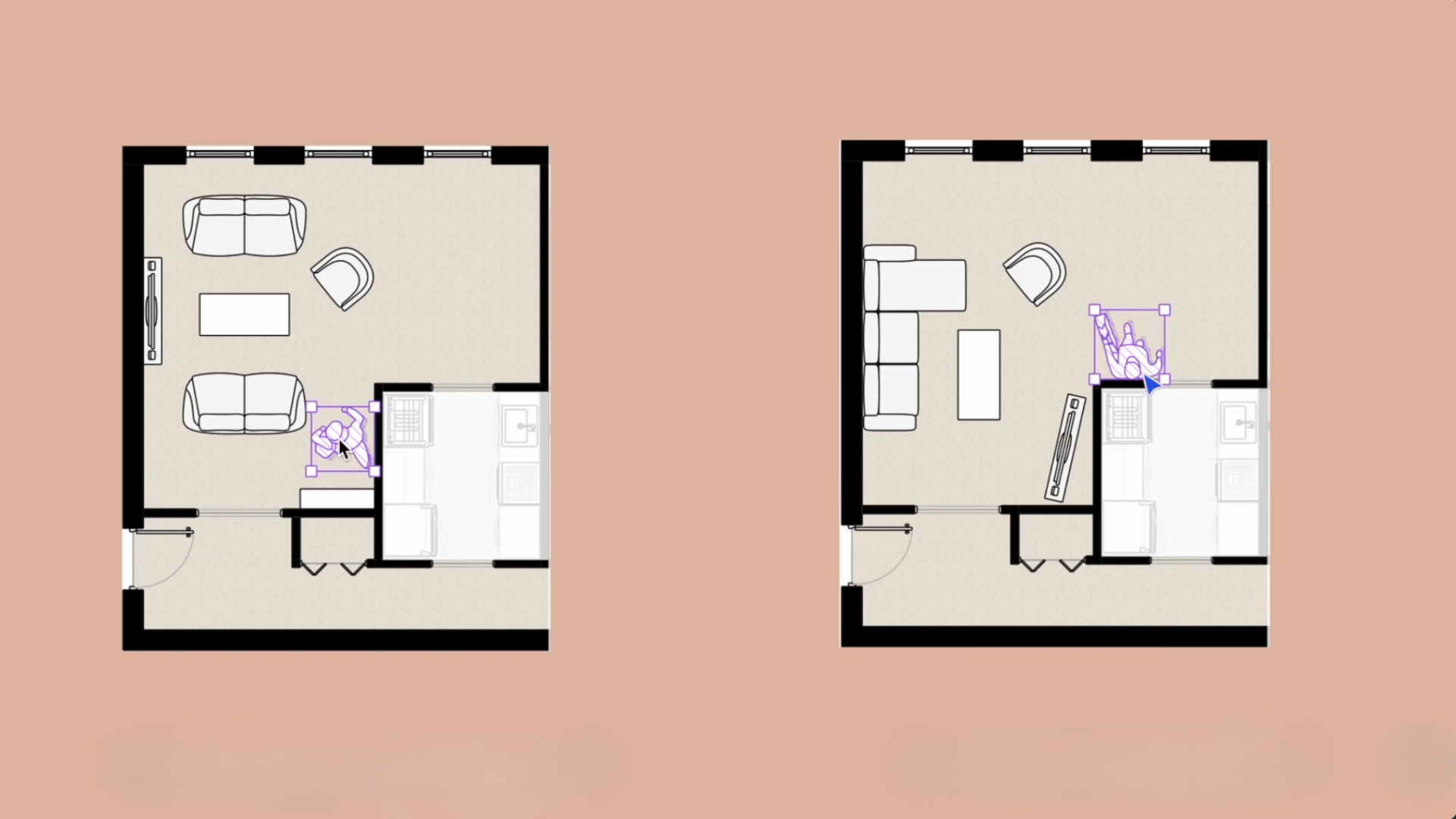
Start by observing how people move through the room. Every space should have natural walking paths that remain open at all times.
When furniture blocks these areas, the room feels tight and uncomfortable. Focus on entry points and common routes first to avoid this problem.
Once paths are clear, the layout becomes easier to plan. This step ensures the room supports daily movement instead of creating obstacles.
Step 2: Identify Safe Zones for Furniture
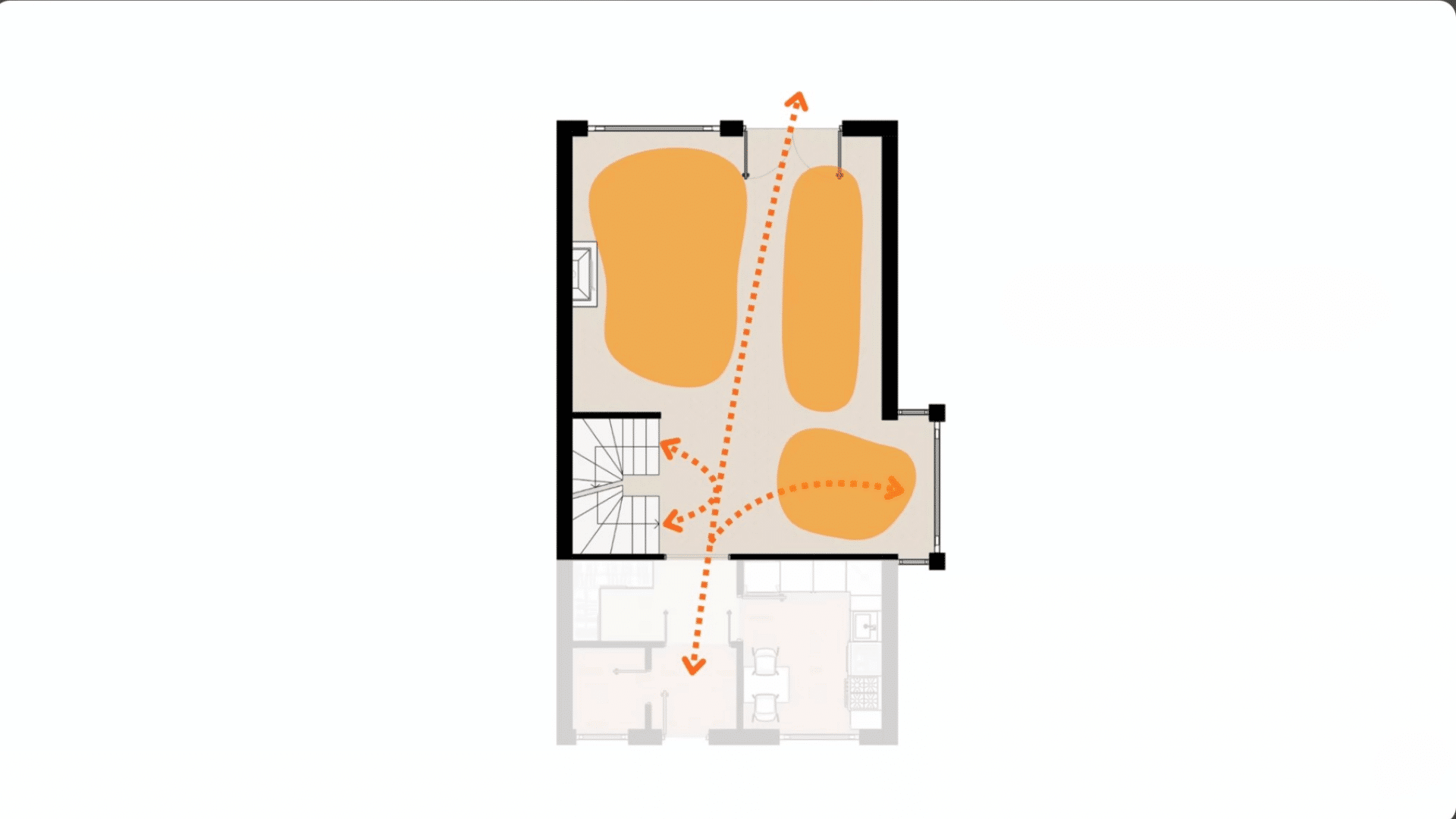
After marking walking paths, look for areas where people don’t walk often. These are the best spots for sofas and chairs.
Placing seating in these zones keeps it away from busy areas, making the space feel more relaxed.
Sitting in high-traffic areas can feel distracting, so using calmer spots improves comfort. This step helps create a layout that feels peaceful and easy to use.
Step 3: Use Alignment and Balanced Placement
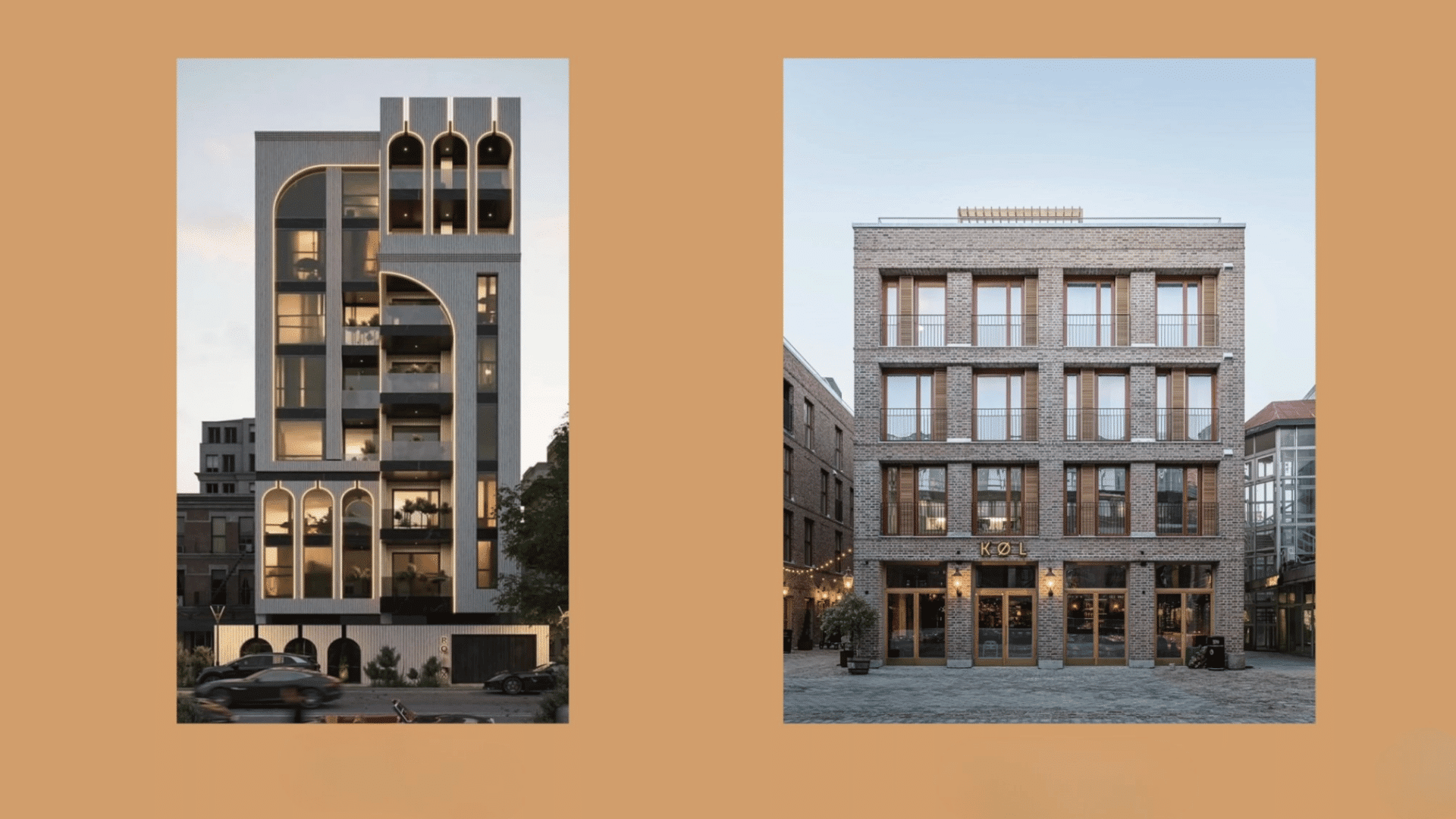
This makes the layout easier to understand and use every day. When items are placed without any order, the space can feel messy and difficult to manage.
Starting with a simple and well-placed setup works best. Once the base layout feels right, small changes can be added without making the room feel crowded or confusing.
Step 4: Plan Entry View and Sitting Views
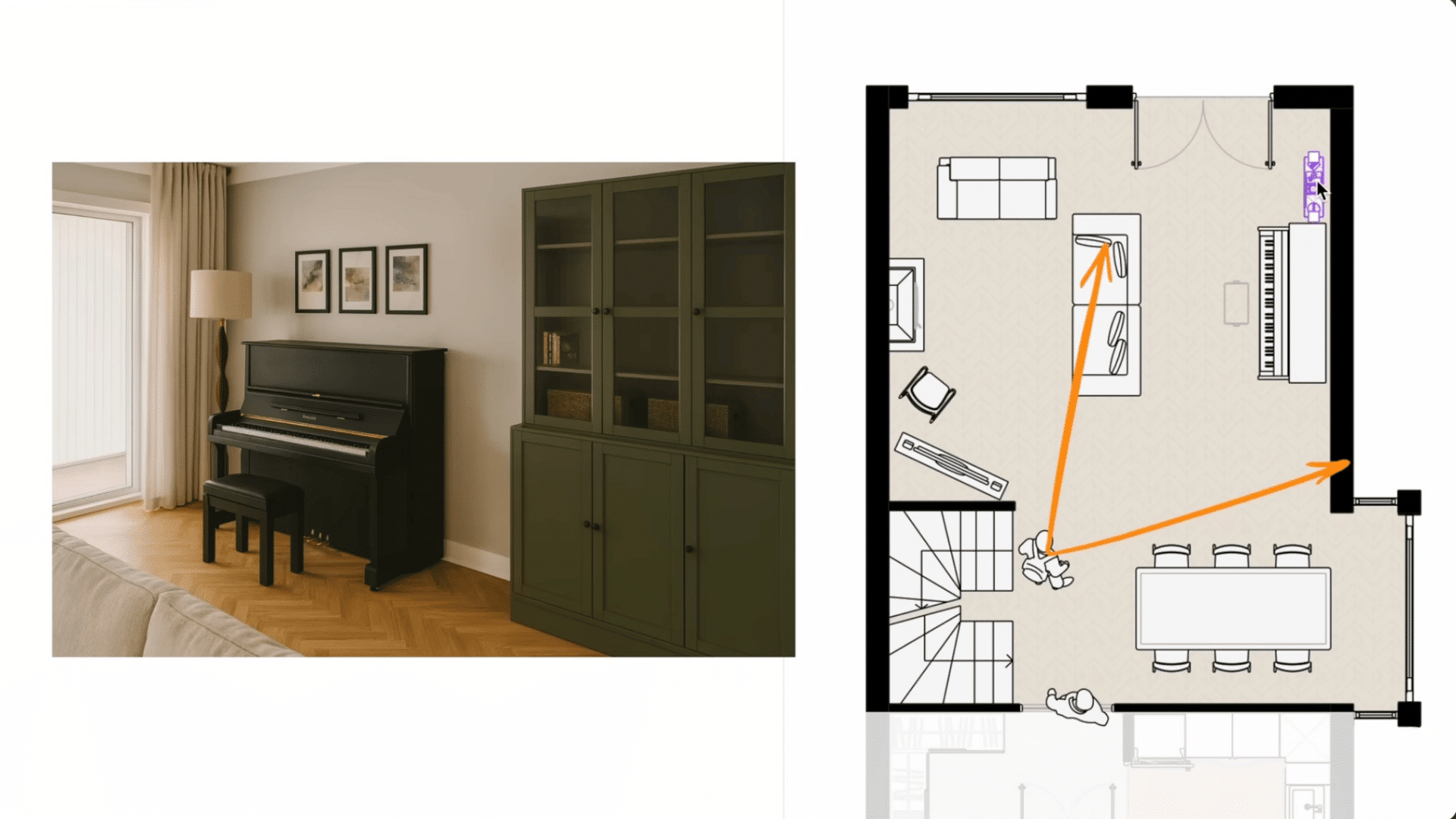
Think about what is visible when entering the room. A seating area in this view feels more welcoming than clutter or screens. This first impression sets the tone and helps the space feel more comfortable right away.
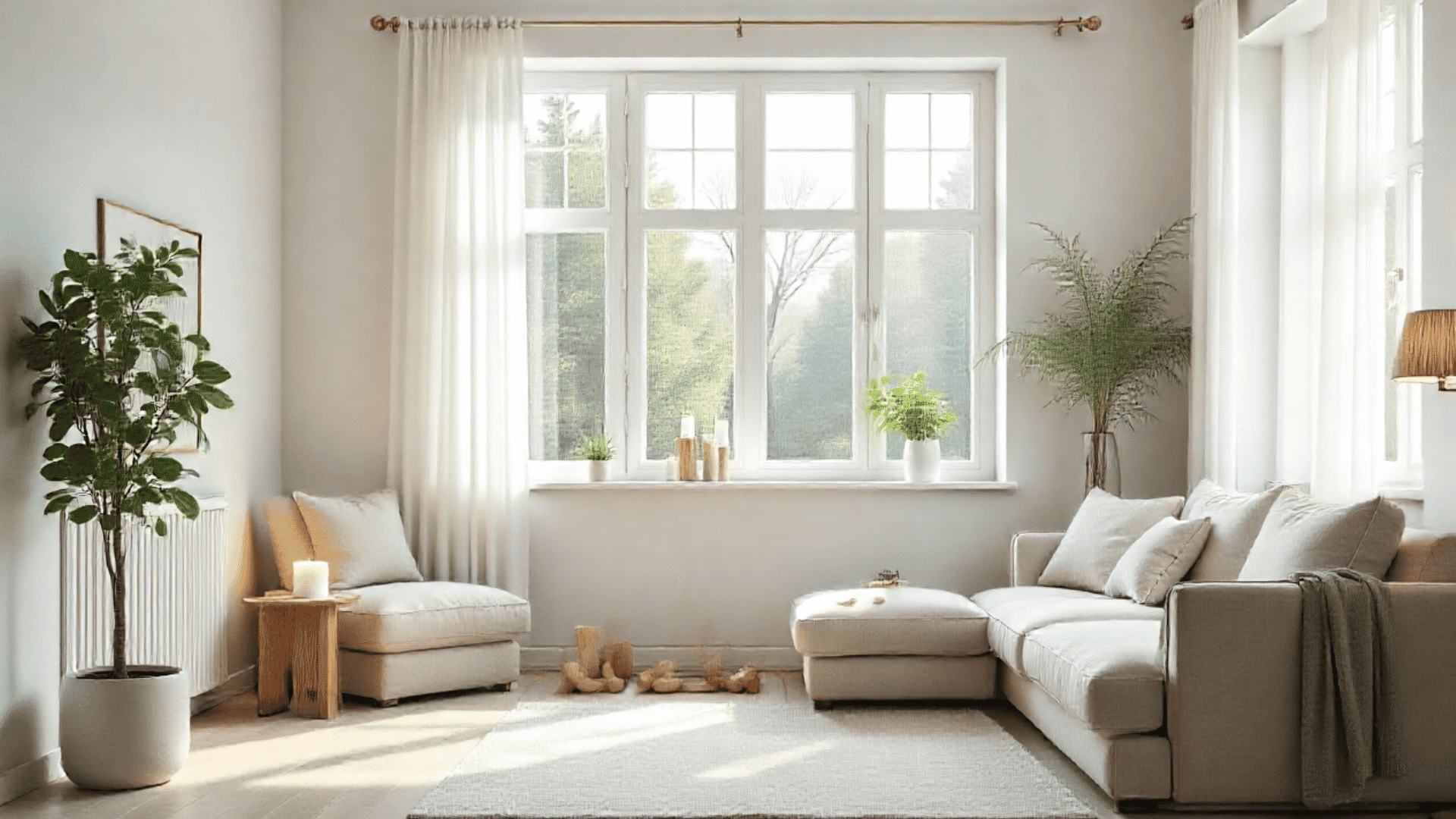
Then check what is seen while sitting. The view from sofas or chairs should feel calm, such as a wall or a window, rather than a busy area. This reduces distraction and helps the space feel more peaceful.
What is seen often affects comfort. A clean and simple view makes the room easier to enjoy and helps create a more relaxed setting.
Step 5: Create a Flexible Seating Setup
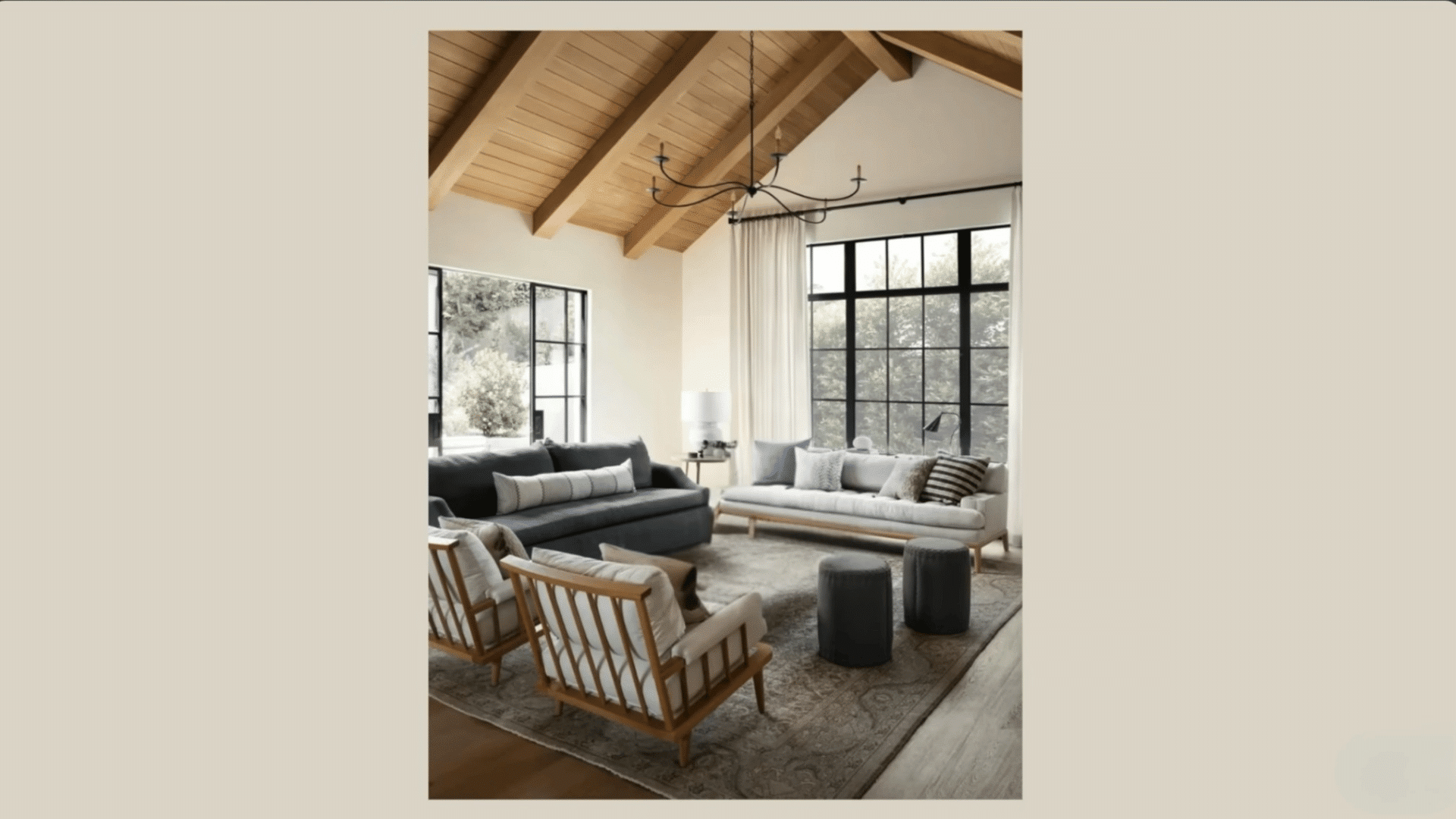
Arrange seating so people can face each other easily. Straight-line setups often feel stiff and less social. Placing chairs and sofas at slight angles makes conversations feel more natural and comfortable.
Adding a center point, like a coffee table, helps bring the seating area together. It gives the layout a clear focus and makes the space easier to use.
This type of setup works well for relaxing, talking, or having guests over. It keeps the room practical while still feeling open and easy to move around.
Step 6: Define the Area with a Rug
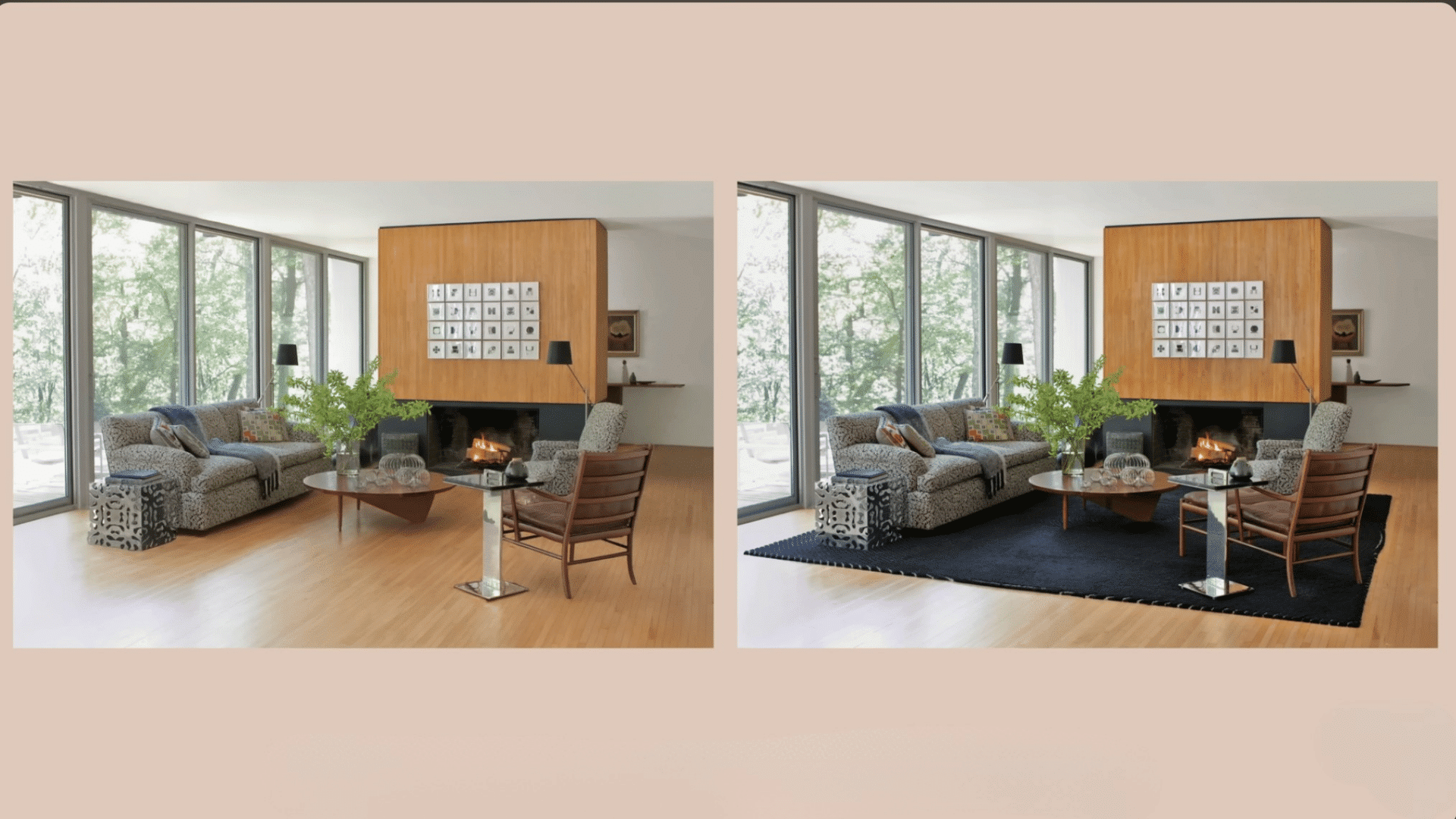
A rug helps connect all furniture and creates a clear seating zone. Placing it under the main pieces makes the layout feel more unified and easier to understand. It acts like a base that holds everything together.
Without a rug, furniture can look spread out and disconnected. This can make the room feel unfinished and harder to manage. A rug helps bring a sense of order to the space.
This simple addition improves both the look and use of the room, making it feel more complete and comfortable for everyday living.
This tutorial is based on a helpful video by baixu . You can check out the original video on their YouTube channel here or watch it below.
Living Room Arrangement Tips for Better Visibility
A clear setup makes the room easier to use and more comfortable for daily activities. Small changes in placement can improve how well you see and move around the space.
- Focus-point placement: Keep the main feature, like a TV or seating area, easy to see from most vantage points. Avoid placing it at sharp angles that feel uncomfortable.
- Seating alignment: Place sofas and chairs so the main focus is visible from a direct or slightly angled view. This reduces the need to turn or adjust often.
- Furniture height balance: Use low or medium-height furniture near the center so nothing blocks the view across the room. Tall pieces work better along walls.
- Lighting support: Make sure light sources do not create glare on screens or dark spots in key areas. Use soft lighting to maintain even visibility.
- Clear sight lines: Keep the middle area open to keep views unobstructed. Avoid placing bulky items in front of seating zones.
- Smart spacing: Leave enough distance between furniture so everything feels open and easy to see without strain.
How to Fix an Awkward Living Room Layout
I’ve had rooms where the layout just didn’t feel right, no matter how I arranged things. If your space feels off, I start by checking how the room is used each day.
This helps me make better choices instead of guessing or forcing a setup that doesn’t work.
Start by removing extra furniture and keep only the main pieces like the sofa and chairs. This makes the room easier to plan.
I then focus on a single focal point, such as a TV or a center table, and arrange everything around it. Too many focal points can make the space feel messy and hard to use.
For tight corners or odd shapes, I use smaller or lighter pieces. Keep walkways open to maintain smooth movement. Even small changes can make the room feel more balanced and easier to use every day.
Common Living Room Layout Mistakes to Avoid
Small layout mistakes can make a room feel tight, awkward, or hard to use. Fixing these early helps create a space that feels open and comfortable.
- Ignoring room purpose: Placing furniture without a clear use in mind can make the setup feel random. Always decide if the room is for TV, talking, or both.
- Pushing all furniture to the walls: Keeping everything against the wall can make the center feel empty. Pull pieces slightly inward to create a better seating area.
- Blocking walkways: Placing furniture in paths makes movement hard. Keep a clear space so people can walk easily.
- Wrong furniture size: Using pieces that are too big or too small can throw off the balance. Choose sizes that fit the room well.
- Poor TV placement: Placing the TV too high or at an angle can cause discomfort. Keep it at eye level and easy to view.
- Overcrowding the space: Adding too many items makes the room feel cramped. Keep only what you need for a clean setup.
Bottom Line
A well-arranged living room can change how your space feels and works every day.
When furniture is placed with purpose, the room becomes easier to use and more comfortable to spend time in. Even small changes, like shifting a sofa or clearing a walkway, can improve the overall setup.
Focus on what works best for your space instead of following fixed rules. The right layout is the one that fits your daily routine and makes the room feel open and easy to use.
Try a few of these ideas and see what feels right in your home.
If you’ve already arranged your living room or made changes that worked well, share your experience in the comments below. Your input can help others create a better setup, too.
Frequently Asked Questions
What is the 2/3 Rule for Furniture?
The 2/3 rule means furniture should be about two-thirds the size of the wall or rug. This keeps the room balanced, neither too empty nor too crowded.
What is the Biggest Mistake in Placement of Furniture?
Blocking walkways or placing furniture without a clear plan is the biggest mistake. It makes the room hard to use and feel uncomfortable.
What are Some Common Living Room Decor Mistakes to Avoid?
Overcrowding, poor lighting, and wrong furniture size are common mistakes. These can make the room feel messy or unbalanced.
What Furniture Arranging Mistakes Make a Living Room Look Cluttered?
Too many pieces, poor spacing, and random placement can make the room look cluttered. Keeping the layout simple helps maintain a clean look.
What is the Correct Order to Decorate a Room?
Start with large furniture, then add smaller pieces, such as tables and chairs. Finish with rugs, lighting, and decor to complete the setup.