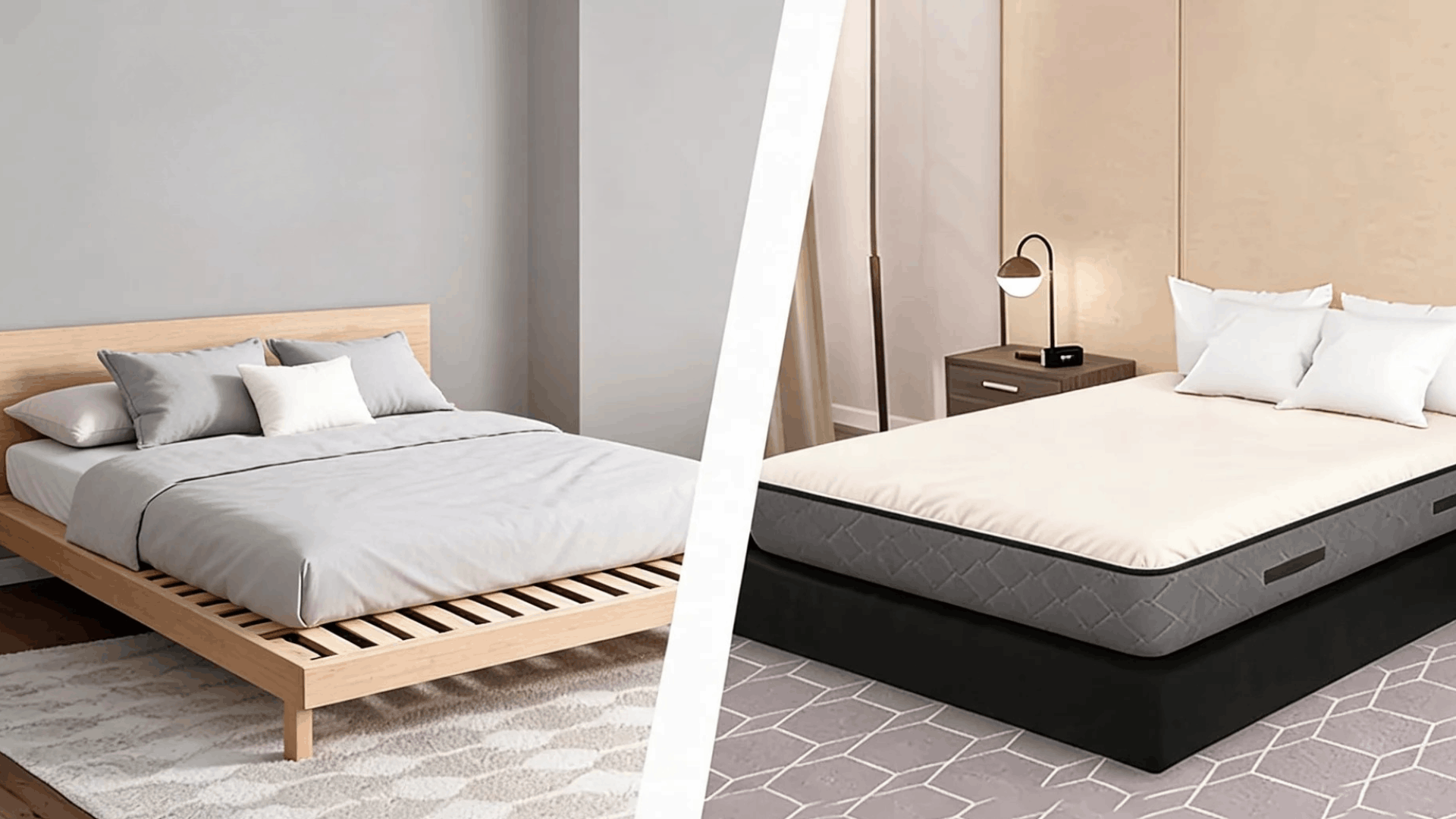
I know how confusing it can feel when you’re trying to pick the right bed setup. When I first looked into platform beds vs box springs, I had so many questions about comfort, cost, and what actually works best.
If you’re in the same spot, you’re not alone. In this guide, I’ll share the key differences and the pros and cons of each option.
You’ll also learn what a platform bed is, how a box spring works, and if you can use them together.
I’ll also cover a detail most miss: how slat spacing can quietly ruin a foam mattress, and why your mattress warranty may depend on getting this choice right.
This guide also covers which option works best for different mattress types and room setups.
By the end, you’ll have a clear idea of which one fits your space, budget, and sleep style. Let’s make this choice simple and stress-free so you can pick the right bed with confidence.
What is a Platform Bed?
A platform bed is a type of bed frame that supports your mattress without the need for a box spring.
It has a solid surface or a row of wooden or metal slats that hold the mattress in place. This design provides firm, even support, which works well with most modern mattresses.
Platform beds usually sit lower to the ground, giving your room a simple, clean look. They come in many styles, including wood, metal, and upholstered designs. Some also include built-in storage, which can help save space.
Because everything is built into one frame, setup is often easier and more affordable.
One thing worth knowing: if your platform bed uses slats, the spacing between them matters. For memory foam and latex mattresses, slats should be no more than 3 inches apart.
Wider gaps can cause the foam to sag between the slats over time, which affects both comfort and mattress longevity.
I learned this the hard way after noticing uneven wear on a foam mattress I had on a slatted frame with 4-inch gaps, once I added a bunkie board on top, the issue went away entirely.
If you want a bed that is simple, sturdy, and practical, a platform bed can be a great choice for everyday use.
What is a Box Spring?
A box spring is a type of bed base that sits under your mattress, providing extra support and height. It usually has a wooden frame filled with metal springs or a metal grid, all covered in fabric.
The main purpose of a box spring is to absorb shock and reduce wear on your mattress over time.
Box springs are often used with traditional innerspring mattresses to improve comfort and airflow. They also make the bed taller, which some people find easier to get in and out of.
However, they are not always needed with newer mattress types, such as memory foam or latex. If your bed frame requires extra support and height, a box spring can still be a useful option.
Platform Bed vs Box Spring: Key Differences
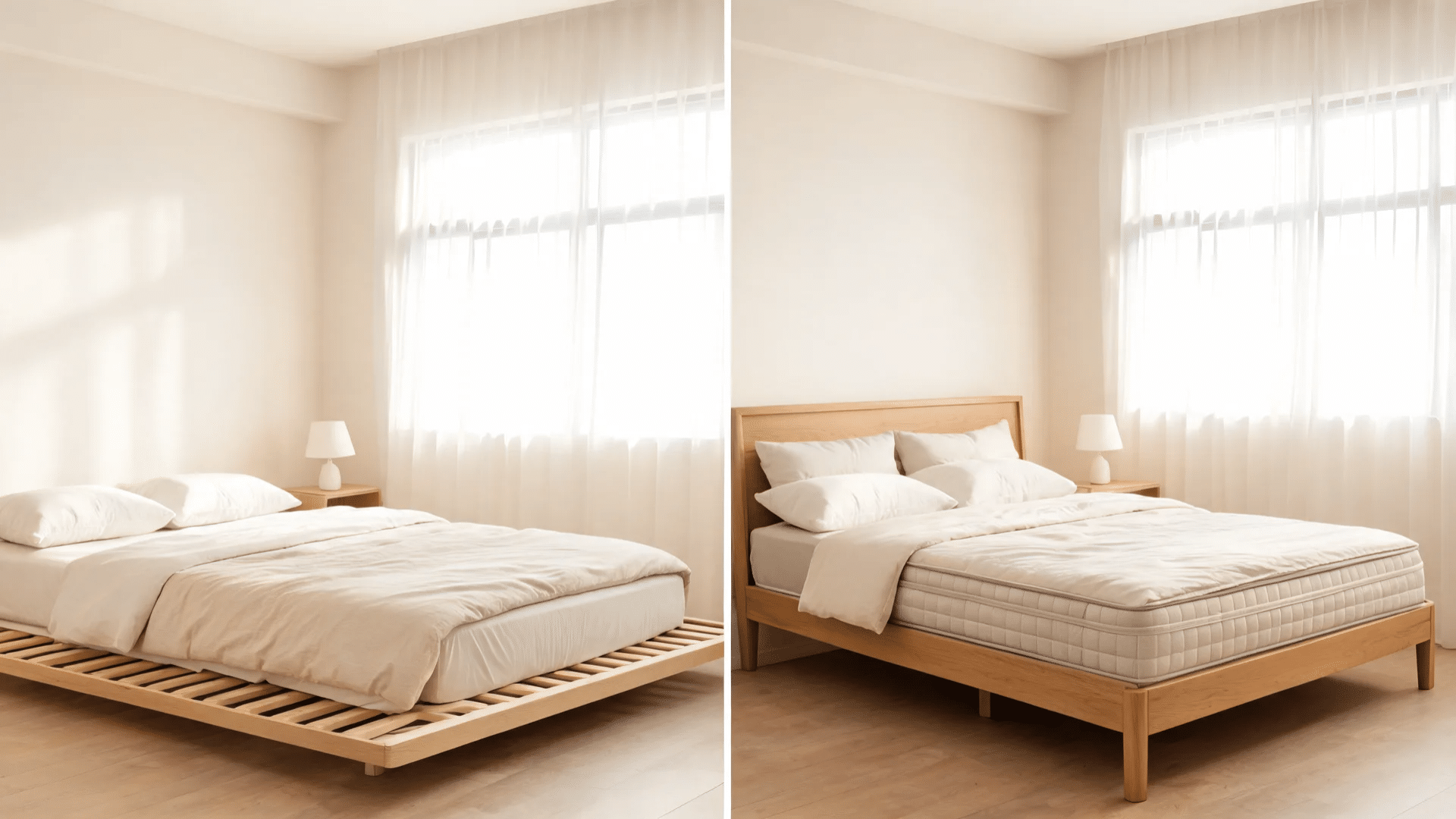
When comparing a platform bed and a box spring, the main differences center on structure, support, and how they work with your mattress. Each option affects comfort, height, and overall bedroom setup in its own way.
1. Support and Structure
A platform bed has a built-in base, usually made of slats or a solid panel, that directly supports the mattress. This creates a firm, even surface that works well with modern mattresses like memory foam and hybrids.
In contrast, a box spring uses a frame with springs or a metal grid to add bounce and absorb shock.
It is designed to sit on a bed frame and support an innerspring mattress, rather than replace the frame itself.
2. Height and Appearance
Platform beds sit lower to the ground, giving a clean and modern look that suits many bedroom styles. This lower height can also make small rooms feel more open.
Box springs, on the other hand, add extra height to your bed, which some people prefer for easier access.
The added height also creates a more traditional look, especially when paired with classic bed frames and thicker mattresses.
If you have mobility concerns, joint pain, or simply find it uncomfortable to get up from a low surface, the extra height a box spring provides is not just looks.
It can be genuinely practical. Conversely, for platform beds, some brands offer legs with adjustable heights, which is worth checking when shopping.
3. Mattress Compatibility
Platform beds are highly compatible with most mattress types, including memory foam, latex, and hybrid mattresses. The solid or slatted base provides the support these materials need.
Box springs work best with traditional innerspring mattresses because they are designed to flex and support the coils.
Using a box spring with foam mattresses is usually not recommended, as it may not provide adequate support and can shorten the mattress’s lifespan.
Mattress warranty alert: Many mattress manufacturers require that your mattress be placed on an appropriate, supportive foundation as a condition of the warranty.
Using a box spring under a memory foam mattress, or placing any mattress on a slatted frame with gaps wider than 3 inches, can void your warranty if damage occurs.
Check your mattress’s warranty documentation before choosing a base.
4. Cost and Setup
Platform beds are often more budget-friendly because they combine the frame and support system into a single piece.
This means you don’t need to buy a separate box spring, which can save money and space. Setup is usually simple and quick.
Box springs add an extra cost since they are a separate layer, and the overall setup may take more effort. However, they can still be a good option if your bed frame requires one.
5. Durability and Maintenance
Platform beds are generally more durable because they have fewer moving parts and a solid structure. With proper care, they can last for many years without much maintenance.
Box springs, on the other hand, contain internal springs or grids that can wear out over time.
They may lose support or start to sag, especially with heavy use, which means they might need replacement sooner than a platform bed.
Quick Comparison: Platform Bed vs Box Spring
When comparing a platform bed and a box spring, consider how each supports your mattress and fits your space. Both options have their own benefits and drawbacks, depending on your mattress, space, and comfort preferences.
| Feature | Platform Bed | Box Spring |
|---|---|---|
| Structure | Built-in slats or a solid base | Wooden frame with springs or grid |
| Support | Direct, firm support | Adds bounce and shock absorption |
| Height | Lower to the ground | Adds extra height |
| Mattress Use | Works with most modern mattresses | Best for innerspring mattresses |
| Setup | One-piece design | Needs a separate bed frame |
| Style | Modern and minimal | Traditional look |
| Airflow | Good airflow through slats | Moderate airflow |
| Weight | Lighter and easier to move | Heavier and bulkier |
| Durability | Long-lasting with fewer parts | Can wear out over time |
| Storage | Often includes storage space | No storage options |
| Cost | Usually more budget-friendly | Extra cost as an add-on |
Can You Put a Box Spring on a Platform Bed?
Yes, you can put a box spring on a platform bed, but in most cases, it is not necessary.
A platform bed is already designed to support a mattress on its own using slats or a solid base.
Adding a box spring on top can make the bed much higher than expected, which may not feel comfortable or look balanced in your room. It can also compromise the stability for which platform beds are known.
In some cases, people still use a box spring on a platform bed to increase height or match a specific setup.
However, it’s important to check the bed frame’s weight limits and design before doing this. For most modern mattresses, using only the platform bed without a box spring is usually the better, simpler option.
How Much Do Platform Beds and Box Springs Cost?
The cost of a bed setup can vary based on the type, design, and materials you choose. Understanding the price range for each option can help you plan your budget more effectively and avoid extra costs.
Platform Bed:
- A platform bed usually costs between $150 and $800, depending on the material and design.
- It does not need any extra support, such as a box spring.
- You only need to buy it once since it includes both the frame and support system.
Box Spring Setup:
- A box spring typically costs around $100 to $400 or more, based on size and quality.
- You will also need to buy a separate bed frame, which adds to the cost.
- The total setup is often higher because you are purchasing multiple pieces
Quick Take: Platform beds often save money because everything is included. Box spring setups may cost more since you’re buying multiple pieces.
Which Option Is Better for Your Mattress?
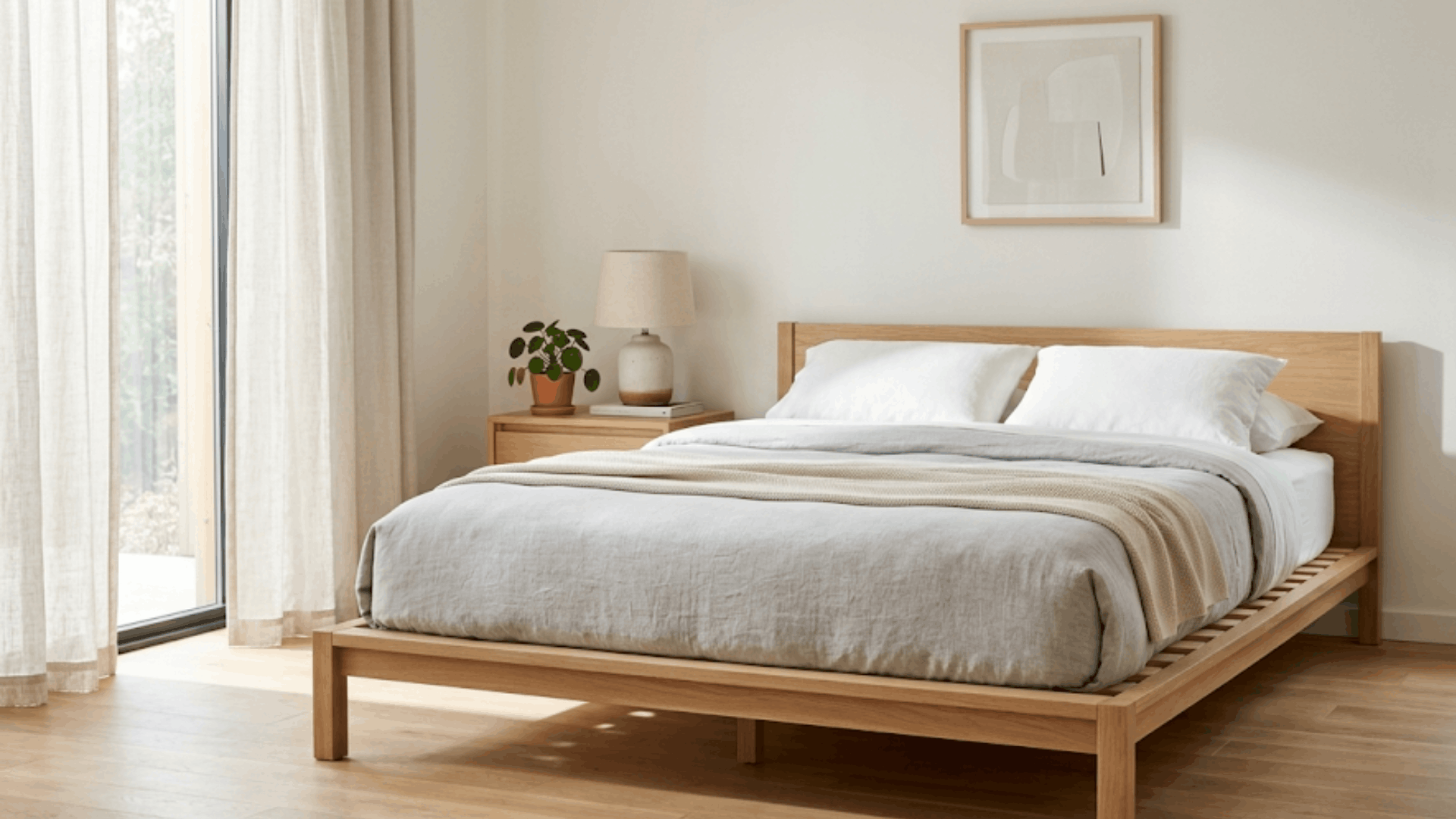
Choosing the right option depends on your mattress type and how you want your bed to feel.
When I looked into this, I noticed that modern mattresses like memory foam, latex, and hybrids tend to perform better on platform beds because they need firm, even support.
This setup helps them keep their shape and feel comfortable over time.
If you’re using a traditional innerspring mattress, a box spring can still be a good match since it adds a bit of bounce and supports the coils. Some people also prefer the added height it gives.
In the end, the best choice is the one that supports your mattress properly and fits your comfort, room style, and height preference.
What About Adjustable Bases?
If you are deciding on bed base options, adjustable bases are worth a mention. These motorized bases let you elevate your head or feet independently, and they are popular with sleepers who deal with acid reflux, lower back pain, or snoring.
Adjustable bases are not compatible with box springs. They require a mattress that can flex without damage, which generally means memory foam, latex, or certain hybrid mattresses.
Most adjustable bases also function as a standalone bed frame, similar to a platform bed, so you do not need an additional frame for most models.
If you are already considering a platform bed for a foam mattress and want the option of incline adjustments down the line, checking compatibility with an adjustable base now can save you from buying a new base later.
Common Mistakes to Avoid When Buying a Bed Base
When buying a bed base, small mistakes can lead to poor support, discomfort, or extra costs later. Knowing what to avoid can help you make a better and more practical choice.
- Ignoring mattress compatibility: Choosing a base that doesn’t match your mattress type can affect comfort and support. This can also reduce the lifespan of your mattress.
- Focusing only on price: A cheaper option may not last long or provide proper support over time. Spending a bit more can often give better value in the long run.
- Not checking bed height: The final height can feel too low or too high for everyday use. This can make getting in and out of bed less comfortable.
- Overlooking room size: A bulky setup may not fit well in smaller spaces. It can also make your room feel crowded and less open.
- Skipping weight limits: Not checking limits can lead to damage or reduced durability. This is especially important for heavier mattresses or shared use.
- Forgetting about airflow: Poor airflow can affect mattress freshness and lifespan. Good airflow helps keep your sleeping area cleaner and more comfortable.
Bottom Line
Choosing between a platform bed and a box spring really comes down to what feels right for you and your setup.
When I went through this decision, I noticed that thinking about mattress type, room space, and bed height made things much clearer. It’s not just about looks or cost, it’s about how well your bed supports you every night.
Take a moment to think about what matters most in your daily use.
A small detail, like height or support, can make a big difference over time. Once you match your choice to your needs, the decision becomes much easier.
Now I’d love to hear from you. What did you choose, and how has it worked for you? Share your experience in the comments below!
Frequently Asked Questions
Why are People No Longer Using Box Springs?
Many people prefer platform beds because modern mattresses no longer require extra spring support.
When Not to Use a Box Spring
A box spring should not be used with memory foam, latex, or hybrid mattresses, as it may not provide adequate support.
Are Platform Beds Comfortable without a Box Spring?
Yes, platform beds are designed to provide enough support on their own for most mattress types.
How Many Years do Box Springs Last?
Box springs usually last around 8 to 10 years, depending on use and quality.
What is the German Bed Method?
The German bed method uses two separate duvets on one bed to improve comfort and personal space.