Picking the wrong paint finish is one of the most common and most fixable home improvement mistakes.
A paint sheen chart lays out every finish level, from flat to high-gloss, so you know exactly what to put where.
This interior paint finish guide covers all 7 sheen types, every major room, and the most important surfaces in your home.
You will also learn why sheen affects color, how it reacts to light, and why wall prep matters more than most people think.
By the end, you will have a clear plan for your next paint project.
What the Paint Sheen Chart Actually Measures
The paint sheen chart measures how much light a dried paint surface reflects.
It runs from flat at the bottom, which absorbs nearly all light, up to high-gloss at the top, which bounces most of it back.
Each step up the sheen scale adds reflectivity, durability, and washability. Each step down gives you softer color, better hiding of flaws, and a quieter look on the wall.
Sheen and gloss are related but not identical. Gloss is measured at a 60-degree angle. Sheen is measured at an 85-degree angle, nearly parallel to the surface.
Paints in the eggshell-to-satin range carry both numbers, which is what gives them that distinctive in-between luster.
Paint Sheen Comparison Chart
The table below gives you a fast reference for all 7 sheen levels on the paint finish guide.
| Finish | Light Reflection | Look & Feel | Durability | Cleanability | Best For |
|---|---|---|---|---|---|
| Flat | 0–5% | No shine, soft | Low | Low | Ceilings, low-traffic rooms, imperfect walls |
| Matte | 4–10% | Low-luster, smooth | Low–moderate | Moderate | Bedrooms, dining rooms, calm living spaces |
| Eggshell | 12–15% | Velvety, subtle glow | Moderate | Moderate–good | Hallways, family rooms, general walls |
| Satin | 25–35% | Pearl-like, smooth | Good | Good | Kitchens, baths, kids’ rooms, high-traffic walls |
| Semi-Gloss | 35–60% | Noticeable shine | Very good | Very good | Trim, doors, cabinets, baths, kitchens |
| Gloss | 60–70% | Bright, reflective | Excellent | Excellent | Furniture, doors, accent trim |
| High-Gloss | 70–90%+ | Mirror-like | Excellent | Excellent | Statement trim, cabinets, decorative surfaces |
Use it to compare light reflection, durability, cleanability, and the best use for each finish before you buy.
-
Flat and matte finishes work best when you want a soft, quiet surface with little to no shine. They are more forgiving visually, but they need gentle cleaning.
-
Eggshell and satin finishes sit in the middle. They give walls a cleaner, slightly polished look while still feeling comfortable for everyday rooms.
-
Semi-gloss finishes are better for areas that get touched often, such as trim, doors, and cabinet surfaces. The added shine also makes marks easier to wipe.
-
Gloss and high-gloss finishes create the boldest effect. Use them in smaller areas where reflection, contrast, and a crisp finish are part of the design.
-
The higher the sheen, the more surface flaws can show. Smooth prep matters most when using satin, semi-gloss, gloss, or high-gloss paint
This paint sheen comparison gives you a clear view of where each finish falls before you ever open a can.
The choice between satin vs semi-gloss matters most in kitchens, bathrooms, trim, and busy walls where shine, cleanability, and flaw visibility can change the final result.
Best Paint Sheen for Walls by Room
Choosing the best paint sheen for walls starts with knowing how each room is used. A bedroom and a kitchen need very different finishes, even if you want the same color in both spaces.
1. Ceilings
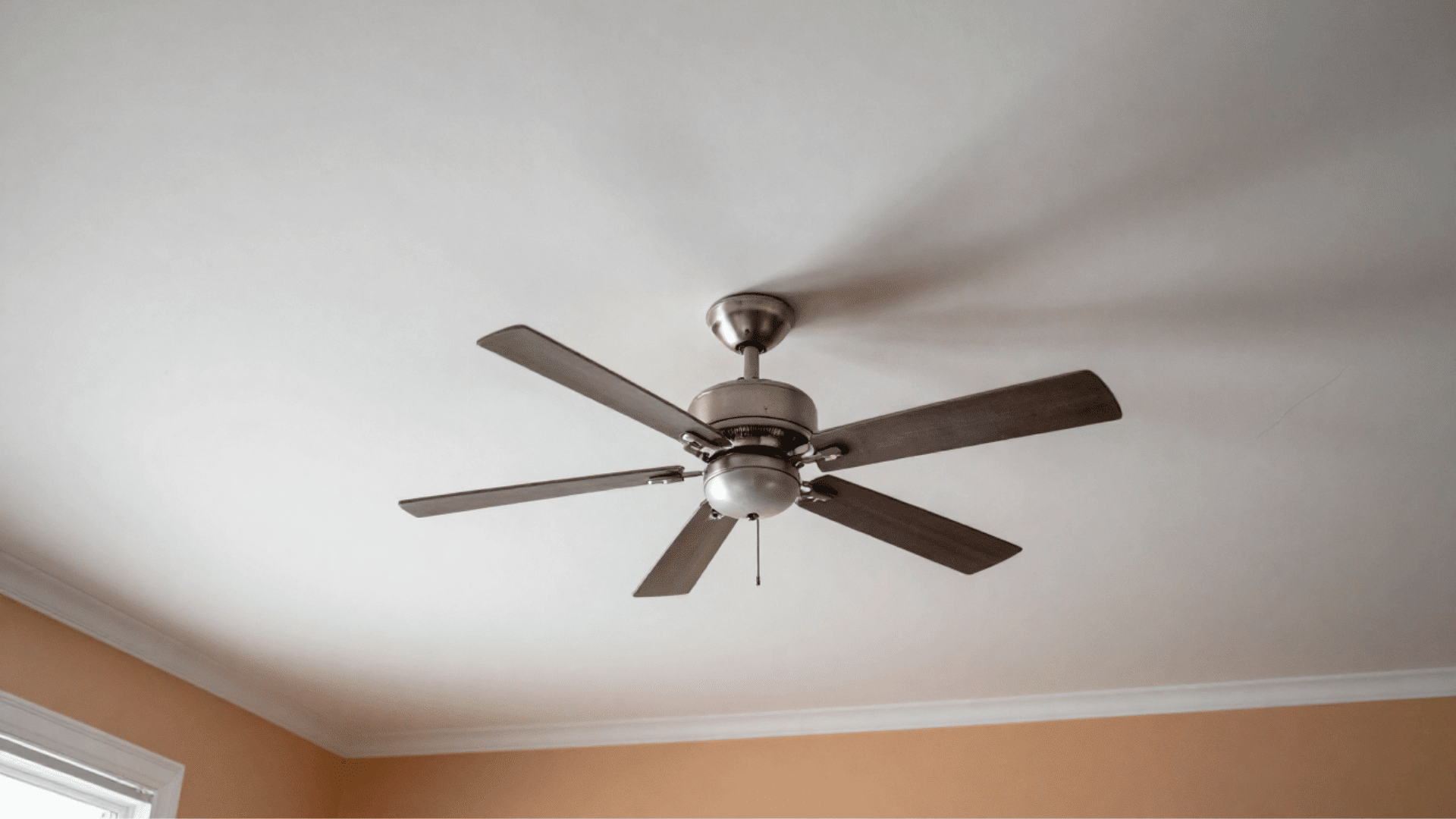
Flat is the right pick for virtually every ceiling in the home.
It reduces overhead glare, hides the texture and imperfections common on ceiling surfaces, and is easy to apply without drips running down the wall.
A ceiling-specific flat formula adds extra splatter resistance that a standard flat does not offer.
Shades I Would Recommend
2. Kitchens and Bathrooms
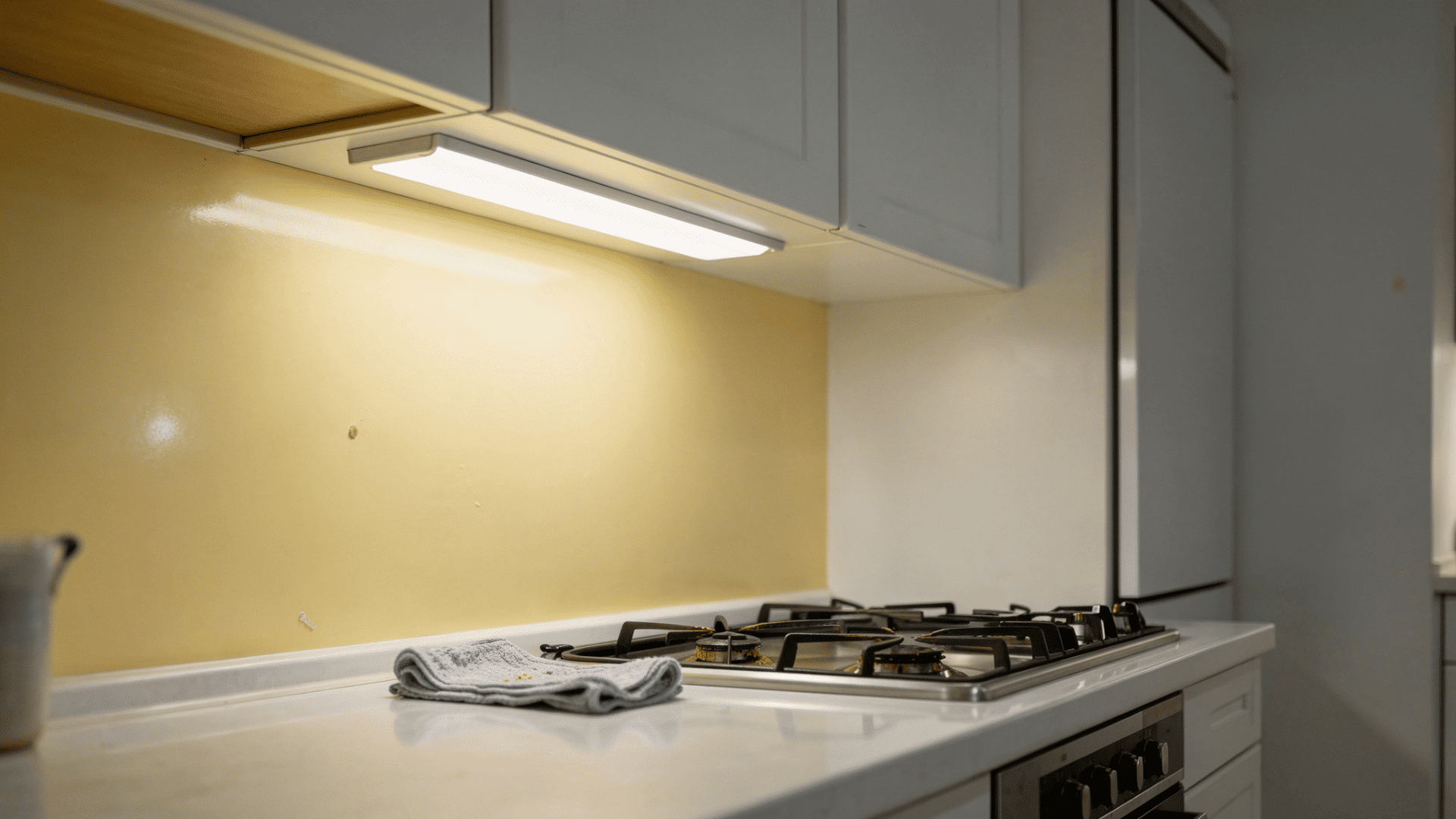
Satin or semi-gloss is the right call for kitchen and bathroom walls. Both finishes handle grease, moisture, and frequent cleaning without wearing down.
For the best paint finish for bathroom walls specifically, semi-gloss is often the stronger choice because it resists humidity better.
For kitchen cabinets and bathroom trim, semi-gloss is the industry standard because of the contact, cleaning, and moisture those surfaces face every single day.
Shades I Would Recommend
3. Bedrooms
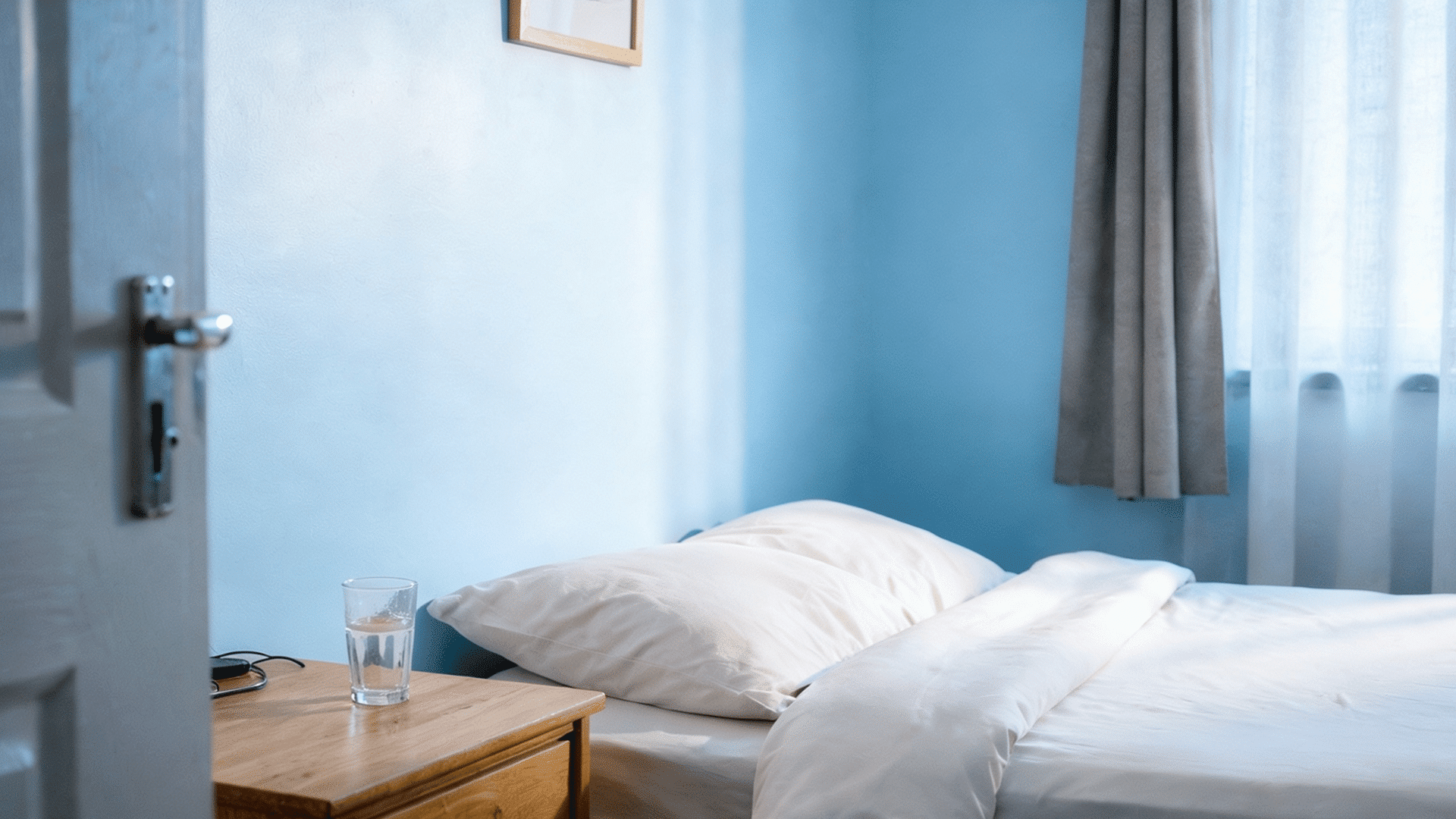
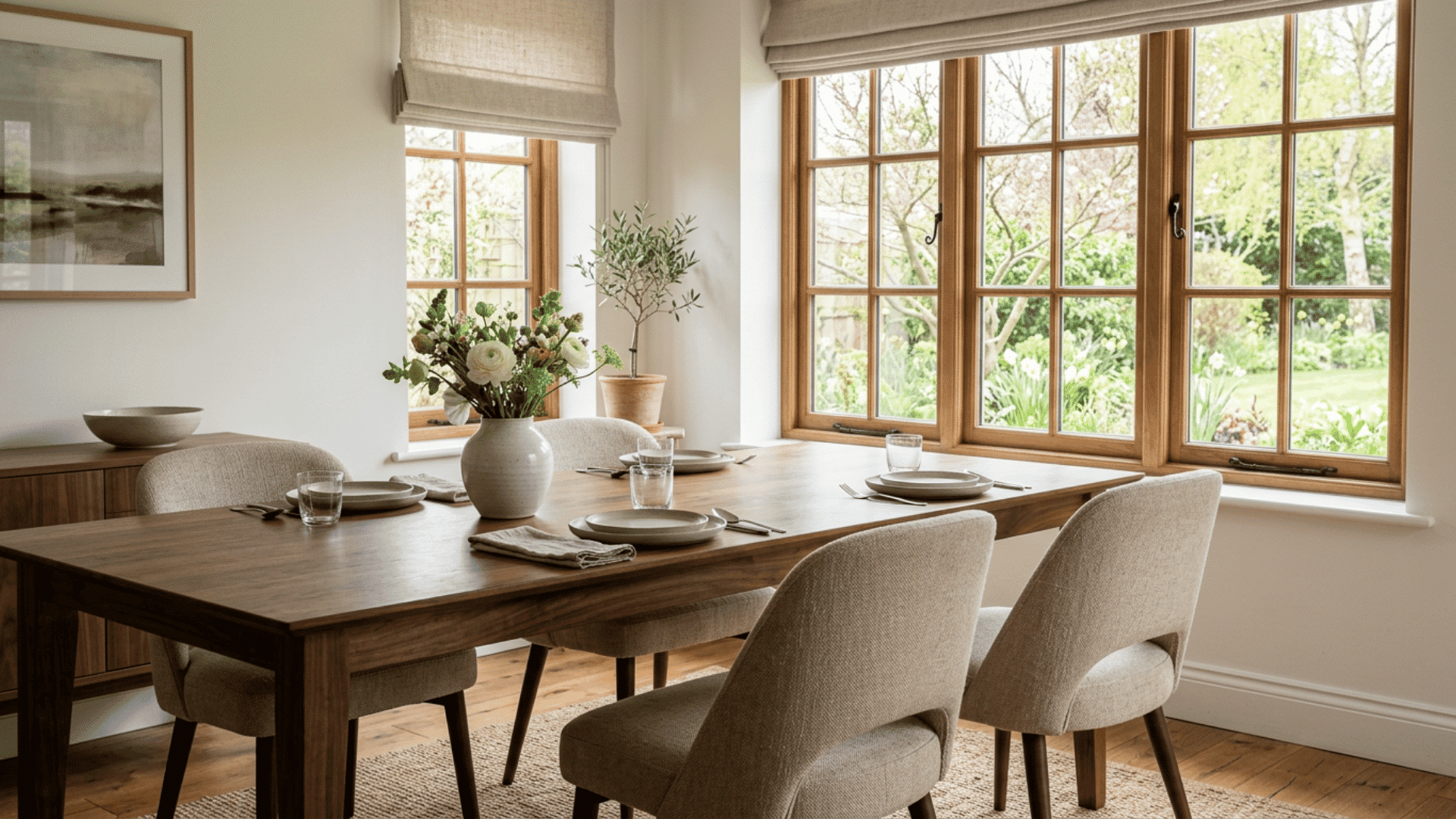
Flat or matte works best in adult bedrooms, where light absorption creates a calm, quiet atmosphere. Both finishes absorb light rather than reflecting it, which keeps the room feeling soft and restful.
For kids’ rooms, satin is the smarter pick. Children’s bedrooms see far more contact, fingerprints, and wall scuffs than adult rooms.
Satin handles daily cleaning without wearing down the way flat or matte does over time.
Shades I Would Recommend
4. Hallways and Entryways
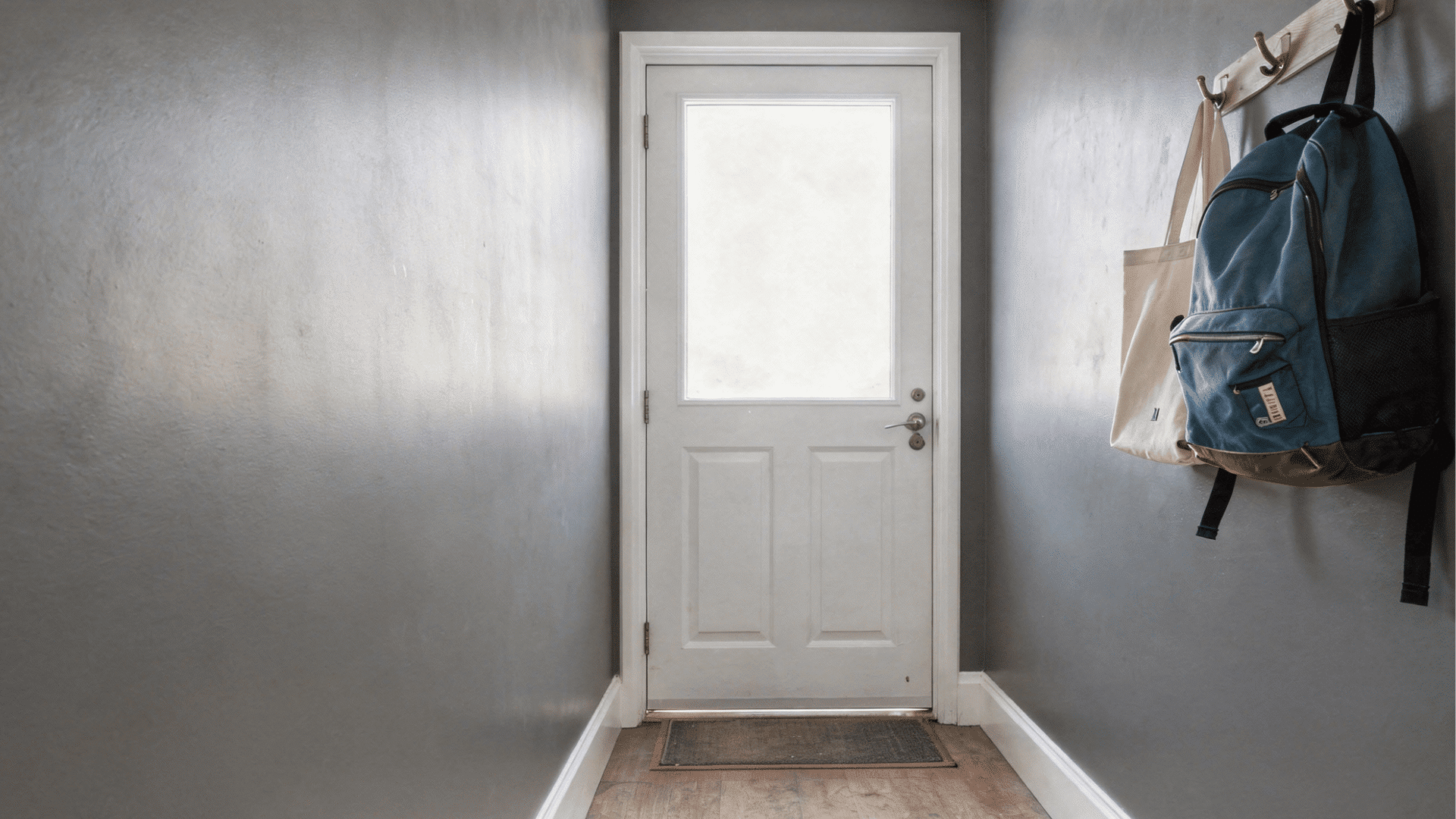
Eggshell or satin both perform well in hallways and entryways, where daily contact and scuffing are constant.
Eggshell handles moderate traffic without showing obvious shine. Satin is the right step up for hallways that the heavy daily use, backpack scrapes, or frequent cleaning.
Both finishes offer enough durability to hold up over time without the high reflectivity of semi-gloss on a long, narrow wall surface.
Shades I Would Recommend
5. Living Rooms and Dining Rooms
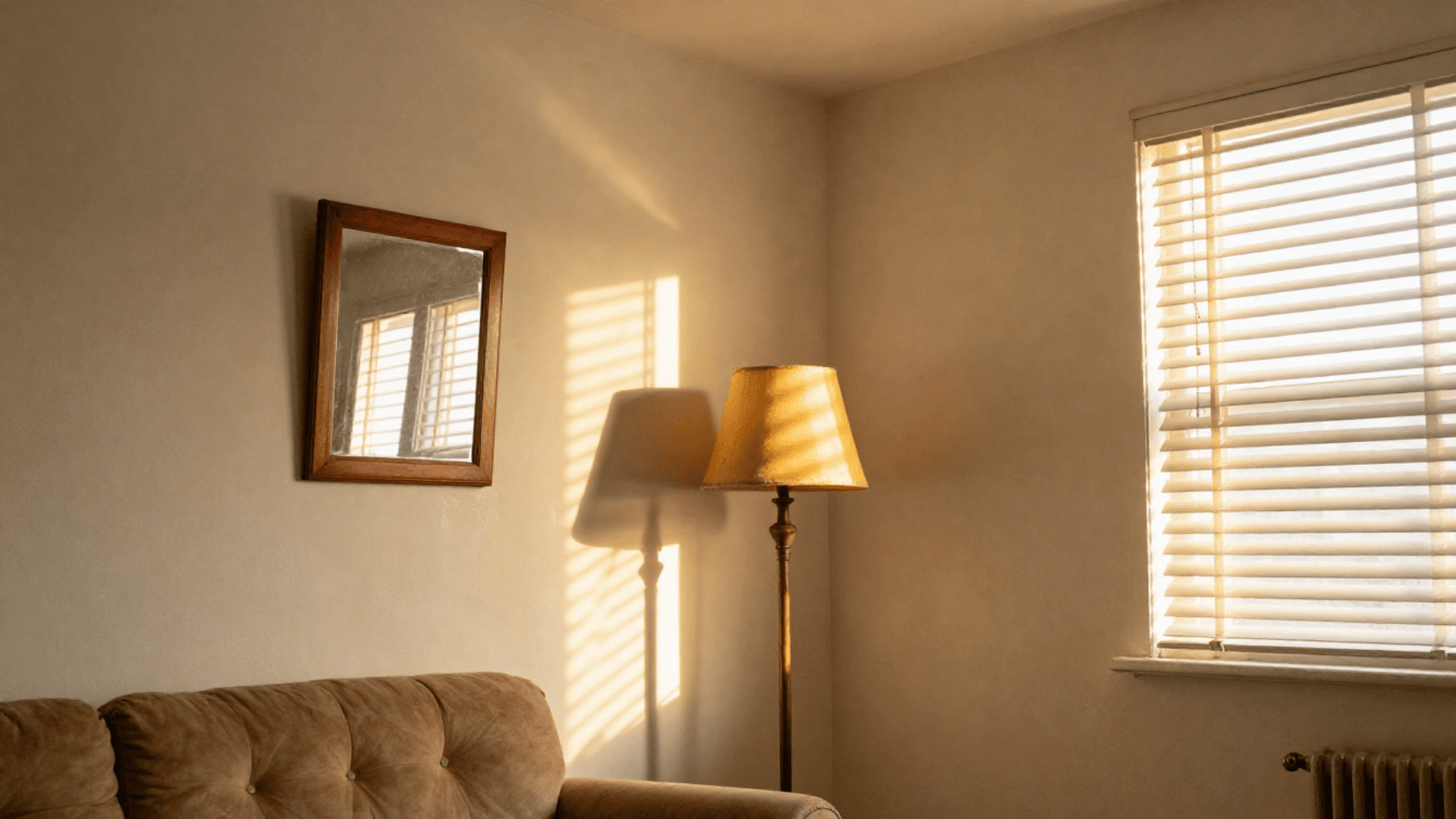
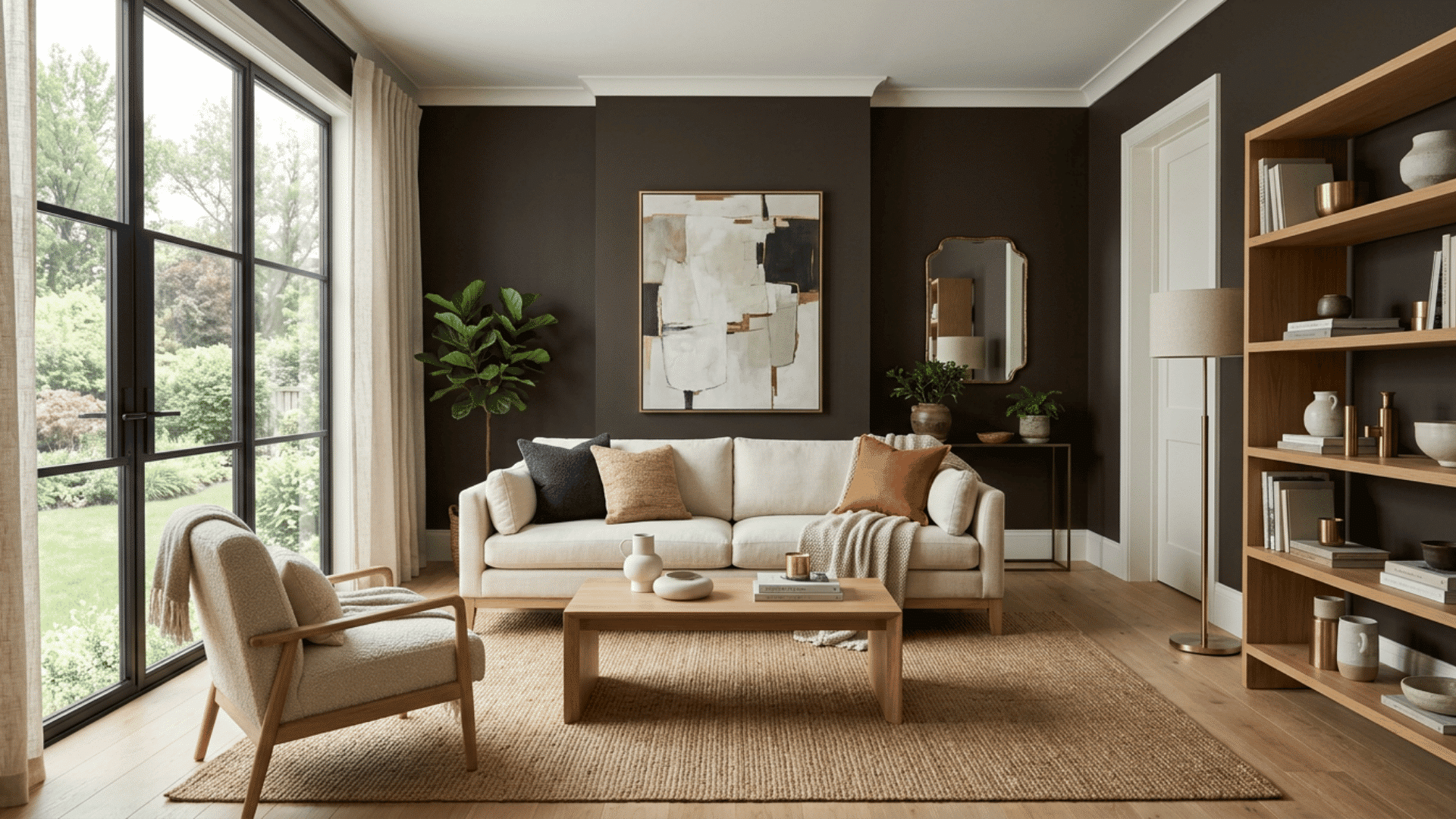
Eggshell or satin are the top picks for living rooms. Satin gives a warm glow and cleans up easily after everyday contact.
Eggshell is the better option when the room has older walls or a light surface texture you want to soften.
For dining rooms, eggshell is the most commonly recommended finish across major US paint brands because it withstands moderate daily use without looking overly shiny.
Shades I Would Recommend
Best Paint Finish for Trim and High-Use Surfaces
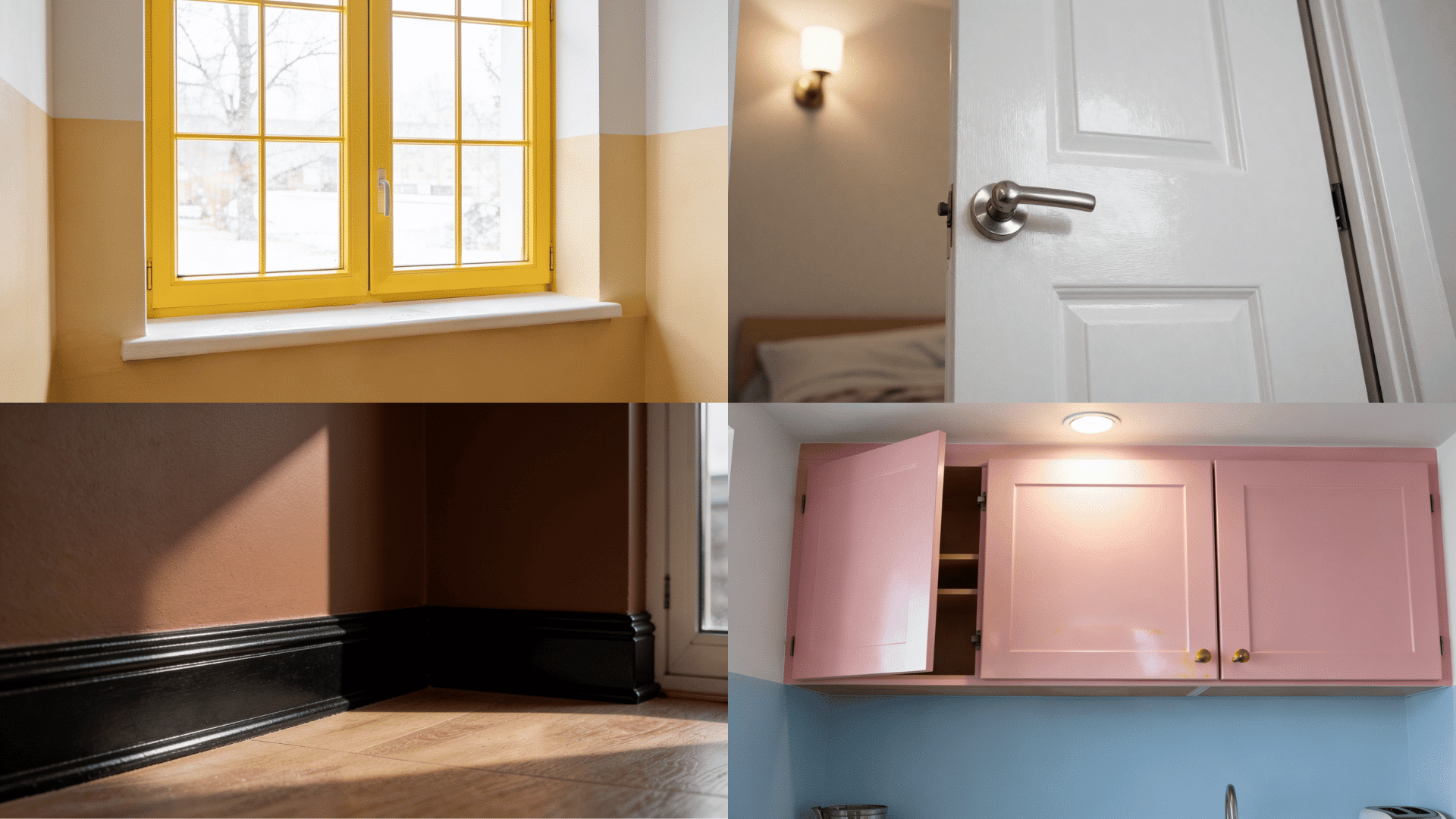
Trim, doors, and cabinets experience more daily contact than walls, which makes their maintenance and appearance particularly important.
Therefore, selecting the right paint finish is crucial; the best choice for trim is always at least one sheen level higher than the finish used on the walls within the same room to ensure durability and a polished look.
| Surface | Best Paint Sheen | Why It Works | Avoid |
|---|---|---|---|
| Interior Trim, Baseboards, and Moldings |
Semi-gloss | Durable, easy to clean, and creates a sharp contrast against wall paint. It helps define the room’s architecture and gives a professional finish. | Flat or matte, because they are harder to clean and do not stand out well on trim. |
| Interior Doors | Semi-gloss or gloss | Doors are often touched on their handles, edges, and panels. A harder, washable finish handles daily contact better. Gloss works well for a bolder look. | Flat or matte, because they wear down quickly from frequent touching. |
| Kitchen Cabinets | Semi-gloss or gloss | Cabinets face grease, moisture, fingerprints, and regular cleaning. A hard, washable finish is needed for long-lasting results. | Flat, matte, or eggshell, because they may wear down faster in busy kitchens. |
| Window Frames | Semi-gloss | Window frames collect dust, condensation, and fingerprints. Semi-gloss wipes clean easily and handles moisture better. | Flat or eggshell, because condensation can make the paint break down faster. |
How Sheen Affects Color and Light
Sheen changes how paint color looks on the wall. A higher sheen can make light colors look brighter and sharper, while a lower sheen gives color a softer, more muted look.
Dark glossy finishes may look deeper when viewed straight on. Rich colors can also make a finish seem shinier than expected, so a deep navy in satin may read closer to semi-gloss.
In strong sunlight, high sheen can create glare. In low-light rooms, flat finishes can make walls feel darker. Always test paint samples on the actual wall at different times of day before choosing.
How to Prep Walls Before Applying a Higher Sheen
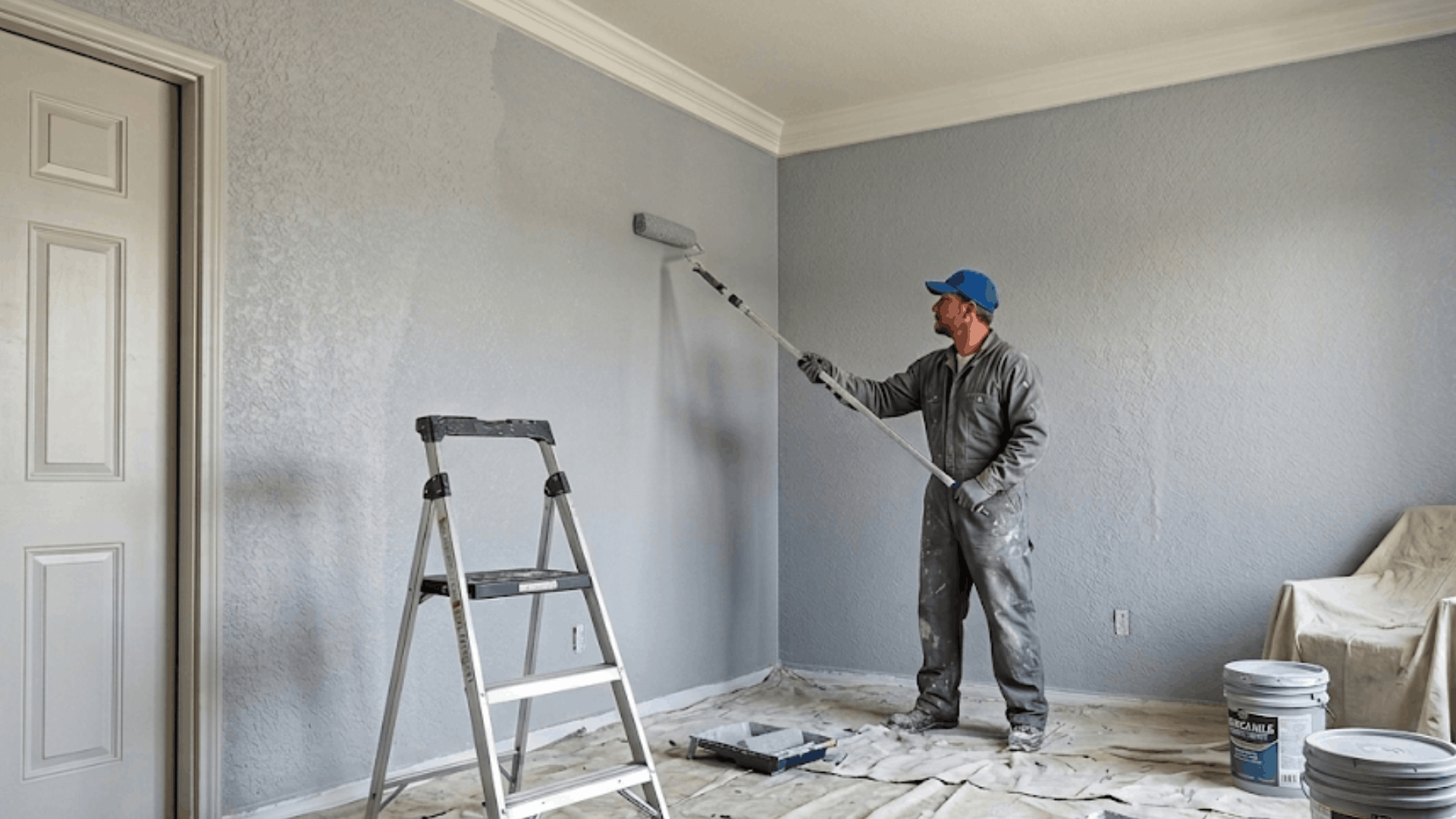
A smooth finish starts before the paint goes on, especially when a higher sheen can highlight every bump, patch, or uneven spot.
- Wall prep matters more when using satin, semi-gloss, or gloss paint because shiny finishes show flaws.
- Start by cleaning the wall to remove dust, grease, and grime. Fill holes and cracks, then sand patched areas smooth.
- Vacuum or wipe away all dust before taping trim and edges. Apply primer evenly with a roller, then let it dry fully.
- Use primer on new drywall, bare wood, stained areas, water-damaged walls, or when changing from dark to light paint.
- Primer also helps when moving from a higher sheen to a lower sheen, so the old finish does not show through.
The Core Tradeoff: Durability vs Flaw-Hiding Ability
Before choosing a paint sheen, compare how much wear it can handle with how well it hides dents, bumps, and wall imperfections in your room.
| Sheen Level | Durability | Flaw-Hiding Ability | Cleaning Ability | Best Use |
|---|---|---|---|---|
| Flat | Low | Very high | Poor | Ceilings, textured walls, and low-traffic rooms |
| Matte | Low to medium | High | Light cleaning | Bedrooms, dining rooms, and calm living spaces |
| Eggshell | Medium | Medium | Moderate cleaning | Hallways, family rooms, and general interior walls |
| Satin | High | Low to medium | Easy to clean | Kitchens, bathrooms, kids’ rooms, and busy hallways |
| Semi-Gloss | Very high | Low | Very easy to clean | Trim, doors, cabinets, and moisture-prone areas |
| High-Gloss | Highest | Very low | Easiest to clean | Accent trim, doors, furniture, and surfaces needing shine |
Why Sheen Labels Differ Across Paint Brands
Paint sheen names are not the same across every brand. One brand’s eggshell may look close to another brand’s low-luster.
Benjamin Moore uses pearl between eggshell and semi-gloss, while Dunn-Edwards uses velvet between matte and eggshell.
Farrow and Ball uses terms like dead flat and estate emulsion.
Instead of trusting the label alone, compare the finish level, light reflection, and recommended use.
The safest choice is to test samples from different brands side by side on the same wall before buying full gallons.
Common Mistakes When Choosing Paint Sheen
These common paint sheen mistakes can affect how your walls look, clean, and age, so it helps to check them before choosing a finish.
- Do not choose a paint sheen based solely on store lighting, because it can look very different at home.
- Avoid using satin or glossier paint on walls that have not been cleaned, patched, sanded, and primed.
- Do not use flat or matte paint in kitchens, bathrooms, kids’ rooms, or other spaces that need frequent cleaning.
- Use trim paint that is at least one sheen level higher than the walls for a clean, finished look.
- Be careful with dark colors in high sheen, because they can look too shiny.
- When switching from glossy paint to a lower sheen, prime first to prevent uneven reflection.
Bottom Line
A solid paint sheen chart makes one of the biggest paint decisions much easier. Use flat or matte finishes for ceilings and quiet, low-traffic rooms.
Choose eggshell for general interior walls where you want a soft look with a bit more durability.
For spaces that need regular cleaning, satin is usually the safer choice. It works well in kitchens, bathrooms, hallways, and kids’ rooms.
Semi-gloss is better for trim, doors, cabinets, and other surfaces that take more contact. Save gloss and high-gloss finishes for furniture, accents, and statement areas where shine is part of the design.
No matter which finish you choose, prep matters. Clean, sand, patch, and prime as needed, because higher sheens show flaws rather than hide them.
Use the chart as a starting point, then match the finish to how the room is actually used.
Which paint finish do you reach for most often: matte, eggshell, satin, or semi-gloss?
Frequently Asked Questions
Can You Mix 2 Different Paint Sheens Together to Get a Custom Finish?
Yes, but the result is unpredictable and nearly impossible to replicate for touch-ups later. Choose the next sheen level up or down instead and buy a fresh can.
How do You Fix Uneven Sheen on A Painted Wall After the Job is Done?
Prime the entire wall with a quality latex primer, let it dry fully, then repaint using consistent roller pressure. Spot-fixing uneven sheen on its own rarely works.
Does Paint Sheen Affect How Long the Paint Lasts on the Wall?
Yes. Higher-sheen paints contain more resin, making the surface harder and more wear-resistant. In high-contact areas like kitchens, satin or semi-gloss will outlast flat by years.
Is it Okay to Use Exterior Paint Sheen Guidelines for Indoor Surfaces?
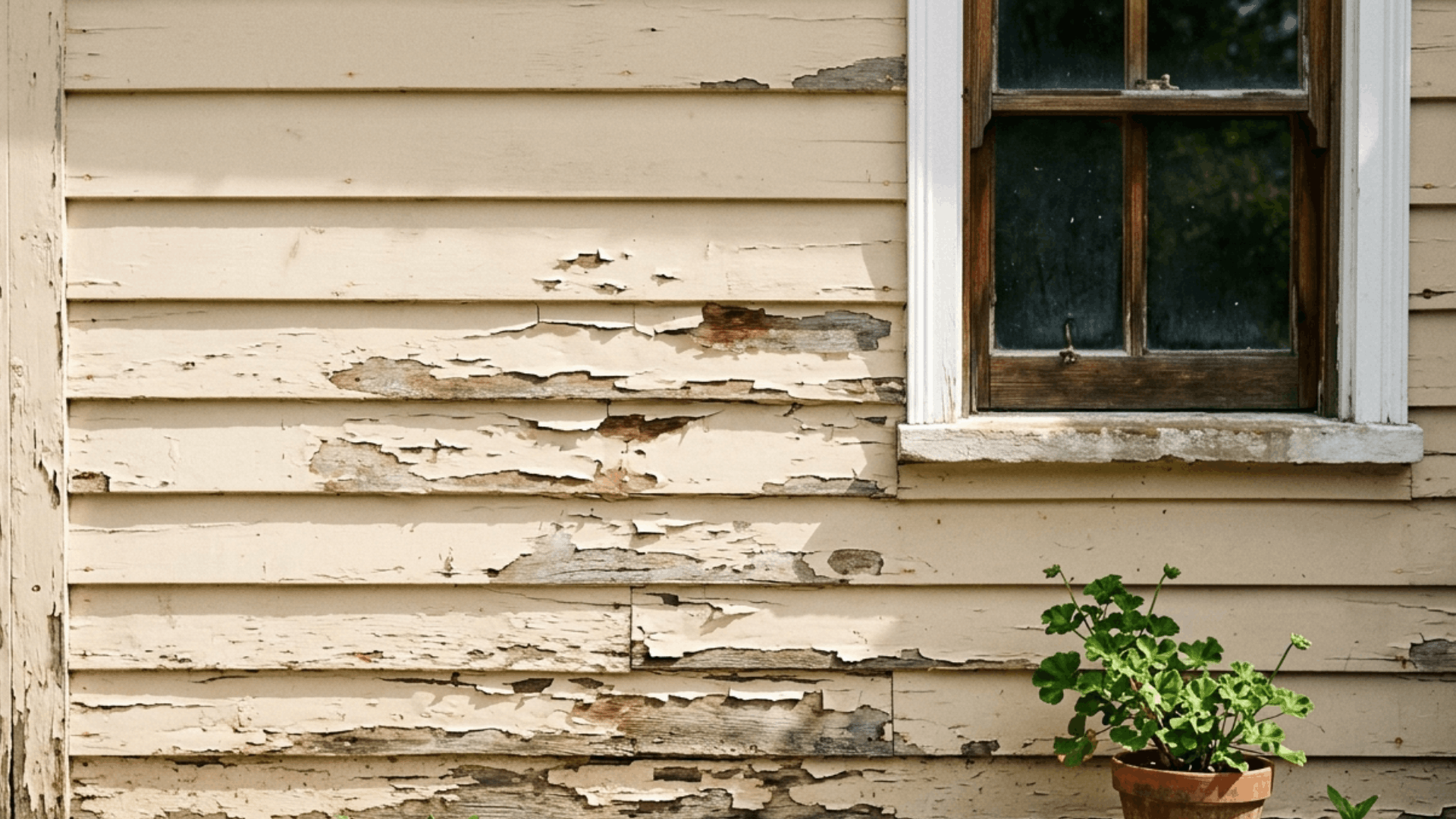
No. Exterior and interior paints use different formulas. Exterior paint is built for UV and moisture outdoors. Interior paint is made for low VOC emissions and smooth indoor surfaces.
What is the Best Paint Sheen for a Laundry Room or Utility Space?
Satin or semi-gloss. Both handle humidity, cleaning products, and daily contact. Avoid flat or matte in these spaces; they wear down fast and cannot be scrubbed clean.