
You’re standing in the paint aisle, two cans in hand, and a quick errand has somehow turned into a 20-minute stare-down.
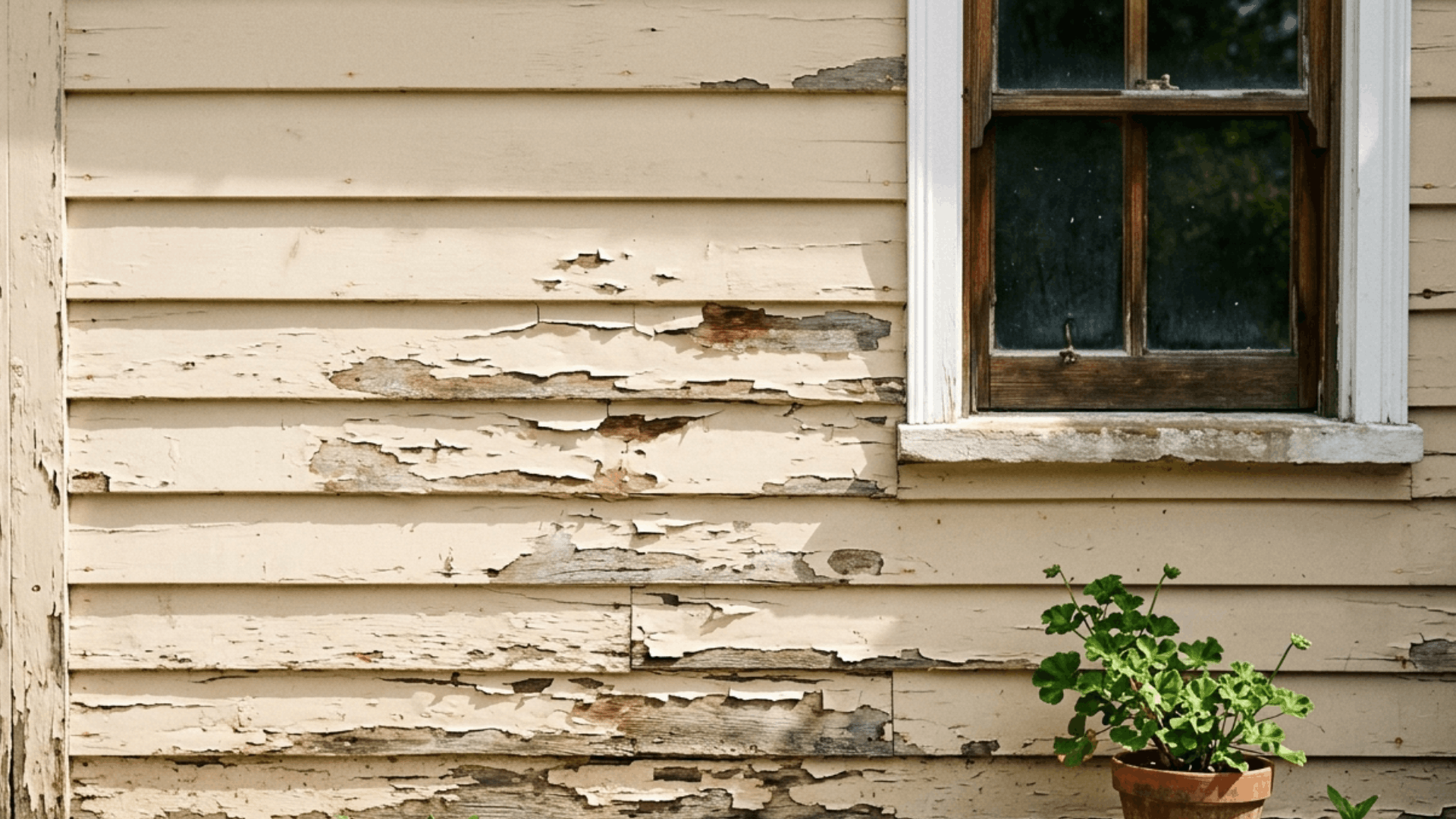
Satin or semi-gloss? They look almost identical on the label. But pick the wrong one and every crack, patch, and roller mark on your wall will be front and center.
The finish you choose changes how your room looks, how easy it is to clean, and how well it holds up over time.
In this blog, I’ll break down what actually separates these two finishes, which rooms each one belongs in, and how to make the right call before you get to the checkout counter.
Let’s get into it.
What’s the Actual Difference Between Satin and Semi-Gloss?
Both satin and semi-gloss start from the exact same paint base. The only thing that separates them is how much resin is mixed in.
More resin means more shine. That’s the whole secret. There’s no special formula, no different chemistry. Just a ratio.
Satin paint reflects roughly 35-40% of light. It gives your wall a soft, quiet glow. Not flat, not shiny. Think of how polished stone looks in natural light. That’s satin.
And yes, satin paint is shiny, but barely. Up close, you’ll notice it. From across the room, it just looks clean and smooth.
Semi-gloss paint reflects about 45-55% of light. You’ll notice the difference the moment light hits the wall. It’s brighter, sharper, and has a polished look that satin simply doesn’t.
A full paint sheen chart makes this difference easier to see because satin and semi-gloss sit close together, but they reflect light, hide flaws, and handle cleaning in very different ways.
| Feature | Satin | Semi-Gloss |
|---|---|---|
| Sheen Level | 35–40% | 45–55% |
| Appearance | Soft glow | Polished shine |
| Hides Imperfections | Yes | No, amplifies them |
| Moisture Resistance | Moderate | High |
| Washability | Good | Excellent |
| Best For | Walls, hallways, bedrooms | Trim, kitchens, bathrooms |
| Feel to Touch | Velvety, eggshell-like | Slightly plastic, smooth |
Pro tip: Already have paint on your walls and not sure which finish it is? Run your finger across it. Semi-gloss feels slightly slick and plastic-like. Satin feels softer, closer to the surface of an eggshell.
One More Choice You Will Face at the Store
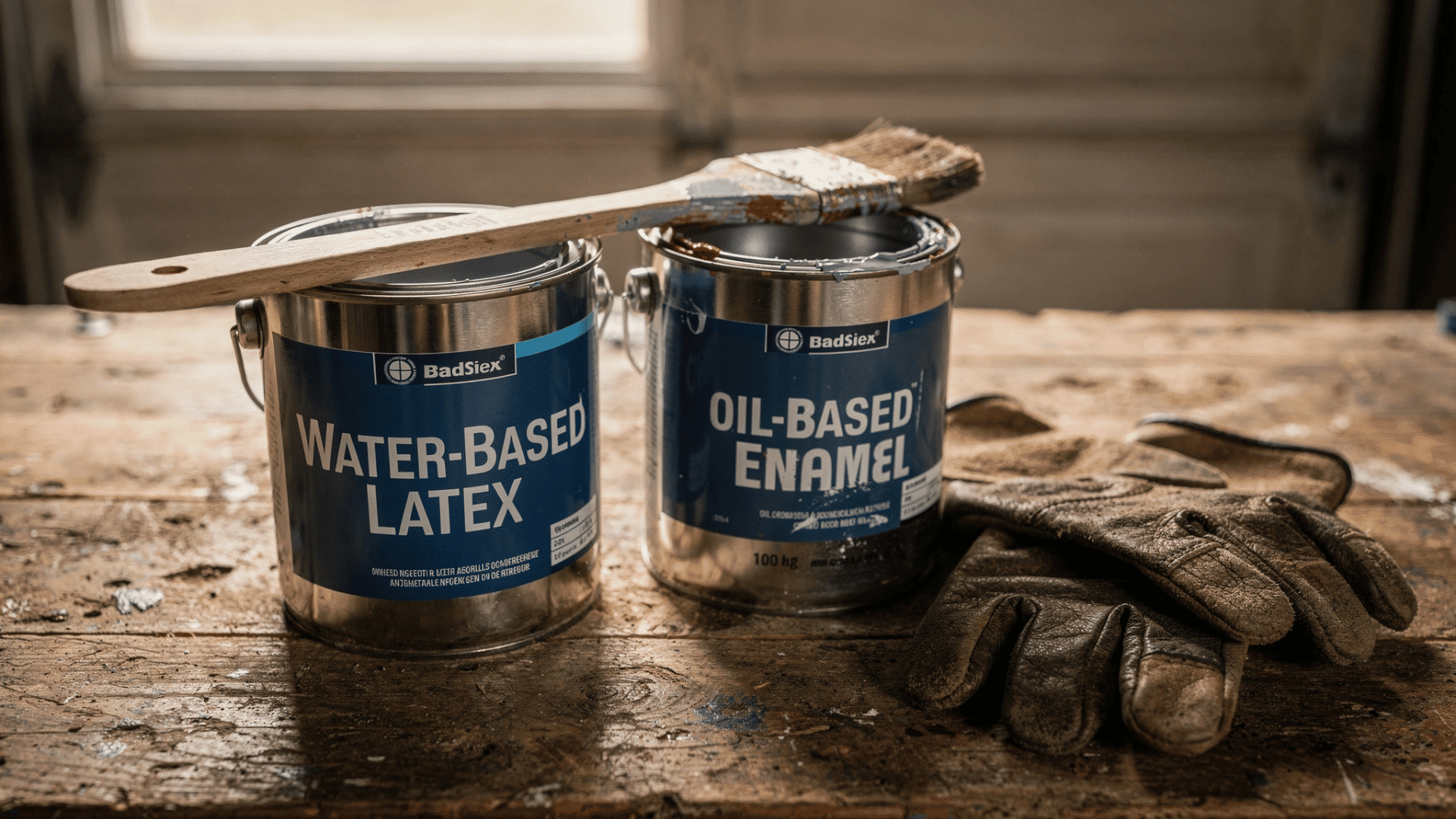
Once you pick your finish, the label will hit you with another decision: water-based or oil-based. Here is what each one actually means for your project.
Water-based (latex):
- Dries in a couple of hours, so you can apply a second coat the same day
- Barely any smell, which matters if you are painting indoors with kids or pets around
- Clean your brushes with just water, no solvents needed
- Stays true to its original color over time and does not yellow
Oil-based (enamel):
- Takes at least 16 hours to dry between coats, sometimes longer in humid conditions
- Strong fumes, so you need proper ventilation and longer airing out time
- Brushes need white spirit or turpentine to clean properly
- Goes on smoother and feels harder once fully cured
- Can yellow noticeably over time, especially in spots that get little to no natural light
For most people doing a DIY paint job, water-based is the better default. It is easier to work with, dries faster, and holds up well in most rooms. Oil-based is worth considering only if you are painting trim, doors, or surfaces that take real physical punishment daily.
Even then, know that a semi-gloss oil-based paint on a door under the stairs or in a windowless hallway can turn noticeably yellow within months.
Where Should You Actually Use Each Finish?
Here is where most people make the mistake. They pick a finish they like the look of and use it everywhere. That is how you end up with a bathroom that looks dull or a living room that feels like a hospital corridor.
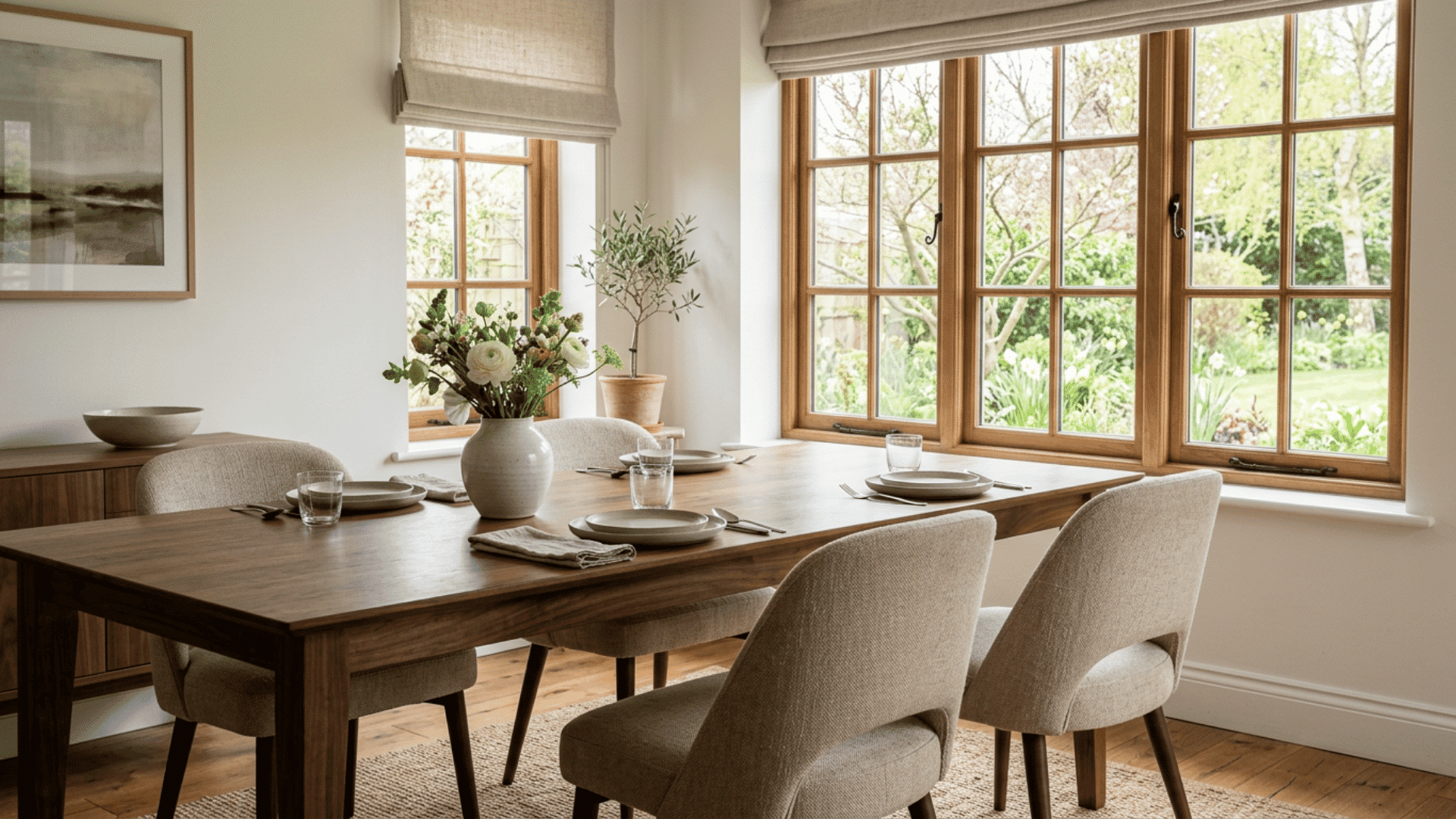
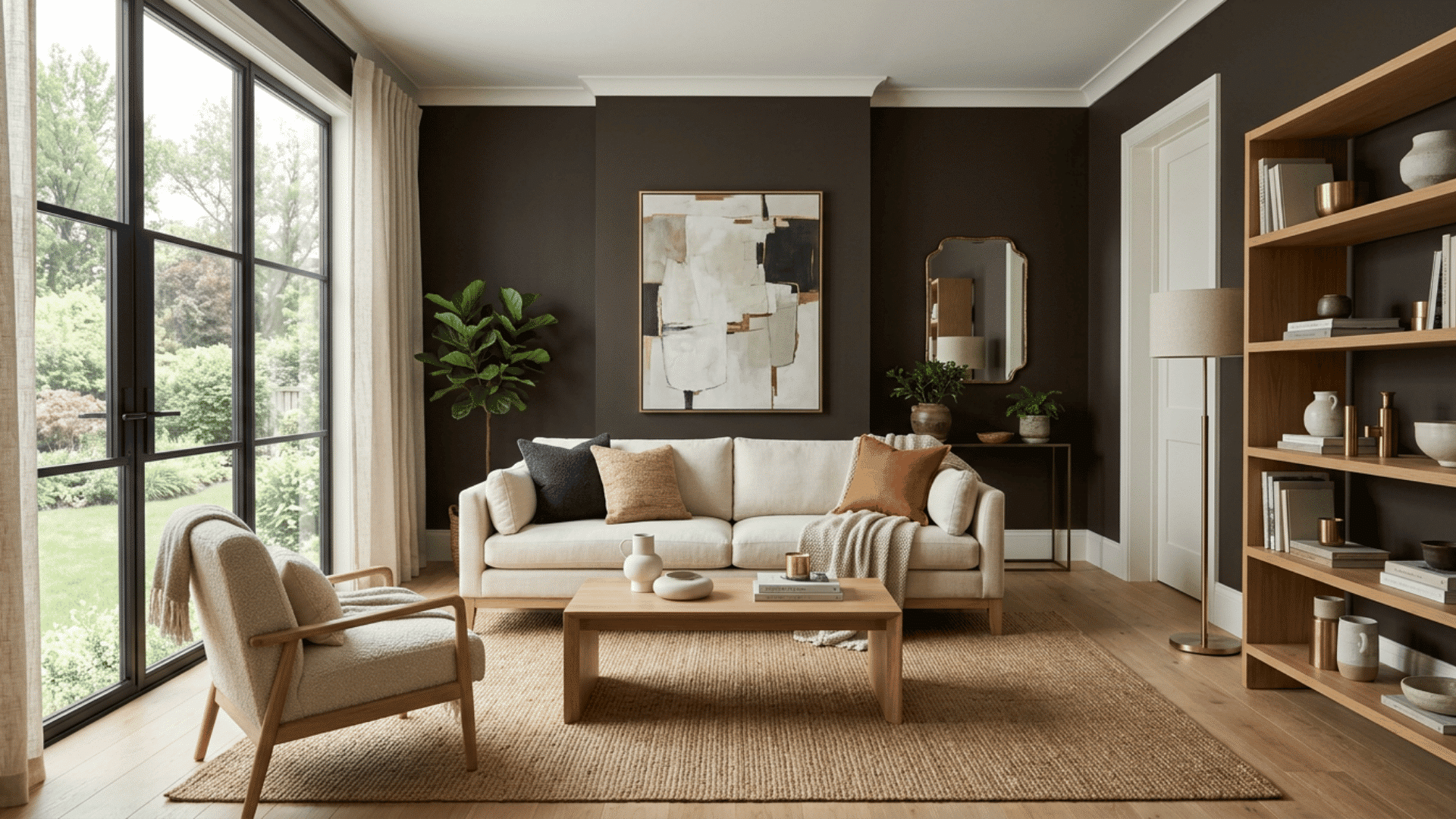
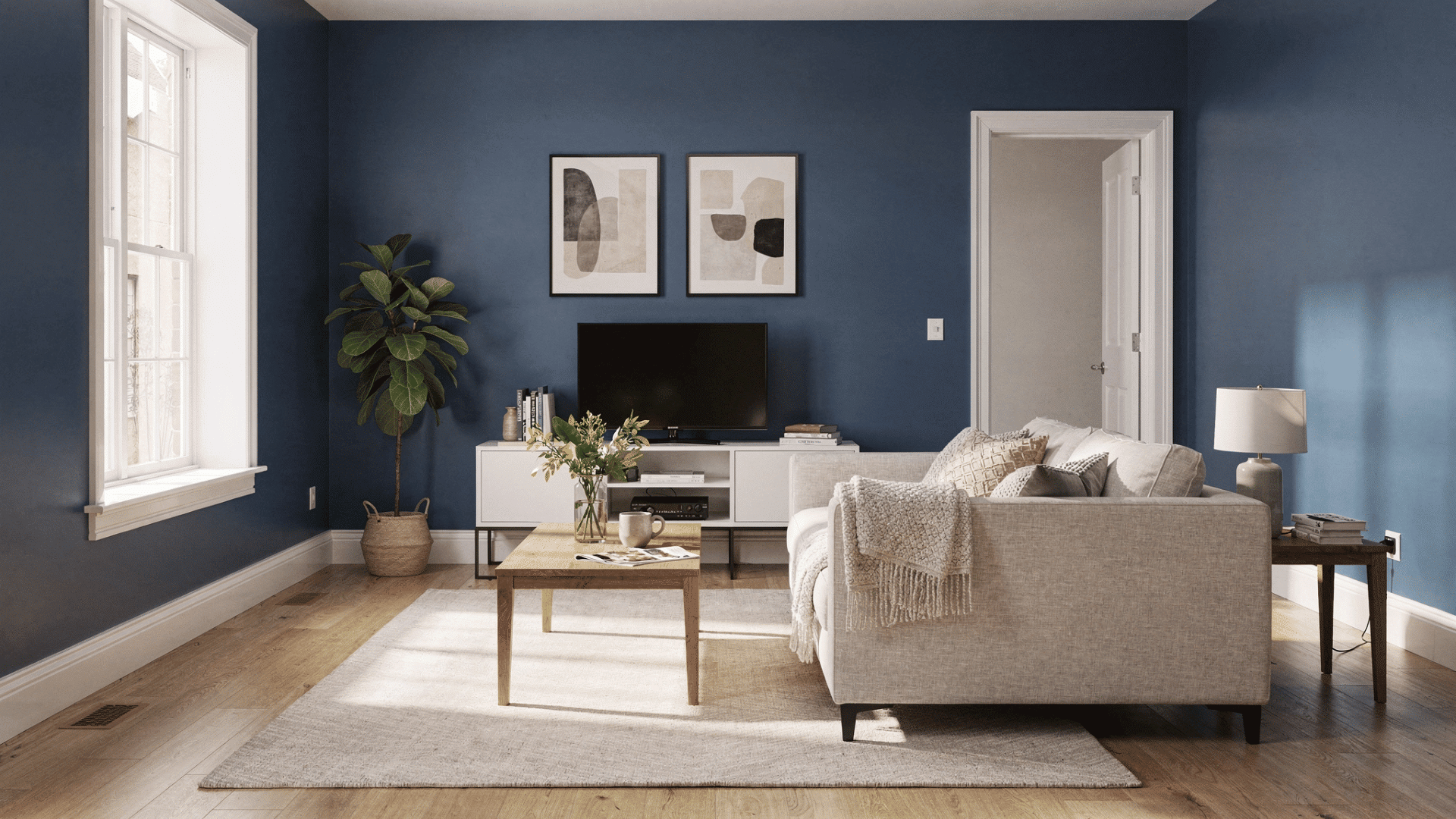
- Satin: Living rooms, hallways, kids’ rooms, and dining rooms. Basically, anywhere you want the walls to feel warm and relaxed. Satin is forgiving. It hides the scuffs, the old nail holes, the patches from when you moved the TV three times. It also works surprisingly well on trim and molding if you want a softer, more unified look across the room.
- Semi-gloss: Kitchens, bathrooms, laundry rooms, baseboards, doors, and cabinets. Anywhere that sees moisture, grease, sticky fingers, or frequent wiping. Semi-gloss does not absorb any of that. It sits on the surface and wipes clean.
- The combo most designers actually use: Satin on the walls, semi-gloss on the trim. This is the most common finish pairing in professional interior design and for good reason. The satin keeps the walls soft and easy to live with. The semi-gloss on the trim and doors creates a subtle contrast that makes the room feel more intentional and put together, without being loud about it.
Your trim should always be shinier than your walls. It frames the room the same way a border frames a painting.
Your Paint Finish Changes How the Room Feels, Not Just How It Looks
Most blogs will tell you satin is for walls and semi-gloss is for trim, and leave it at that. But the finish you choose also changes the light in your room, and that changes everything else.
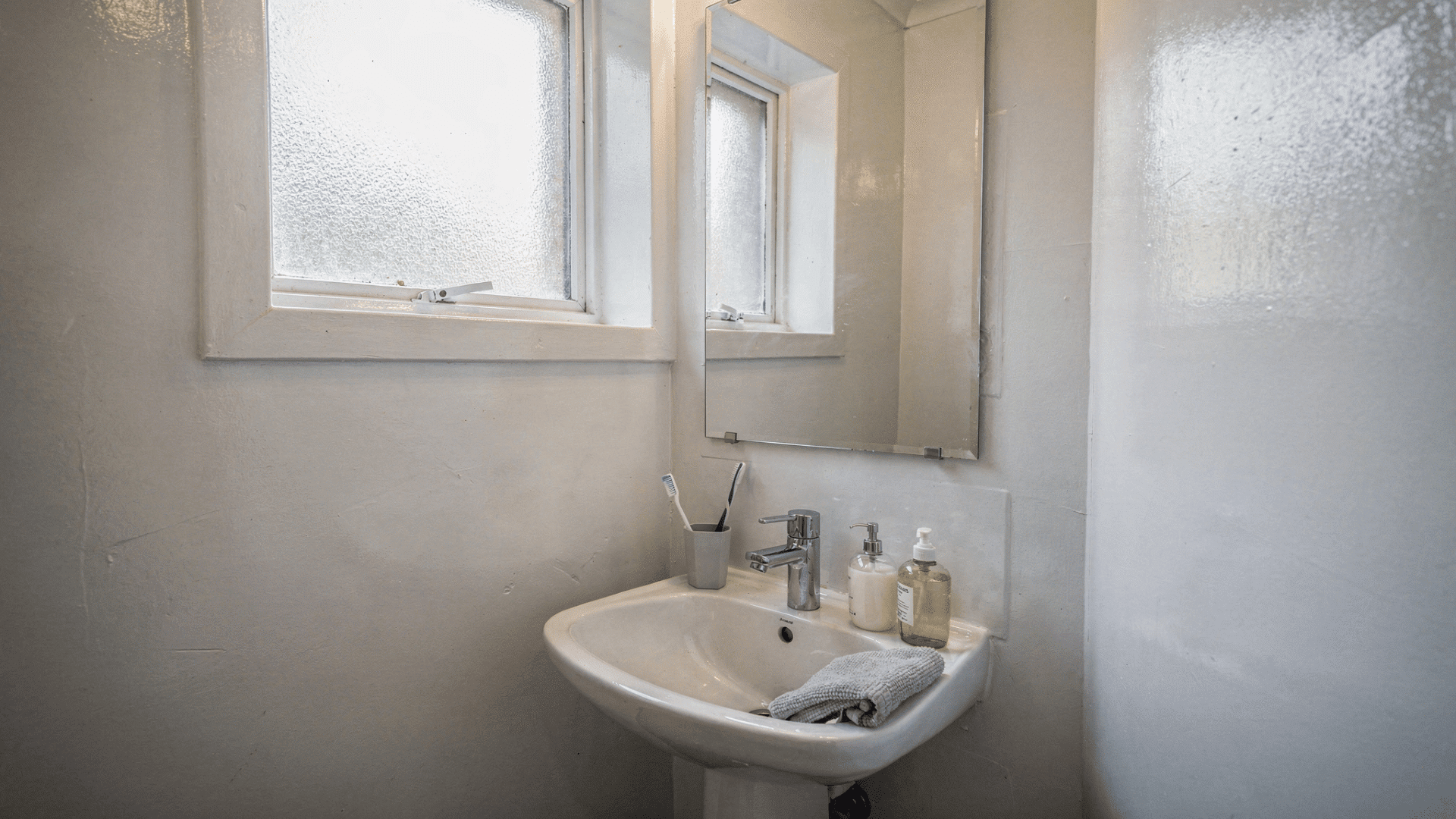
Semi-gloss bounces light around. In a small room or a dark room, that extra reflection makes the space feel bigger and more open. In a bathroom with one small window, semi-gloss on the walls can do more for brightness than any light fixture.
Satin pulls light in. In a large, bright room with south-facing windows, satin keeps things from feeling washed out or clinical. It adds warmth.
Here is something almost no one mentions: the same paint color looks slightly different depending on the finish you use.
Satin absorbs more light, so the color reads a little deeper and richer. Semi-gloss reflects more light, so the same color looks slightly lighter and crisper on the wall.
This is why you should never pick a color from a small chip at the store. Get a sample pot, paint a patch on your actual wall, and look at it in the morning, afternoon, and at night under your lights.
The finish and the light together tell you what the color will actually look like once the room is done.
The Touch-Up Problem Nobody Talks About
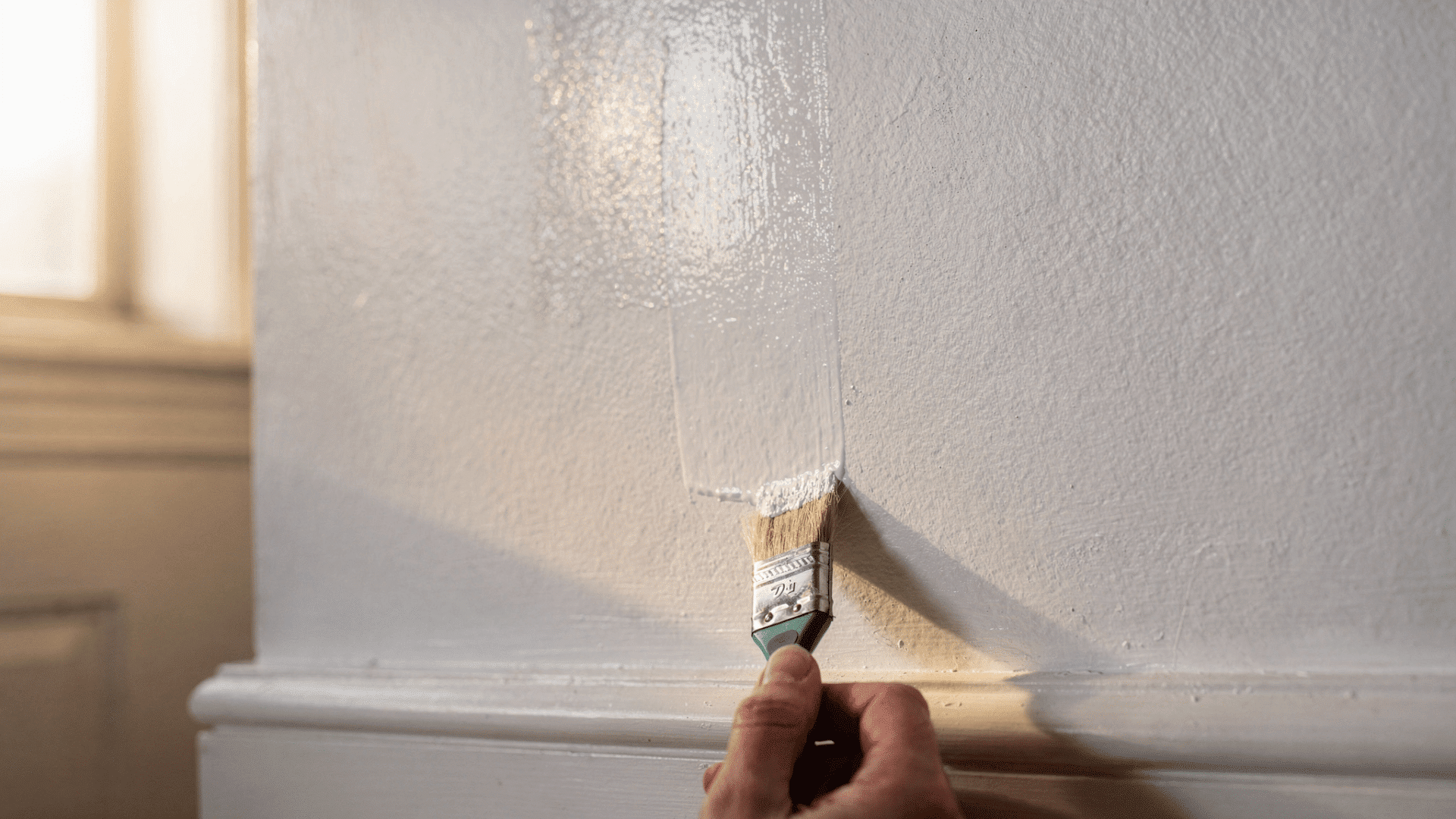
Here is something that will save you a headache six months from now.
Semi-gloss is genuinely hard to touch up without it showing. Even if you use paint from the exact same can, a touched-up patch will often look different once it dries. Here is why:
- The sheen catches light at slightly different angles depending on how thickly it was applied
- How the paint dried and how old the surrounding coat is both affect the final look
- Your eye picks up that inconsistency immediately, especially under direct or natural light
Satin is much more forgiving. The lower sheen diffuses those small differences so a touch-up blends in far better.
Who this matters most for:
- Renters who need walls looking clean before moving out
- Parents whose kids treat walls like sketchbooks
- Anyone who moves furniture often and patches walls regularly
A finish you can touch up invisibly is worth more in the long run than one that cleans slightly easier but shows every repair.
One practical thing to do: Keep your leftover paint in an airtight container and label it with the room and the date. Both finishes shift slightly as the paint ages. If you touch up a three-year-old semi-gloss wall with a fresh tin from the same brand, it will still look off under direct light. Your original batch is always the closest match you have.
Where Most DIYers Go Wrong With Application
A good quality satin can actually be more washable and stain-resistant than a cheap semi-gloss.
The finish level sets the starting point, but what is inside the can decides how far you actually get. Do not assume semi-gloss automatically wins just because it sits higher on the sheen chart. Brand quality and formula matter just as much as the finish name on the label.
In simple terms, a better can of satin will outperform a cheaper can of semi-gloss almost every time. Buy the best quality you can within your budget, then choose your finish.
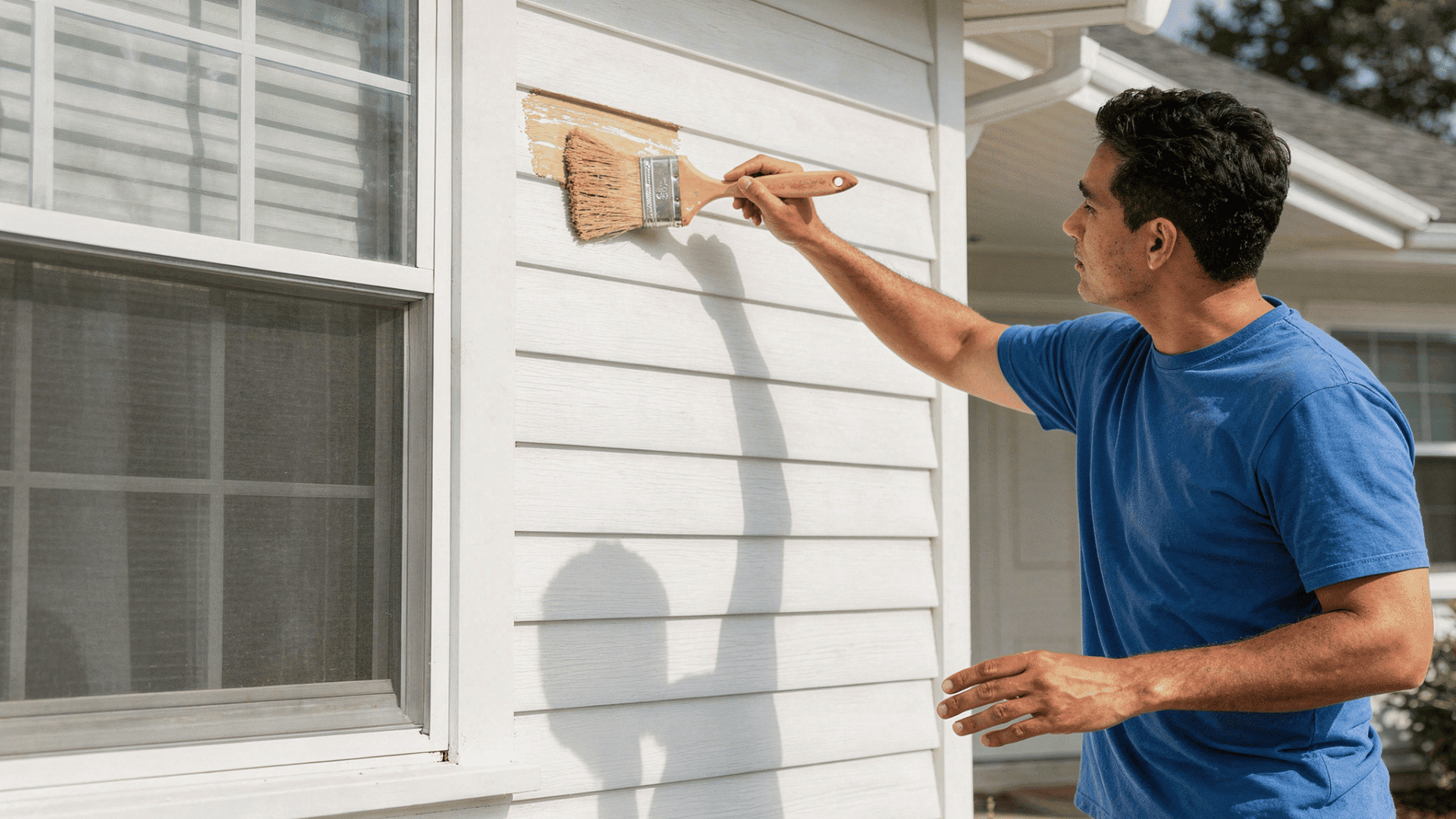
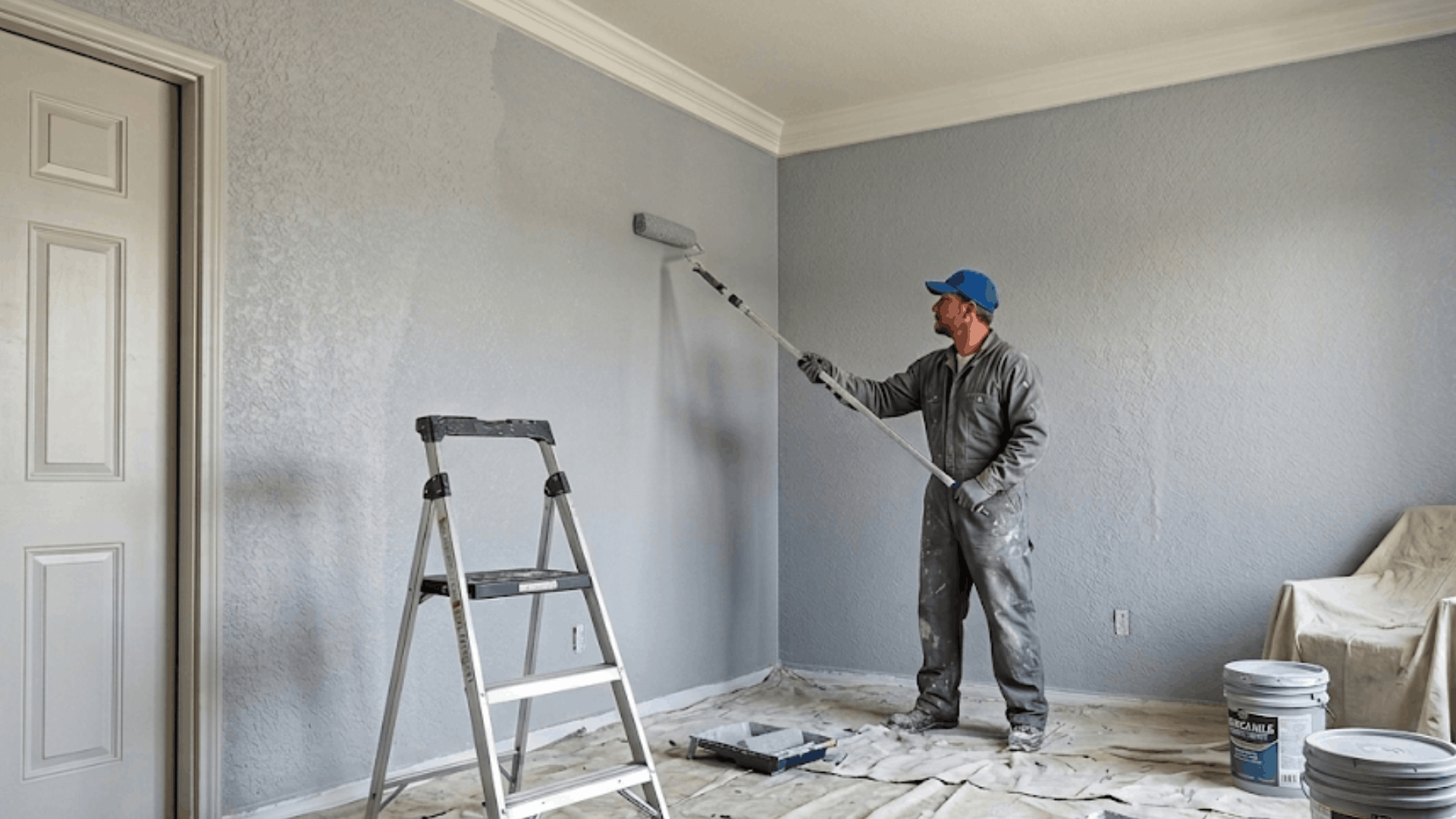
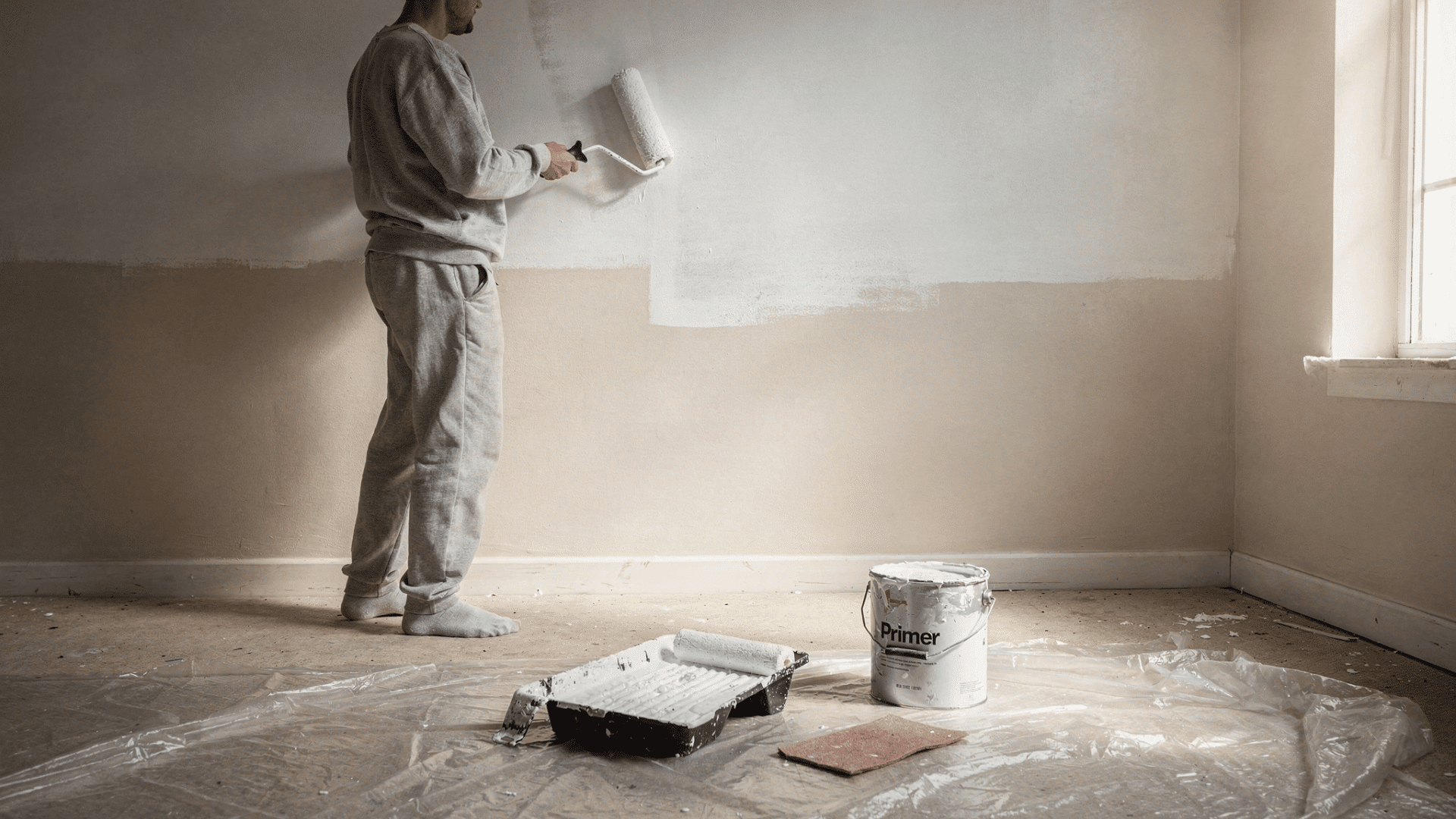
The finish is only half the battle. How you apply it decides whether the final result looks professional or patchy. Here are the mistakes I see most often:
- Testing color from store chips: Paint chips lie. The lighting in a hardware store is completely different from your room. Always buy a sample pot and test it on your actual wall before committing to a full can
- Skipping prep before semi-gloss: Semi-gloss punishes poor preparation. Every dent, brush stroke, lap mark, and roller bubble gets amplified once the light hits it. Sand, fill, and prime before you even open the can
- Applying one thick coat: It takes longer to dry, drips more, and cures unevenly. Two or three thin coats always give a cleaner, more durable finish
- Not stirring satin properly: The additive that controls sheen level settles at the bottom of the can during storage. If you do not stir it thoroughly before use, you will get a patchy, inconsistent sheen across the wall
- Skipping primer on patched surfaces: Bare patches and filled holes absorb paint differently from the rest of the wall. Without primer, those spots show through even after two coats, especially with semi-gloss
So, Which One Should You Pick?
Here is a simple way to decide. No overthinking needed.
Go with satin if:
- Your walls have imperfections, old patches, or uneven texture
- You have kids, pets, or a generally busy household
- The room gets a lot of natural light, and you want it to feel warm, not bright
- You know you will be touching up walls at some point
Go with semi-gloss if:
- The surface deals with moisture, steam, or grease regularly
- You are painting trim, doors, cabinets, or baseboards
- The room is small or dark and needs more reflected light to feel open
- Easy cleaning matters more than hiding flaws
Use both if:
You want the finish combination that most professional painters actually use. Satin on the walls, semi-gloss on the trim. The satin keeps the walls soft and livable.
The semi-gloss on the trim and doors creates just enough contrast to make the room feel finished and intentional. Your trim should always carry more sheen than your walls. It defines the room without demanding attention.
Final Thoughts
By now, you have everything you need to make this decision with confidence.
Satin is your go-to for walls, high-traffic areas, and rooms where you want warmth without shine. Semi-gloss is built for trim, doors, kitchens, and bathrooms where moisture and frequent cleaning are part of daily life.
Use both together, and your room will look like it was done by someone who actually knew what they were doing.
Remember, the finish is not just about looks. It changes how your room feels, how easy it is to maintain, and how long your paint job holds up.
Get the quality right, prep your walls properly, and test your finish in your actual lighting before you commit.
Now it is your turn. Pick up a sample pot, test it on your wall, and see the difference for yourself. Got questions? Drop them in the comments.
Frequently Asked Questions
Is Satin Paint Shiny?
Yes, but softly. It has a quiet glow, not a mirror finish. Think polished stone, not glass.
Can You Use Semi-Gloss Paint on Walls?
You can, but it will show every flaw. It works best in small or dark rooms that need more reflected light.
Which Paint Finish Is Easier to Touch Up?
Satin. It blends touch-ups far better. Semi-gloss catches light inconsistencies even when you use paint from the same original can.
What Is the Difference Between Eggshell and Satin Paint?
Eggshell sits just below satin on the sheen scale. Less shiny, better at hiding flaws, but slightly harder to clean.