
Microfiber couches are soft, comfortable, and designed for daily use, but improper cleaning can leave watermarks, faded areas, or rough fabric.
The good news is that knowing how to clean microfiber couch fabric safely is not difficult when the correct cleaning method is used.
Simple cleaning steps and the right products can help remove dirt, spills, stains, and odors without damaging the material.
This guide explains the safest and easiest ways to clean microfiber couches at home.
Important topics include cleaning codes, the best microfiber couch cleaners, stain-removal methods, drying techniques, and common mistakes that can damage microfiber fabric.
Helpful tips for homes with children and pets are also included. Regular cleaning and proper care can help microfiber couches stay soft, clean, and fresh for a long time.
Things to Keep in Mind Before Cleaning
Microfiber fabric requires careful cleaning. A few simple precautions can help prevent stains and damage.
Check the Couch Cleaning Tag
Most microfiber couches include a cleaning code tag under the cushions.
What W, S, S-W, and X Mean
- W = Water-based cleaner only
- S = Solvent-based cleaner only
- S-W = Both cleaners are safe
- X = Vacuum or brush only
Using the wrong cleaner can leave permanent marks on microfiber fabric.
1. Always Test a Hidden Spot First
Before cleaning the full couch, spray a small hidden section, blot gently, and allow it to dry fully.
Testing helps prevent fading or discoloration.
This quick spot test also shows how the fabric reacts to moisture and cleaning products, so you can treat the entire couch before you start.
2. Avoid Overwetting the Fabric
Microfiber absorbs moisture quickly. Too much liquid can leave dark rings or stiff areas after drying. Light misting works much better than soaking.
Using a soft cloth to blot rather than rub can also help preserve the fabric’s texture and prevent marks from spreading.
Rubbing too hard may push stains deeper into the fibers and can make the couch look worn over time.
Working slowly with small amounts of cleaner gives better results and helps the microfiber dry more evenly.
If one area becomes too damp, use a dry towel to absorb extra moisture before it has time to settle into the fabric.
3. Use White Cloths Only
White microfiber towels or cotton cloths are usually the best choice because they are soft, absorbent, and less likely to scratch the fabric surface.
Using clean cloths for each section can also stop dirt from spreading from one area of the couch to another.
If a cloth becomes too wet or dirty, switch to a fresh one to avoid leaving streaks or damp spots behind.
They also make it easier to see how much dirt is being lifted from the fabric while you clean.
Materials Required
Basic household supplies are enough for cleaning most microfiber couches safely.
Basic Cleaning Supplies
- Vacuum with upholstery attachment
- White microfiber cloths or white towels
- Soft-bristle brush
- Sponge
- Spray bottle
Cleaning Solutions
- Mild dish soap
- Warm water
- Rubbing alcohol
Optional Supplies
- Baking soda for odors
- Fan for faster drying
Step-by-Step Guide on How to Clean a Microfiber Couch
Cleaning microfiber safely requires small sections, gentle products, and quick drying. Following the correct order can help prevent water rings, faded spots, and rough fabric.
Step 1: Check the Cleaning Tag and Vacuum the Couch
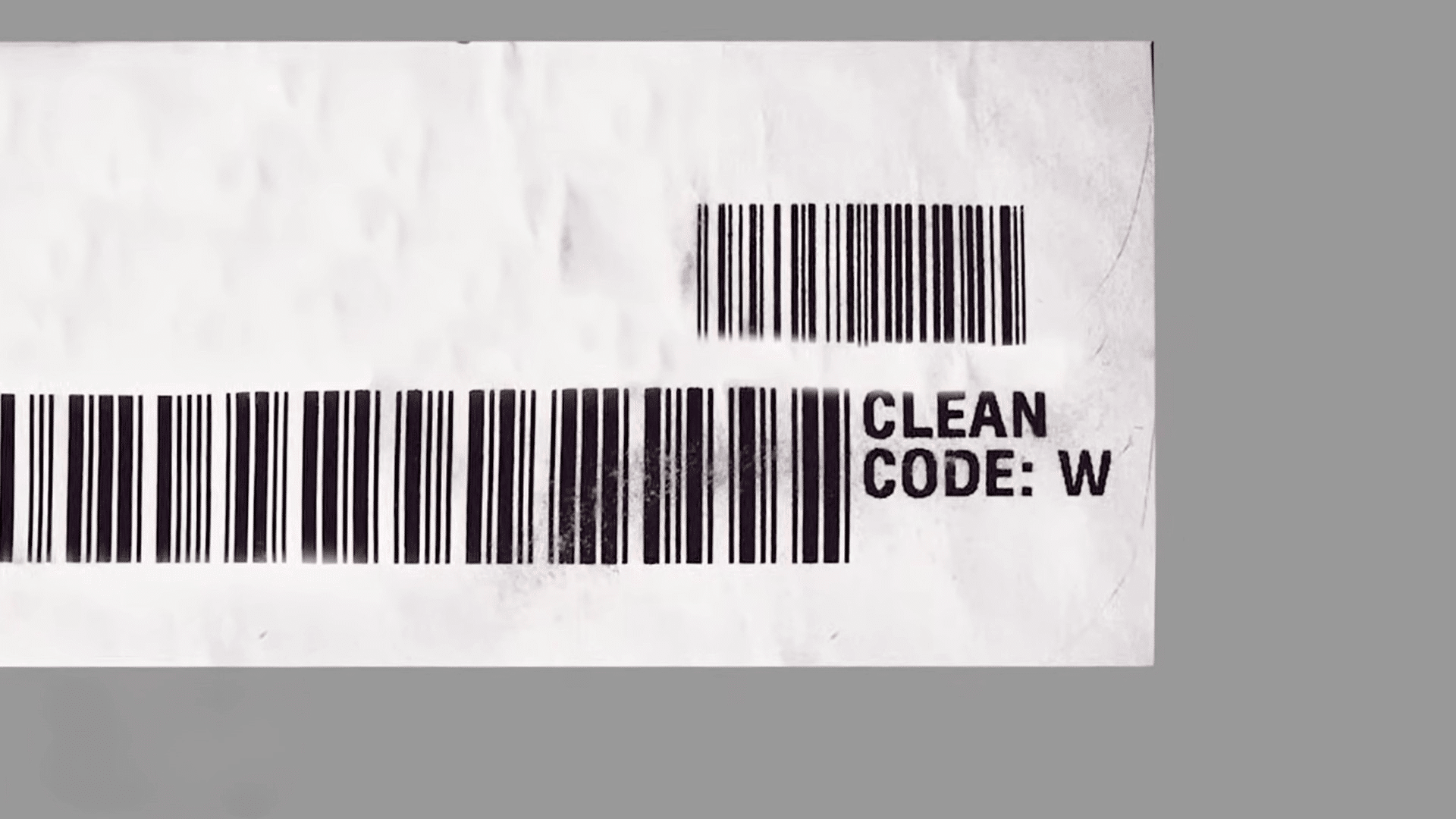
The first step is to check the cleaning tag attached to the cushions or beneath the couch. This label explains which type of cleaner is safe for the fabric.
A “W” code means water-based cleaners are safe, while an “S” code means solvent-based cleaners like rubbing alcohol should be used instead.
“S-W” means both methods work, and “X” means only vacuuming or brushing is safe.
After checking the tag, the entire couch should be vacuumed carefully to remove dust, crumbs, pet hair, and loose dirt.
Extra attention should be given to seams, corners, armrests, and the area beneath the cushions because dirt collects there quickly.
Vacuuming first helps prevent muddy streaks during cleaning.
Step 2: Prepare the Right Cleaning Solution
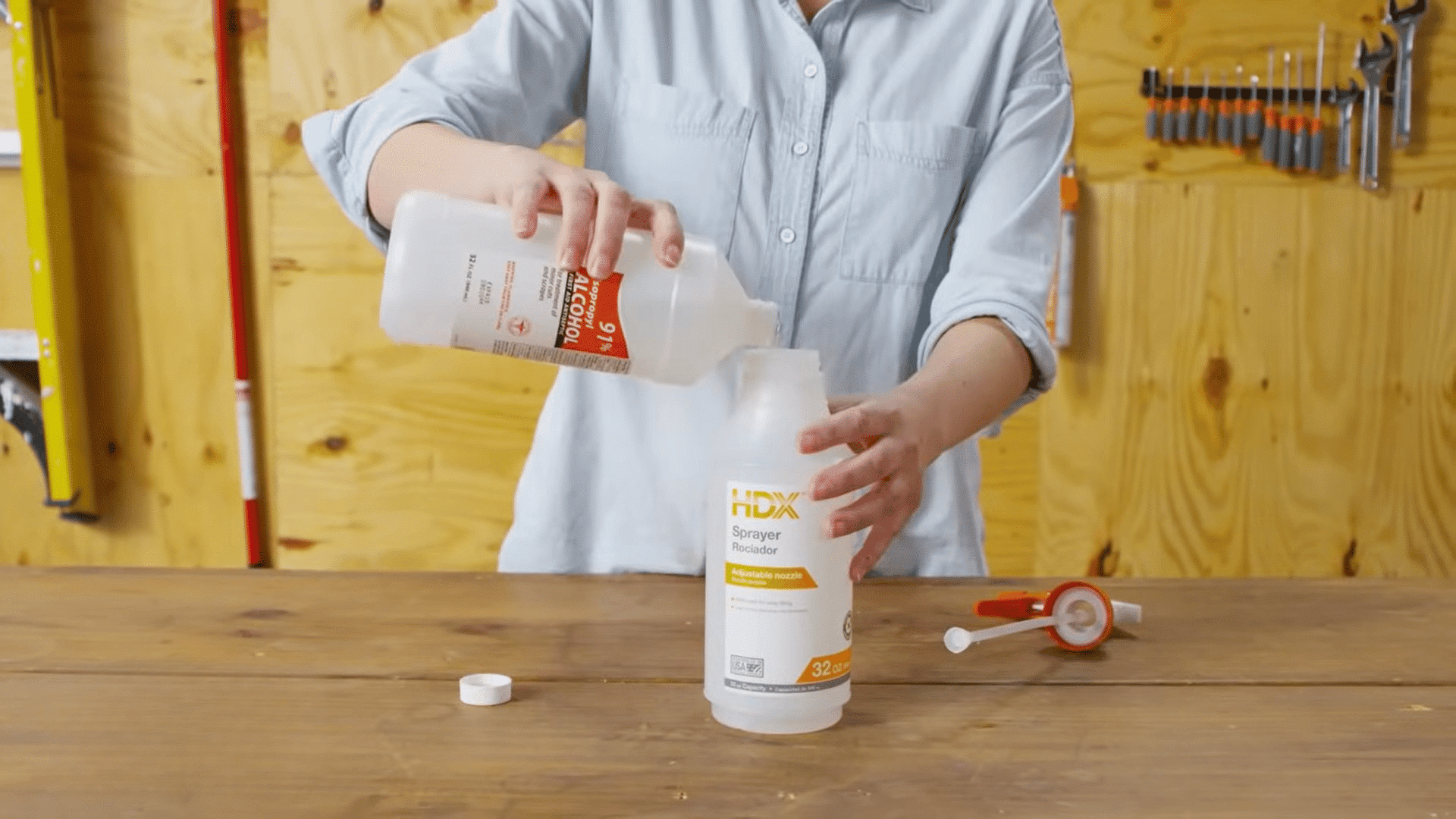
The cleaning solution should match the couch cleaning code. For “W” tag couches, a mild mixture of warm water and a small amount of dish soap works well.
For “S” tag couches, rubbing alcohol is usually the safer choice because it dries faster and reduces the chance of water rings.
The cleaner should always be dispensed from a spray bottle for light misting, rather than pouring liquid directly onto the couch.
Too much moisture can damage microfiber fabric and leave dark drying marks.
Step 3: Test the Cleaner Before Cleaning the Full Couch
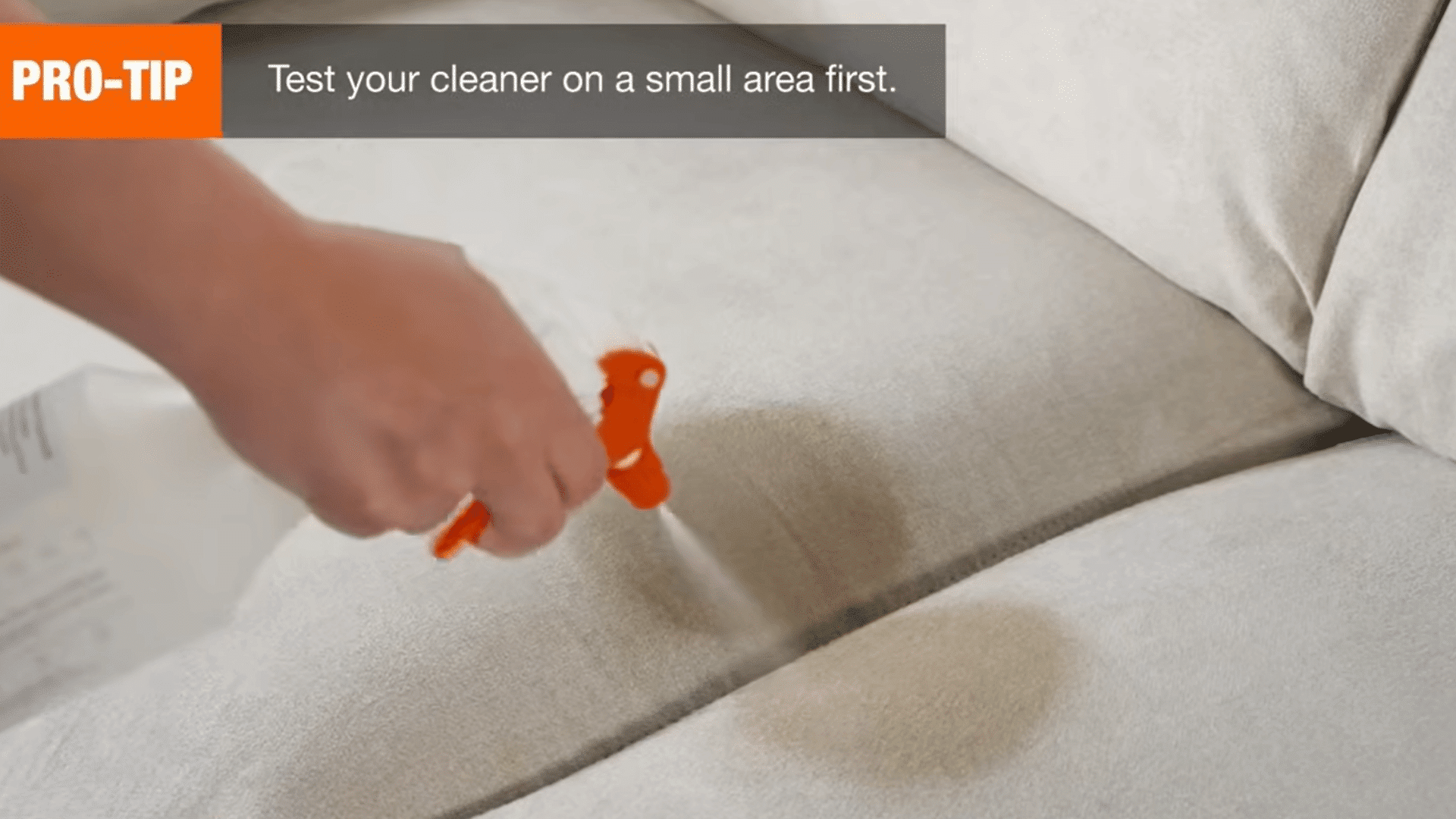
Before cleaning larger areas, the cleaner should be tested on a small hidden section of the couch.
A light spray, followed by gentle blotting, helps detect fading, discoloration, or rough texture changes. The test spot should dry completely before moving forward with the rest of the couch.
This simple step helps prevent accidental damage and confirms that the cleaner is safe for the microfiber fabric.
Step 4: Clean Small Sections One at a Time
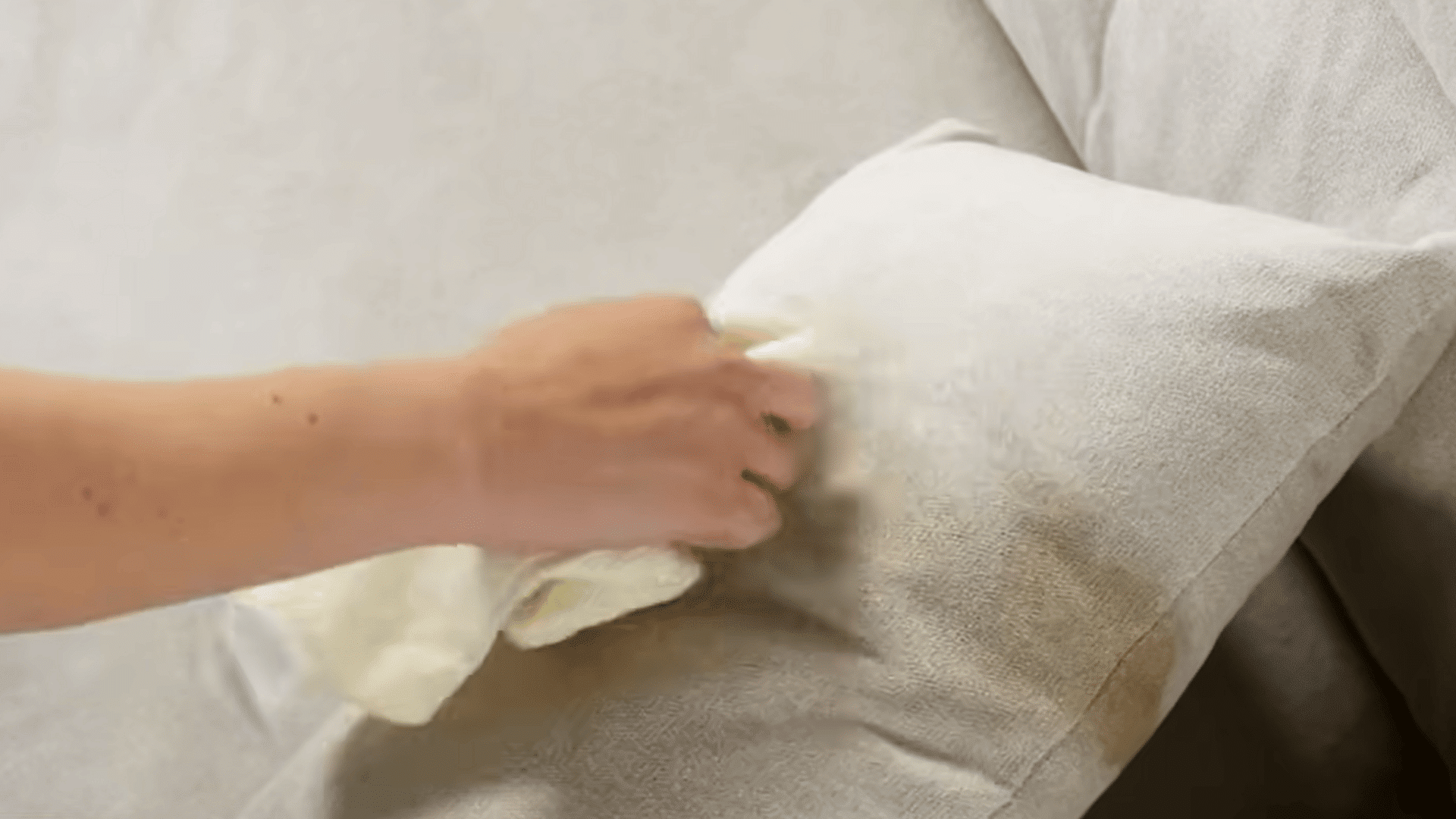
Cleaning should begin in small sections to prevent uneven drying.
A light mist of cleaner should be sprayed onto one area at a time, followed by gentle circular cleaning using a sponge or soft brush.
Armrests, cushions, and stained areas often need extra attention because they collect oils, dirt, and food spills faster than other sections.
After cleaning each section, use a dry white cloth immediately to blot excess moisture.
Heavy soaking should always be avoided because microfiber absorbs liquid quickly and can develop water rings.
Step 5: Remove Tough Stains Carefully
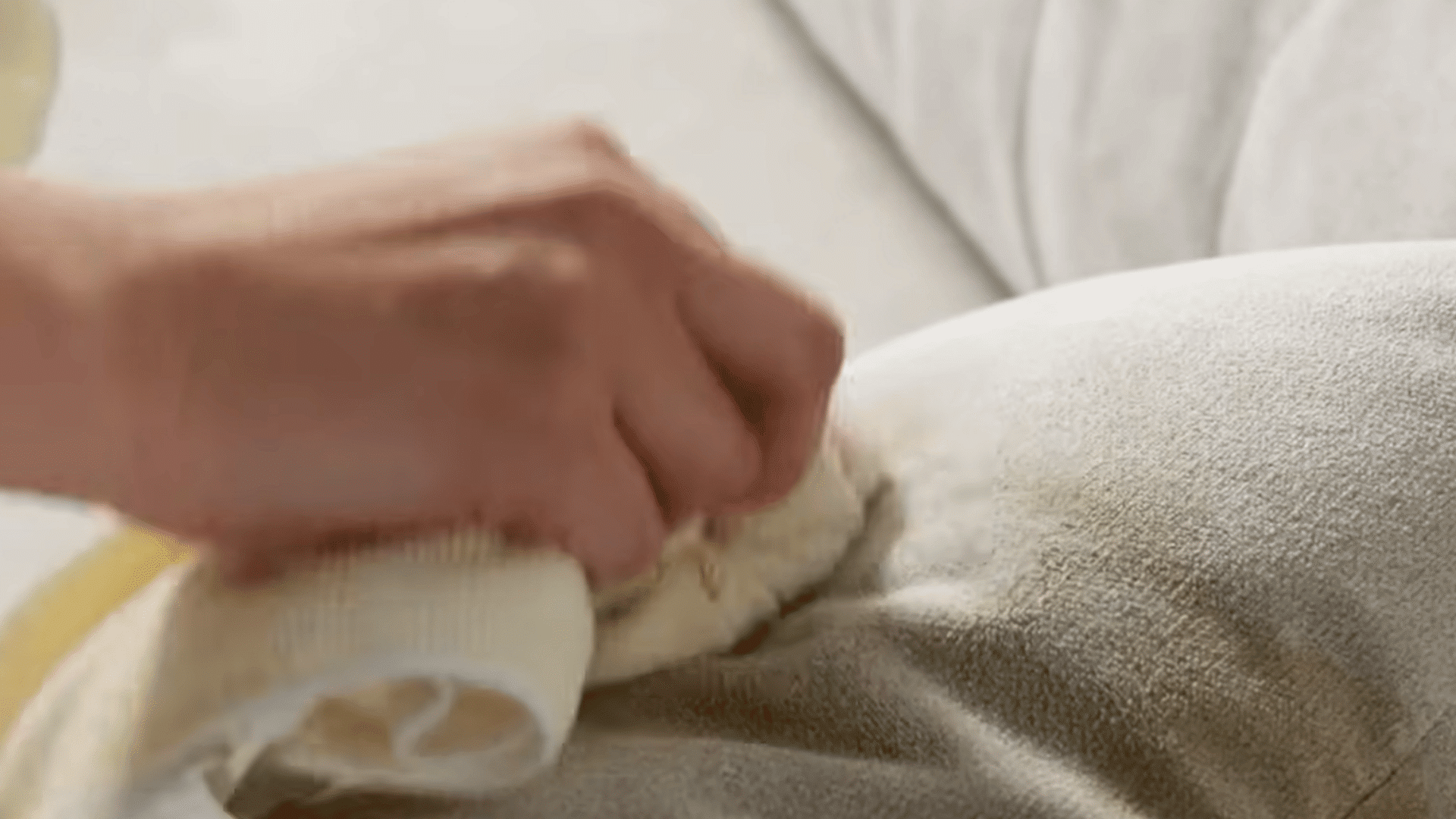
Sticky spills, grease stains, makeup marks, and food stains may need extra cleaning. A small amount of rubbing alcohol can help loosen stubborn dirt without leaving heavy moisture behind.
Gentle brushing combined with repeated blotting usually works best for difficult stains. Aggressive scrubbing should always be avoided because microfiber fibers can become rough or damaged easily.
Step 6: Dry and Brush the Couch Properly
Fast drying is very important after cleaning the microfiber fabric. Open windows and fans can help improve airflow and reduce drying time.
Slow drying often causes water rings, stiff fabric, or musty smells.
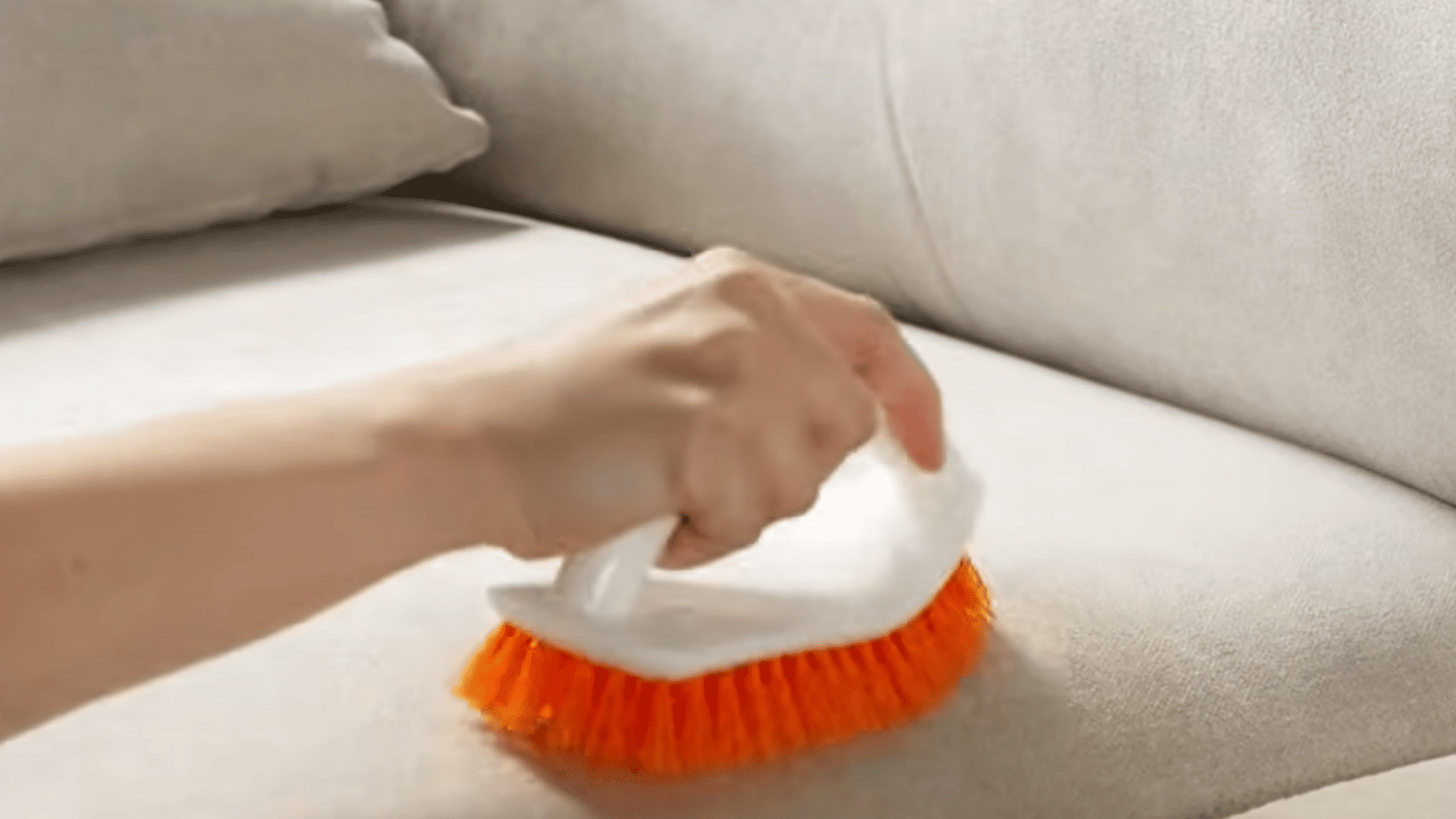
Once the couch is fully dry, a soft-bristle brush should be used in gentle circular motions to lift flattened fibers and restore the soft texture of the microfiber.
This tutorial is based on a helpful video by TheHomeDepot. You can check out the original videobelow.
Kid-Friendly Cleaning Tips
Keeping up with small cleanups and regular care can make a microfiber couch much easier to maintain in a busy home with kids and pets.
| What to Do | Why It Helps |
|---|---|
| Blot spills immediately with a dry white cloth. | Helps prevent stains from setting into the microfiber fabric. |
| Use rubbing alcohol gently on sticky or greasy spots. | Removes tough messes without leaving heavy moisture behind. |
| Vacuum the couch once every week. | Keeps crumbs, dust, and pet hair from building up. |
| Dry-cleaned areas quickly using fans or open windows. | Helps reduce water rings and musty smells after cleaning. |
Best Homemade Microfiber Couch Cleaner
Here are some of the best microfiber couch cleaners you can make or find at home:
1. Dish Soap and Warm Water Cleaner
A mild dish soap mixture works well for microfiber couches with a “W” cleaning code. Mixing a small amount of dish soap with warm water can help remove dirt, light stains, and everyday buildup without damaging the fabric.
The solution should always be sprayed lightly instead of soaking the couch because excess moisture can leave water rings after drying.
2. Rubbing Alcohol Cleaner
Rubbing alcohol is one of the most common homemade solutions for microfiber couches with an “S” cleaning code. It dries faster than water-based cleaners, which helps reduce dark moisture marks on the fabric.
This method works especially well for grease stains, sticky spills, and heavily used armrests or cushions.
3. Baking Soda for Odors
Baking soda can help remove unwanted smells from microfiber fabric. A light layer can be sprinkled across the couch and left for a few hours before vacuuming completely.
This simple method helps freshen microfiber couches without adding moisture.
Which Homemade Cleaner Works Best?
The best homemade microfiber couch cleaner depends on the cleaning code and stain type. Dish soap solutions work well for light cleaning, while rubbing alcohol is often better for faster drying and stubborn stains.
Gentle cleaning and small amounts of moisture usually give the safest results on microfiber fabric.
At the End
Learning how to clean microfiber couch fabric properly can help prevent stains, water marks, and rough texture.
Gentle cleaning methods, small amounts of moisture, and quick drying are the safest ways to keep microfiber couches in good condition.
Using the correct microfiber couch cleaner and handling spills quickly can help microfiber fabric stay soft, clean, and fresh for many years.
From personal experience, quick stain cleanup and regular vacuuming usually make the biggest difference in keeping microfiber couches looking fresh.
Frequently Asked Questions
What is the Best Microfiber Couch Cleaner?
Water-based cleaners work well for “W” tag couches, while rubbing alcohol is often better for “S” tag microfiber because it dries quickly and helps reduce water marks.
Why does Microfiber Leave Water Rings?
Water rings usually appear when too much moisture is used during cleaning. Light misting and fast drying help reduce this problem.
How Often Should a Microfiber Couch be Cleaned?
Vacuuming once a week helps remove dust, crumbs, and pet hair before buildup becomes heavy. Deep cleaning every few months is usually enough unless frequent spills or stains happen.
Can a Microfiber Couch be Steam Cleaned?
Steam cleaning is usually not recommended for microfiber fabric. Excess heat and moisture can damage the fibers and leave permanent marks or stiffness.