
I’ve worked on wood furniture for years, and I’ve seen how a simple polish can bring old pieces back to life.
Many people ask me how to polish wood furniture without leaving marks or causing damage, and the answer is simple.
You clean the surface first, then apply a small amount of polish using a soft cloth, and gently buff it to bring out the shine.
In this guide, we will walk through how to polish wood furniture the right way using easy steps and safe products. You’ll learn how to clean, polish, and protect your furniture so it stays smooth and bright.
Most wood surfaces only need polishing every few months. Doing it too often can wear down the finish rather than help it.
If you want your furniture to look clean, shiny, and last longer, this guide will help you do it right.
Why Polishing Wood FurnitureMatters?

Polishing wood furniture matters because it protects the surface, keeps it clean, and helps it stay shiny longer. I’ve seen this myself when I ignored polishing for a few months, and the wood started to look dry and lifeless.
When you polish furniture, you add a light layer that shields it from dust, moisture, and small scratches.
This makes daily cleaning easier and stops dirt from sticking to the surface. It also helps bring back the natural shine that fades with regular use.
I’ve also noticed that polished furniture feels smoother to touch and looks more cared for. Over time, this simple step can help prevent cracks and wear.
From what I have learned, regular polishing is one of the easiest ways to keep wood furniture looking fresh and lasting for years without costly repairs.
What You Need Before You Start?
Before you begin, having the right tools makes the job easier and safer. You don’t need expensive products, just a few basic items that get the job done well.
- Soft microfiber cloth
- Dry lint-free cloth
- Mild wood cleaner
- Wood furniture polish
- Soft brush
- Gloves (optional)
How to Clean Wood Furniture Properly First?
Cleaning wood furniture first is important because polish only works well on a clean surface.
If this step is skipped, dust and dirt can get trapped under the polish, causing fine scratches and leaving a dull, uneven finish instead of a smooth shine.
Start by removing loose dust with a soft, dry cloth. Wipe gently so the dust lifts off instead of spreading around. Pay close attention to corners and edges where buildup is common.
If the surface feels sticky or has marks, use a slightly damp cloth with a mild cleaner. The cloth should not be too wet, as excess moisture can damage the wood or leave stains.
Always wipe along the grain to keep the surface smooth. After cleaning, let the furniture dry fully before applying polish. If polish is used on a damp surface, it may not spread evenly and can leave streaks.
This step prepares the wood so the polish can sit properly, giving a clean, smooth, and lasting shine.
How to Polish Wood Furniture the Right Way
Polishing wood furniture the right way helps create a smooth, even finish that looks clean and lasts longer. If the process is rushed or done incorrectly, the surface may appear uneven, sticky, or dull rather than shiny.
Step 1: Prepare the Surface
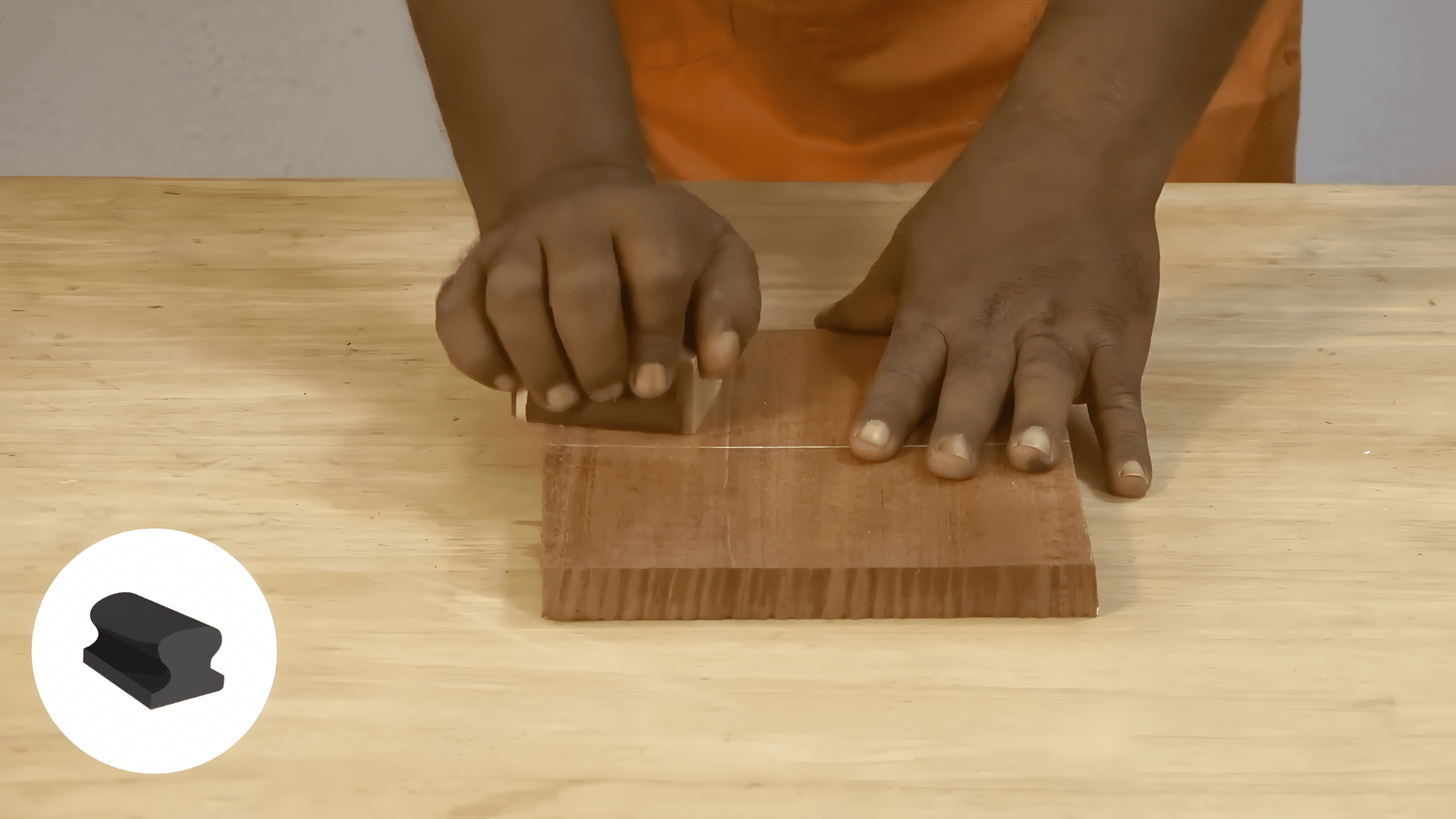
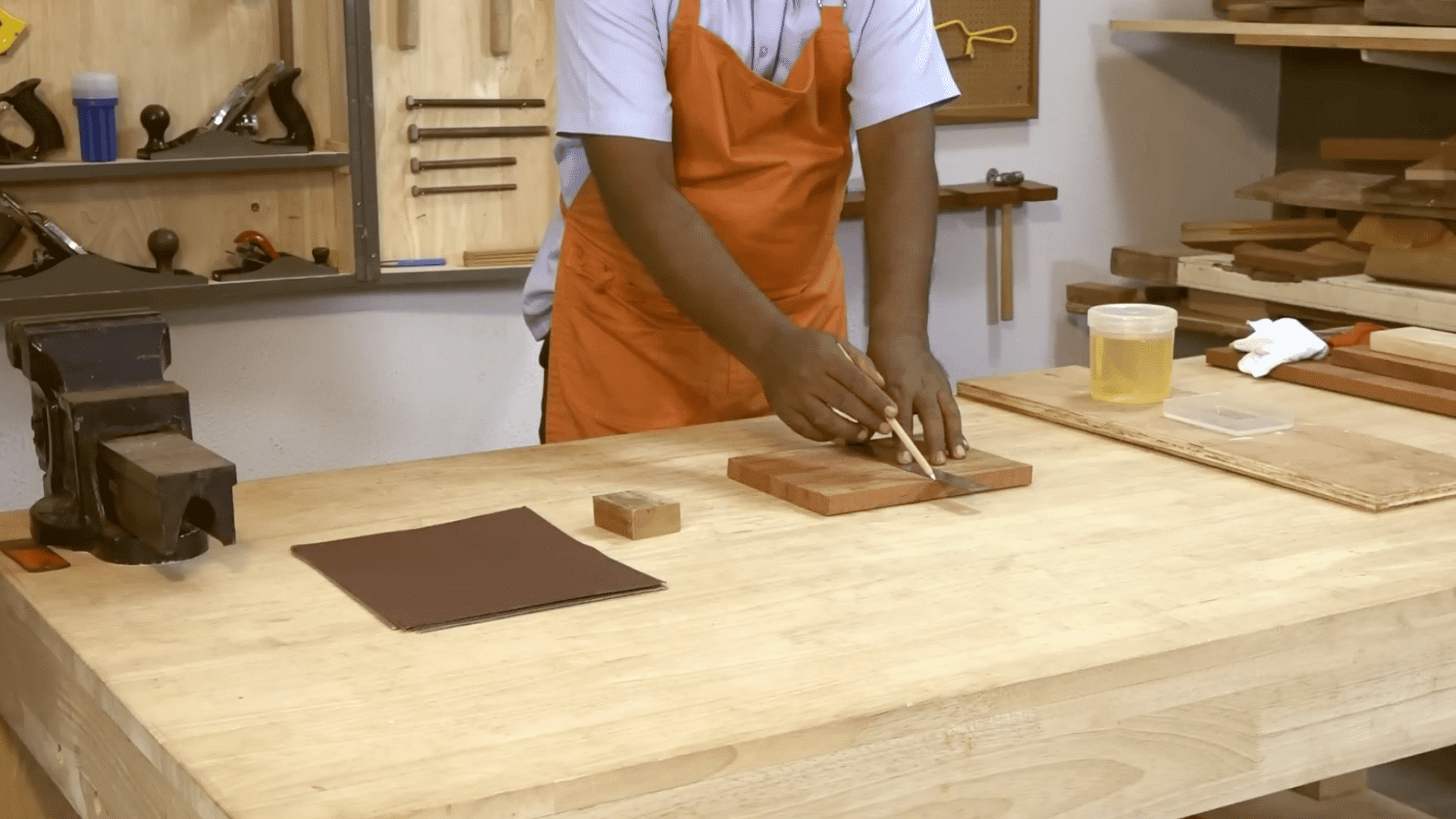
Start by inspecting the wood surface for dust, rough areas, or old polish buildup. Light sanding with fine-grit sandpaper helps smooth out small imperfections and improves how well the polish sticks.
Always sand in the direction of the grain to prevent scratches and uneven marks. After sanding, remove all dust using a soft cloth or brush.
Any remaining dust can mix with polish and create a rough or cloudy finish, reducing the overall shine and smoothness of the surface.
Step 2: Apply a Sealer
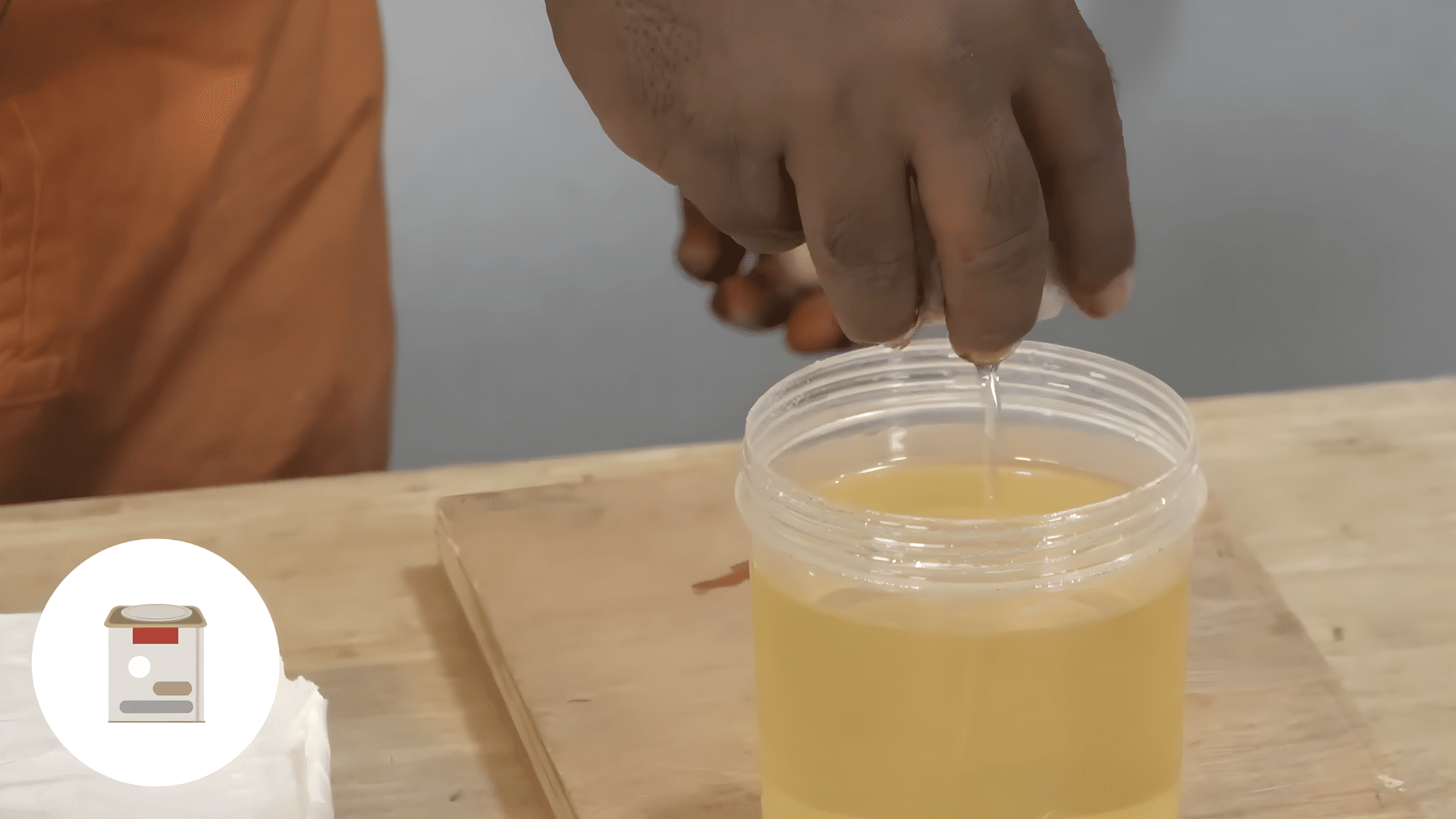
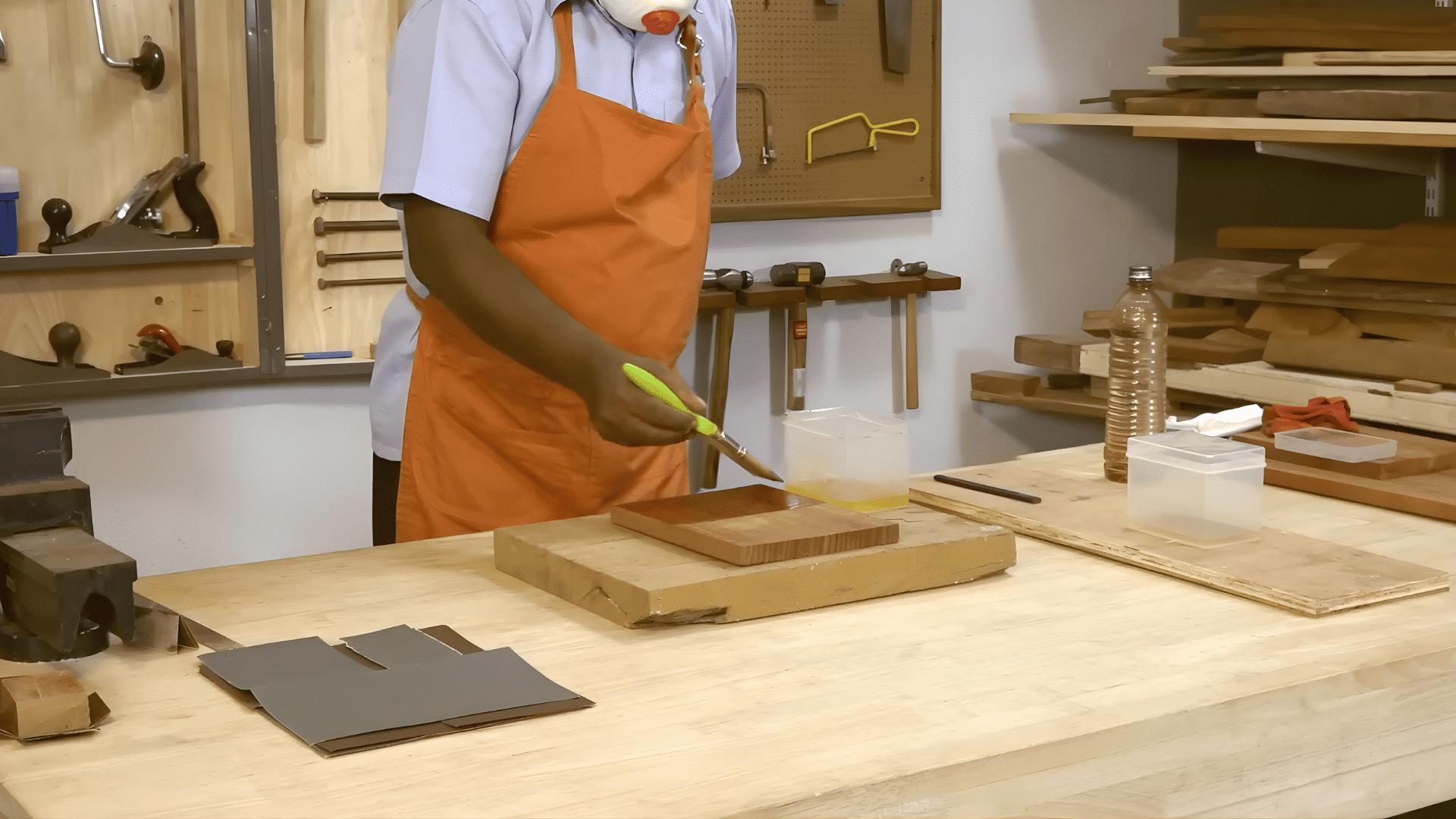
Applying a sealer creates a base layer that helps the polish sit evenly and last longer. Stir the sealer well before use, then apply a thin, even coat with a soft brush.
Allow the first coat to dry fully according to the product instructions. Once dry, lightly sand the surface again with fine sandpaper, then wipe it clean.
A second coat can be applied to improve smoothness and coverage. Skipping this step can lead to uneven polish absorption and patchy results.
Step 3: Start Polishing
Take a soft cloth and apply a small amount of polish or oil. Spread it gently across the surface using circular or straight motions.
Work in small sections to ensure even coverage and avoid applying too much product at once. A thin layer works best and prevents buildup.
The goal is to enhance the natural look of the wood without leaving streaks or sticky areas. Applying excess polish can make the surface feel greasy and attract more dust over time.
Step 4: Buff the Surface
After applying the polish, use a clean, dry cloth to buff the surface. Move the cloth in smooth, steady motions to remove any extra product and bring out the shine.
Buffing helps level the polish layer and improves the final finish. Continue until the surface feels smooth and no residue remains.
Proper buffing is important because it prevents streaks and gives the furniture a clean, polished look that reflects light evenly.
Step 5: Repeat for Better Shine
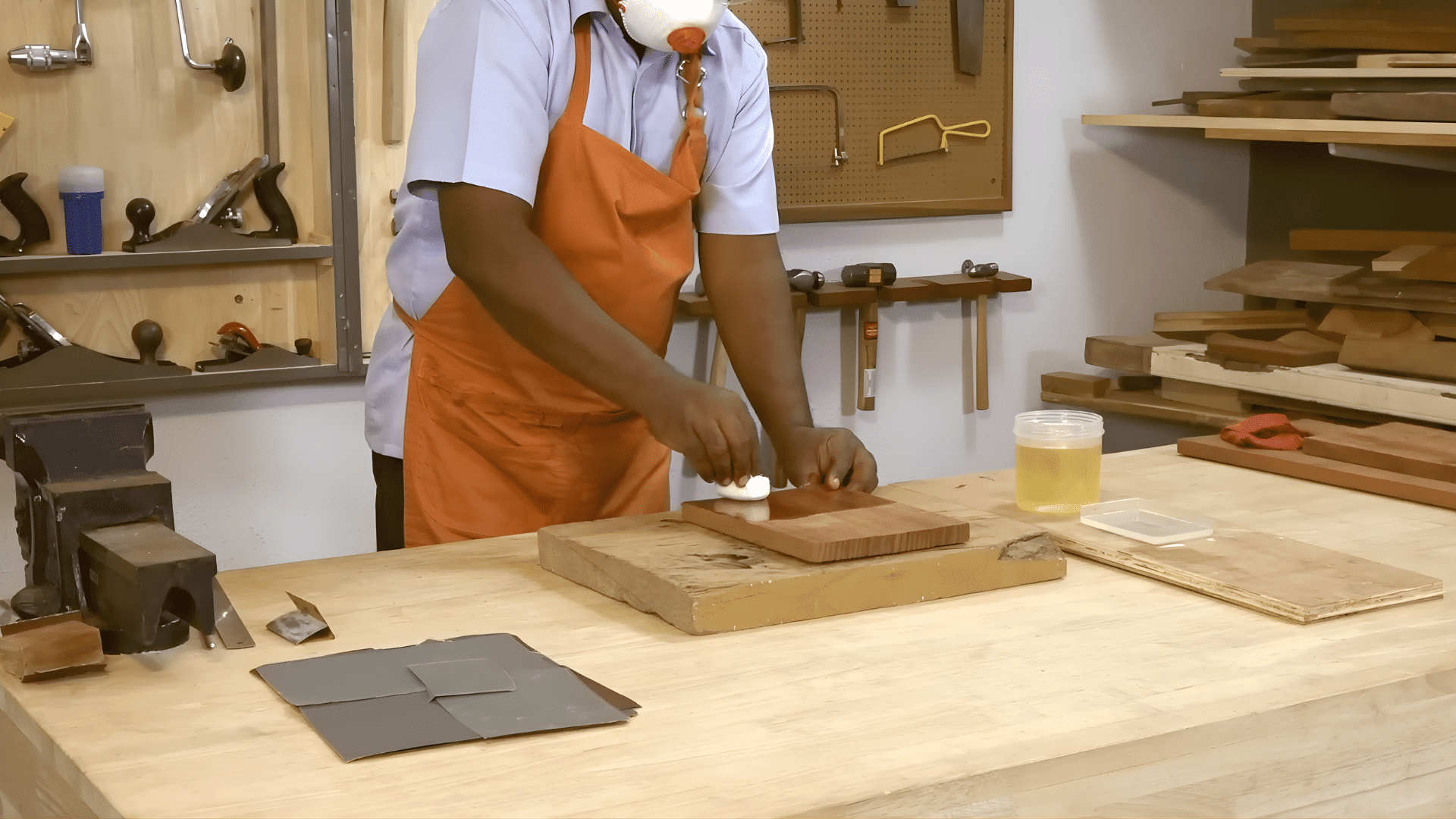
For a deeper and more even shine, apply another thin layer of polish and repeat the buffing process. Avoid adding thick layers, as this can lead to buildup and a sticky finish.
Multiple light applications produce better results and help maintain a smooth surface. Allow each layer to settle before applying the next.
Repeating the process carefully ensures the finish looks clean, even, and long-lasting without damaging the wood.
This tutorial is based on a helpful video by SIKANA English. You can check out the original video on their YouTube channel here or watch it below.
How to Restore Shine on Old Wood Furniture?
Old wood furniture can start to look dull, faded, or scratched over time, and I’ve seen this happen even with pieces that were well cared for.
When I worked on restoring shine, the first thing I did was clean the surface properly using a soft cloth and a mild cleaner.
This step made a big difference because any dust or buildup can scratch the surface while polishing.
After that, I used a small amount of polish and buffed it gently, which helped restore a smooth, even shine without making it greasy.
From my experience, it is important to avoid using too much product or water, as that can leave marks or buildup. I also suggest not rushing the process, especially when dealing with scratches.
Simple fixes like rubbing a walnut on light scratches worked better than expected. One thing to keep in mind is the type of wood and finish, as not all surfaces react the same way.
Best Furniture Polish for Different Wood Types
Choosing the right polish depends on the type of wood and its finish. Using the wrong one can leave marks or reduce the shine over time.
1. Oil-Based Polish
Oil-based polish works well on dry or older wood that needs moisture. It absorbs into the surface, helping restore a richer look while improving the overall finish.
It is commonly used on solid wood furniture to reduce dryness and improve texture.
I usually prefer this one because it gives a deeper shine, but keep in mind that using it for too long can cause buildup and attract dust if not wiped properly after use.
2. Wax Polish
Wax polish creates a thin protective layer on top of the wood surface. It gives a soft shine and a smooth feel without making the surface too glossy.
This type works well on older or delicate furniture where a light finish is preferred. It also helps protect against minor marks and dust.
However, wax polish may need frequent reapplication since the layer wears off over time with regular use and cleaning.
3. Spray Polish
Spray polish is easy to apply and works well for quick cleaning and light polishing.
It is best suited for sealed surfaces like tables, cabinets, and desks that need a quick shine. It helps remove fingerprints, dust, and smudges more quickly.
I prefer this one when I have no time and need something quick and simple, but do remember that using it for long can dull the surface if not cleaned from time to time.
Natural Ways to Polish Wood Furniture at Home
Natural polishing methods are simple, safe, and easy to use with everyday items. They help restore shine without leaving a heavy buildup on the surface.
4. Vinegar and Oil Mix
A vinegar-and-oil mix is one of the easiest ways to polish wood at home.
The vinegar helps break down dirt, grease, and old residue on the surface, while the oil adds a soft shine and helps keep the wood from looking dry.
This mix works best when applied in small amounts using a soft cloth. It is important to buff the surface well after applying to ensure it does not feel sticky.
This method is useful for regular care and works well on most sealed wood furniture.
5. Lemon Juice and Oil Mix
Lemon juice mixed with oil is a good option for light cleaning and polishing. The natural acidity in lemon helps lift dull spots and light stains, while the oil improves the overall look by adding a gentle shine.
It also leaves behind a fresh, clean scent, which makes it a popular choice for quick touch-ups. This method works best on surfaces that are not heavily dirty.
Using too much liquid should be avoided, and the surface should always be buffed dry after use to prevent streaks or moisture marks.
6. Coconut Oil Polish
Coconut oil is a simple way to give wood furniture a smooth and clean finish. It works by adding moisture back into dry surfaces and creating a light shine that looks natural.
A very small amount is enough, as too much can leave the surface feeling greasy. It is best applied with a soft cloth, then buffed to remove any excess.
This method is helpful for furniture that looks dull or dry. Regular use in small amounts can help maintain a fresh look without buildup.
Common Mistakes to Avoid When Polishing
Small polishing mistakes can reduce shine and damage the surface over time. Using the right method helps keep the finish smooth and clean.
| Mistake | How to Avoid It |
| Over-polishing the surface | Use light pressure and stop once shine appears. |
| Using the wrong polishing product | Choose a product made for that material. |
| Applying too much moisture | Use a slightly damp cloth, not wet. |
| Skipping cleaning before polishing | Clean the surface first to remove dust. |
| Using dirty or rough cloths | Use a soft, clean microfiber cloth. |
| Polishing in random directions | Follow one consistent motion or pattern. |
| Using too much product | Apply a small amount to avoid residue. |
| Not testing the product first | Test on a hidden spot before use. |
| Ignoring drying and buffing steps | Let it dry and buff for a clean finish. |
How Often Should You Polish Wood Furniture?
Polishing wood furniture works best when you follow a simple routine instead of doing it too often. For everyday furniture like tables and desks, polish every 4 to 6 weeks to keep the surface looking smooth and clean.
For regular furniture, polishing every 2 to 3 months is enough to maintain its look without buildup. Less-used pieces, such as cabinets or guest-room furniture, only need polishing every 4 to 6 months.
I also make sure to dust the furniture every week and wipe up spills right away, which helps reduce the need for frequent polishing.
I usually polish only when the surface starts to look dull, rather than on a strict schedule. Before polishing, I clean the surface so the product works better and does not trap dust.
Every few months, also check for dust collecting in corners and edges, and do a deeper clean to keep the wood looking fresh.
Tips to Keep Wood Furniture Shiny Longer
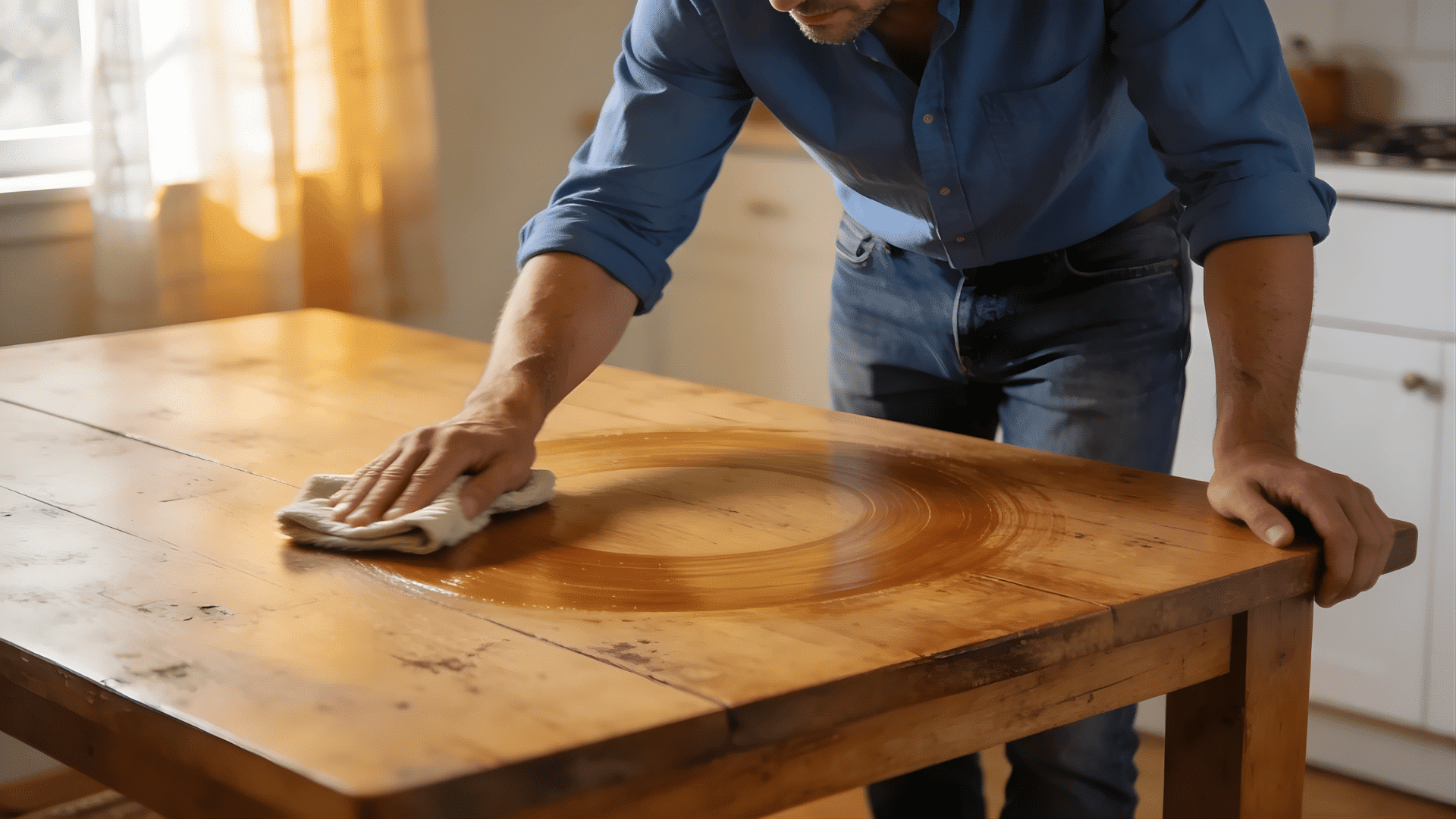
Keeping wood furniture shiny is easier with small, regular care habits. A few simple steps can help maintain the finish and reduce the need for frequent polishing.
- Dust Regularly: Use a soft, dry cloth once or twice a week to prevent buildup that can dull the surface.
- Avoid Direct Sunlight: Keep furniture out of direct sunlight to prevent fading and drying over time.
- Clean Spills Quickly: Wipe up any liquid immediately to prevent stains and surface damage.
- Use Coasters and Mats: Protect the surface from heat, water rings, and scratches during daily use.
- Limit Polish Use: Apply polish only when needed to avoid sticky buildup on the surface.
- Choose Gentle Cleaners: Use mild or wood-safe cleaners to maintain the finish without damage.
- Keep Humidity Balanced: Avoid very dry or very humid conditions, as they can affect the wood’s look and feel.
- Buff Lightly After Cleaning: A quick dry buff helps maintain shine and keeps the surface smooth.
What is the Best Way to Polish Wood Furniture?
The best way to polish wood furniture is to keep the process simple and controlled.
Most experts agree that proper cleaning comes first, followed by light polishing using the right product and a soft cloth. This helps bring out a natural shine without causing buildup or long-term damage.
From what has worked well, starting with a clean surface makes the biggest difference. Dust and dirt can scratch the wood if polishing is done directly on it.
Using a small amount of polish and applying it evenly gives a smoother finish. It is also better to polish only when the surface starts to look dull, rather than doing it too often.
It also helps to avoid excess moisture and heavy products, as they can leave marks or a sticky layer.
Gentle buffing at the end improves the shine and keeps the surface looking clean. This approach keeps wood furniture looking fresh while protecting its finish.
At the End
Bringing shine back to wood furniture doesn’t need to be complicated; this guide shows that simple steps often yield the best results.
From cleaning the surface to using the right polish in small amounts, each step plays a role in keeping the finish smooth and long-lasting.
What matters most is consistency and avoiding common mistakes, such as over-polishing or using too much product. If done right, even older furniture can look fresh again and stay that way for years.
Now it’s your turn. Try these steps on your furniture and see what works best for you. Have you found a method that gave better results, or did you face any issues while polishing?
Share your experience in the comments below so others can learn from it too.
Frequently Asked Questions
Is It Safe to Polish Antique Wood Furniture?
Yes, but only gentle products and minimal polishing should be used to protect the original finish.
Does Polishing Protect Wood from Water Damage?
Polish offers light protection, but it does not fully prevent water damage from spills or moisture.
Can Too Much Polishing Damage Wood Furniture?
Yes, frequent or heavy polishing can lead to buildup and reduce the natural finish over time.
Is Sanding Always Required Before Polishing?
No, sanding is only needed when the surface has rough spots or old buildup.