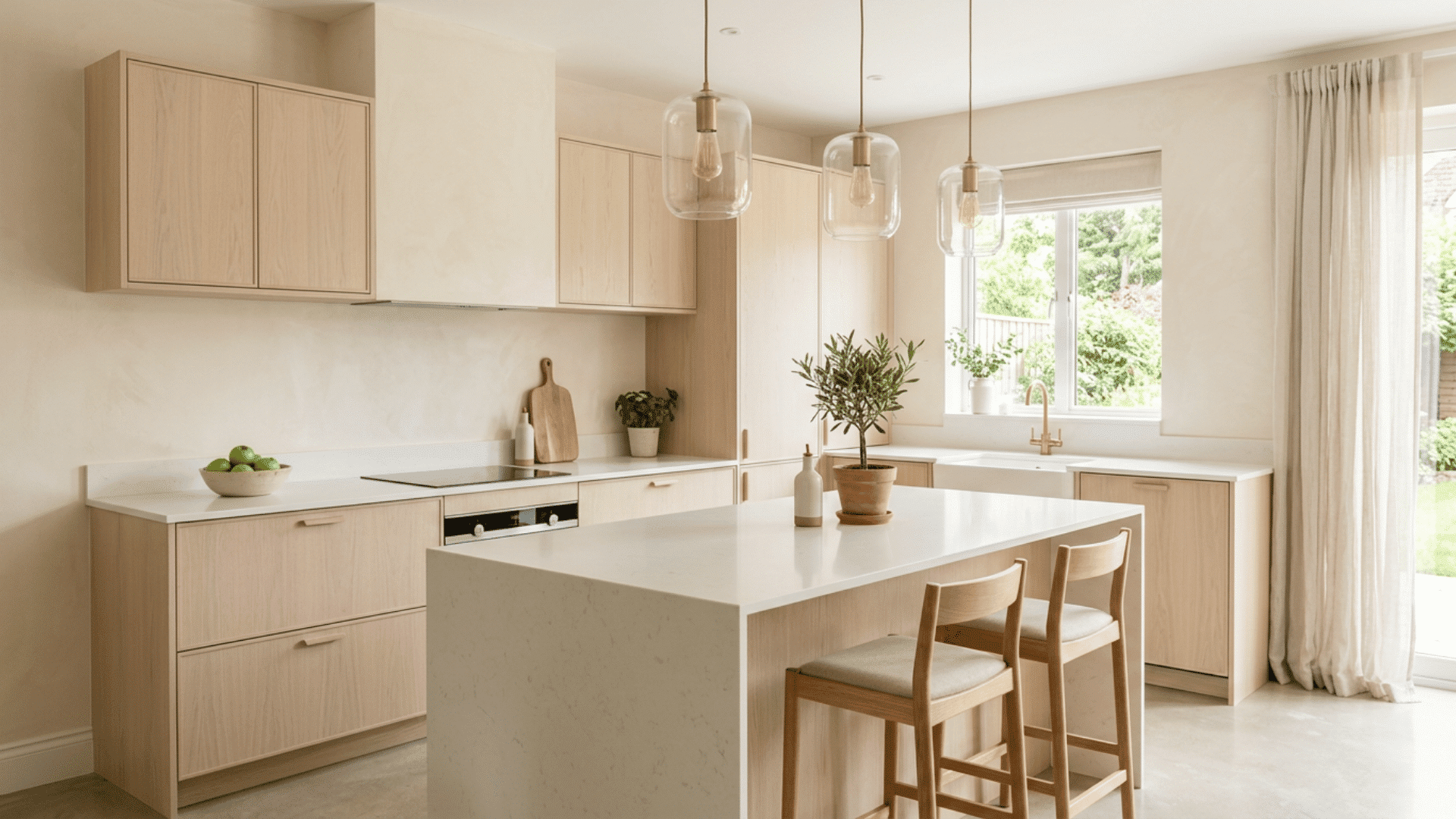

When clients first come to me asking about Scandinavian minimalism, most of them say the same thing: they want the look, but they’re afraid it will make their home feel cold and empty.
After years of styling spaces, I can tell you that fear almost always comes from a misunderstanding of what this style actually is.
It focuses on keeping your home simple, useful, warm, and comfortable at the same time. Clean spaces, soft colors, natural light, and practical furniture all play a big part in this design style.
In this guide, I’ll explain what Scandinavian minimalism really means, where it comes from, and how to apply it practically, even if you own your home or rent a small apartment.
You’ll learn about its main principles, common design features, color palettes, furniture choices, and easy ways to bring Scandinavian simplicity into your daily life.
By the end of this guide, you’ll have simple ideas to make your space feel cleaner, calmer, and easier to live in.
What is Scandinavian Minimalism?
Scandinavian minimalism is a design and lifestyle style focused on simplicity, comfort, and function. It uses clean lines, soft colors, natural materials, and practical furniture to create a calm home.
This style is all about creating a space that feels peaceful without adding too much furniture or decoration. Every item in the room usually has a purpose, which helps keep the home clean and organized.
At the same time, Scandinavian simplicity avoids making spaces feel empty or uncomfortable.
Neutral colors are a big part of this design style; shades like white, beige, and gray, along with soft earth tones, help rooms look brighter and more open.
Natural light also plays an important role, making the space feel fresh and relaxing during the day. Wood, cotton, wool, and other natural materials are commonly used to make the room feel warm and comfortable.
Many people choose Scandinavian minimalism because it works well in both small apartments and large homes. It can make a space easier to manage while still feeling welcoming and comfortable for everyday life.
Origins of Scandinavian Minimalism
Scandinavian minimalism originated in the Nordic countries of Sweden, Denmark, Norway, and Finland during the early 20th century.
People in these regions wanted homes that felt bright, warm, and comfortable during long, dark winters. Instead of filling rooms with heavy decorations, they focused on simple designs that made everyday life easier.
This design style became more popular in the 1950s, when Nordic designers introduced furniture and home ideas that combined beauty and function.
Clean lines, natural wood, soft colors, and useful furniture became key parts of Scandinavian simplicity. Designers believed homes should look good while still being practical for daily living.
Brands like HAY, Muuto, and &Tradition continue that legacy today, producing furniture that is both design-forward and genuinely livable.
IKEA, despite its mass-market scale, was built on the same foundational idea: good design should be affordable and functional.
Over time, Scandinavian minimalism spread around the world because many people liked its calm and organized look. Today, it is still known for creating spaces that feel simple, comfortable, and easy to live in.
Hygge and Lagom in Scandinavian Minimalism
Hygge and lagom are two important Nordic ideas that shape the feeling behind Scandinavian minimalism.
They help homes feel warm, balanced, comfortable, and simple without looking empty or overcrowded.
- Hygge Focuses on Comfort: Hygge is a Danish and Norwegian concept connected to coziness and relaxation. Soft blankets, candles, warm lighting, and comfortable seating are common ways Scandinavian homes create this feeling.
- Lagom Creates Balance: Lagom is a Swedish idea that means having “just enough.” It encourages people to avoid adding too much furniture, decor, or clutter to a space.
- Warm Spaces Matter: Scandinavian homes use hygge to make simple rooms feel warm and welcoming, not cold. Soft textures and calming details help create a relaxing atmosphere.
- Simple but Useful Design: Lagom supports practical living by keeping only furniture and decor that serve a purpose while still making the room look comfortable.
- Both Ideas Work Together: Hygge adds warmth and comfort, while lagom keeps spaces balanced and organized. Together, they create the calm and peaceful style known as Scandinavian simplicity.
Core Principles of Scandinavian Minimalism
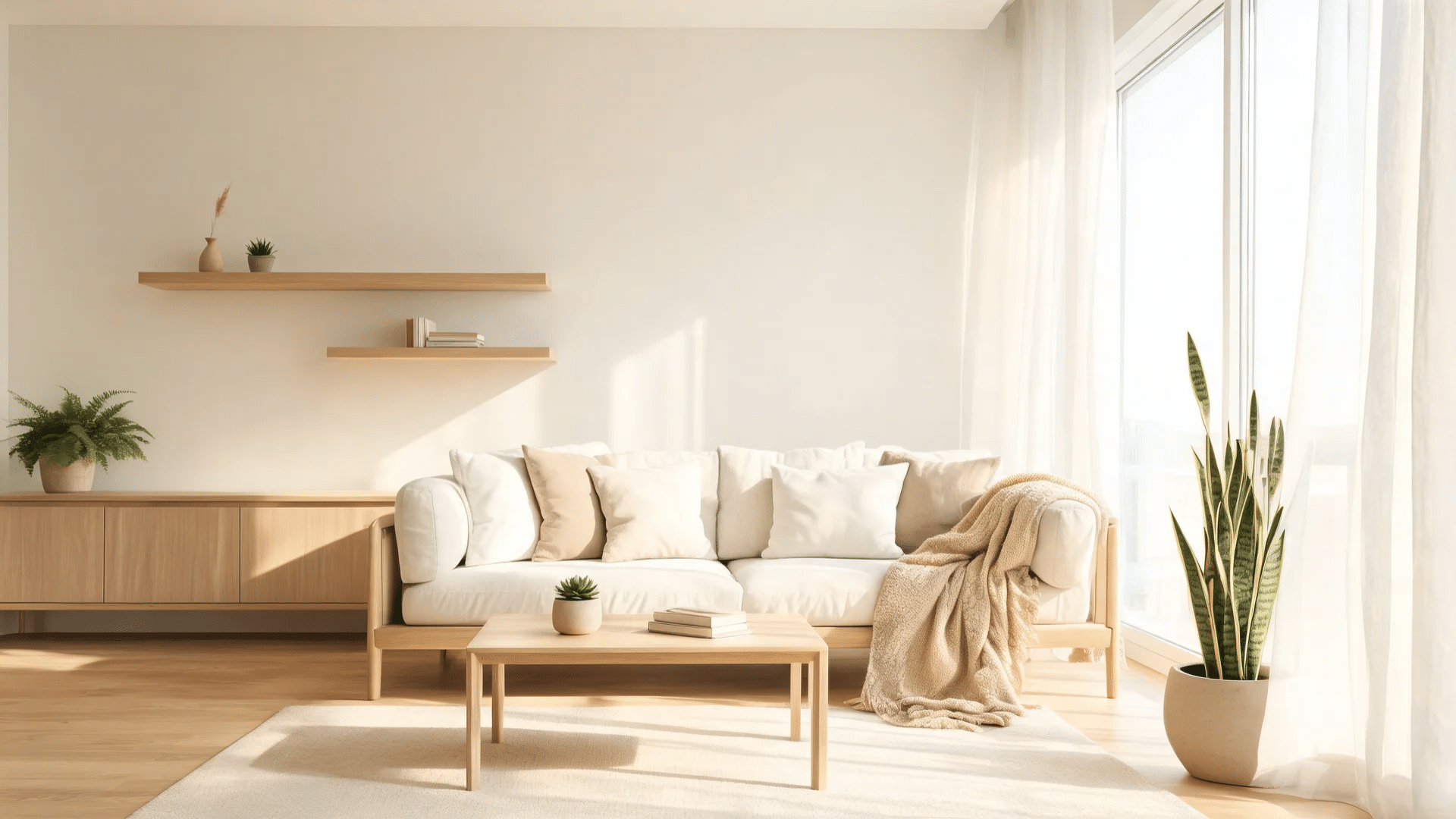
Scandinavian minimalism emphasizes creating simple, useful, and comfortable spaces with minimal clutter. It combines clean design, practical living, natural materials, and warm details to make homes feel calm.
1. Keep Things Simple
One of the main ideas behind Scandinavian minimalism is simplicity. Rooms are designed with fewer items, so the space feels open and easy to use. Furniture usually has clean shapes and smooth lines, with few details.
Instead of filling shelves and tables with decorations, people choose a few useful or meaningful items. This helps the home look organized and peaceful.
Simple spaces can also make cleaning and daily living easier because there is less clutter around the room.
Tip:Choose furniture with hidden storage to keep your space clean without adding extra cabinets.
2. Focus on Function
Function plays a very important role in Scandinavian simplicity. Every piece of furniture or decor should serve a purpose, not just look nice.
Storage benches, shelves, and multi-use furniture are common because they help save space and keep rooms tidy. The goal is to create a home that works well for everyday life.
This practical approach is one reason why Scandinavian minimalism is popular in both small apartments and larger homes today.
Tip:Before buying decor, ask yourself if it adds comfort or serves a real purpose in your daily life.
3. Use Natural Materials
Natural materials help Scandinavian homes feel warm and comfortable. Light wood, cotton, wool, leather, and linen are often used in furniture and decor.
I noticed this while helping my sister redo her living room with lighter wood furniture and soft fabric cushions. The room instantly felt brighter and more relaxing without adding extra decorations.
Plants are also common because they bring a fresh touch to indoor spaces. Using natural materials helps simple spaces feel calm, welcoming, and comfortable for daily living.
Tip:Mix soft fabrics like wool and cotton with light wood furniture to make simple spaces feel warmer.
4. Let in More Natural Light
Natural light is another important part of Scandinavian minimalism. Large windows, light curtains, and soft wall colors help make rooms feel brighter and more open.
In Nordic countries, winters can be long and dark, so bright interiors became an important part of home design. White and neutral shades reflect light, making small spaces feel bigger.
Good lighting also creates a relaxing atmosphere, which is one reason Scandinavian simplicity feels peaceful and comfortable in everyday living.
Tip:Use sheer curtains or keep windows less crowded to allow more sunlight into the room.
5. Choose Comfort Over Excess
Scandinavian minimalism is not about making a home look cold or empty. Comfort is still a major part of the design style. I realized this after visiting a friend’s apartment that followed Scandinavian simplicity.
The space had very little decor, but soft rugs, warm blankets, and comfortable seating made it feel relaxing and inviting.
Instead of adding too many decorations, the focus stays on items that make the home pleasant and useful. This balance between simplicity and comfort makes the style easy to enjoy every day.
Tip:Add a few soft textures, like cushions or rugs, to make the space feel comfortable rather than empty.
Natural Materials Used in Scandinavian Design
Scandinavian design uses natural materials to make spaces feel warm, simple, and comfortable.
These materials also help balance clean layouts with soft textures and a more relaxed look.
- Light Wood: Oak, pine, ash, and birch are commonly used in Scandinavian homes. These woods make furniture and flooring feel bright, natural, and welcoming without looking too heavy.
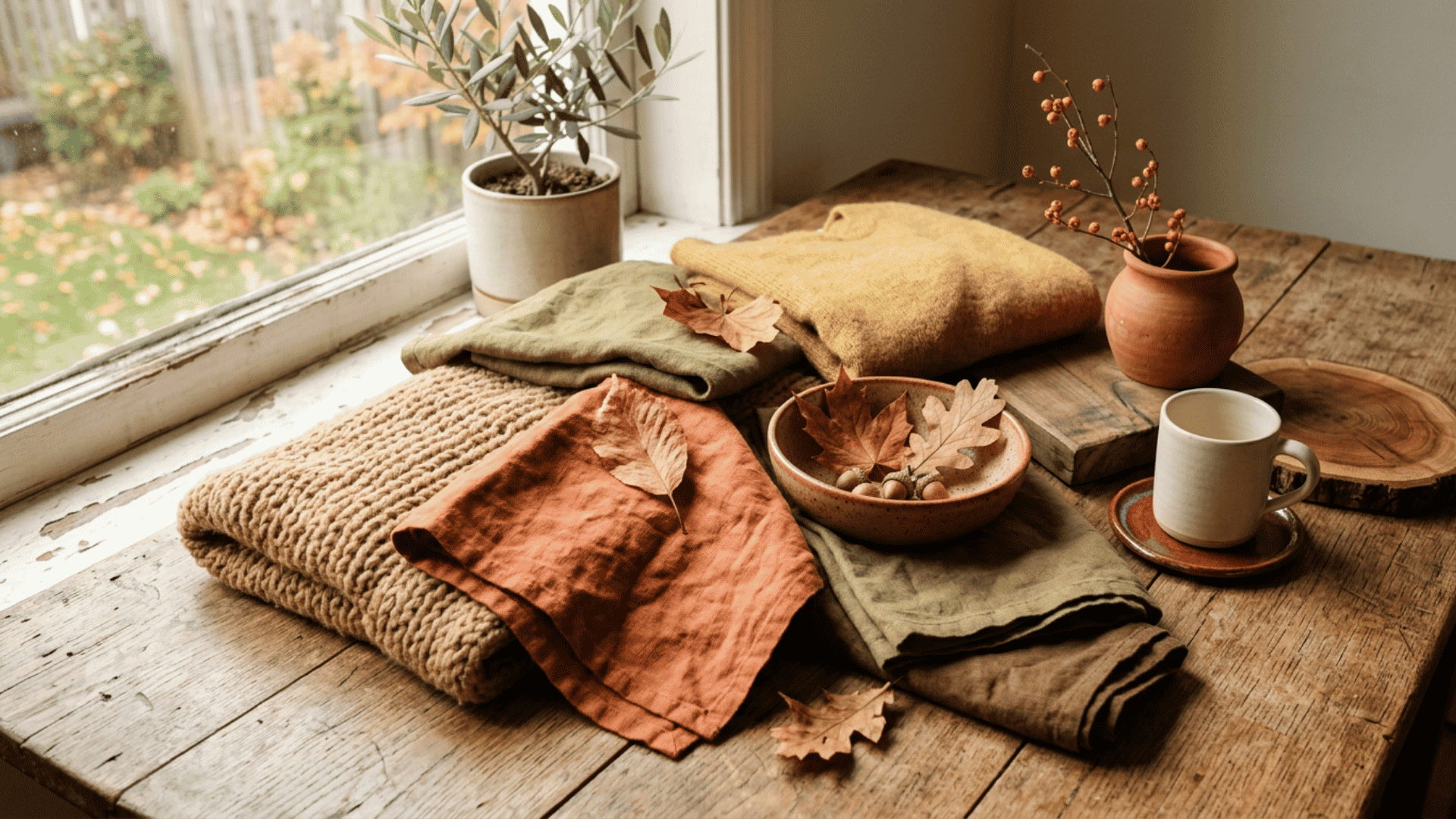
- Cotton: Cotton is often used for curtains, bedding, cushions, and throws because it feels soft, breathable, and easy to care for. Neutral cotton fabrics also match well with light color palettes.
- Wool: Wool blankets, rugs, and cushions help add warmth and texture to simple spaces. They make rooms feel more comfortable, especially during colder months.
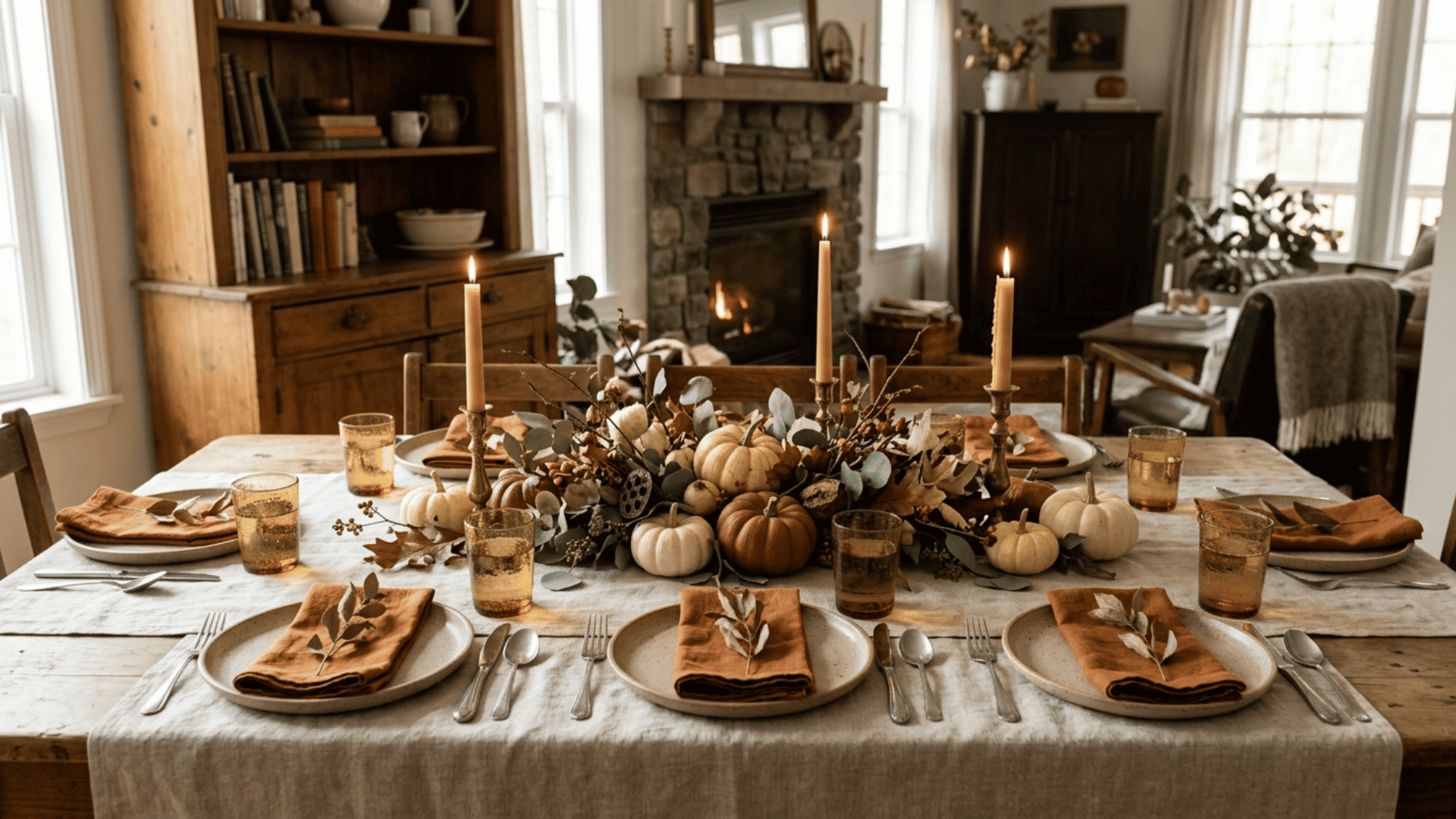
- Linen: Linen is popular for curtains, tablecloths, and bedding because of its soft, relaxed appearance. Its natural texture works well in calm and minimal spaces.
- Leather: Scandinavian homes sometimes use leather chairs or small decor items to add texture and contrast while still keeping the design clean and simple.
- Stone and Ceramic: Natural stone and ceramic decor pieces are often used in kitchens, bathrooms, and living spaces. They add a soft, earthy feel without making rooms look crowded.
Best Colors for Scandinavian Minimalism
Scandinavian minimalism uses soft and neutral colors to create spaces that feel calm, bright, and comfortable. These shades also help natural light spread better and make rooms look more open and clean.
| Color | Why It Works in Scandinavian Design | Common Uses |
|---|---|---|
| White | Makes spaces feel bright, simple, and open | Walls, ceilings, furniture |
| Light Gray | Adds softness without making rooms feel dark | Sofas, rugs, and wall paint |
| Beige | Creates a warm and relaxing atmosphere | Curtains, cushions, bedding |
| Soft Brown | Brings an earthy and natural feel | Wood furniture, decor |
| Cream | Keeps spaces light while adding warmth | Living rooms, bedrooms |
| Pale Blue | Adds a calm and fresh touch | Accent decor, pillows |
| Sage Green | Brings subtle color inspired by nature | Plants, decor items, walls |
| Charcoal Gray | Adds contrast in a simple way | Lamps, frames, and small furniture |
| Light Wood Tones | Makes rooms feel warm and natural | Flooring, tables, shelves |
| Black Accents | Helps balance light colors with clean contrast | Lighting, chairs, decor pieces |
How Scandinavian Minimalism Reduces Clutter?
Scandinavian minimalism helps reduce clutter by emphasizing simple layouts, functional furniture, and better organization.
Instead of filling rooms with too many decorations or extra items, this design style encourages keeping only things that serve a real purpose or bring comfort to daily life.
Many people use shelves, storage benches, baskets, and furniture with hidden compartments to keep everyday items organized without making the room look crowded.
Neutral colors and open spaces also help create a less stressful environment because the home feels visually lighter and more relaxing.
I noticed this while helping organize a small bedroom, where removing unnecessary decor instantly made the space feel bigger and easier to use.
Even simple changes can make daily cleaning and organizing much less stressful.
How Lighting Shapes Scandinavian Homes?
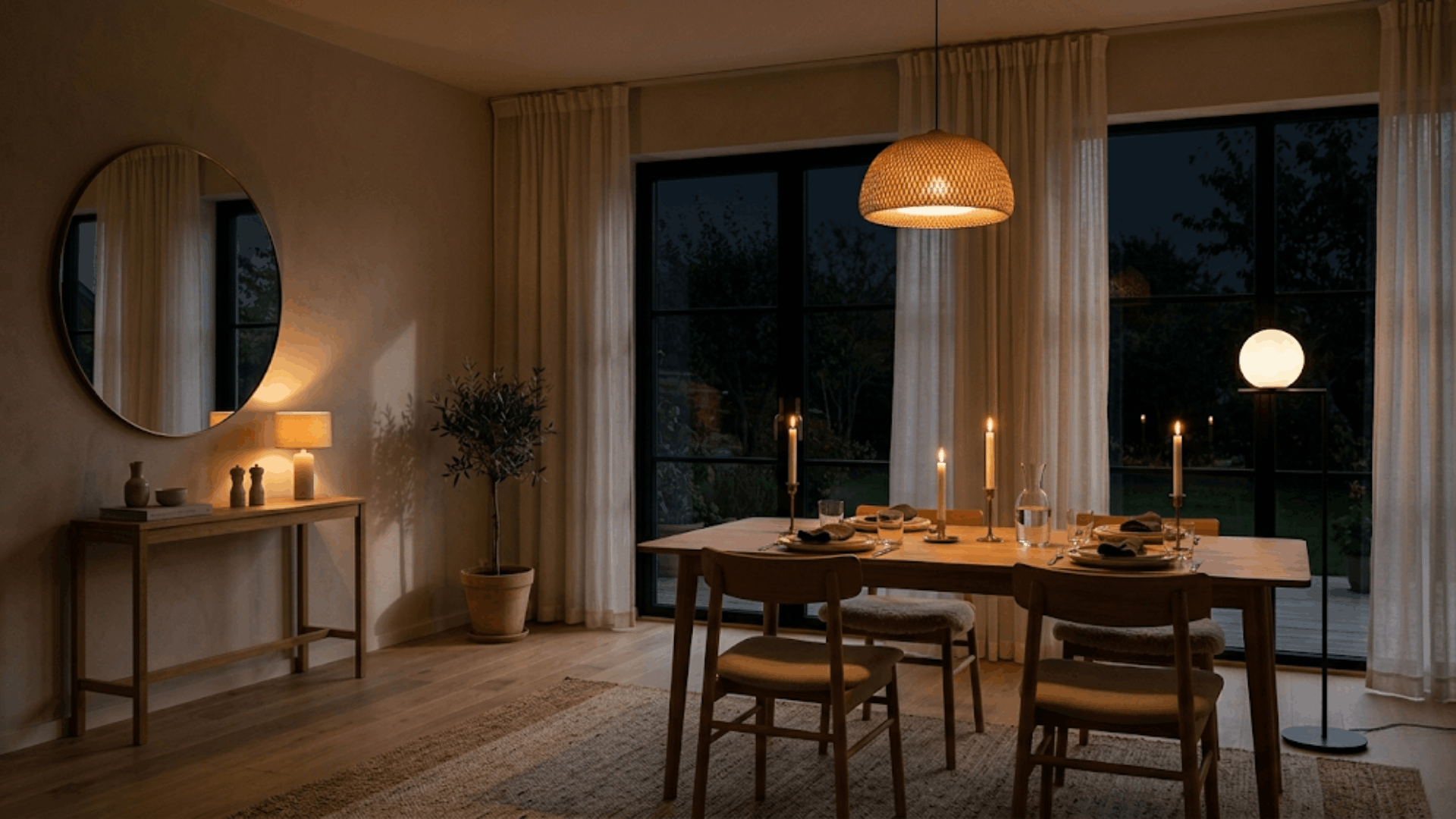
Lighting is one of the most important parts of Scandinavian design because it helps homes feel bright, calm, and comfortable. Both natural and artificial lighting are used thoughtfully to create warm, welcoming spaces.
- Natural Light Matters Most: Scandinavian homes are designed to bring in as much daylight as possible. Large windows, light curtains, and open spaces help rooms feel brighter and more welcoming.
- Soft Wall Colors Help Reflect Light: White, beige, and light gray walls reflect sunlight around the room. This makes small spaces feel larger, cleaner, and more open during the day.
- Warm Lighting Creates Comfort: Floor lamps, table lamps, pendant lights, and candles are often used to create a soft, relaxing atmosphere at night rather than harsh, bright lighting.
- Mirrors Make Rooms Feel Bigger: Many Scandinavian homes use mirrors to bounce light around the space. This simple trick helps rooms look brighter without adding extra decor.
- Layered Lighting Adds Balance: Different types of lighting are combined in one room to create balance. A mix of ceiling lights, reading lamps, and soft accent lighting helps the home feel calm and comfortable.
How Scandinavian Minimalism Compares to Japanese Minimalism
This is a question I get from clients fairly often, and it is worth addressing directly because the two styles are frequently confused.
Both Scandinavian and Japanese minimalism value simplicity, restraint, and natural materials. But the emotional intent behind each is different.
Japanese minimalism, rooted in concepts like wabi-sabi and ma (negative space), leans into imperfection and emptiness as spiritual states. The result can be austere and intentionally sparse in a meditative way.
Scandinavian minimalism is warmer. The driving concern was always livability through harsh winters, which is why hygge, softness, and comfort are non-negotiable parts of the style.
Where a Japanese minimalist interior might leave a corner genuinely bare, a Scandinavian one would almost certainly place a throw blanket, a low lamp, or a small plant there.
The Japandi trend, which blends both aesthetics, has become popular in recent years precisely because it combines the emotional warmth of Scandinavian design with the meditative restraint of Japanese design.
If you find pure Scandinavian minimalism slightly too cheerful for your taste, Japandi is worth exploring.
Affordable Scandinavian Furniture Ideas
Scandinavian furniture emphasizes simple shapes, comfort, and practicality without making spaces feel crowded.
You can create a clean and cozy Scandinavian look with affordable furniture that feels both useful and stylish.
| Furniture Item | Why It Fits Scandinavian Design | Budget-Friendly Tip |
|---|---|---|
| Light Wood Coffee Table | Adds a natural and simple look to the living room | Choose pine or engineered wood instead of solid oak |
| Neutral Fabric Sofa | Keeps the space soft, bright, and comfortable | Pick simple designs without heavy details |
| Open Wooden Shelves | Helps rooms feel open while adding storage | Use floating shelves for a cheaper option |
| Storage Bench | Saves space while reducing clutter | Place it near the entryway or bedroom |
| Minimal Dining Table | Creates a clean and functional eating area | Look for compact tables for small spaces |
| Simple Bed Frame | Keeps bedrooms calm and uncluttered | Choose light wood or white finishes |
| Accent Chair | Adds comfort without making rooms feel crowded | Use soft neutral fabrics like beige or gray |
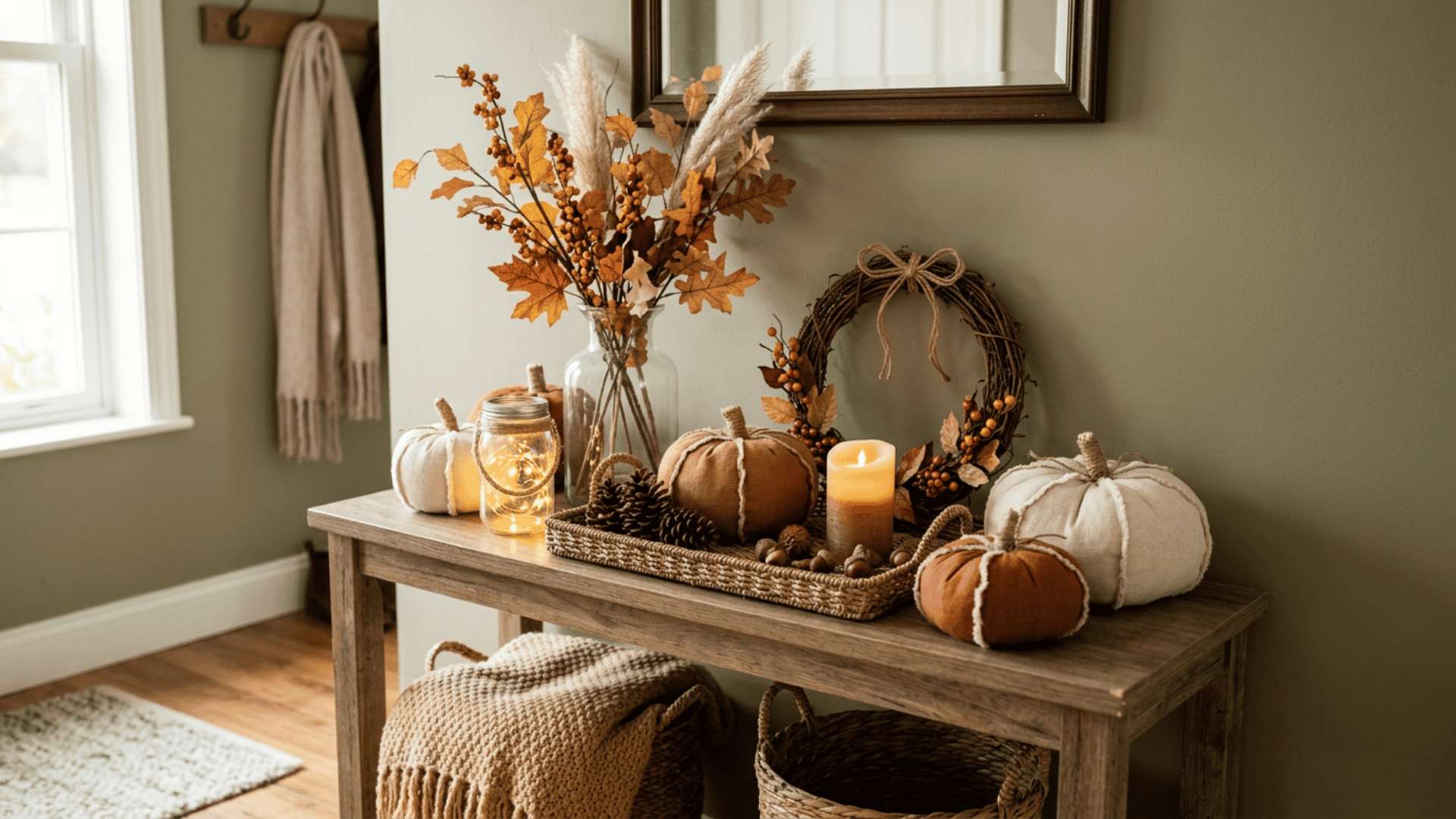
| Woven Baskets | Works as storage while adding texture | Use them for blankets, toys, or magazines |
| Floor Lamps | Creates warm and cozy lighting | Pick simple black or white lamp designs |
| Small Side Tables | Adds a function without taking up much space | Nesting tables are affordable and practical |
At the End
Scandinavian minimalism is not about making your home look empty or removing everything you own. It is about creating a space that feels calm, useful, comfortable, and easier to live in every day.
Small changes like using lighter colors, reducing clutter, adding natural materials, or choosing practical furniture can make a big difference over time.
I noticed this myself after clearing extra decor from a small room and adding softer lighting and simple storage. The space instantly felt more open and relaxing without needing a full makeover.
That is what makes Scandinavian simplicity so practical for everyday living.
The best part is that you do not need a large budget or a perfect home to start. Even simple updates can help create a more peaceful space.
Have you tried Scandinavian minimalism in your home? Share your experience or favorite ideas in the comments below.
Frequently Asked Questions
Can Scandinavian Minimalism Work in Colorful Homes?
Yes, you can still use soft muted colors while keeping the space simple and balanced.
Is Scandinavian Minimalism Good for Rental Apartments?
Yes, it works well because it focuses on small changes like lighting, storage, and simple decor.
What Flooring Is Common in Scandinavian Homes?
Light wood flooring is the most common choice because it keeps spaces bright and natural-looking.
Are Scandinavian Homes Suitable for Families with Kids?
Yes, the style focuses on practical furniture and organized spaces that work well for family living.
Can Scandinavian Minimalism Be Mixed with Other Design Styles?
Yes, many people combine it with modern, boho, or Japandi styles for a softer and more personal look.